Manufacturing sales in April see biggest monthly drop since 2023 amid U.S. tariffs
Statistics Canada said that manufacturing sales fell 2.8% in April, the largest monthly drop since October 2023, as the tariff dispute with the United States hit the industry.
StatCan said manufacturing sales stood at $69.6 billion in April, their lowest level since January 2022 after a third straight monthly decrease.
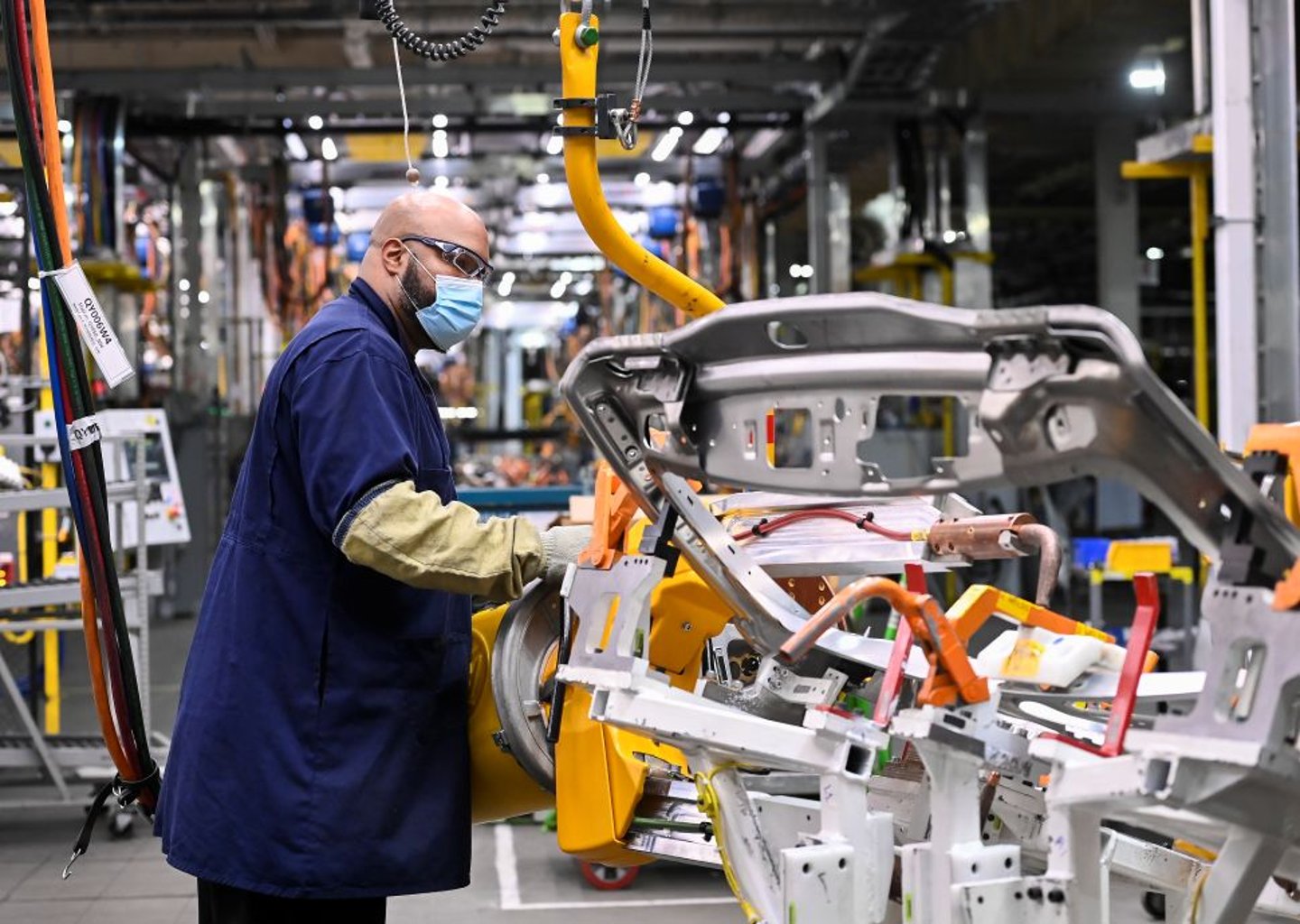
Drops in sales of petroleum and coal products (down 10.9%), motor vehicles (down 8.3%) and primary metals (down 4.4%) drove the decline.
Growing global trade tensions in April were a major factor driving down prices and volumes in the petroleum and coal products industry, StatCan said. While the trade war kicked off in March, April marked the first full month of tariffs from the United States in many sectors — particularly targetting Canada's steel, aluminum and automotive industries.
The U.S. administration has since offered some carveouts from the tariffs for CUSMA-compliant goods, and Canada has also offered relief on its own counter-tariffs for businesses in some critical manufacturing sectors.
Eight provinces saw manufacturing sales drop in April, but StatCan said Ontario saw the biggest tariff-related decline. Several auto assembly plants in the province partially shut down operations amid the tariff uncertainty in the month.
READ: Inflation slows sharply to 1.7% in April as consumer carbon price ends
Roughly half of manufacturers surveyed by StatCan say they were being affected by tariffs in some form in April, as did 43% of wholesalers.
A separate release from StatCan said wholesale sales fell 2.3% in April with the motor vehicles, parts and accessories subsector leading the drop.
The agency's surveys of manufacturers and wholesalers said price increases, changes in demand for products and higher expenses for raw materials, shipping and labour were the most common impact from tariffs.
StatCan reported last week that Canada posted its largest merchandise trade deficit on record in April at $7.1 billion as exports fell sharply in the face of tariffs.
CIBC senior economist Andrew Grantham said in a note to clients on Friday that both manufacturing and wholesale sales were weaker than expected for April.
That suggests that StatCan's flash estimate calling for a 0.1% rise in real gross domestic product for the month could be an overshoot — the economy might've started the second quarter with flat or slightly negative growth, he said.
Signs of lower inventories in the manufacturing data also bode poorly for April's GDP figures, Grantham said.
StatCan will issue its formal real GDP estimates for April on June 27.