
More than chocolate: Spring’s renewed possibilities for c-store operators
For convenience store operators, Easter and the arrival of spring mark more than a seasonal shift—they offer a timely opportunity to capture impulse purchases driven by changing consumer moods and habits.
Even as chocolate prices continue to climb, the category remains resilient. Chocolate sales reached about $4.2 billion in revenue in 2025, with projected growth of 4.9% through 2030, according to Statista. At the same time, prices for confectionery (including chocolate bars and gum) were 34.6% higher in July 2025 than in July 2020, based on Consumer Price Index data.
Despite those pressures, 88% of Canadians consumed chocolate, with 60% maintaining the same consumption levels as previous years, BNN Bloomberg reported in 2025. And manufacturers are continuing to invest in seasonal innovation designed to capture attention and drive sales. Lindt & Sprüngli, for example, is expanding its Easter lineup with new variations of its signature GOLD BUNNY alongside limited-time offerings such as carrot cake–flavoured truffles and bite-sized chocolate assortments. The company is also bringing back its GOLD BUNNY Hide & Seek mixed-reality experience, reinforcing the role of novelty and tradition in driving seasonal engagement.
Together, those elements, combining innovation, tradition and an invitation to indulge, create a window for retailers to drive higher-margin purchases.
“Easter is important, but it’s not on the same structural level as back-to-school or peak summer,” says Sylvain Charlebois, professor in food distribution policy and senior director at the AGRI-Food Analytics Lab at Dalhousie University in Halifax. “It’s a shorter, impulse-driven moment. For convenience retailers, it’s less about volume and more about margin.”
That distinction is key. Unlike longer retail cycles, the Easter-to-spring period is compressed, making execution in-store critical. While chocolate and candy remain centrepieces, they are far from the only drivers of sales during this time. In fact, broader category shifts may offer even greater upside.

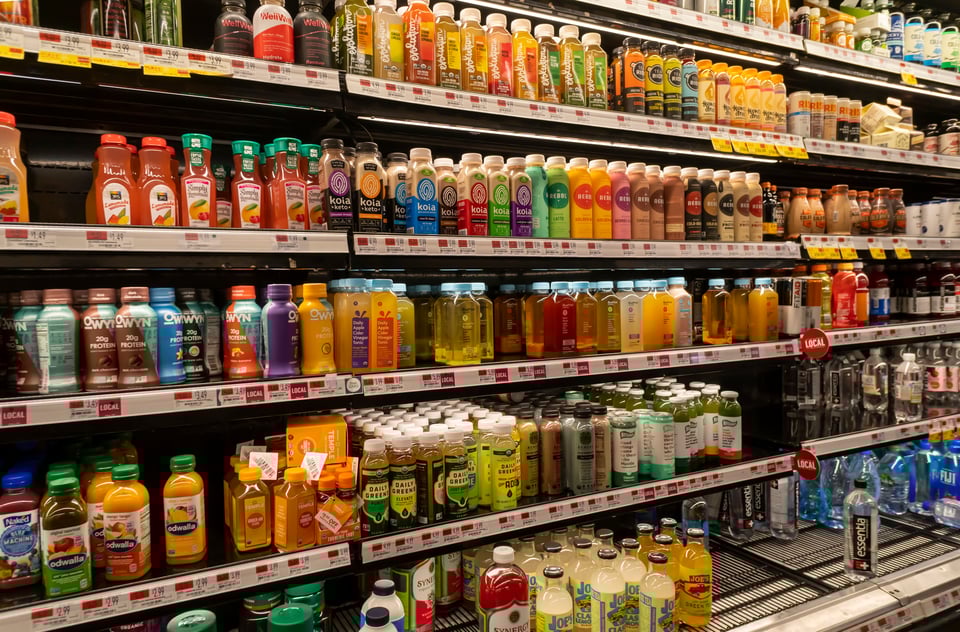
“Beyond chocolate, we typically see a lift in beverages, especially lighter or seasonal flavours, as well as salty snacks and grab-and-go bakery items,” Charlebois says.
“As temperatures rise, beverage sales accelerate quickly, and that often matters more than confectionery in small-format stores.”
That acceleration aligns with a broader seasonal mindset shift among consumers. As winter fades, shoppers begin to move away from heavier foods and toward options that feel lighter, fresher and more aligned with on-the-go routines.
“Spring tends to trigger a psychological reset,” Charlebois explains. “Consumers gradually shift from heavy comfort foods toward lighter, fresher options. There’s more focus on hydration, mobility and small indulgences tied to warmer weather.”
Colour and freshness
For convenience retailers, this shift presents an opportunity to rethink merchandising strategies. Rather than relying solely on traditional Easter displays, operators can lean into cross-category merchandising—pairing seasonal confectionery with beverages or snacks to increase basket size.
It’s also an opportunity to refresh the overall store experience in ways that signal the change in season and invite impulse purchases.
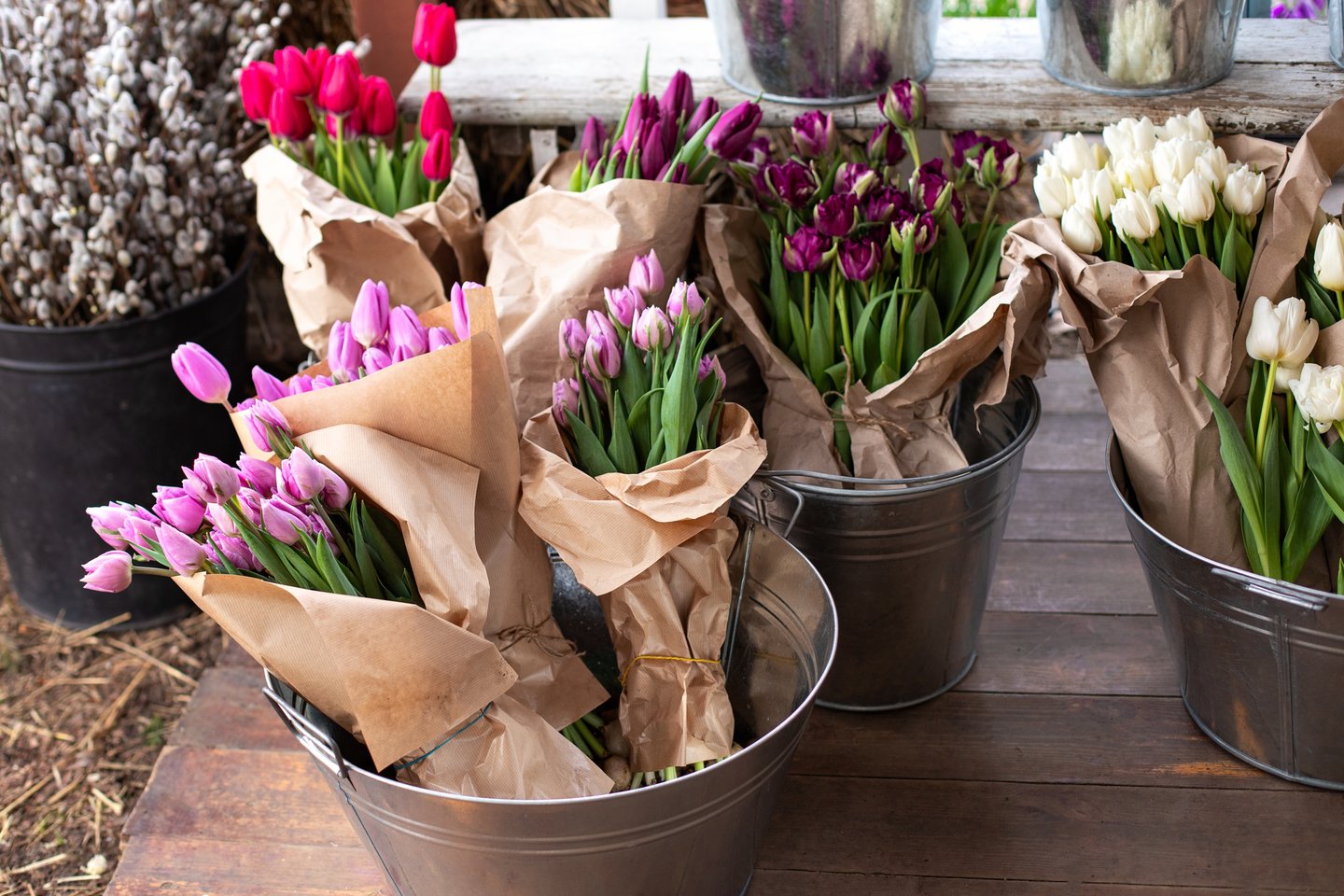
“I think Easter and spring provide an opportunity to bring colour and freshness into stores,” says Jeff Doucette, general manager at Field Agent Canada. “A display of fresh-cut flowers such as daffodils can cheer up the cash desk and drive incremental impulse purchases.”
He suggests operators experiment in small, low-risk ways—such as sourcing a limited number of bouquets or partnering with local suppliers.
“Spring baked goods are also a good way to add freshness,” Doucette says. “Does a local bakery make hot cross buns and can drop a few packages at your store each morning? That can boost your sales—and theirs.”
Beyond product, operational details matter. A clean, well-maintained exterior can be just as important as what’s on the shelf.
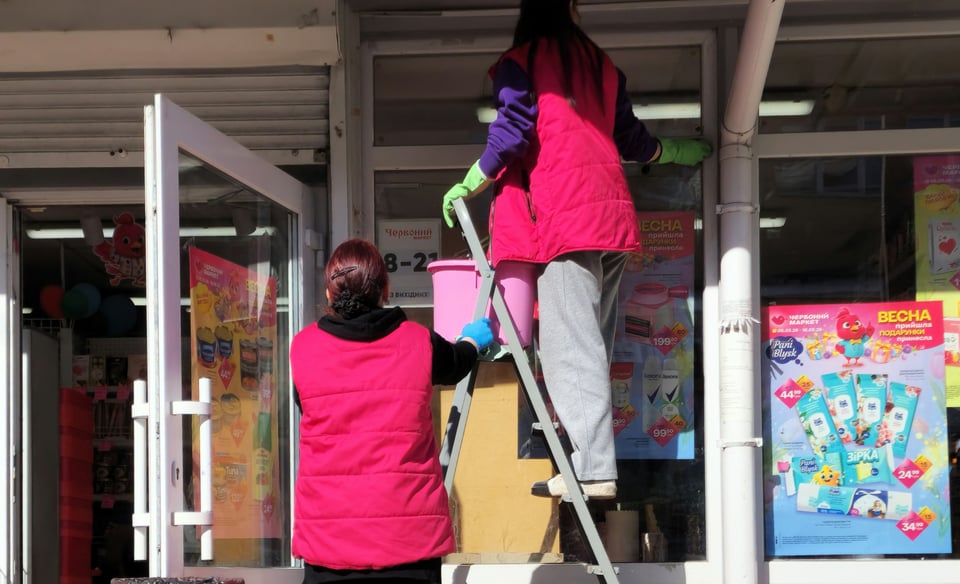
“Try to be first in your area to clean up the front of the store after a long winter,” he adds. “Wash the windows, sweep the parking lot and sidewalk, and rebuild some exterior displays.”
At the same time, space constraints in small-format stores mean discipline is essential. “For small-format stores, the smartest strategy is disciplined seasonal layering,” Charlebois says. “Concentrated displays, fast-turn items, and tight inventory control are critical. Overcommitting to seasonal stock can quickly erode margins.”
Buy Canadian
Broader consumer sentiment may also play a role in shaping purchasing decisions this spring.
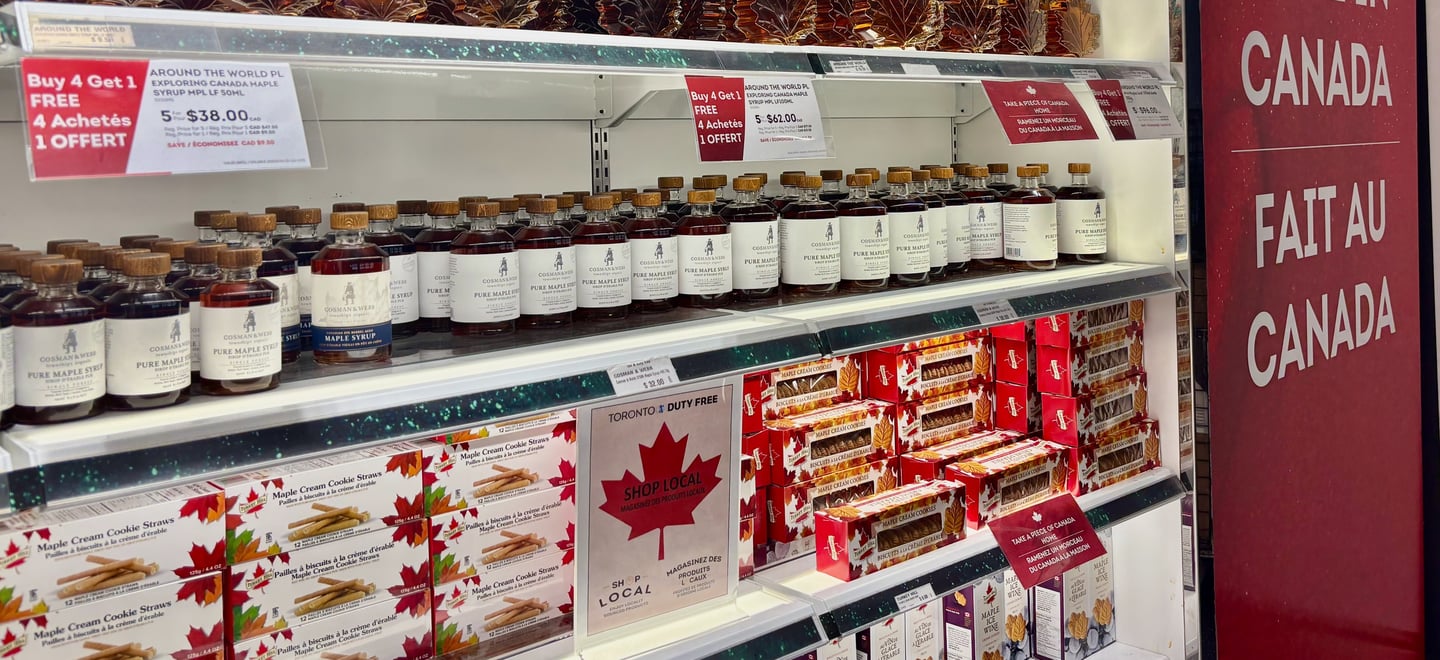
“The ‘Buy Canadian’ movement is going strong,” Doucette says. “Create ‘Made in Canada’ displays and rotate products through them over the next couple of months.”
Looking ahead, he notes that early preparation for upcoming seasonal moments, such as Canada Day, can also help maintain momentum beyond Easter.
“Now is the time to start sourcing items in advance of Canada Day,” he says. “Build displays that help customers celebrate and keep that seasonal energy going.”
Ultimately, while Easter may not rival the scale of other retail moments, it plays an important role in kicking off the spring selling season—one defined by shifting preferences, rising mobility and a renewed appetite for small treats.
“[The season] can create attention,” Charlebois says, “but profitability depends on operational discipline and understanding how Canadians actually shop.”