Safety matters for wildfire smoke and heat stress

As summer temperatures soar and wildfire seasons intensify, convenience stores, gas stations and car wash operators face a double threat: extreme heatwaves and toxic air quality.
Unlike traditional office spaces, retail forecourts require employees to work outdoors. Inside the store, high-heat equipment like commercial ovens, coffee brewers and glass-front refrigerators can turn a poorly ventilated building into a heat trap.
Under Section 25(2)(h) of Ontario’s Occupational Health and Safety Act (OHSA), employers are legally obligated to "take every precaution reasonable in the circumstances for the protection of a worker." This summer, operators must actively manage these environmental hazards.
Navigating wildfire smoke exposure
Wildfire smoke is a complex mixture of gases and fine particulate matter that can easily bypass a nose’s natural filters and enter deep into the lungs and bloodstream. For employees working near gas pumps or car wash bays, outdoor air quality is a critical safety issue.
The Ministry of Labour, Immigration, Training and Skills Development (MLITSD) emphasizes that while the OHSA does not set a specific "outdoor air quality" limit, employers must use tools like the Air Quality Health Index (AQHI) to guide daily operations.
Avoid the “boiling point:” workplace violence risks
Extreme weather drains physical stamina and spikes irritability and fatigue. Customers can loose patience from long lines at the pumps or broken car washes on hot days. General irritability from poor air quality can escalate into customer confrontation at the counter.
Under Ontario’s OHSA, employers must protect workers not only from physical environmental hazards but also from workplace violence and harassment.
To help operators identify and mitigate these social hazards, the MLITSD offers a free digital Workplace Violence Assessment Tool. This interactive, self-paced assessment walks store owners through specific risks, helps analyze current security protocols and automatically generates a customized action plan to ensure compliance with provincial laws.
Preventing heat stress indoors and out
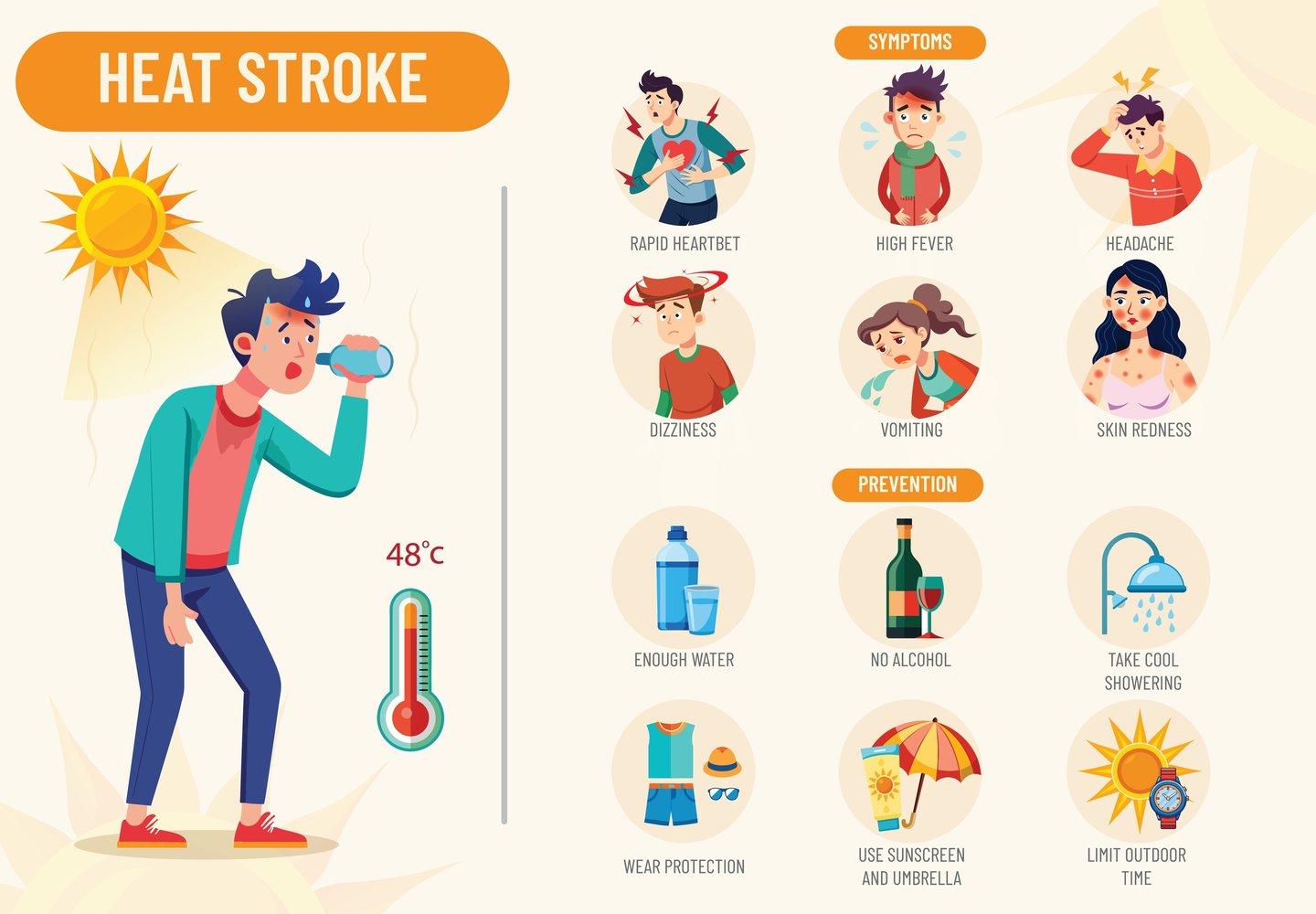
Heat stress is a quiet hazard. It occurs when the body's natural cooling mechanisms (sweating) fails to keep up with rising core temperatures. In gas stations, heat hazards exist both outside on the hot asphalt and inside near high-temperature cooking equipment, compressor rooms or poorly ventilated cash registers.
WSPS outlines the following five cost-effective ways to manage heat-related hazards before they impact workers.
Ensure employee uniforms are made of lightweight, breathable fabrics like cotton or loose-woven blends that allow sweat to evaporate and cool the skin.
Keep cool (not freezing) water readily available. Encourage workers to drink at least one cup of water every 15 to 20 minutes, rather than waiting until they feel thirsty.
Set up a "buddy system" during extreme heat. Workers often fail to recognize their own signs of heat exhaustion such as confusion, heavy sweating, nausea or rapid breathing.
Educate employees on how a healthy lifestyle, physical fitness and avoiding dehydration-inducing substances like caffeine and alcohol the night before a shift can build heat resilience.
Be mindful that factors such as age, underlying health conditions and certain medications can drastically lower a worker's heat tolerance.
Upskill your team for free this summer
Protecting your team doesn't have to strain your operational budget. Through September 30, 2026, Workplace Safety & Prevention Services (WSPS) is offering a suite of its most popular health and safety eCourses completely free of charge.
These self-paced digital courses cover vital compliance and safety topics, including:
- Ontario Worker Health & Safety Awareness
- Workplace Violence and Harassment Awareness
- WHMIS Training
By using these resources, c-store, gas and car wash operators can easily train supervisors and front-line workers on hazard recognition, keeping operations running smoothly and safely all summer long. Help keep your workplace safe without the added cost. Register your team today!
- 6 WAYS TO PROTECT YOUR TEAM
Workplace Safety & Prevention Services (WSPS) recommends a multi-layered approach to mitigate smoke exposure:
1.Monitor the AQHI constantly
Track hourly local AQHI ratings via Environment Canada. Treat ratings of 7 or higher (High Risk) as triggers for immediate administrative action.
2.Modify outdoor shifts and tasks
Postpone heavy physical tasks—such as restocking heavy outdoor inventory or scrub-cleaning gas islands—to days with better air quality or move tasks indoors if possible.
3.Optimize indoor HVAC systems
Keep convenience store doors and windows closed. Work with an HVAC professional to limit fresh (outdoor) air intake and upgrade to high-efficiency air filters (such as MERV 13 or higher).
4.Establish clean air breaks
Increase the frequency of breaks, ensuring outdoor workers spend their rest periods in a fully air-conditioned, well-filtered indoor space.
5.Provide proper respiratory protection
Provide outdoor employees with well-fitted N95 respirators. Note: Standard surgical or cloth masks will not filter out fine smoke particulates.
6.Train staff on smoke inhalation symptoms
Ensure supervisors can identify signs of smoke exposure, such as coughing, wheezing, throat irritation, shortness of breath or dizziness.