
Shippers find a workaround for tariffs
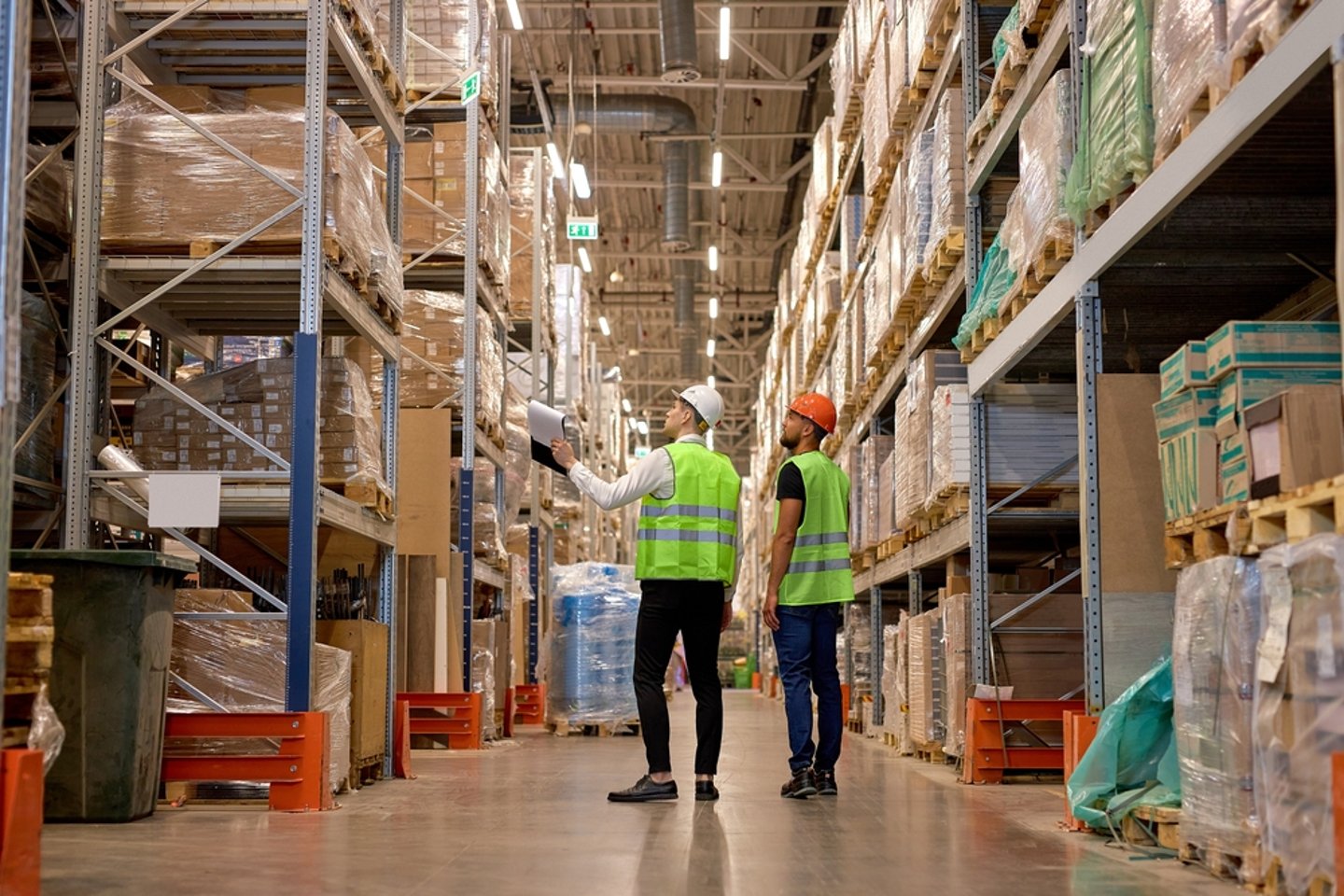
Leasing activity in the Toronto area soared to the third-highest level on record in 2025, climbing 43 per cent to 26.9 million square feet, according to figures from real estate firm Cushman & Wakefield. National volumes also jumped, far outpacing those from the previous three years.
Across the country, activity ramped up in the second half of the year in particular as packaging and logistics firms strove to meet a boost in demand. That increase came from shippers and retailers looking to hedge their bets in response to U.S. President Donald Trump’s shifting tariff proclamations.
“Warehouse demand isn’t being driven by growth — it’s being driven by uncertainty,” said Alan Dewar, executive vice-president at Winnipeg-based customs brokerage GHY International, from an industry conference in Texas.
“Warehouses aren’t just storage anymore; they’re a front-line tool for managing trade risk.”
Facilities along key trade corridors such as Ontario’s Highway 401 offer speed to market, all the more important when racing to beat tariff deadlines. They also make for essential storage spots to ride out bottlenecks or feed a spike in demand.
So-called third-party logistics companies, or 3PLs, led the leasing boom as shippers and retailers looked to outsource risk.
“They would rather avoid a long-term lease obligation at these very high rates and prioritize the flexibility of 3PLs more so than the flexibility of having their space themselves,” said Juana Ross, a research manager at Cushman & Wakefield, noting the rising price of industrial spaces.
In an era of shifting trade rules, the facilities serve another purpose. They can help shippers get around American import tariffs by rerouting goods through Canada that once would have flowed directly into the U.S. from overseas.
If the goods are substantially altered in those Canadian industrial spaces, they can effectively qualify for an exemption under the United States-Mexico-Canada Agreement, avoiding levies on imports from countries ranging from China to Germany.
“They import their chocolate from Europe to Canada. Then they develop it further into another food product. Then they’re able to make it USMCA-compliant. And then they ship it into the States tariff-free,” said Lisa McEwan, co-owner of customs brokerage Hemisphere Freight, referring to a client.
“Before, they might have just shipped it and manufactured it in the U.S.A.”
The warehouse rush might seem counterintuitive, given that trade between the two countries declined last year.
U.S. goods imports from Canada dropped seven per cent to US$383 billion in 2025, while American exports to Canada fell 3.8 per cent to US$336.5 billion, according to the Office of the U.S. Trade Representative.
McEwan called the supply and distribution rejig carried out by shippers and enabled by warehouse leases a trade “contortion.”
“It’s companies pivoting and trying to navigate, circumventing tariffs,” she said.