Ask the Expert: Smarter security for safer stores

Convenience stores remain the most targeted retail environments for violent crime. According to the 2024 D&D Daily Retail Violent Fatalities Report, 42% of all fatal incidents occurred at convenience stores. Customers accounted for over half of these fatalities, with store associates close behind at 25%.
From theft and assaults to smash-and-grab attacks, rising violence threatens employee safety, erodes customer trust, and jeopardizes store operations. Yet many retailers still rely on outdated, disconnected security systems that make it hard to respond in real time—let alone prevent incidents.
To meet today’s challenges, store owners need a smarter, unified approach to physical security that deters crime, protects staff and customers, and helps law enforcement close cases faster.
Crime is up and confidence is down
The impact of retail crime goes far beyond stolen merchandise or cash. Stores hit by violence or repeated theft often face ripple effects: staff resignations, hiring challenges, damaged property and reputation, and even prolonged closures.
For many C-store owners, employee churn is a growing concern. While many factors contribute, no one wants to work in an environment where they feel unsafe. Supporting your team with proactive tools that deter crime, de-escalate tense situations, and signal help when needed can build a stronger sense of security and trust.
Unfortunately, legacy systems make it difficult to monitor incidents in real time or respond effectively. Many don’t support analytics or automation tools that enable early detection. Without modernization, convenience stores may lack the tools to effectively respond.
Unify, simplify, strengthen
Today’s convenience stores need proactive, scalable security systems that both deter crime and support fast, effective investigations. A unified, open architecture platform brings together video surveillance, automatic license plate recognition (ALPR), access control, panic buttons, communication systems, and more into a single, cohesive solution. For example, pressing a panic button can automatically trigger a live video feed and voice alert to a monitoring partner, security team, or local police.
A unified security platform also enables fast, contextual investigations by including data from other systems, such as your point-of-sale (POS) system, so you can get a complete picture of store activity. With everything connected, stores can monitor activity in real time and respond faster.
A unified approach also streamlines system management, reduces staff training time, and accelerates investigations. By spotting patterns across incidents, security teams can help law enforcement identify repeat offenders, close cases more quickly, and prosecute organized retail crime more effectively.
READ: Ask the Expert: Enhancing retail security through community collaboration and Technology
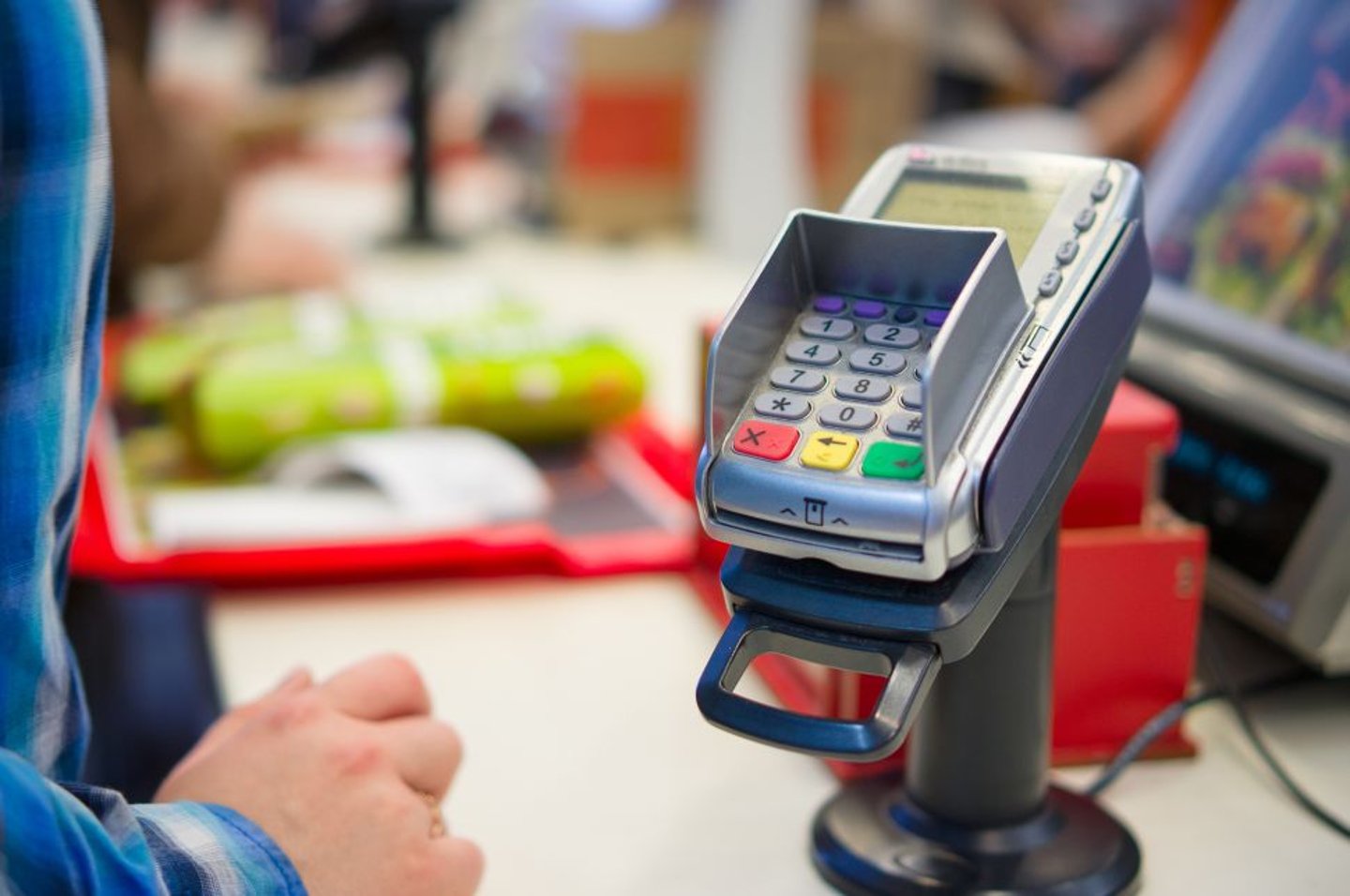
Additional ways to strengthen security and support a faster response
From real-time alerts to proactive deterrents, here are seven considerations and technology solutions to strengthen security and support faster response at your store.
- Create and digitize clear standard operating procedures (SOPs) for incidents like smash-and-grabs, and automate alerts so the right people are notified quickly.
- Install and unify panic buttons, glass break sensors, motion detectors, and integrated alerts that notify security staff or law enforcement. These alerts can trigger automated deterrents like pre-recorded voice messages, flashing lights, or sirens to disrupt incidents and alert others in the store.
- Combine video analytics and point of sale (POS) data to help spot suspicious behavior at the register quickly.
- Use automatic license plate recognition (ALPR) to detect and flag vehicles linked to previous incidents. If a vehicle on a hotlist is spotted at your store, the system will alert your team automatically.
- Link intrusion and video management systems for incident verification to reduce the number of false alarms so your team can stay focused on actual incidents and threats.
- Use access control to restrict entry to stockrooms, offices, and other high-value areas, keeping customers and inventory safer.
Collaboration is key
By adopting open, unified security systems and digital evidence sharing tools, store owners can deter crime, respond faster, and work effectively with authorities.
Often, a single incident won’t meet the felony threshold. But when multiple events are linked to the same individuals, the cumulative evidence may support prosecution. Digital evidence management systems (DEMS) make it easy to securely compile and share this information—while maintaining a chain of custody and clear audit trails.
Retailers also benefit from working together. Sharing data and footage can help law enforcement identify broader patterns of organized retail crime and build stronger cases.
One example is a camera registry program, a voluntary system where businesses let local police know they have surveillance cameras. If a crime occurs nearby, police can quickly request relevant footage, speeding up investigations without compromising privacy.
Solutions that are built for today and ready for the future
The risks facing convenience stores today are serious—but so are the tools available to fight back. Choose tools with future compatibility and growth in mind. Avoid proprietary systems that are hard to maintain or scale. Open platforms let you add new systems and technology as needed.
Investing in modern, unified systems isn’t just about catching criminals. It’s about preventing harm, collaborating with law enforcement to deter crime, and keeping your doors open with confidence.
As the Director of Signature Brands in Canada for Genetec, Nada Ebeid oversees the market growth for financial and banking, retail, cannabis, hospitality, and other signature markets. She’s responsible for helping customers meet their security solution goals and empowering them to leverage their security systems to improve other areas of their businesses.