Bitcoin ATM ban is unnecessary and would hurt convenience retailers, say industry players
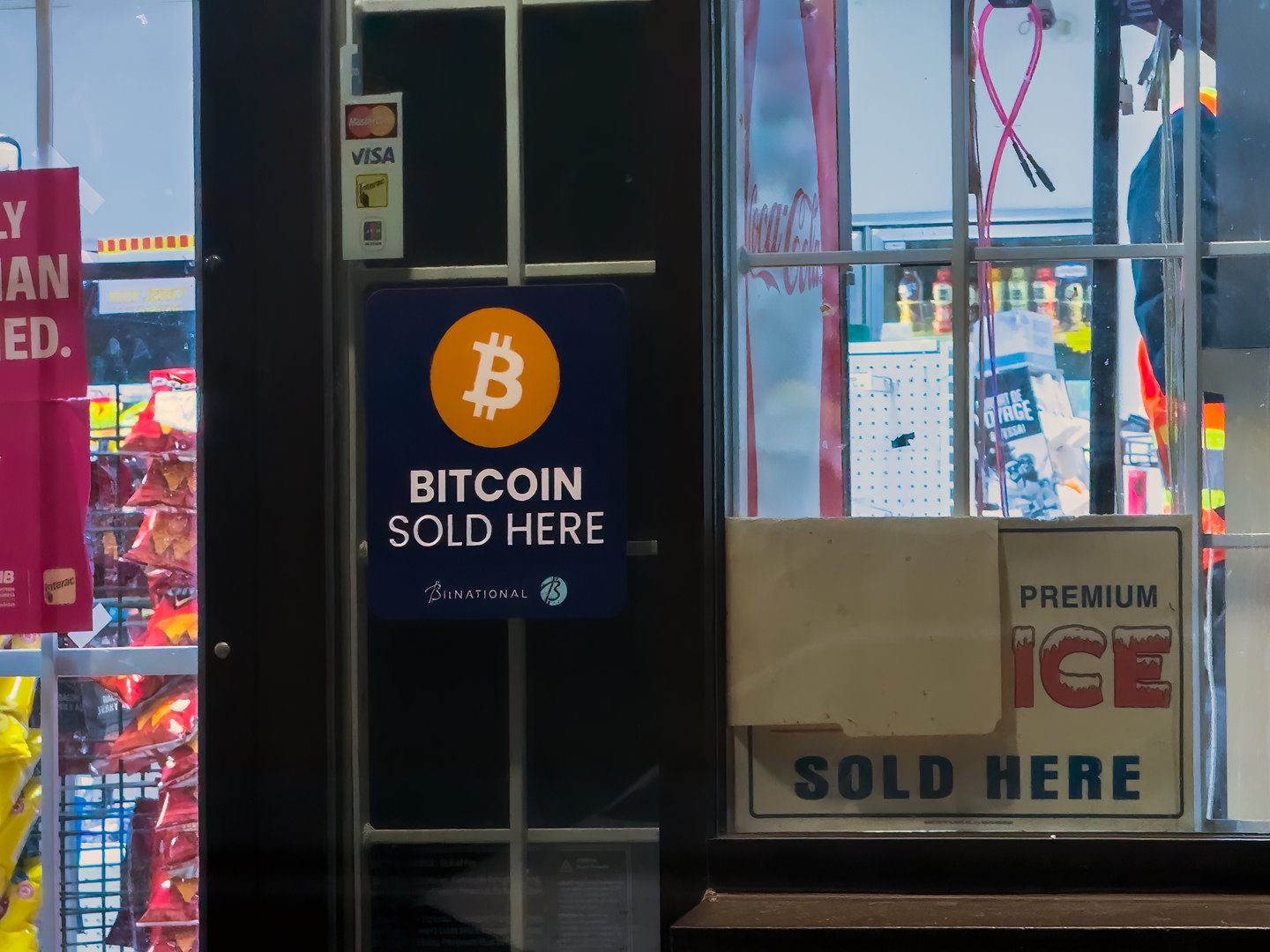
There are roughly 3,900 Bitcoin ATMs in Canada today, and for many convenience store operators, they are not a novelty or a “nice-to-have.” They are a small but steady source of income in a business where every revenue line matters.
That is why many operators and industry leaders are pushing back after the federal government announced that it is planning to ban crypto ATMs to protect Canadians from scammers using the machines to defraud victims. Since the announcement came April 28 at the Spring Economic Update, industry leaders and individual convenience operators have been pushing back against the proposal, arguing Ottawa should regulate the sector more tightly rather than outlaw it altogether.
READ: Do Bitcoin ATMs really drive in-store traffic? Here's what operators have to say
“We support tougher regulation—not a complete ban,” says Jeff Brownlee, vice-president, communications and stakeholder relations at the Convenience Industry Council of Canada (CICC). “Crypto ATMs are a legal, federally regulated service, and for the convenience stores that host them, the rent is real income at a time when margins are razor thin.”

Brownlee says the better approach would be to license operators, mandate stronger fraud controls and remove companies that do not comply. He points to Australia as an example of a jurisdiction that has moved to regulate the sector rather than entirely shut down a legal industry.
For convenience retailers, the concern is not only regulatory overreach but the threat of lost income. ATMs pay roughly $15 million a year in rent to host locations across Canada, with many of those hosts being independent and single-store operators.
Unlike many store revenue streams, the income from hosting a crypto ATM is typically fixed monthly rent. It does not require inventory, staffing or additional labour. That makes it particularly valuable for operators facing rising costs and thin margins.
“For a corner store, that monthly cheque can be the difference between a good month and a bad one,” says Brownlee.
Raman Gupta is owner of three Vibe and Bite convenience stores in the Vancouver area. He says that the ATMs are very important for business, not just because of their revenue but also because they draw customers who then make other purchases.
"Bitcoin ATMs are very important for convenience stores,” he says. “They contribute to small businesses and the customers (they draw) purchase drinks and snacks as well. It will be bad for business if we remove the Bitcoin ATMs."

Small percentage
Localcoin is Canada's largest Bitcoin ATM network, with more than 60 full-time staff members in Canada, and operating over 2,150 machines across five countries including Canada, Australia, New Zealand, Hong Kong and Poland.
“The (fraud) concerns are real, and we take them seriously,” said Localcoin founder and CEO Tristan Fong. “That's why we support tighter regulation.”
Fong points to the government's own data that shows crypto ATMs make up a small a small portion of overall fraud: The Canadian Anti-Fraud Centre reported $14.2 million in crypto ATM losses in 2024—about 2% of the $704 million all-channel fraud figure. The other 98% flows through wire transfers, gift cards and e-transfers, none of which, Fong points out, are proposed for prohibition.
“Banning the regulated 2% doesn't stop fraud; it pushes it underground.”
Ben Glickman, CEO of Bitcoin Central, which has ATMs across the country, notes that the industry is already addressing fraud concerns. “Any fraud—especially fraud targeting our most vulnerable citizens, including the elderly, is too much.”
So, Bitcoin Central is aligned with other leading crypto ATM operators to enhance a greater understanding of the role they can play in preventing financial fraud in Canada. Together they are working with the Canadian Bitcoin Consortium to reach out to government, law enforcement, regulatory bodies and the general public to add context and deepen understanding of the role crypto ATMs have in Canada's financial ecosystem.
How do crypto ATM scams work?
Crypto ATM scams tend to follow a familiar pattern. The victim receives an urgent phone call, email or text from someone posing as a trusted authority or loved one—perhaps the Canada Revenue Agency (CRA), a bank’s fraud department, law enforcement or a family member in trouble. The message is designed to create panic: Money must be sent immediately, and the victim is directed to a nearby crypto ATM to make the payment.
Once the victim deposits cash, the machine converts it into cryptocurrency and sends it to a digital wallet controlled by the scammer. The transfer can happen almost instantly. And unlike a credit card payment or bank transfer, there is usually no chargeback process, no customer service department to appeal to and no central authority able to freeze or reverse the transaction.
“As licensed money services businesses regulated by FINTRAC, we are ready and willing to work with government to implement new measures to safeguard all Canadians,” says Glickman.
“That being said, fighting fraud in any meaningful way must incorporate a holistic approach—starting with the telecom companies and digital platforms fraudsters utilize to contact a broad swath of Canadians on a daily basis.”
He emphasized that licensed money services businesses, including crypto ATM operators need to share actionable intelligence with law enforcement and other members of the financial ecosystem to share actionable intelligence, “in order to weed out bad actors.”
Protecting livelihood
On the heels of the threat from the government, The Ontario Convenience Stores Association (OCSA), issued an email from OCSA chair Terry Yaldo, who operates Midway Convenience in Windsor, noting that the proposed ban was developed “behind closed doors” without consultation with the independent retailers and operators affected by it.
“This isn’t just about technology, it’s about protecting our livelihoods and demanding a fair process,” Yaldo wrote in the email. “Banning a legitimate financial tool won’t stop bad actors,” he wrote. “It just punishes law-abiding business owners and the thousands of Canadians who use these terminals safely every day.”
Yaldo also noted that operators and retailers have worked together on scam-prevention warnings, consumer education and staff training.
Regulatory certainty
CICC’s Brownlee, like others contacted for this article, said he has heard of no one asking to have machines removed in light of the threat of a ban. He says the network of ATMs has continued to grow.
“The real question isn’t demand; it’s regulatory certainty,” he says. “Nobody can plan a business around a proposal that could criminalize it. Give operators and their host stores a clear, permanent set of rules and the service is perfectly viable.”
His message to policymakers is that a ban may appear decisive, but it risks removing safeguards that already exist in the regulated channel.
“A ban doesn’t make the fraud disappear—it makes it invisible,” Brownlee says. “It pushes the activity past every safeguard the government says it wants.”
For convenience operators who have daily experience with crypto ATMs, they also see regulation as the solution.
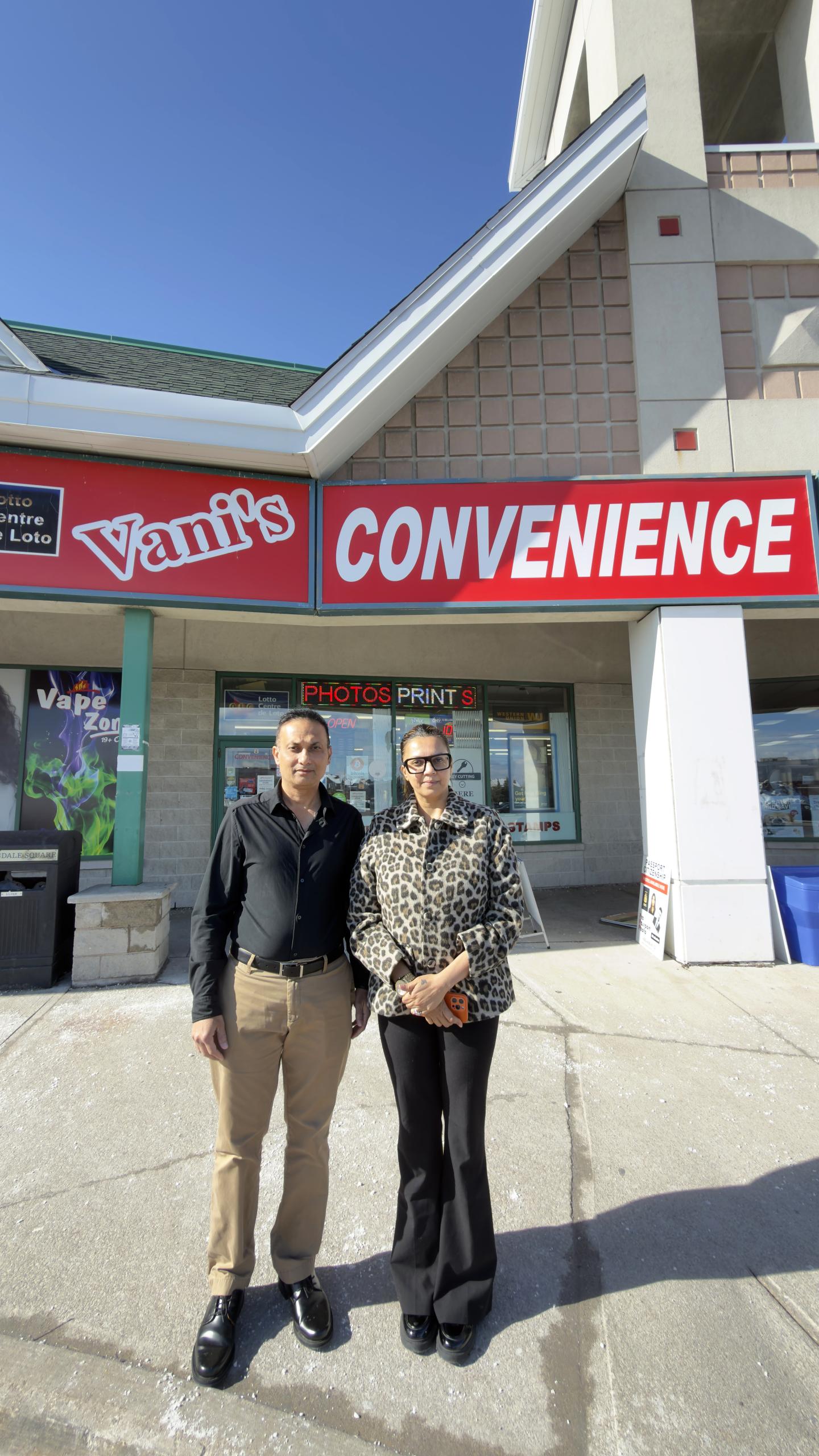
“While the concern raised by the government is valid and I support the need to protect Canadians, I differ in the suggested solution,” says ManishThakker, who has a crypto ATM at his Vani's Convenience store in Brampton, Ont. “Banning Crypto ATMs outright will drive activity underground towards unregulated online sites and other available channels.”
READ: 2026 Outstanding Independents Awards Winner: Vani's Convenience
Thakker suggests stricter regulation of activity like restricting transaction amount per transaction and per day and/or per crypto wallet. “(For example), any transaction over $2,000 should be on hold for 24 hours and transaction over $5,000 dollars should be on hold for 48 hours.”
Brownlee agrees, saying, “The smarter path is the obvious one. “Regulate the sector, license the operators who play by the rules, and shut down the ones who don’t. That protects Canadians and it protects the small retailers caught in the middle.”
Otherwise, he says: “We know exactly how this script ends, because we’ve lived it with vaping and now, pouches,” Brownlee says. “Prohibition doesn’t kill demand; it just moves it somewhere with no rules.”