
The business case for authenticity and doing what’s right
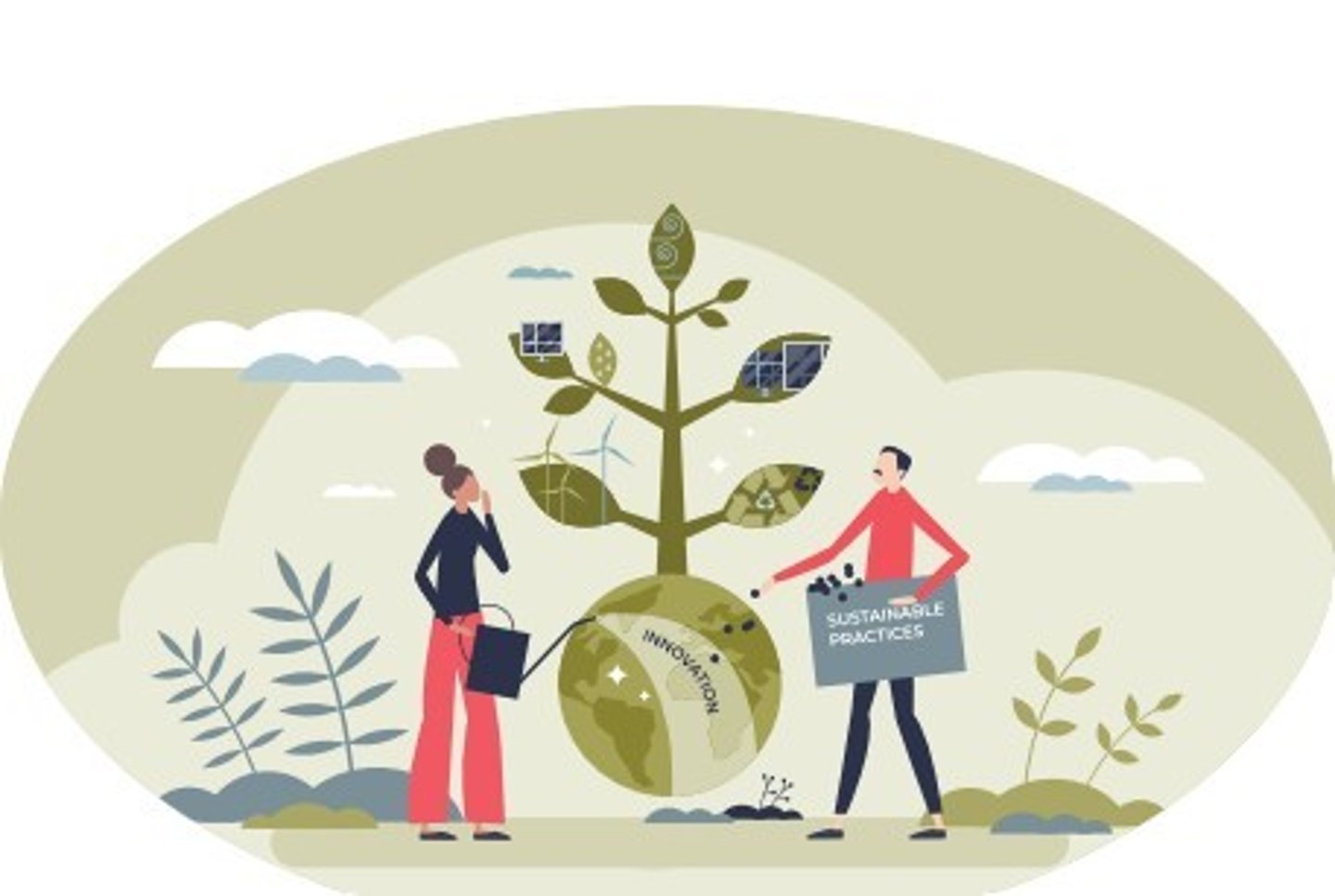
There’s a prevailing narrative that running a business sustainably demands dramatic, large-scale interventions that can be costly. Is it possible for convenience operators to incorporate sustainability into their business to actually drive performance? Sustainability initiatives should align with and reinforce an organization’s core values. The goal is to do what’s right for people and the planet—not as a gesture, but because it delivers business results. The companies that understand this will be better positioned in the long run. For convenience retailers, progress should focus on improving the quality of life for customers, employees and their communities. In practice, this means using less energy, reducing in-store waste, making responsible sourcing decisions and finding like-minded partners who can help advance your sustainability goals.
Why it makes good business sense
Doing the right thing in the convenience industry doesn’t have to be complicated, and it certainly doesn’t mean sacrificing the bottom line. In fact, research confirms that it pays to be socially responsible. Morgan Stanley’s inaugural Sustainable Signals survey found that more than 80% of global companies see opportunities for sustainability to drive stronger cash flows, higher profitability and higher revenue growth in the next five years. That being said, the broader economic climate is shifting. Ernst & Young writes that 2025 trade uncertainty and regulatory turbulence has forced Canadian businesses to reassess their sustainability strategies. In today’s fractured environment, sustainability still matters and is clearly emerging as a requirement for market access, capital investment and long-term resilience.
Putting sustainability into action
Too often, organizations wait for regulation or societal pressures before taking action. The strongest organizations act because their moral compass and business acumen point them there, not because something forces their hand. 7-Eleven Canada takes social responsibility seriously. Consider our effort to reduce single-use plastic packaging. We’ve expanded our partnership with EcoTank, bringing refillable windshield washer-fluid dispensers to 34 locations across British Columbia and Ontario. Customers can refill their vehicles and pay at the dispensing unit, eliminating the need for individual plastic jugs. Refillable dispensers and the shift away from other proprietary plastic packaging avert extended producer responsibility fees, saving money for the business.
We’ve invested in cleaner energy by expanding our EV-charging stations, and we introduced hydrogen fuelling in partnership with HTEC. We’ve also taken steps to cut food waste through our partnership with Too Good To Go, to redirect unsold food and reduce CO₂ emissions. As a destination for fresh sandwiches, 7-Eleven Canada is now moving to cage-free eggs, in support of more ethical treatment of hens. Our community partnerships reflect the same approach. Our longstanding partnership with Food Banks Canada helps the noble goal that no Canadian goes hungry or thirsty, while our new partnership with the Children’s Miracle Network helps provide access to life-changing health care for children across the country. This is not about accolades. This is not about recognition. This is not about an asterisk in a sustainability report. Each of these actions ties directly into our brand promise to be the go-to destination for convenience customers—and doing so responsibly. Sustainability done right strengthens people, communities and business performance.
Authenticity is the multiplier
Our values matter and guide how we live and work with others. Being true to those values creates a life with purpose. We act instinctively on them because it feels right. Businesses are no different. Many of them display their values in hallways or on corporate websites; but the real measure is whether those principles show up in everyday decisions. When a company’s actions match its messaging, customers notice—and they’re more likely to reward brands that reflect their own beliefs, interests and needs. Doing the right thing doesn’t detract from shareholder value; it strengthens it. At 7-Eleven Canada, we’d argue that authenticity is the multiplier to longer-term success. Doing the right thing is what’s best for our customers, our communities and our collective future.
Marc Goodman is the vice-president and general manager of 7-Eleven Canada.