C-stores winning on vaping compliance while specialty shops, illicit sellers draw scrutiny
Federal compliance data are leading to renewed calls from convenience store operators and tobacco companies for tougher enforcement against illegal vaping and nicotine products, while reinforcing the sector’s record on age-restricted sales.
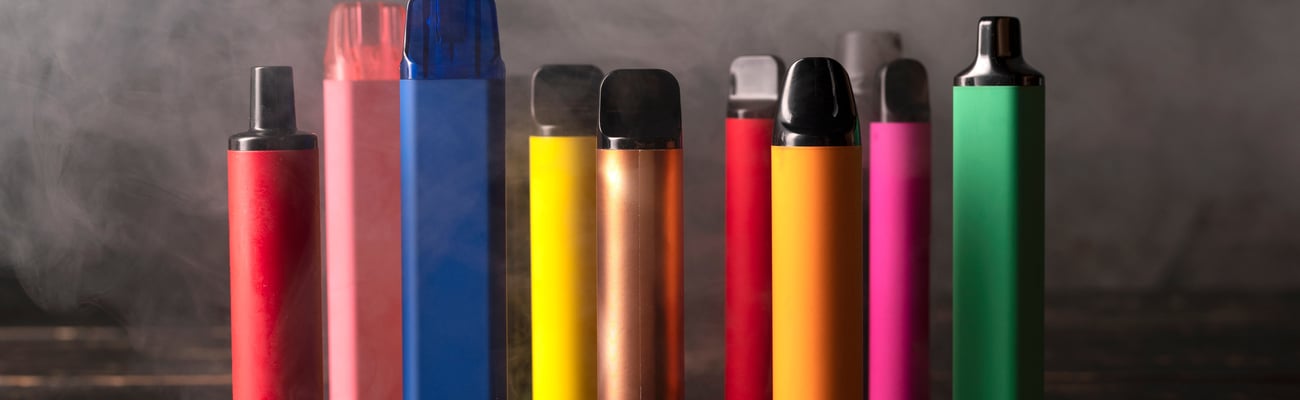
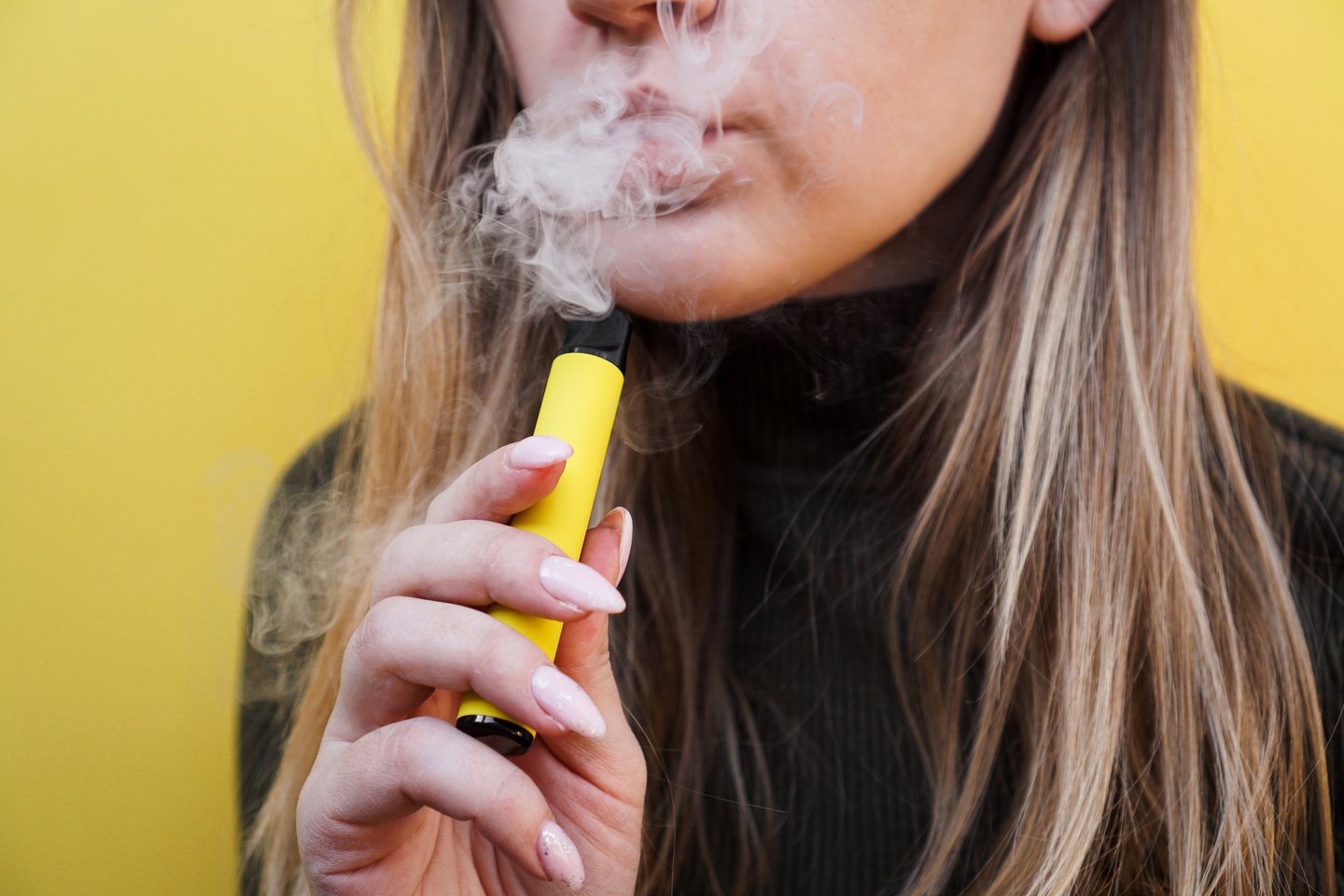
The latest Vaping Compliance and Enforcement Report from Health Canada found that convenience and gas retailers posted near-perfect compliance during inspections conducted between April 2024 and March 2025. Just 1% of convenience stores were found to be in violation when selling vaping products, compared with nearly 50% of inspected specialty shops.
“These data prove that convenience stores are responsible retailers,” said Jeff Brownlee, VP communications & stakeholder relations for the Convenience Industry Council of Canada (CICC), in an email interview. “We take pride in our stellar track record of selling age-gated products, and this success is a result of the industry standard CICC's ID PLEASE training program.”
The findings were also welcomed by the United Korean Commerce Industry Association of Canada (UKCIA), which represents more than 2,000 independent operators nationwide.
“This report is important—not because it tells us something new, but because it confirms what we have been saying for many years,” said Kenny Shim, president of the UKCIA, in a media release. “Convenience stores have a long-standing track record of responsibly selling age-restricted products.”
The association says the report strengthens its argument that licensed retailers should be trusted to sell regulated products, including nicotine pouches, which were banned from convenience stores under a 2024 ministerial order.
At the time, former health minister Mark Holland linked the products to underage use, a claim the industry has disputed. The UKCIA is now urging Prime Minister Mark Carney and the federal government to reverse the ban.
“We are asking the government to let us once again sell a popular smoking-cessation product responsibly,” Shim said. “This latest study proves once again that convenience stores are not the problem.”
Contraband nicotine
Industry leaders say the findings also highlight a growing imbalance in how different retail channels are regulated and enforced.
Brownlee said governments need to focus more aggressively on the contraband nicotine market, arguing that over-regulation of legal retailers is having the opposite of its intended effect, namely keeping products out of the hands of youth.
“Over-regulation and restriction of the sale of legal products is actually contravening public health objectives,” he said. “When youth can go online and order illicit products with the click of a mouse and have them delivered to their door by Canada Post or Xpress Post—no questions asked—there’s a major problem.”
He added that the illegal nicotine trade is increasingly linked to organized crime and called for a national enforcement strategy, stronger penalties and dedicated resources to combat contraband.
Tobacco manufacturer Imperial Tobacco Canada echoed those concerns in a recent statement supporting new amendments to the Contraventions Regulations under the Tobacco and Vaping Products Act.
Nearly 50% of inspected specialty shops were found selling illegal or non-compliant products, the company said, compared with about 1% of convenience stores.
“The data confirm what responsible retailers have been raising for some time,” said Eric Gagnon, vice-president of corporate and regulatory affairs at Imperial, in news release. “There has been a clear enforcement gap in the specialty store channel.”
Imperial welcomed recent regulatory changes that allow inspectors to issue on-the-spot fines ranging from $100 to $2,000, but questioned whether the penalties are strong enough to deter illegal operators.
“For many, $2,000 may simply be a cost of doing business,” Gagnon said, noting that some European countries impose fines of up to €200,000 for similar offences.
Policy misalignment
Along with the UKCIA, both Brownlee and Imperial pointed to the federal government’s 2024 decision to ban nicotine pouches from convenience stores as an example of policy misalignment. The products, which had been sold behind the counter under strict ID controls, were removed through a ministerial order.
“It makes absolutely no sense that convenience stores can sell tobacco, lottery and in some provinces alcohol, yet aren’t trusted to sell nicotine replacement therapies,” Brownlee said. “This is fuelling the growing contraband market.”
Imperial made a similar argument, noting that the removal of regulated nicotine pouches helped create a large illicit market where flavoured, high-nicotine products are sold without age verification.
For convenience store operators, the report is being framed as further evidence that licensed retailers can be trusted partners in public health enforcement—while underscoring the need for tougher action against illegal sellers.
Industry groups say their members will continue pressing Ottawa for stronger inspections, higher penalties and policies grounded in compliance data, arguing that without visible enforcement, responsible retailers will remain at a competitive disadvantage.