Embracing the power of age diversity


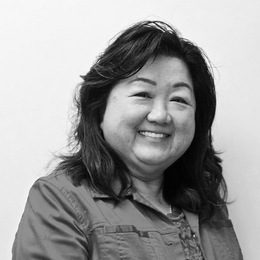
Multigenerational workplaces are now the norm in Ontario. And that’s good news, says WSPS Consultant Tova Larsen. “Tapping into the diverse perspectives, talents, and experiences of each generation can boost health, safety creativity, innovation, and productivity.”
Each generation brings unique insights, experiences, perspective and approaches, which can enhance your safety protocols and practices.
To harness this potential, workplaces need to address the challenges that come with managing diverse generations, such as:
- Negative stereotypes. “Toxic to a workplace culture, these views overlook the distinct strengths each generation brings and can hinder communication, compromise safety, and even contribute to workplace harassment,” says Tova.
- Different attitudes towards safety. This can lead to intergenerational friction as well as unaddressed hazards. For example:
- A newly trained young worker spots a hazard and suggests reporting it. The older worker shrugs it off, saying ’It’s always been that way. I’ve never been hurt.’
- An older worker watches a young worker doing something unsafe and, says, ’That’s dangerous. Don’t do that.’ The young worker does it anyway, feeling ‘invincible’ to harm; they’re younger and stronger after all.
- A new worker has concerns about their psychological safety but is afraid to approach their older manager, who is focused solely on traditional (physical) harms.
Employers with a multigenerational workforce need to be adaptable and creative when it comes to promoting harmonious working relationships with a focus on health and safety. Here are Tova’s seven tips.
Seven tips for ensuring every generation is on the same page
1. Put safety first. Each generation may have different viewpoints, beliefs and preferences, but everyone wants to get home safe. “If they can unite around that common goal, it can create a bridge the generations.”
2. Provide opportunities for cross-generational training. When generations work together, they build mutual understanding and respect – making it easier to consider each other’s viewpoints.
“By working together, will get to know each other and appreciate each other a bit more. And, if you can appreciate someone as a person, you’re more likely to listen to their perspective.”
3. Create a culture of respect. Ensure all workers understand your vision for a respectful workplace. You cannot assume that everyone is on the same page, as acceptance of certain behaviours has changed over the years.
“Younger workers may need a primer on respectful boundaries, professionalism, and collaboration skills. Older workers may need education on mental harm, harassment, homophobia and transphobia.” Clearly establish your organization as a place where negative behaviours are unacceptable.
4. Tackle your own prejudices and go easy on labels. “Do not assume what someone might know or believe, or how they work, based on the generation they were born in.” Get to know your team members individually, their work styles, their strengths, and their preferences, and use this information to tailor your safety messaging.
5. Set clear job expectations. Don’t leave your expectations unsaid. Give clear instructions for your workers from the start. This kind of clarity helps prevent misunderstandings – especially across generations.
For example, a Baby Boomer may automatically stay late to finish a task, assuming that is the norm; while their gen X partner leaves on time (what they perceive as early), prioritizing work/life balance. Both feel they are right. Both may feel frustrated by the other’s choices.
“If staying late to finish a task is part of the job, say so in the job ad and in your performance objectives.” The same goes for communication. “Be clear about which communication method is to be used for what, so everyone is aligned.”
6. Be flexible when it comes to training. “Consider the learning preferences of each generation when providing health and safety training.” For example, Baby Boomers may prefer classroom training and printed materials. Gen X may prefer self-directed learning they can complete at their own pace. Millennials may prefer training that allows them to work together and have fun. And gen Z workers may prefer short videos and online quizzes.
“I encourage workplaces to marry different training approaches together. And follow up with hands-on, practical training for all generations to maximize learning.”
7. Don’t micromanage. “Provide sufficient safety supervision to ensure everyone is working in a healthy and safe way. Be a source of support and help as staff work towards completing their tasks, but don’t overdo it.”
Additional Resources
- Is unconscious bias impacting your workplace? 5 steps to foster inclusivity (article)
- Trusted Leader Blog: Create a safe and inclusive culture for all ages
- 9 tips for engaging older workers (article)
- Does your health and safety program consider older workers? 8 tips to support them (article)
- 4 tips to engage your team in workplace safety (article)