Selling alcohol in your store? Sell smart and keep staff safe


Since September 5, 2024, beer, wine, cider, coolers, seltzers and other low-alcohol ready to drink beverages have been available for purchase in licensed convenience stores. This new product may boost sales but also requires increased staff vigilance.
Selling high-value items like alcohol can increase the risk of theft, which if not handled appropriately, can lead to injury of a staff member. Alcohol sales can also attract intoxicated customers, increasing the potential for violence and harassment. And let’s not forget the added responsibility and stress of screening underage customers.
Alcohol sales and the law
Legally, all businesses—no matter how small—have a duty under the Occupational Health and Safety Act to protect the health and safety of their staff. Businesses with more than six employees must also have a violence and harassment policy and program in place.
Convenience store licensees must also adhere to the laws governing alcohol sales.
- Only staff 18 years or older are permitted to process alcohol sales.
- They must not to sell, serve or supply liquor to anyone under the age of 19; checking government-issued identification if they appear underage.
To strengthen compliance, the Alcohol and Gaming Commission of Ontario (AGCO)—the regulatory body responsible for alcohol sales in the province—has recently expanded its Mystery Shop Program to include Youth Compliance Monitors. These individuals, aged 16 to 18, work alongside AGCO inspectors, by visiting licensed establishments—including convenience stores—and attempting to purchase age-restricted products, like liquor. If successful, the convenience store licensee will be cited for a violation and may face monetary penalties or more severe regulatory sanctions, including licence conditions, suspensions or revocation.
Seven safety tips for retail stores that sell alcohol
Ensure your staff can sell smart and stay safe by developing and/or reviewing your store’s violence and harassment policies and keeping these tips in mind.
- Carry out a risk assessment to identify when risks of theft, violence and harassment are greatest.
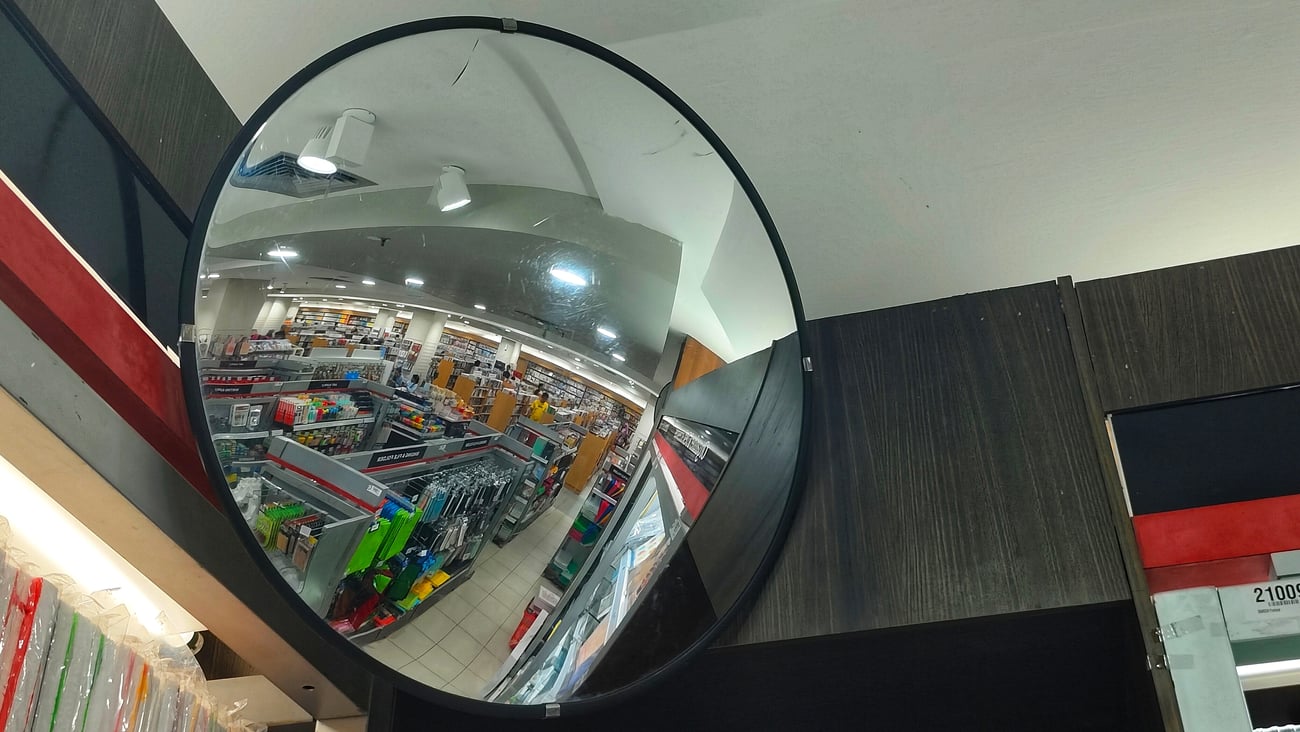
- Use cameras to deter thefts. Aim them on the door and on the cooler(s) that contain the alcohol.
- Use signage to set expectations for customers before they enter. Examples:
- We ID
- We won’t tolerate abuse towards our staff
- We stop selling alcohol at XX pm
- This store is under video surveillance
- Consider stopping alcohol sales early. The AGCO permits convenience stores to sell alcohol from 7 a.m. to 11 p.m., but you can always choose to close your alcohol section earlier if you determine that risks to staff are greater at night.
- Have two staff members working during the hours you sell alcohol. A person working alone is much more vulnerable to theft, violence and harassment. If you can’t have more than one person working at a time, it is essential to have a check-in plan for the lone worker.
- Train staff. In addition to the mandatory AGCO-approved training course (Smart Serve), consider educating your staff on the following:
- De-escalation techniques for dealing with abusive or aggressive customers. These include being calm, respectful and non-confrontational, being empathetic, letting the person speak and maintaining a safe distance.
- How to be courteous and polite when refusing service or if a customer is irritated about showing ID or being refused a purchase due to inebriation. For example, “I’m sorry, I can’t serve you today, but please come back tomorrow.” If the customer persists, use de-escalation techniques or call a manager or the store owner for assistance.
- Never block or confront a thief. Instead, get a description and call the police. Trying to stop a theft is how people get injured or killed.
- Put emergency plans in place and practice them with staff. It can be hard to think clearly in dangerous situations. Have a plan in place so that everyone knows and understands what to do, who they can turn to for immediate assistance, where to go to protect themselves if the situation becomes dangerous and how to report incidents.
Free Resources
- Violence & Harassment Roles and Responsibilities
- Workplace Violence and Harassment Toolbox - Information, tools and assessments to help employers identify hazards and risks related to violence and harassment.
- Understand the law on workplace violence and harassment (Ontario.ca)
- Selling Alcohol: Convenience and Grocery Stores (Alcohol and Gaming Commission of Ontario)
- Employee Violence Risk Assessment Questionnaire
- Workplace Violence & Harassment Awareness (Free eCourse, 40 minutes)
- Small Biz Safety Podcast Episode 32 | Retail theft is on the rise - Is your small business prepared?
- De-escalating high-stress situations at work: 4 stages to aggression, 4 responses
- Small Business: Workplace Violence and Harassment (video)
- Health & safety at a distance: how to keep lone workers safe (article)