Fresh innovations in foodservice equipment
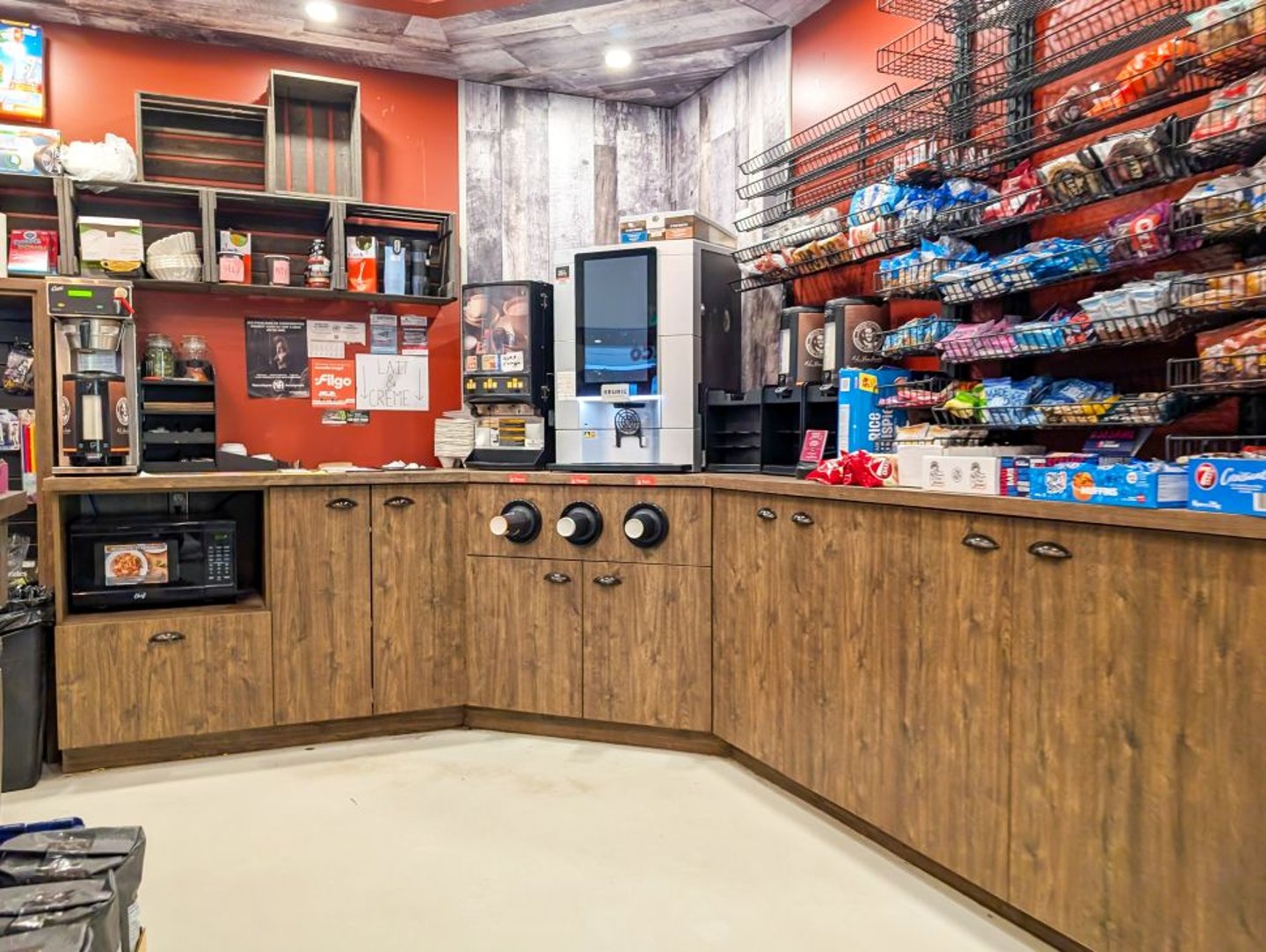
More than half of shoppers report buying prepared food at a convenience store about twice a month, according to the 2025 C-store IQ National Shopper Study. So, it’s no surprise everyone from mom-and-pop shops to large c-store chains want to capitalize on this market, with about 30% of Canada’s c-stores now offering fresh food options and more jumping on board, as retailers look for ways to carve their unique niche, drive foot traffic and increase the bottom line.
Of course, most c-stores don’t have the luxury of a large kitchen with multiple full-time foodservice employees. As retailers look to stand out in the market, they’re investing in smart foodservice equipment that improves how they provide high-quality food offerings while reducing labour costs.
Must-have equipment
“There are two categories that are proven winners in the c-store channel—frozen carbonated beverages and coffee,” says Judi Saliba, a senior sales executive at TFI Canada.
“TFI represents both Taylor—for FCB—and Franke for specialty coffee. The Taylor Model 349C has the largest FCB presence in Canada and is the supplier of choice for c-store chains. Franke has broad distribution across both c-stores and QSR operators in Canada.”
Jorge Cabral, business development and project manager for Nella, adds that every operator providing foodservice needs the basics.
“Reliable refrigeration is number one, either for storage, merchandising or grab-and-go, which is an important role right now in convenience stores as more and more move into foodservice,” he says.
Good holding equipment should also top c-store retailers’ lists, because it facilitates the ability to batch cook, decreasing the need for more employees during busy times. Some models keep food fresh and crisp through targeted airflow that also reduces moisture loss.
For Peter Lombardi, vice-president of merchandising and purchasing for Hasty Markets Corp., a grab-and-go stand-up counter and a grab-and-go heated stand-up counter are essential.
“We primarily deal with one vendor on our home-meal replacements (HMR) equipment, and we don’t have the same equipment requirements as Circle K, which has hot dog spinners and pizza warmers,” he explains. “We’re more into the healthy food avenue where we offer sandwiches, salads, wraps and fresh-cut produce that consumers are looking for.”
Other essential foodservice equipment includes durable, high-performing cold storage units—such as walk-in or open refrigerated coolers or freezers—hot and cold beverage dispensers, and hot or cold grab-and-go cases that protect the food from prep to purchase.
READ: Couche-Tard to focus on foodservice, beverage alcohol to drive sales in the coming years

Improved functionality, user-friendly interfaces and automation
Cabral is seeing lots of smart, versatile equipment like ovens that can be programmed remotely, and refrigeration that alerts staff if there's a problem.
“It will even alert the manufacturers so they can send the service guys directly to check the problem on the unit without even calling them,” he says. “We’re also seeing innovation in hot holding equipment, which keeps food fresher for longer without compromising the quality of the food.”
Saliba calls the Franke A1000 Flex a game-changer. “It offers freshly ground and brewed espresso-based beverages and features a cold-water bypass for iced beverages—the fastest growing segment in the coffee category,” she notes. “Franke also offers bean-to-cup equipment for brewed coffee. Our specialists at TFI pre-program the equipment to the operator’s specifications to ensure every beverage is consistent with the flavour profile they have determined their consumers want.”
New technologies have also enhanced high-speed ovens so retailers can make higher-quality made-to-order menu items faster, while touch-screen panels allow operators to program fryers, combi-ovens and holding cabinets to regulate temperatures. Some automated control panels also let c-store operators know when to clean equipment.
Smart investments for easier operations
With increasing labour costs, c-store foodservice programs need equipment that minimizes the need for specific staff like a trained chef. It’s also important to purchase equipment that’s easy to maintain and clean.
Saliba notes that the Franke suite of coffee equipment offers medium to high-capacity fully automatic equipment to address every market’s requirement, while Cabral says big chains are constantly investing in newer equipment.
“But I’ve also seen a change with independent operators, who are looking for reliable refrigeration with a solid warranty. It’s a smart investment for them,” he adds. “Nowadays, we have companies that offer up to seven years of warranty or even extended warranties.”
Cabral notes that big chains are also investing in automation and connected equipment so they can track, reduce labour costs and handle higher volumes
“Things like self-monitoring refrigeration or versatile units like combi-ovens that can handle volume but are also smart ovens can help reduce labour costs,” he explains. “On the independent side, smaller operators are focusing more on durability and flexibility—especially if they’re gradually getting into foodservice. They’re investing in ventless ovens because they let a c-store make pizzas or sandwiches without investing in a full kitchen renovation.”

Lombardi’s team went that route as well.
“We’re using a ventless oven right now to do the majority of our HMR cooking—to barbecue our chickens, cook our vegetables and warm up our lasagnas,” he says, adding that going ventless saves on capital expenditures. Some ventless options are small enough to leave on a countertop.
Changes in displays and packaging
“I think COVID gave us a lesson, and c-stores have shifted to prioritize safety and speed—grab-and-go pullers with steel doors, sneeze guards and compact merchandise are more common. Operators are looking for food that looks appealing but is also well protected,” says Cabral.
“Packaging is evolving as well; the trend right now is to avoid plastics. I was looking at a company that is making all disposables—forks, knives and cups—from agave plants. So, once they use the agave after the tequila is made, they will use all the rest to make disposable cutlery.”
Lombardi agrees that packaging has improved dramatically. “It’s more consumer-friendly and consumer driven—a one-step package so they can take it, bring it home and warm it up,” he says. “The one-use packaging has been a dramatic change for us.
Streamlined training is part of the package
Once operators invest in big equipment, staff will need training, and Cabral says today’s smart easy-to-use products—with features like automatic shut-off and removable hot dog grill rollers for simpler cleaning—make that step easier.
“Our manufacturers provide training sessions to help customers get the most out of their equipment; the key is to keep training simple so even with high staff turnover, employees can use the equipment effectively and consistently,” he explains.
Some companies may offer a library of videos, classroom-style teachings or hands-on training. Control panels that include images or icons with their interfaces also help train employees.
“Every piece of equipment TFI installs includes on-site operator training,” notes Saliba.
Delivering a better customer experience begins with purchasing reliable, user-friendly equipment that helps operators create menu items quickly while providing top-notch cooking quality.
Growth Potential
Foodservice is a cornerstone for corner stores in the U.S., where food accounted for 27.7% of in-store sales last year, according to the NACS State of the Industry Report of 2024 Data.
A 2023 NACS report showed this profitable category offers margins averaging 51%. For some stores, foodservice profits might make up to 37% of total in-store revenue.
In Canada, the number of c-stores offering fresh food is steadily increasing, with 30.5% of retailers featuring foodservice, according to data from Kalibrate.