Ottawa wins Federal Court appeal allowing single-use plastics ban to stand
The federal government scored a win at the Federal Court of Appeal on Friday, which upheld its 2021 decision to list "plastic manufactured items" as toxic, and ultimately led to a ban on several types of single-use plastics.
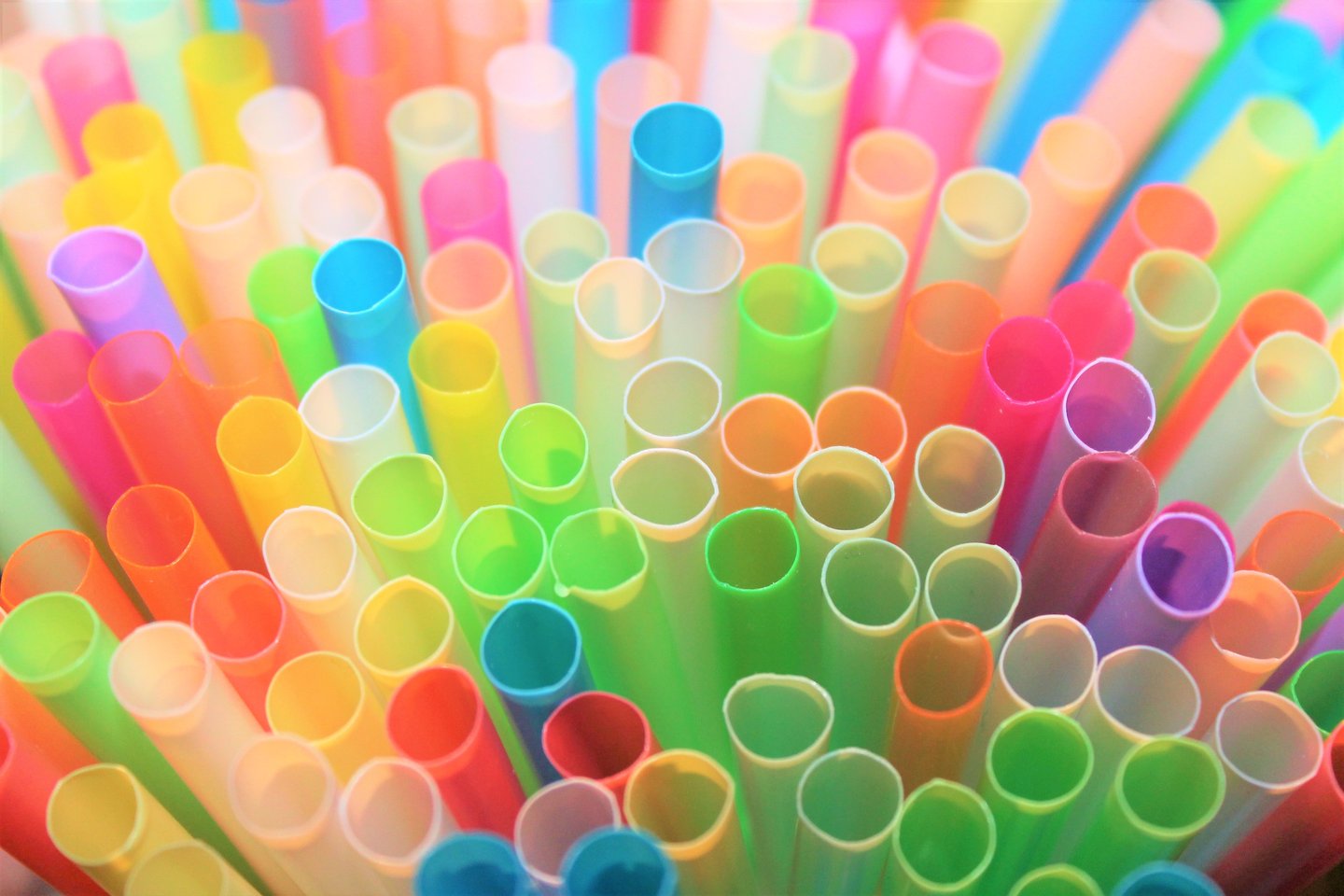
Friday's ruling means Canada can keep its single-use plastics ban in place, which currently affects six items including straws, grocery bags, stir sticks and the six-pack rings used to hold soda and beer cans.
The government said at the time it chose those items because they were among the most commonly found litter and had known and accessible alternatives.
Observers say Friday's decision from the Federal Court of Appeal now paves the way for the Liberal government to expand the prohibition to other types of single-use plastic items.
The initial decision to list plastics as toxic was challenged by a group representing companies from Canada's plastics industry, along with three chemical companies which manufacture plastics.
Ottawa used that initial toxic designation as the foundation to regulate the use of single-use plastics in 2022, as part of a two-step process.
In 2023, the Federal Court sided with the companies, ruling Ottawa had overstepped in designating all "plastic manufactured items" as toxic, in part because plastics were not a "substance" according to the Environmental Protection Act and the designation was too broad.
READ: Federal Court quashes cabinet order underlying single use plastics ban
The Court of Appeal ruled on Friday that was a mistake, because the Federal Court's decision was predicated on an "incorrect premise." The Federal Court, the appellant judges ruled, broke down the government's two-step process into a single step.
"This misunderstanding of the scheme lead the Federal Court to reason that because not all plastics enter the environment, not all plastics cause harm," wrote Justice Donald J. Rennie, with support from Justices George R. Lock and Sylvie E. Roussel, in ruling Ottawa's decision to list plastic manufactured items as toxic was reasonable.
Consequently, the judges ruled, the Federal Court required "the specific identification of the particular plastics that enter the environment, and that only those particular plastics be listed" in the order designating plastics as toxic.
But, the appellate judges ruled, the government didn't have to list particular plastics when designating plastics overall as toxic under the act and thus the Federal Court erred in that respect when determining the designation was unreasonable.
The Court of Appeal did say the government needed to list certain plastics in regulating how they're used—which the government did eventually do a year later in banning the half-dozen single-use plastics. But that second step was not what was at issue in Federal Court, only the first step in listing plastics overall as being toxic.
In challenging the decision, the plastics industry also argued there was a lack of testing to determine precisely which plastics caused harm, and to what degree, which made Ottawa's decision unreasonable.
The Court of Appeal dismissed that argument, too.
"To put the matter bluntly … the chemical content of (plastics) is irrelevant to the sea otter choking on a plastic straw. The problem is the plastic item itself, not its chemistry," the judges wrote.
The judges also wrote the law only requires the "potential to cause harm" in order to list something as being toxic under the act.
"On this point, as we shall see, the evidence before (the government) was unequivocal," the ruling reads.
In initially determining the government's decision to list plastic products was unreasonable, the Federal Court noted that only one per cent of plastics products enter the environment each year — another argument brought forward by the plastics companies.
Because the Federal Court focused on the percentage, rather than the actual amount, it moved the goalposts in weighing whether Ottawa's decision was reasonable, the three-judge panel ruled.
"A court cannot redefine the problem before the decision maker to its own liking and then, on those judicially constructed criteria, find it unreasonable," the appellant judges wrote.
The Court of Appeal said the one per cent figure was not the problem the government was trying to address, rather that one per cent represented 29 kilotonnes of plastic annually.
"If 1% (or 29 kilotonnes) is not enough to make the listing reasonable, at what percentage does it, in fact, become reasonable—10, 25, 60%?," the judges wrote.
They noted it's not up to courts to judge the science behind a decision, rather whether the decision was reasonable given the law and evidence the government used to make it.
Karen Wirsig, the senior program manager for plastics at Environment Defence, said Friday's decision was a relief.
"This vindicates what we've been thinking for five years now, that, of course, the federal government had every reason and every right to list plastic manufactured items as a toxic substance," Wirsig told The Canadian Press.
Wirsig said her group will be urging the government to strengthen and expand on its single-use plastics ban.
"What we keep hearing from everybody is why is there so much plastic in the grocery store and so much packaging that doesn't seem necessary," she said.
The federal Conservatives were quick to weigh in on the decision Friday.
"Today’s court decision will continue to force the Liberals’ unscientific plastics ban on Canadians, making life more expensive for everyone," said Ellis Ross, the Conservative party's environment critic.
"Conservatives will continue to stand up against Liberal policies and taxes that turn basics into luxuries, and fight for an affordable Canada."