Private labels driving profits at c-stores

One of the fastest growing category segments for c-store operations is private label products.
According to a report from Technavio, the private label food and beverage market is expected to increase by US$204.6 billion at a CAGR of 6.9% between 2024 and 2029.
“The private label food and beverage market encompasses a diverse range of products sold under the brand names of retailers rather than recognized manufacturers. This market segment includes offerings from convenience stores, dollar stores, general merchandise retailers, department stores, e-retailers, and others,” the report states.
Private label products have several advantages for retailers, especially c-stores. One is that private label products help retailers build brand loyalty amongst customers. Over time, customers develop a strong attachment to a retailer’s private brand and its products, and doing so will drive more sales to the store. Also, private labels are an excellent market tool for many retailers, reinforcing the store’s identity. One only must look at the success of grocer private label brands, such as those by Loblaw or Sobeys.
“Retailers know that growing their customer base is rooted in the identity they create with their store brands,” says Steve Zurek, vice-president, advanced analytics and thought leadership with NielsenIQ. “We know that customers select a retailer based on their store brands.”
C-store retailers have over time expanded their offering under their private label brands. Where it was common to find a few items – snacks, chocolate, drinks such as water – under a private label, today one will find a wider range of foods, meals and offerings.
Technavio finds such non-GMO, organic, and gluten-free offerings coming under private label, including categories covering soups, coffee, ice cream, yogurt, chocolate, tea, meat, condiments, sauces, dressings and bakery products.
READ: Consumers turning in greater numbers to c-stores for their foodservice offerings

Leslie Gordon, director of proprietary brands, Circle K says the expansion of what is now offered under private labels is largely driven by the increasing trust that people have developed both the private labels but also with the retailers offering them.
“There is a trust now out there today around private labels and the products under them that perhaps 10-15 years ago were not there,” she says. “Now, private labels and the products are positioned as equal to or even superior to national brand products.”
Not only that, with certain categories, there is a push to make private label versions even more interesting and desirable for customers. Gordon gives the example of chocolate treats. While Circle K has a range of traditional chocolate treat offerings, in the near future there will be flavours and offerings that will give Circle K customers more choices.
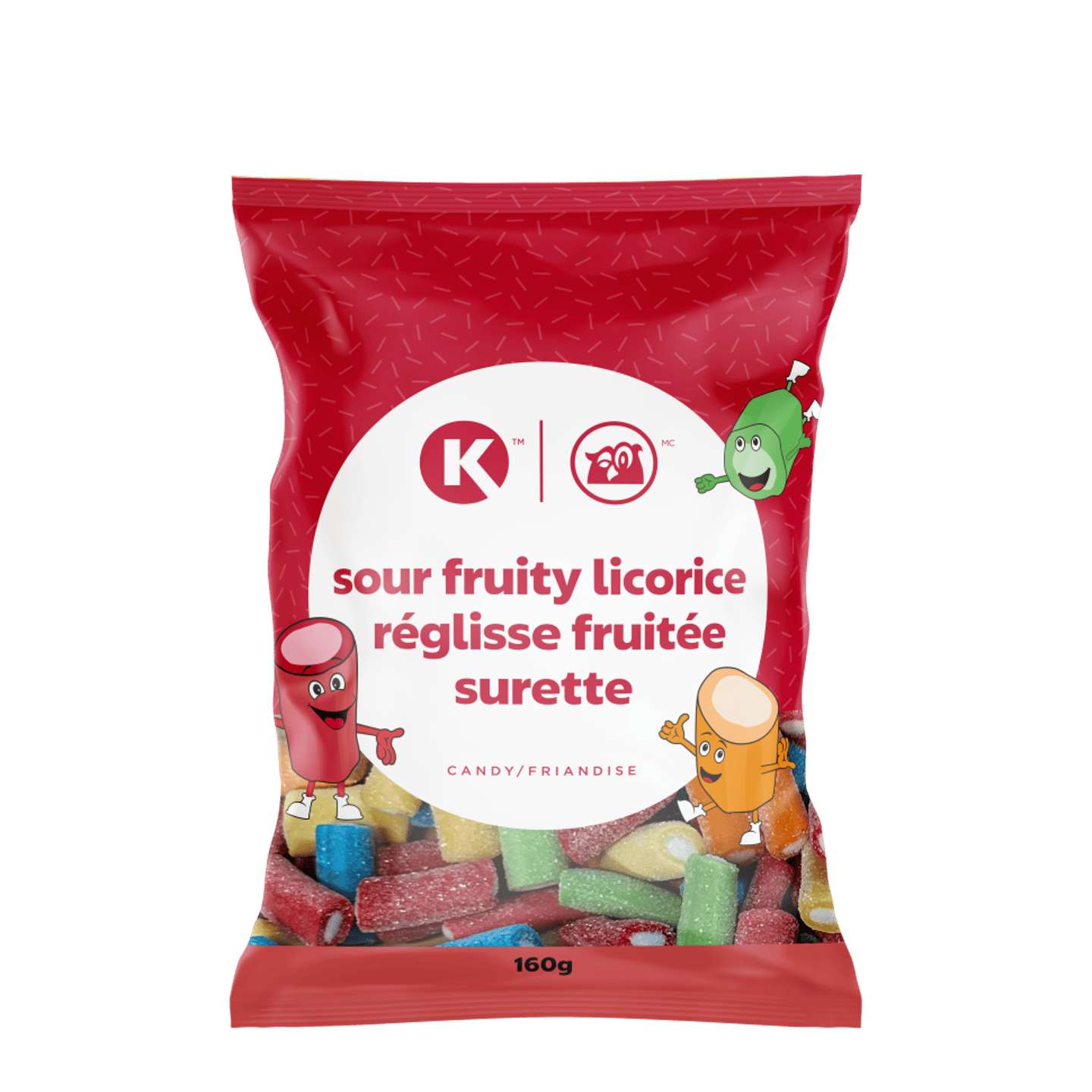
And it won’t stop at chocolates. Potato chips and licorice offerings will be expanded as she hinted that more are on the way in the coming year and into next.
Couche-Tard in its most recent financial reporting placed a strong emphasis on expanding its private label offering across North America, expanding the number of SKU significantly.
“We continue to see customers looking for [private label] and we see it as a healthy growth area with plenty of opportunities for it to grow,” said president and CEO Alex Miller. “We are going to make sure to grow this category and we are looking to expand not only the number of SKUs there, but to make sure that we are presenting the right mix of products within that segment. We plan to add at least 100 SKUs in the coming months and will continue to add more.”
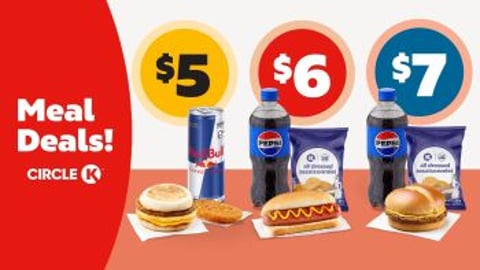
One reason for this push is that today’s consumers are turning in greater numbers to c-stores like Circle K to stretch their dollars when it comes to foods, drinks, snacks and meals. They see c-stores like Circle K and their private label offerings to not only stretch food budgets but to do so while not sacrificing quality or convenience.
Gordon adds that private labels will soon expand beyond just foods, drinks and meals, to include electronic items such as charging cables, for example.
“We know that our customers are on the go and that their phones may die on them and will need to quickly find a power pack or even charging cable,” she says. “You will find that we have them and similar general merchandise items such as batteries that customers may need. Because many of our stores are open 24-hours, we will be a place you can come into and get such items in a pinch. We’re going to be offering them under a private label.”