Sustainability in convenience retail: Ethical and profitable

Sustainability may seem like a buzzword to get customers to spend more for products, but it is a business practice that you need to take seriously. More and more, consumers are making decisions solely based off the business’ ethical practices.
Sustainability in convenience retail is not just ethical, but it can affect the profitability of your business as well. For instance, implementing automated software to track sales and reduce unneeded inventory spending can not only cut purchasing costs for the convenience retailer but can limit the amount of food wasted. Lars Kvale from environmental tech company GreenPoint points out that “in a convenience store, for example, 95% of their greenhouse gas emissions are likely to come from the products on the shelves but they have little control over how they are packaged.”[1]
Many brands are in the process of reducing their packaging and/or making it recyclable/reusable, but convenience inventory buyers can still reduce their footprint by ordering less overstock through predictive analytics.
In a recent edition, we identified 4 key themes impacting retail:
- Extreme Convenience, the elimination of barriers to shopping (e.g., product availability, shipping times, customer service);
- Extreme Experience, which focuses on creating a connection between the brand and consumer, but not just through product;
- Sustainable Practices, brands with purpose doing good for the earth and its humans, and
- Omni-Integration, the coalescence of online and offline retail channels
This month we are taking a closer look at some interesting retailers demonstrating sustainable practices in the convenience industry. These brands are a sneak peek of some of the retailers that will be featured in our 2022 edition of Global Retail Trends & Innovations:
[1] Lars Kvale, GreenPoint, environmental tech company aimed at helping brands become more sustainable, https://www.globalconveniencestorefocus.co.uk/features/sustainability-is-opportunity-for-differentiation-in-convenience-and-forecourt-retail/%3C/span%3E%3C/a%3E%3C/span%3E%3C/span%3E%3C/span%3E%3C/p%3E
Too Good To Go
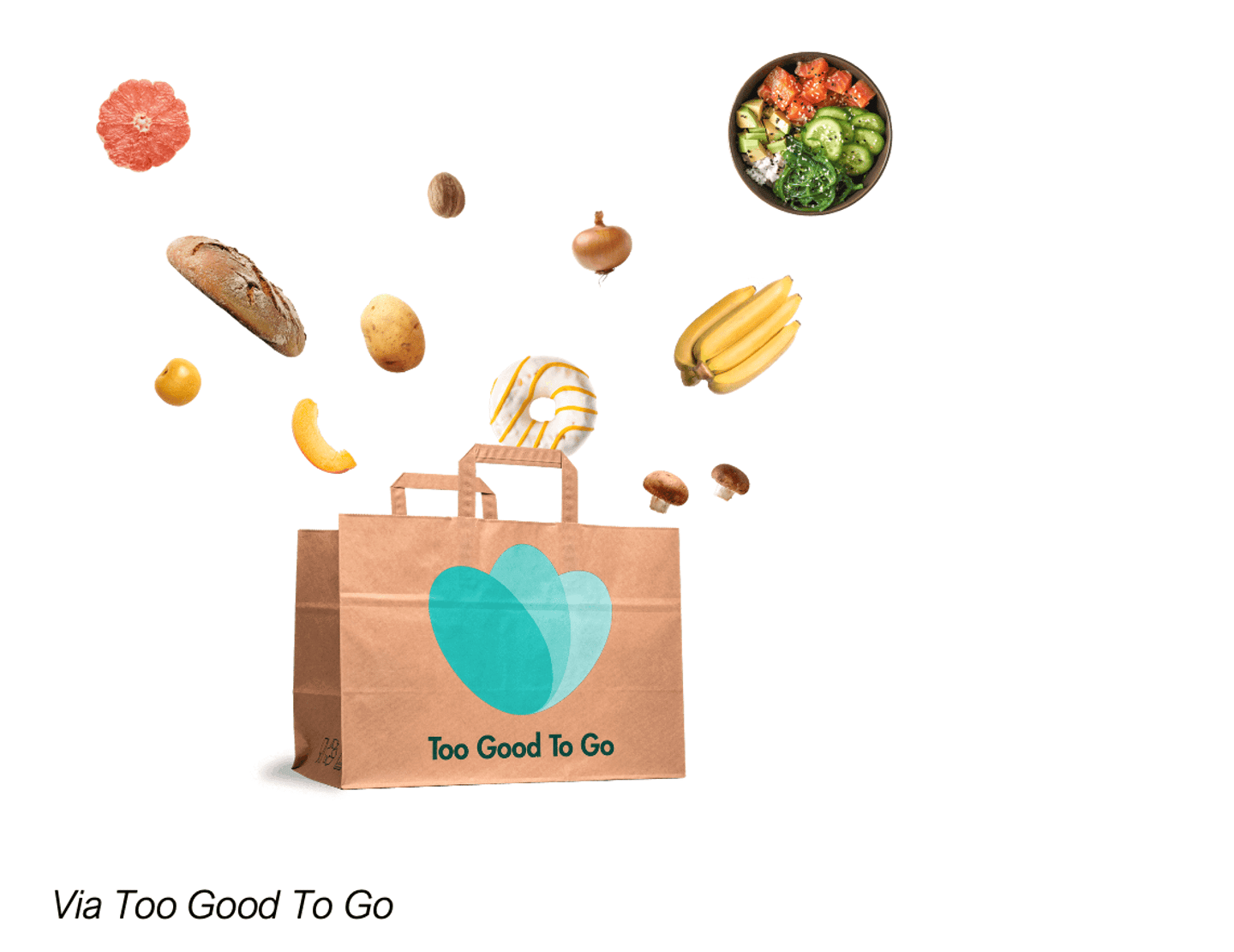
Created in Denmark in 2015, Too Good To Go is now available in the Canadian market. The mobile application helps businesses (like convenience stores) sell products that would otherwise have to be thrown out.
Rather than throwing out the product simply because it is close to its best before date, stores can create “surprise bags” of the food that is about to not be saleable to customers at a reduced rate. Bags will typically be over 50% off the retail price, which is very appealing to app users, and can also help improve the diets of low-income families to include more fresh foods. This not only reduces food waste but can help convenience retailers one last chance to at least cover the cost of their inventory rather than losing it.
Mercato Itinerante
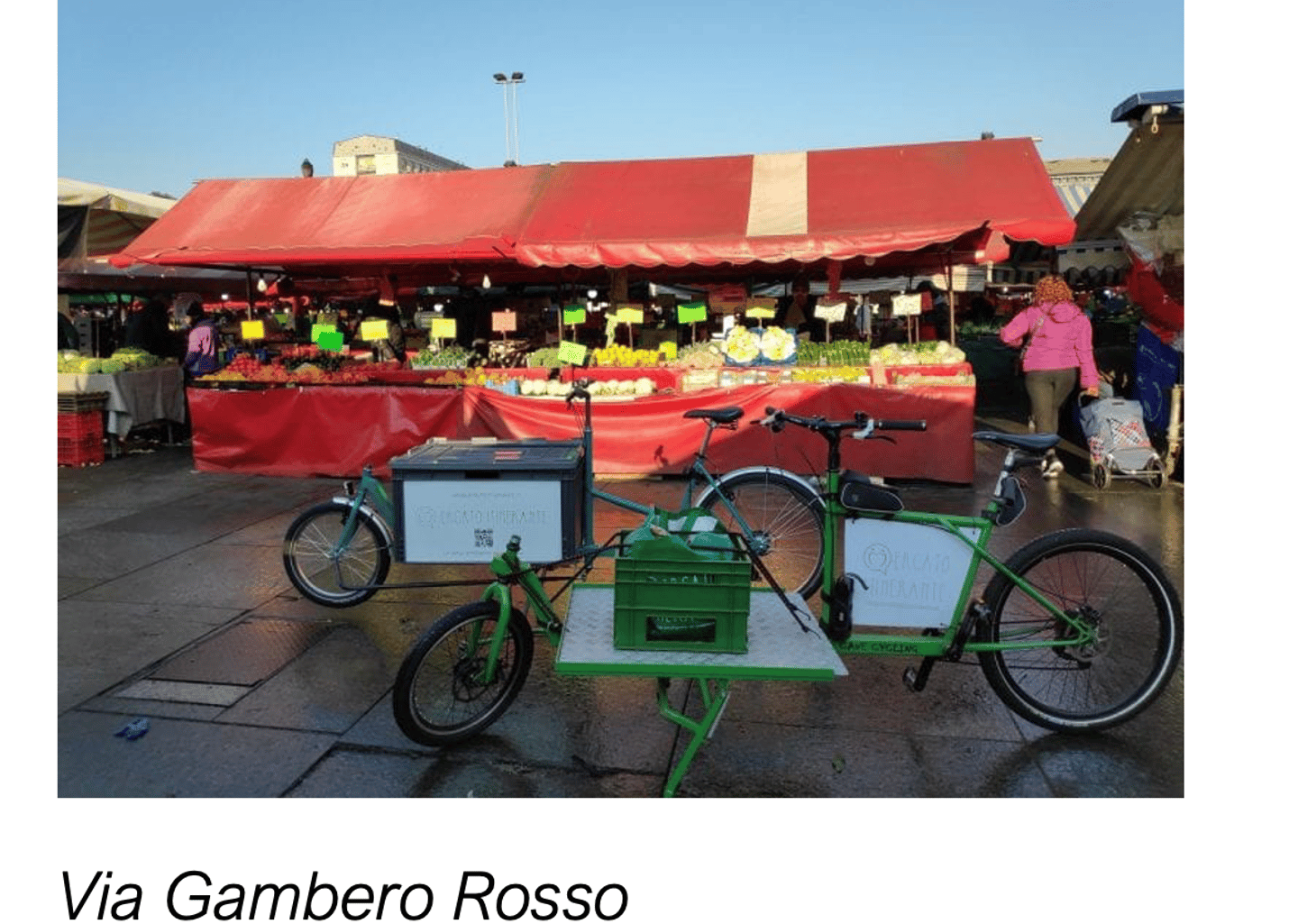
This startup in Torino, Italy delivers fresh products from the local market online using bike messengers. You simply order your food online, and when the farmers meet at the market, the messengers pick up all your products and deliver them to you. There is limited packaging in an effort to be more sustainable, and there are no fossil fuels being burned for delivery. Customers can get fresh products from the market without having to go to the middle of town for a small service fee and helps keep the local farmers profitable which also adds to the sustainability of smaller farming practices.
Offering a similar delivery program for a convenience store could dramatically increase the service radius of a given location and depending on the hours the service can be offered at could fill a niche for delivered late-night snacks that currently remains empty.
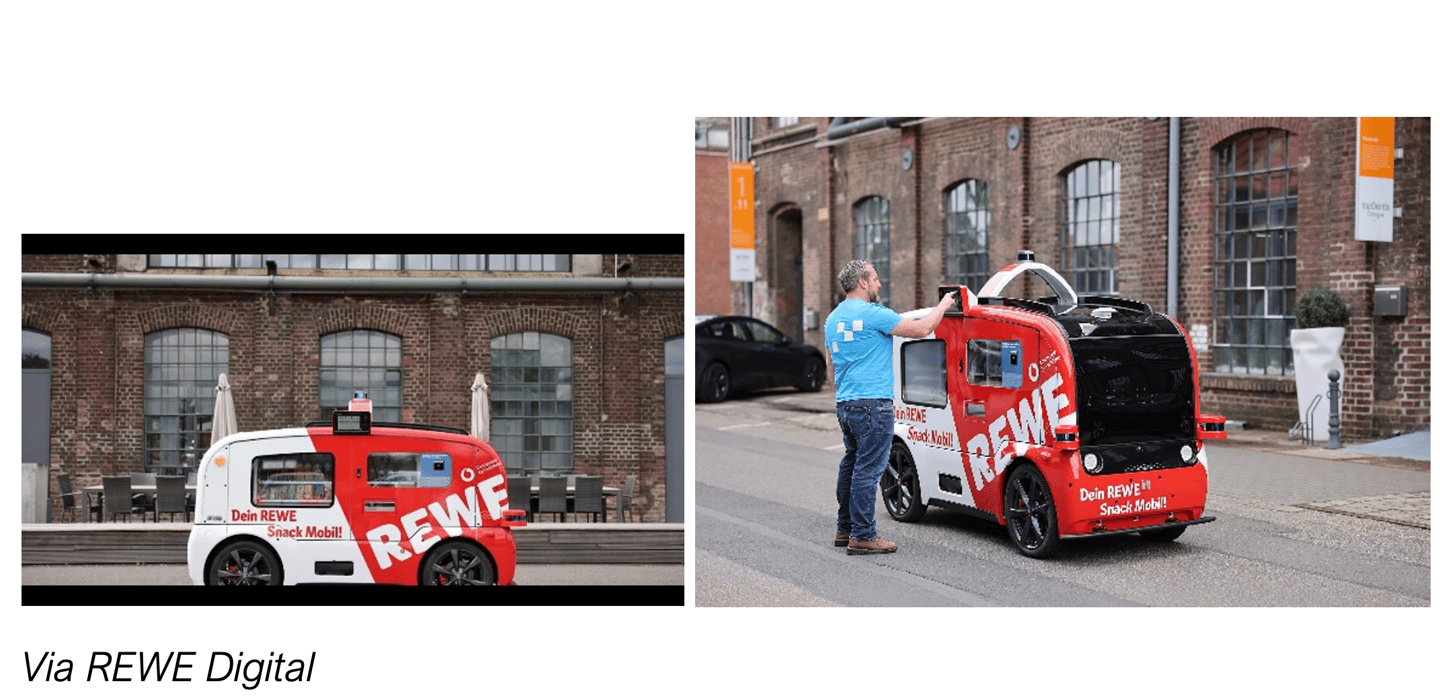
REWE Snack Car
The first of its kind in Europe, REWE Digital created a snack car for busy convenience shoppers in Germany. This driverless electric vending machine car drives around business parks from 10:00am – 4:00pm and can be stopped by waving at the vehicle. The “Snack Mobil” also has an app that can be used to track the car. Rather than needing to find the nearest convenience store, the convenience store finds you.
The small size and curated selection of snacks reduces its footprint yet still services a relatively large area. The model could be expanded to offer other products popular at convenience stores, with the brick-and-mortar store acting as the distribution centre for restocks
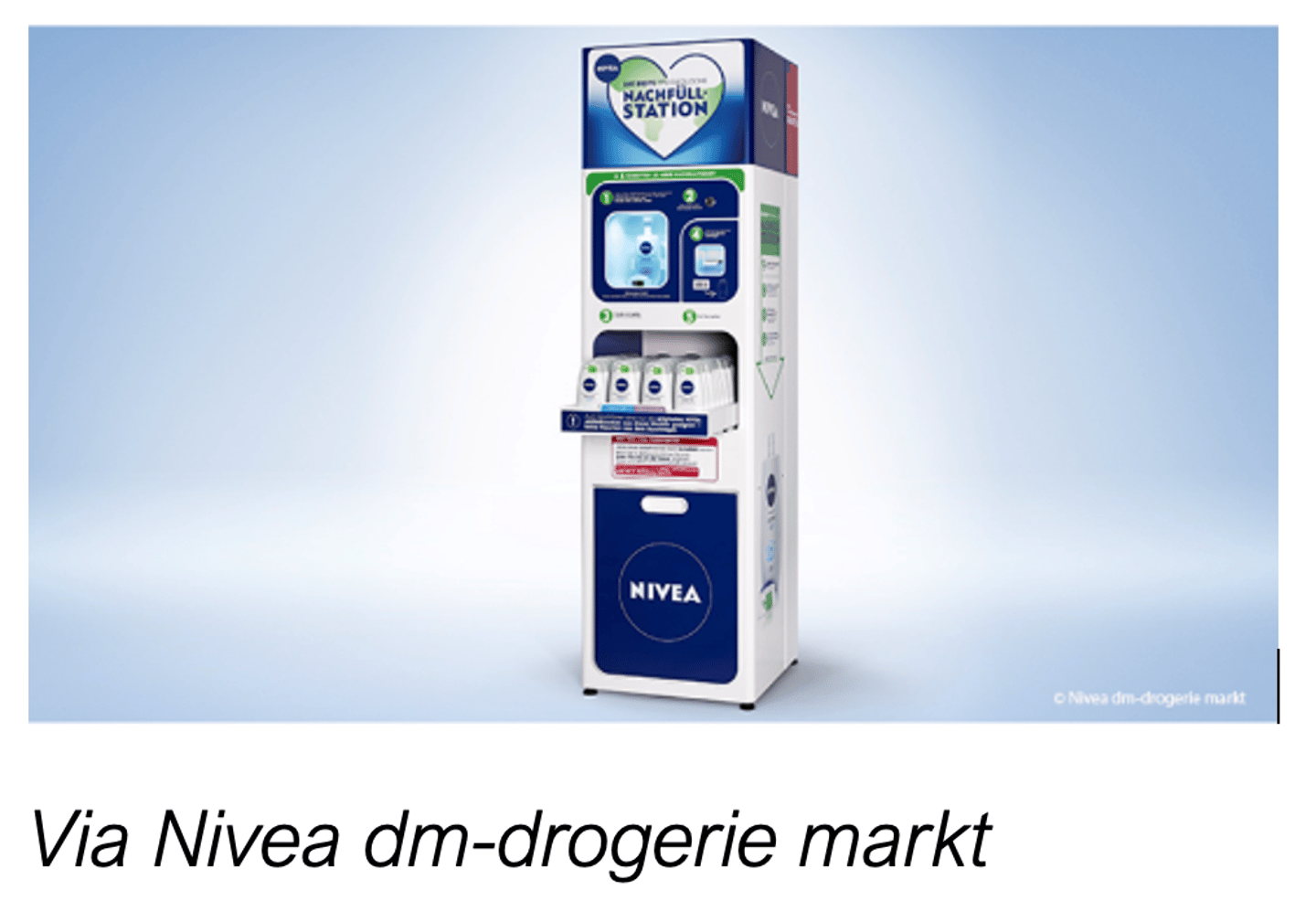
DM Refilling Station
DM Drogerie Markt in Germany has partnered with Nivea to develop kiosks that allow customers to refill cosmetics bottles, rather than buying more packaging. Customers insert their old bottles, pay, and the kiosks will refill them. Their small footprint means the kiosks are flexible in their placement and would be easy to implement in existing convenience store locations.
Partnering with suppliers that sell similarly packaged consumable products that are offered at convenience stores would dramatically reduce the environmental impact and cost for both parties, and an unstaffed “mini-store” that acts as a hub for several kiosks might be a model to consider depending on your customer base.
Final word
These may not be trends that you think of when looking at convenience retail, but sustainability is a necessity when looking into the future of retail and the world. It is not just a clever marketing tool to get customers to spend more on “green” products, but it can also affect your bottom line with things like waste reduction thanks to predictive analytics. With customers wary of the impact that major corporations are having on the planet, convenience stores are poised to make a difference.
To read about more Sustainable retail concepts, download your free copy of our Global Retail Trends and Innovations 2021 HERE. Stay tuned for our 2022 Global Retail Innovations book coming early next year at our website www.JCWG.com.