Winter is here. Is your car wash ready for the cold months ahead?

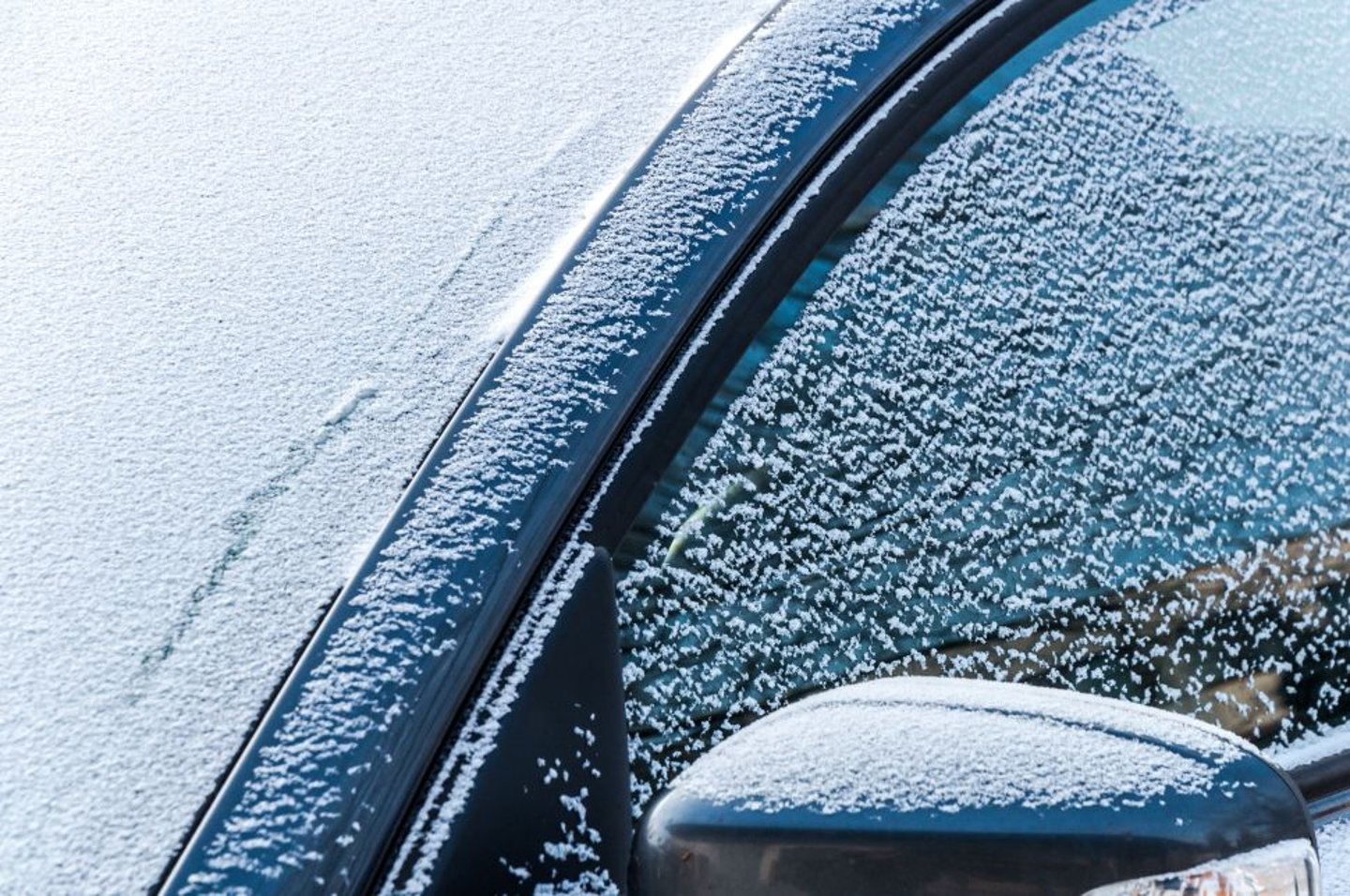
Winter is the high-demand season for car wash operators and, unfortunately, also the time when problems are most likely to arise— from equipment breakdowns to staff injuries.
When preparing for the winter months, two simple steps make the difference: preparation and training. Both should happen regularly, but operators need to start early, well before the weather turns cold and the first snowfall begins.
Regular inspections
Matt Verity of Matt Verity Consulting says operators should start their winter prep with a thorough inspection of all equipment. Timing depends on the region, but the key is to begin before winter hits.
The inspections are to help find equipment that is starting to show signs of wear and replace any parts, as well as to start prepping equipment for the colder months. Left unchecked, equipment failure can shut a car wash down for days.
“One thing you really need to do is inspect your doors and check the seals before winter comes,” says Verity. “You need to do a complete inspection of the systems that operate the doors at the entrance and exit of your tunnel, checking and lubricating the tracks and having a close look at the seals on the doors, and even checking the air exchange systems around them to ensure moisture has no time to build up on the doors during their operation over the winter.”
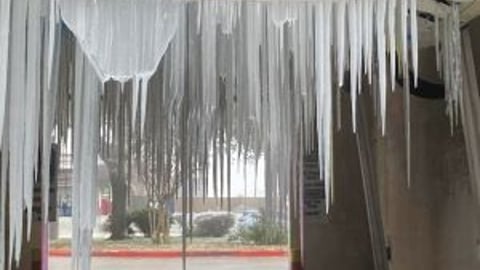
Doing so can help prevent ice buildup that damages tracks and allows freezing air into the tunnel. If undetected, say at an automated car wash tunnel operation, after a cold snap a car wash operator could find their tunnel looking like a landscape in Canada’s Arctic.
“You could also have a bigger problem and that is all the equipment in the tunnel could freeze and you could have blown lines, damaged pumps and other equipment damage,” Verity says.
Ayaaz Jamal, president of British Columbia-based Express Auto Wash, says inspections of systems and equipment is something his team does on a regular basis year-round, and he believes that all car wash operations should have in place a systemic maintenance and inspection program for their operations.
Deep cleaning
“When winter comes, we do such things as put anti-freeze in our mat washers that are outside so that nothing freezes inside them. And inside the tunnel, we carefully inspect all the water lines and seals to make sure nothing is damaged, and check other building seals to ensure there is no unwanted moisture build-up inside the tunnel and on the tunnel’s equipment,” he adds. “Before the winter season begins, we do a deep clean of all equipment so that everything is in tip-top shape. And during winter we inspect the brushes and other systems to catch problems right away, checking things every day and at the end of operation.”
Jamal adds car wash operators should also do end-of-day inspections and cleaning of their tunnels to make sure that salt, dirt and other debris that vehicles track into the car wash is removed before it can get into and damage systems.
“We make sure that every evening we spend three to four hours cleaning everything.”
Travis Braithwaite, COO with Alberta-based ClearWater CarWash, also champions regular inspections of equipment, such as the conveyors and rollers. In addition, he promotes regular cleaning of water reclamation systems to flush out sand and debris that accumulates in the system, thereby ensuring clean water is always available to wash cars.
Braithwaite adds that it’s essential to make sure all the wash soaps and chemicals are formulated for winter, thereby ensuring that vehicles are thoroughly cleaned, dry and shining when they leave.
Verity says that when it comes to using the right chemicals and cleaners for winter, he recommends car wash operators reach out to the suppliers for assistance.
“There is an unbelievable amount of knowledge out there that you can get from your service providers, equipment providers and chemical providers,” he adds. “You can talk with your chemical providers to help with your seasonal changeover, to assist you in having the right chemicals for use and even providing you with training and a checklist that you can follow instead of trying to guess what to do. I strongly recommend collaborating with your partners.”
Protecting staff
It’s not just about protecting equipment in the winter months—staff safety is just as critical. Winter brings extra challenges for employees working in cold, wet conditions.
Denise Lam, account manager - small business Ontario, Workplace Safety & Prevention Services, says staff need training to work effectively in winter and understand how to protect themselves.
“When we are getting ready for winter, training of your staff should begin before the winter months,” Lam says. “It is important for them to understand what it will be like to work during the winter such as what kind of clothing to wear, how to manage slips and fall and what everyone’s responsibilities will be while working onsite.”
Lam also says that car wash operators need to speak to staff about proper clothing for winter. While some operators may not have a budget for winter uniforms, she encourages operators to produce guidelines for what kind of clothing is appropriate and help in what ways they can to ensure the staff has that clothing.
Lam adds that what is also critical is to create a checklist for steps to be taken if a problem arises, such as persons to contact if equipment breaks down or what to do if the weather turns and makes it too dangerous for staff to open and operate the car wash.
“People need to know what to do if there is an equipment failure, or if there is a power outage because of a snowstorm, as there will be a snowstorm, who will make the decision to shut down when the snowstorm comes and how to contact them, or who will make the decision not to open if a major storm is coming and how are they to reach everyone to let them know,” Lam says.
Daily routines should also include clearing snow and ice from entrances; salting and sanding high-traffic areas; and ensuring customers and staff have safe access to the car wash, as well as the forecourt pumps and convenience store.
This feature first appeared in the November-December issue of Octane.