Card stock: How gift cards drive repeat business into the c-store

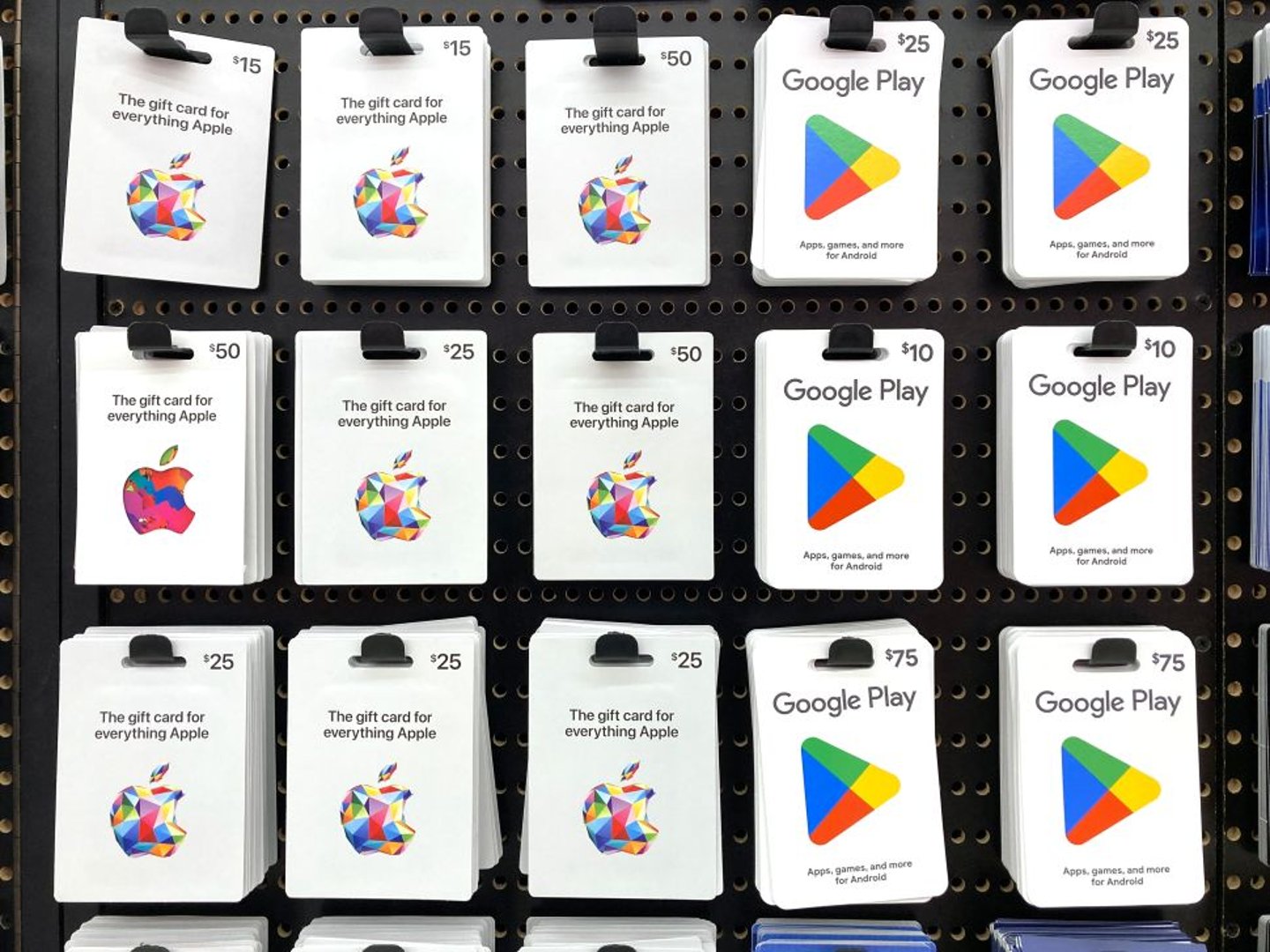
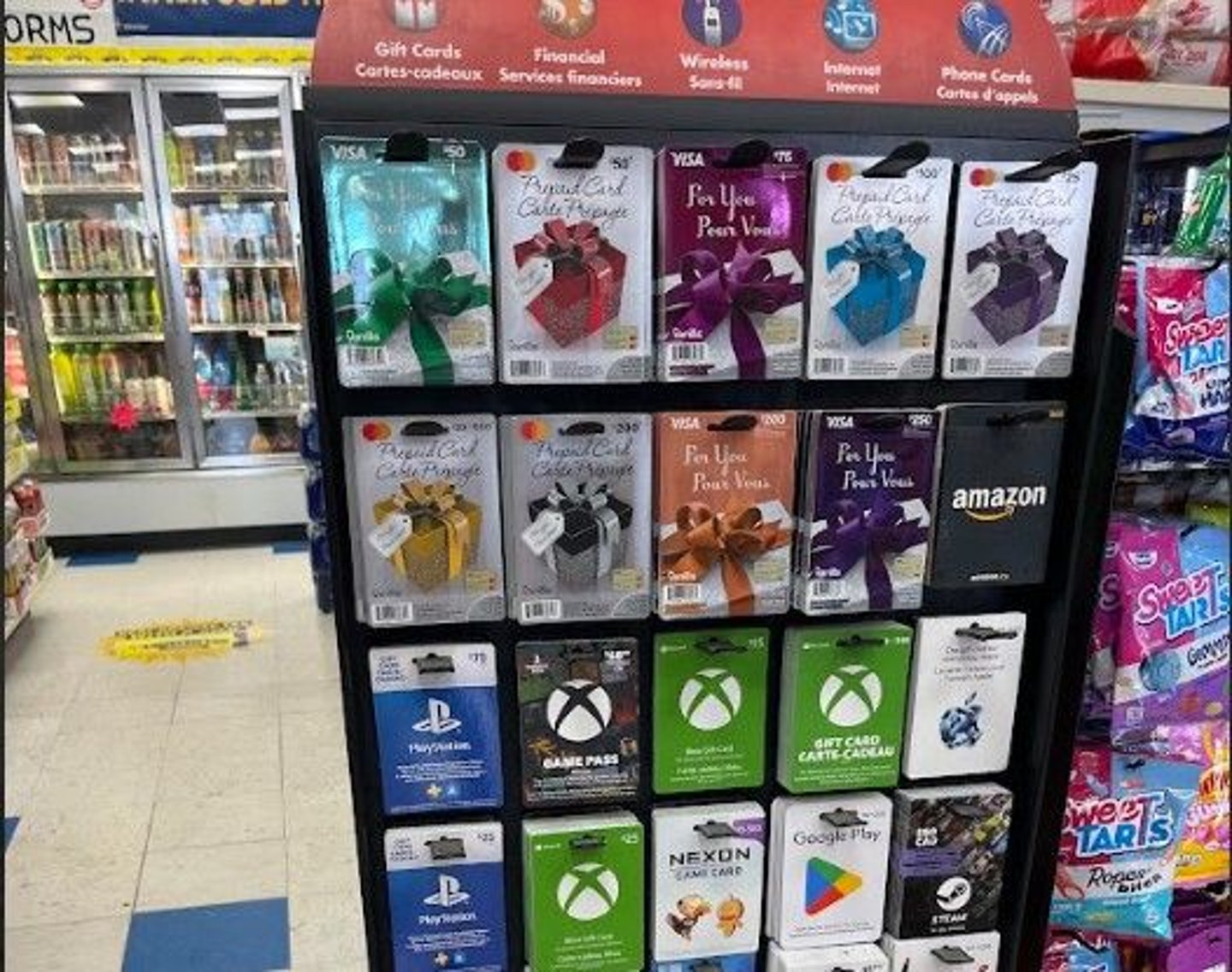
It’s not what you’d expect to find near the front counter at a small-town convenience store: a full rack of gift cards from big brands like Amazon, Apple, Sephora and Netflix, along with Vanilla Prepaid Cards issued by Visa and MasterCard.
But at Hagersville Convenience—named for its location in the hamlet of Hagersville in Haldimand County, near Hamilton, Ont.—that’s exactly what you’ll see.
Despite serving a community of fewer than 5,000 residents, the store features eight stacked rows of gift cards. “The Apple and Amazon cards are the top sellers,” says Chintankumar Shah, owner of Hagersville Convenience. “They do very well.”
Apple gift cards have a wide appeal. It’s not just parents and grandparents buying them as gifts—teens are big self-buyers (see sidebar). They use the cards to purchase digital currency in games like Clash Royale, stream music or subscribe to apps, all without needing a credit card. “For young customers, it’s an easy way to tap into everything Apple offers,” says Shah.
Last-minute gifting
Gift-giving, however, continues to be a key sales driver for a category that’s enjoyed a steady upward trend—and forecasted to keep growing. A report from Research and Markets projects the Canadian gift card market will hit US$8.43 billion in 2025 on a strong compound annual growth rate (CAGR) of 8.0% between 2020 and 2024. By 2029, it’s expected to reach US$10.83 billion, with a projected CAGR of 6.5% over the next four years.
“More people are shopping online, and digital gift cards tap into that as they're easy to purchase and redeem,” says Gad Elharrar, vice-president, product for SMBs at Moneris. “Millennials are also a key demographic as they're digitally savvy and frequent online shoppers.”
Ideal for c-stores
While gift cards are more often associated with bigger retailers, they can be a smart and accessible revenue driver for more modest-sized businesses as well.
“A c-store needs only minimal space, such as a small standalone display or an aisle endcap, to begin offering gift cards,” says Marie-Hélène Senécal, senior director, retail, Eastern Canada at InComm Payments. “And gift card programs typically do not require significant investments from stores to get started.”
The technology investment means ensuring the POS system “is equipped to process transactions and activations when customers purchase a gift card,” adds Senécal. Another option is to purchase a separate terminal.
“Staff must also be trained on program best practices, including how to stock displays and replenish inventory. Working with a trusted partner can streamline the process,” she says.
“Gift card programs can be effective revenue drivers for independent and small c-store chains,” Senécal underscores. “Once customers see that their local c-store offers gift cards, they will remember that and will be more likely to return when they need a gift card in the future.”
Driving repeat business
Hagersville Convenience has seen that play out with its customers. The store partners with Toronto-based Now Prepay—a provider of prepaid mobile top-ups and gift cards—and has built a loyal customer base that knows it’s the place to go for top-brand cards. “The markup isn’t much,” says Shah, pointing out the store earns just 1% to 2% "activation fee" of the total value the customer puts on the card. “But customers will come in again for gift cards once they know we sell them.”
“Independent convenience stores don’t always have a lot of shelf space, but they have loyal customers,” says Mazen Kishawi, CEO at Now Prepay. “Across Canada, our solutions are designed specifically to help these stores maximize every inch and drive incremental sales. It’s a small solution that makes a big difference in helping independents stay competitive and meet everyday customer needs."
Upselling strategies
To build on that momentum, the Hagersville store encourages add-on purchases. Across the aisle from the gift card end cap is another end cap stocked with greeting cards for nearly every occasion—from wedding wishes and anniversaries to thank-you notes and birthdays.
Shah says many customers appreciate the convenience of picking up both a gift card and a greeting card in one stop, especially around holidays and special occasions. “The greeting card selection gets changed up every month,” he explains. “For instance, before Father’s Day, you’ll find cards specifically for that celebration and an increase in purchases.”
The greeting cards are supplied by Cards by M’Lady, a Canadian brand known for its wide variety and wallet-friendly prices. “They’re not expensive at all—like $3 per card,” says Shah.
And for one last nudge at the register, he often suggests a little something extra to round out the gift. “I’ll often ask if they’d like to add a lottery ticket or a new confectionery product to include with the gift card,” says Shah. “It’s an upsell a lot of people like.”

Making it easy
Above all else, convenience drives gift card sales.
That’s a key takeaway from InComm Payments’ annual report released in April, which surveyed shoppers about what influences their decision to buy gift cards. The findings showed that 62% of open-loop gift card buyers (such as those purchasing Vanilla cards from Mastercard or Visa) and 59% of closed-loop gift card buyers (like Netflix or Sephora) made the purchase because “it was convenient for me.”
“In other words, consumers want to find gift cards without disrupting their usual shopping routine,” says Marie-Hélène Senécal, senior director, retail, Eastern Canada at InComm Payments. “Stores can deliver on that by making gift cards easy to find, such as on displays in high traffic areas or next to the register.”
The report also revealed that while many shoppers plan gift card purchases ahead of time, a sizable group does so on the fly. Sixty-eight percent of respondents said they plan their gift card purchases in advance, but 21% buy them spontaneously while 11% make last-minute purchases tied to a specific occasion.
One display, two purposes: Shoppers buying to gift and to spend
Gift cards are a fast-moving grab-and-go item in c-stores—and more often, they’re being bought with someone else in mind. According to research this year from InComm Payments, 71% of shoppers are purchasing gift cards as gifts, a 9% year-over-year increase in gifting.
Still, that means nearly one in three gift card purchases are for personal—and practical—use. Shoppers use them to budget without carrying cash, protect their privacy since the cards aren't linked to bank accounts, and to shop online without using a credit card.
As well, self-users spend more. Consumers who buy gift cards for themselves spend an average of US$51.93, which is 8.4% more than gift givers.
The takeaway? While gifting drives volume, self-use adds margin. Offering a well-rounded mix of gift cards that appeal to both segments helps maximize returns in the category.