Convenience channels pushes back against "misleading" Nova Scotia beverage alcohol report


The Convenience Industry Council of Canada is pushing back against a Nova Scotia government–commissioned report it says is “filled with contradictions and misleading information,” after the study found limited public and stakeholder support for expanding beverage alcohol sales into private retail channels.
“We’re very disappointed with the report,” says Mike Hammoud, vice-president, Atlantic Canada, CICC.
READ: Time for adult conversations about adult beverages
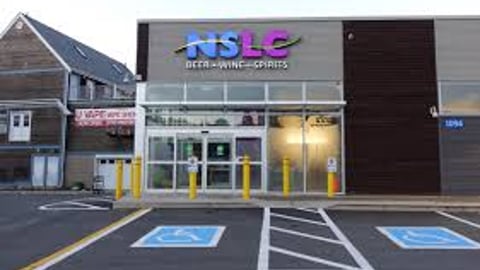
Currently, beverage alcohol is sold primarily through roughly 107 NSLC corporate locations and 62 Agency Stores across the province, according to a statement from the Nova Scotia Liquor Corporation.
CICC Nova Scotia members have been pushing for expansion into the private sector, including grocery and convenience stores, potentially adding up to 700 additional points of purchase.
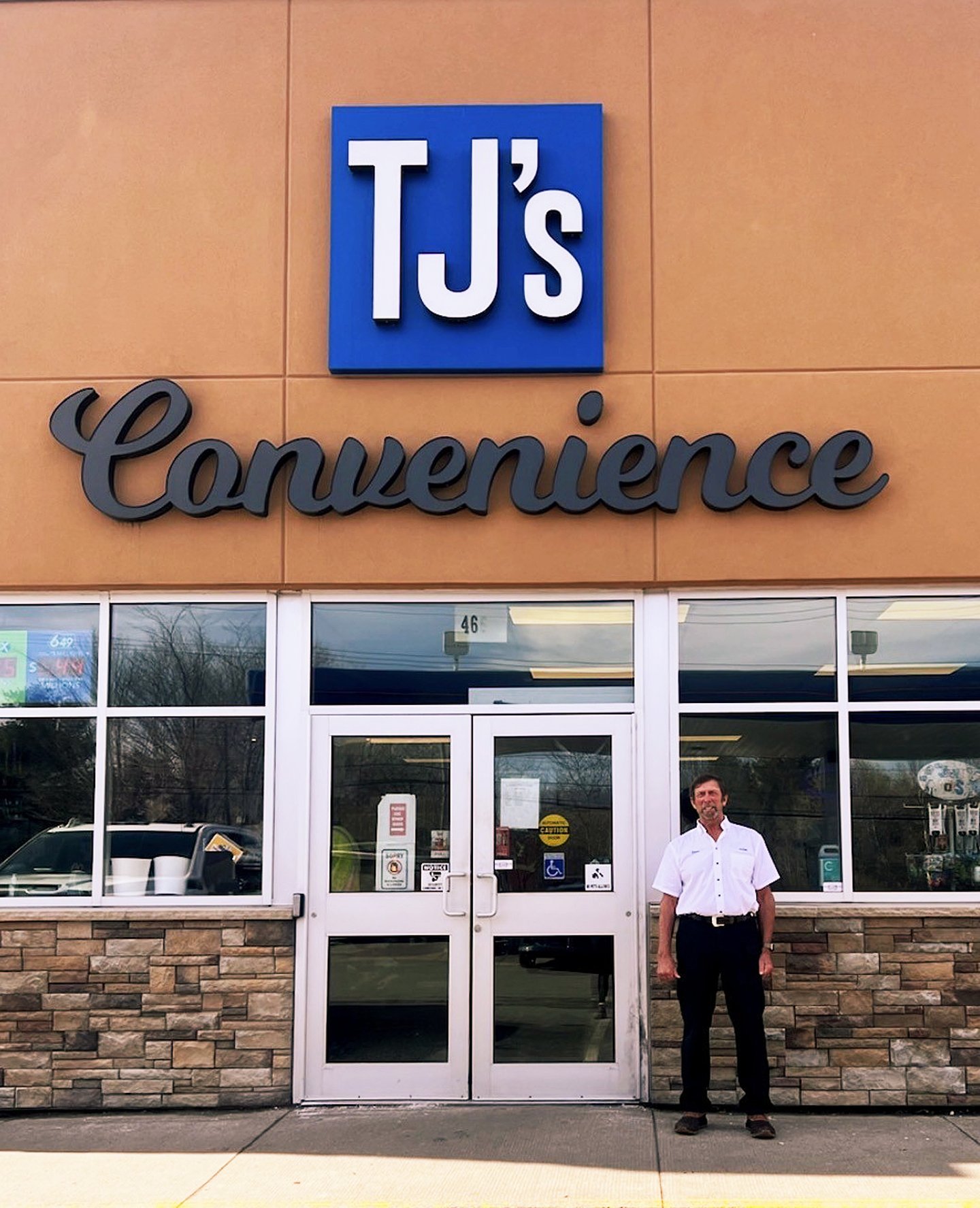
“I am ready for it,” says Stephen Morine, owner of TJ’s Convenience in Kentville, N.S., about an hour northwest of Halifax.
“When I built the store in 2017, I made sure we installed lockable coolers, knowing there could be times [of day] we wouldn’t be allowed to sell it,” he says.
“It would definitely be an addition that would bring our business into this century,” Morine adds, noting convenience stores in Newfoundland have been selling beer for years. “I think it would be amazing.”
The sector may now face an uphill battle to make alcohol sales in convenience stores a reality anytime soon.
Ahead of the report’s release, Nova Scotia Premier Tim Houston said he had not yet seen the findings but suggested they were unlikely to prompt changes to the current NSLC model. “We haven’t taken a step [on modernizing beverage alcohol], so it must not have been too compelling.”
Still, c-store owners and industry stakeholders will have an opportunity to quickly regroup, as the 2026 Atlantic Convenience Expo takes place tonight and tomorrow (April 14) at the Halifax Convention Centre.
“I don’t think it’s a fish out of water yet,” says Morine, speaking to the policy debate.
Hammoud agrees, saying the government has not closed the door. He cites recent comments from Houston, who said: “What I’ve said is we would do something like that if it could benefit the consumer and benefit the producer. I’m not going to lead the charge on that one, but I’m happy to listen.”
Prepared by Crestview and Infuse PR for the Nova Scotia Department of Finance and Treasury Board, the report found 83% of Nova Scotians say alcohol is “more than accessible” under the current NSLC and Agency Store system, noting no meaningful difference in that perception between urban and rural respondents.
“The report is filled with contradictions,” Hammoud wrote in an op‑ed shared with CSNC.
The government report summary (attached at the end of the article) says 55% of Nova Scotians oppose adding more retail points for beverage alcohol, yet it also lists grocery stores as the preferred expansion channel (54%). The report also notes support for specific expansion in convenience and gas stations, though offers no breakdown for either of those channels, except to note on the latter there is “little public support.”
The summary also lumps beer, wine and spirits together rather than separating responses by product type, making it impossible to tell whether opposition is broad or limited to specific categories.
Hammoud also disputes the report’s assertion that local and large brewers, wineries and distillers oppose expansion or that privatization would meaningfully raise operating costs, writing: “There are plenty of entrepreneurs, distillers and craft brewers who were excited about the economies of scale they could achieve partnering with convenience stores.”
The report’s framing of Ontario’s experience having crowded out smaller producers has also drawn confusion. The leadership of Ontario Craft Brewers, Wine Grocers of Ontario and Ontario Craft Wineries have all said it’s been good for their members.
The CICC notes the category in Ontario moved $435 million in sales in 2025—roughly $68,011 per store across 6,396 licensed outlets—and became the sector’s second‑largest category after tobacco (which is in decline).
In 2025, Ontario c-store closures fell to about one per week, down from more than one per day in 2022. Hammoud argues similar reforms could help slow the loss of roughly one Nova Scotia store per week over the past three years. He adds that 59% of Nova Scotia’s convenience stores are in rural communities—the second-highest share in Canada—making closures particularly damaging outside urban centres.
“That’s why we were so optimistic about expanding beverage alcohol sales in Nova Scotia,” writes Hammoud. “The experience in Ontario shouldn’t be ignored.”