Ground zero: opportunities in the low- and no-alcohol category
Just over a year ago, when Convenience Store News Canada examined the low- and no-alcohol category, sales forecasts looked rosy. Sales had reached $199 million (June 2023–June 2024), leaping more than 24% year over year. Fast forward to 2026 and the ‘mindful drinking’ momentum has caught fire in Canada.
The country has claimed a spot among the top 10 international markets for what’s known as NoLo products. Here, the growth rate has been pegged at around 7.5%. And in Ontario alone, the LCBO saw sales of non-alcoholic beverages nearly double from $5.7 million in 2023 to $10 million in 2024. Globally, the category is worth $13 billion.
It’s clear what began as a niche market has become a full-blown movement, stretching beyond Dry January. And c-stores need to be a part of it.
Cheers to wine innovation
Why are consumers reaching for NoLo wines? “Health and wellness continue to dominate purchase motivations, and brands are stepping up with premium, better-tasting options across a wider range of grape varietals,” says Courtney Henderson, marketing director, VQA, Andrew Peller Ltd.
White, sparkling and rosé wines remain consumer favourites. Notably, the category is being led by younger shoppers, especially generation Z and millennials, who often live in urban centres, have diverse backgrounds and seek products that cater to their dietary or lifestyle needs.
“Better-for-you (BFY) consumers shop across more categories than typical wine drinkers, and their buying moments often align with convenience-store missions: quick trips, flexible hours and impulse-friendly occasions,” explains Henderson. “This creates a strong natural alignment between the category and the channel. We continue to see consumer demand growing. Our Honest Lot wines containing zero grams of sugar per serving perform very well consistently in the c-store channel.”
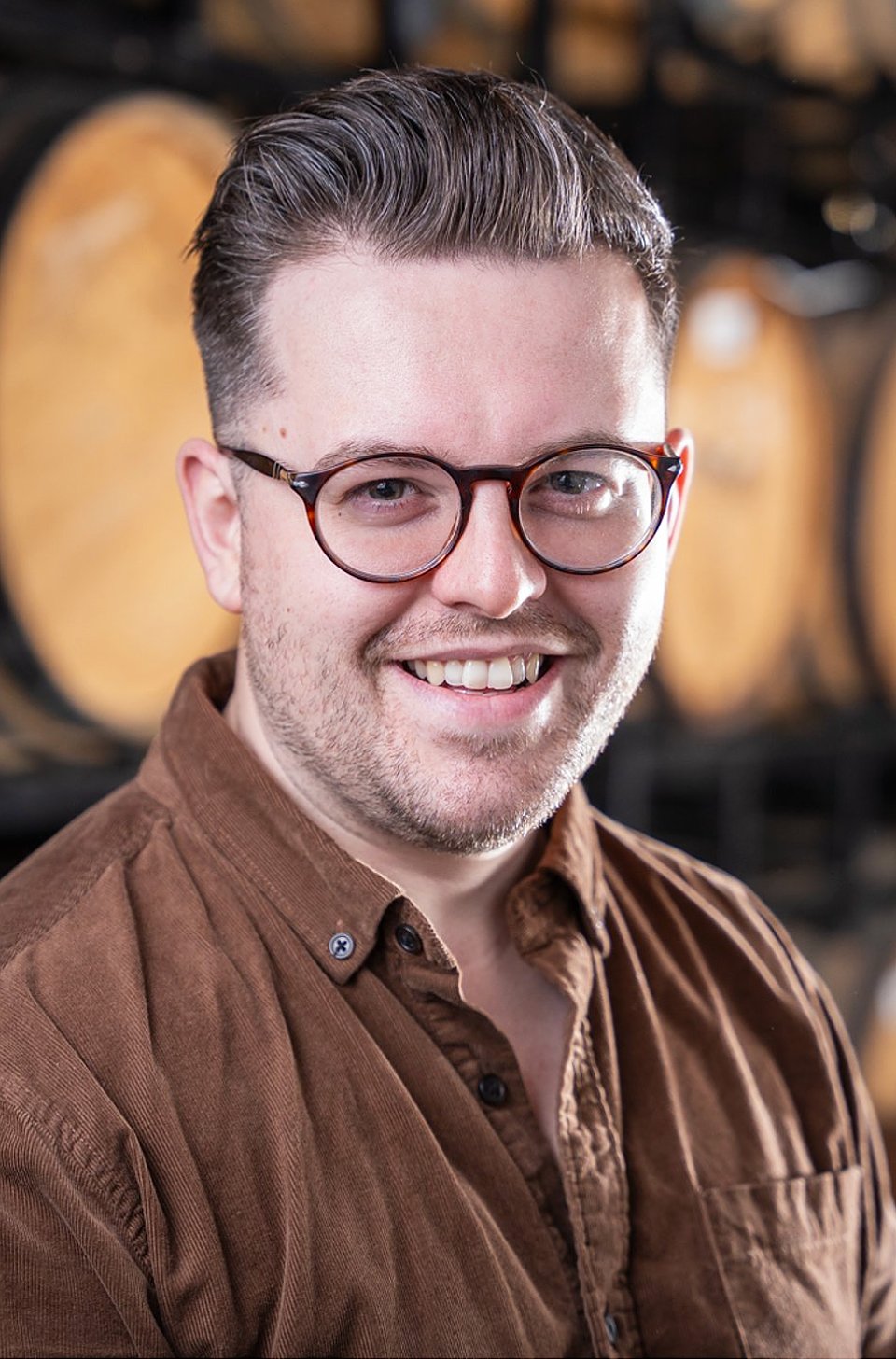
With innovation playing a key role in attracting and retaining BFY shoppers, the category is expected to see ongoing product introductions and strategic line extensions. To meet consumers where they are, Andrew Peller will introduce new brands that align with the BFY segment. Beginning spring 2026, the company’s Zero State VQA, crafted from 100% local grapes, along with the domestically produced Laylow, will be available in Ontario.
The new year remains a notable period, as consumers reset their health goals; however, emerging data shows that occasion-based and time-of-day consumption trends are becoming increasingly influential in driving sales throughout the year.
“All indicators suggest the category will remain relevant well into the future,” says Henderson. “With health and moderation maintaining priority status for consumers, no- low-alcohol products will adapt and diversify, but continue to be a key pillar in the beverage market.”
New buzz on beer
While NoLo wine and RTDs sell well, the bright, shining star in the category is beer, dominating with 76% of sales. It’s no wonder brewers large and small are innovating and expanding their offerings.
In October 2025, Labatt Breweries of Canada announced the launch of Michelob Ultra Zero, a non-alcoholic beer with just 30 calories a can, designed to appeal to consumers with active lifestyles. This latest entry joins Corona Cero, already ranked as the No. 1 non-alcoholic beer in Canada, in Labatt’s portfolio of moderation-driven choices.
In a release, Doug Port, the company’s vice-president, ready-to-drink and non-alcoholic beverages, said: “Labatt’s commitment to Canadian consumers drives us to innovate and expand in categories where we see demand growing. With the non-alcoholic beer segment continuing to gain momentum in Canada, this is the ideal time to debut another alcohol-free beer with Michelob Ultra Zero.”
The market is also shifting as it grows. According to Kevin Murray, director, sales, Canada for Collective Arts: “Your average consumer is now a non-alcoholic consumer.
“Non-alcoholic continues to grow across Canada, especially in Ontario. We’ve seen 13% growth at the LCBO this year, with our own brands growing up to 436% within grocery stores. Over the last 10 years, we’ve seen a decline in total alcohol sales—an average of -1.7% per year. As consumers drink less, but continue to enjoy a great beverage, non-alcoholic options become a basket builder.”
He points out that beer, RTDs and wine account for the bulk of non-alcoholic beverages purchased with alcoholic ones. “Consumers still want to enjoy a beverage at a special occasion, but sometimes they don’t want alcohol in it,” says Murray. “Motivations for non-alcoholic consumption are usually social. For example, if you’re the designated driver but don’t want to feel left out at the party, many choose a non-alcoholic option.”
Collective Arts offers its award-winning Non-Alcoholic Hazy Pale Ale on GMS, the No. 1 craft non-alc beer in Ontario. Most consumers purchase it alongside its best-selling IPAs. Other top non-alc choices include, Guava Gose and the new Origin of Darkness Coffee Nitro Stout, brewed in collaboration with 49th Parallel Coffee Roasters. C-stores can stock them along with Collective Arts’ top-selling zero-proof RTDs, including Perpetual Paloma, Mellow Mojito and Mindful Margarita.
January has become the highest sales month for Collective Arts’ non-alcoholic purchases since Dry January has become a trend across North America. “Coincidentally, it’s also the slowest month for alcohol sales,” adds Murray. “The non-alc category grows every year, but expect Dry January and Sober October to be c-stores’ biggest months for sales.”

Sales growth through the year
Phil LeBeau, CEO, Partake Brewing, also sees sales spike in January, as people reset and focus on balance. “But summer is just as strong,” he adds. “Patio season, road trips and cottage weekends all fuel steady demand as moderation becomes more of an everyday mindset.”
He thinks c-stores are well positioned for success with non-alc products: “Convenience stores are all about immediacy and discovery. Shoppers can grab a single can, try something new and add a refreshing option to their basket without committing to a full case. It’s an easy way to explore the category.”
Another driver is product quality. “People are drinking more intentionally,” says LeBeau. “They want craft-quality flavour, better-for-you ingredients and options that fit more of life’s moments, from weeknight dinners to early mornings. It’s no surprise the category keeps growing faster than traditional beer as quality improves and curiosity builds. The consumer is remembering they like beer for the refreshing, great product it is and low-alc options provide that experience without the headaches.”
Partake prides itself on being proudly Canadian and unapologetically craft focused. “Our beers are award-winning, approachable and low in calories,” he notes. “We brew non-alcoholic beer that tastes like real beer.”
In 2026, the company is focusing on new pack formats and new styles that are flavourful and fun.

Curious consumers
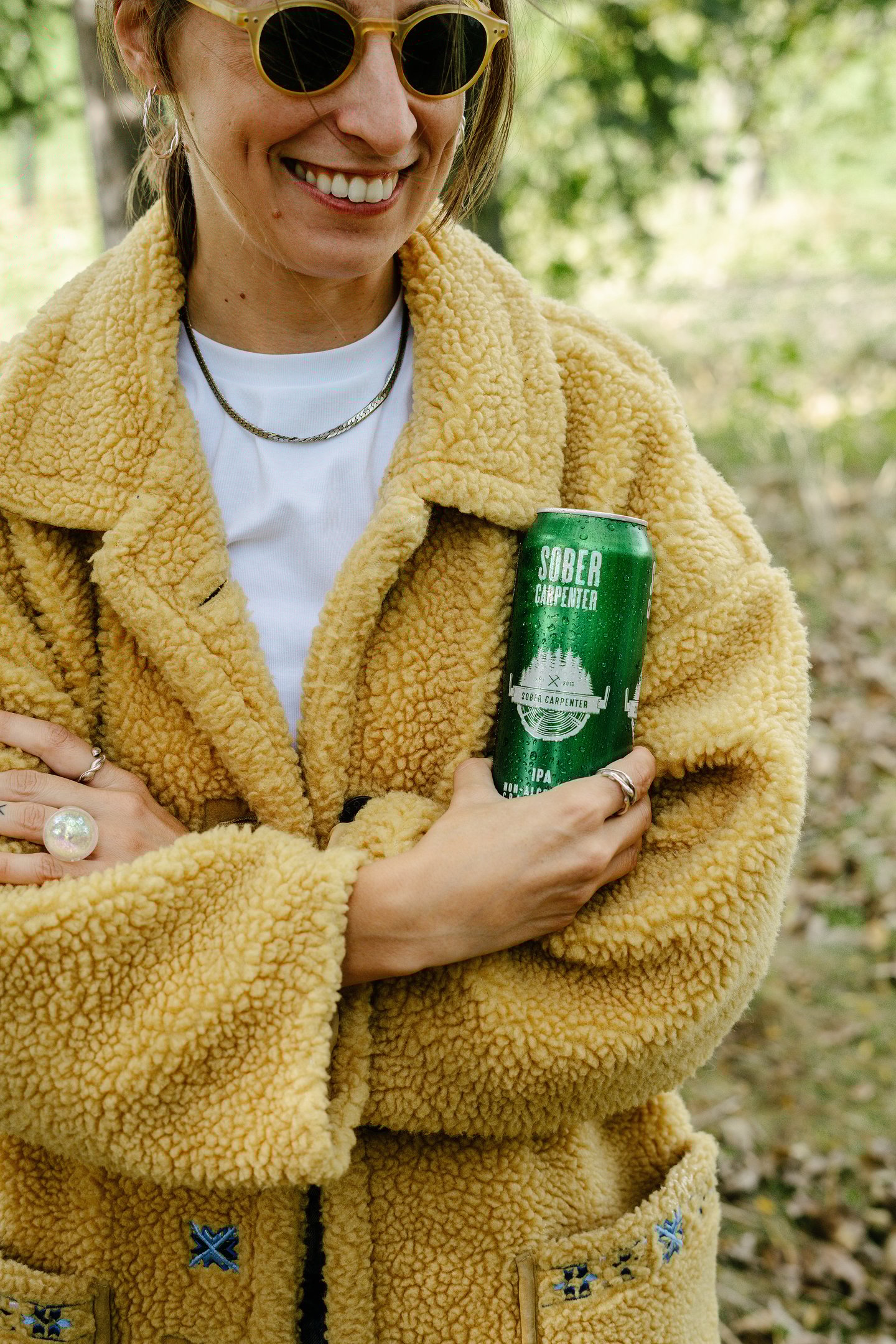
Martine Allard, marketing director, Sober Carpenter, says the company is seeing consumers move beyond curiosity into true exploration. They aren’t just looking for substitutes anymore. They’re seeking quality, craft and variety.
The new year marks an expansion of its lineup, with seasonal and limited-edition brews highlighting the creativity and craftsmanship behind non-alcoholic beer. Of note for hockey fans, Partake will continue its partnership with the PWHL and promises more news on that front.
Despite the shift, non-alc beer makers still face challenges. “The main one is perception,” says Allard. “Many consumers still expect non-alcoholic beer to lack flavour or authenticity. Once they taste a craft-quality product like ours, that perception changes instantly. Education and trial are key. The product speaks for itself once it’s in people’s hands.”
Redefining beer
In the eyes of Jeff Dafoe, president, Premier Brands, Ltd., the NoLo movement is reshaping the entire beer category. “The next steps in Canada’s beer evolution aren’t only being driven by bold flavours and higher ABVs. It’s being reshaped just as powerfully by 0% ABV. Once a niche curiosity, non-alcoholic beer has emerged as one of the fastest-growing segments in beverage retail.”
He goes on to say: “NA beer is no longer an alternative. It’s an expectation. As C&G stores expand their beverage-alcohol footprint, NA beer is earning a place beside newly added beer assortments, capturing consumers who want flavour, refreshment and wellness-driven choices without compromise.”
He feels the stigma once attached to “near beer” by consumers is gone because today’s no-alc offerings deliver full-flavoured authenticity, brewed with the same care as their alcoholic counterparts. “Health-conscious shoppers, designated drivers, and weekday moderates are fueling steady double-digit growth. The message is clear: moderation is not abstention. It’s a choice,” explains Dafoe.
For retailers, non-alcoholic beer is a category-building opportunity. “Experience shows that if positioned in the beer section, NA beers offer high margins, strong turns, cross-merchandising potential,” he explains. “Cold-box placement and seasonal tie-ins such as Dry January and Dry Oktoberfest promotions can unlock a new layer of consumer engagement and profitability.”
For suppliers, innovation is driving momentum. Dafoe emphasizes that de-alcoholization technology, flavour stability and style innovations are unlocking world-class results. Premium designs, functional ingredients and lifestyle branding are elevating shelf presence and consumer perception.
“Non-alcoholic beer is redefining what ‘beer’ means to Canadians, he says. “As health, convenience, and flavours converge, C&G retailers have a unique opportunity to lead and profit from this transformation.”
Subscribe here for instant access to the digital magazine and archives!