Honey exports hit with 50% tariff
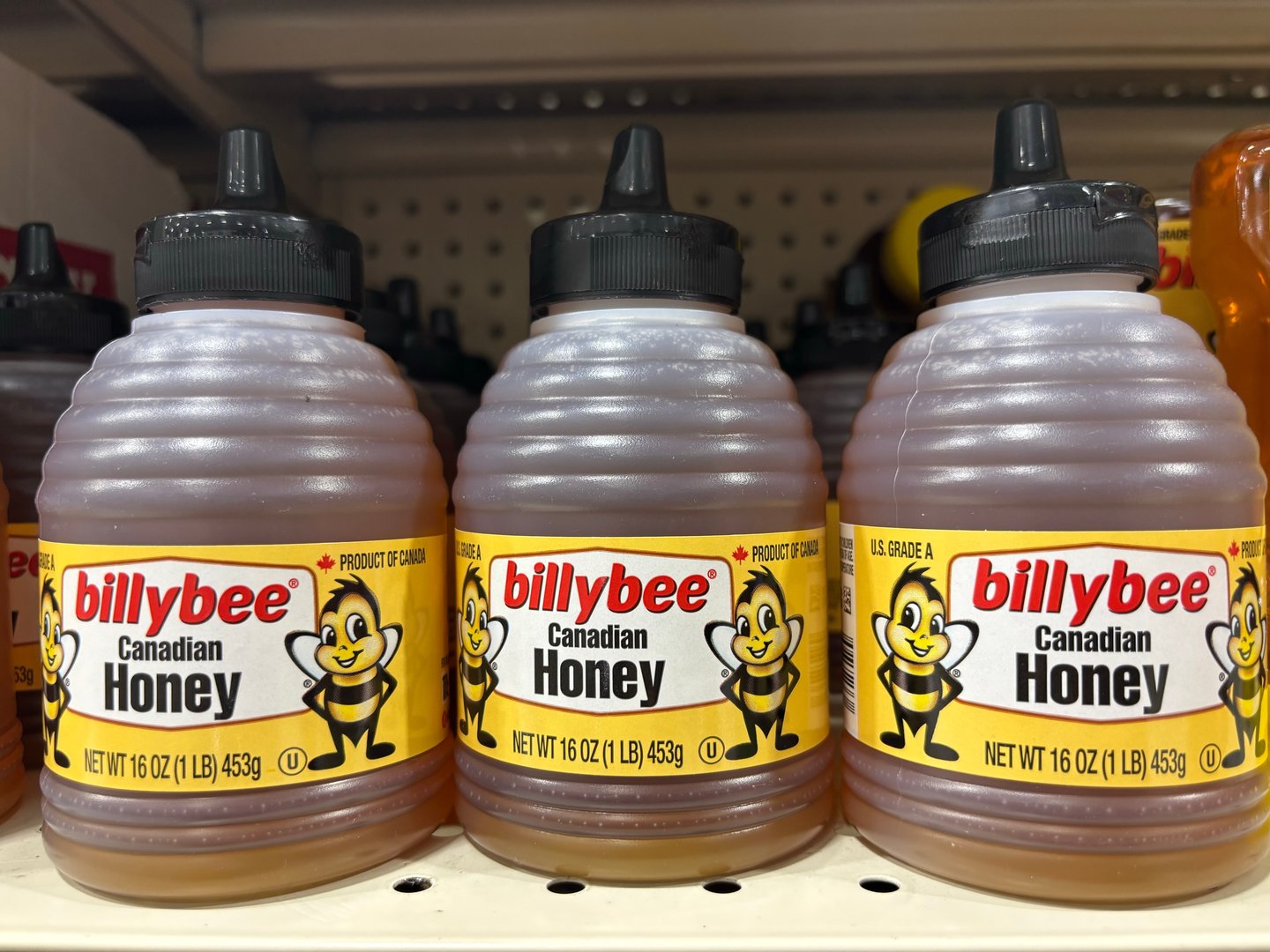
The latest round of U.S. tariffs will “essentially stop all honey heading into the U.S. from Canada,” says Simon Lalonde, president of the Saskatchewan Beekeepers Development Commission; however, since the announcement was first made in July that honey would be on the list of commodities hit with a 50% tariff, U.S honey packers made the best of the approximately four-week window.
“The Canadian beekeepers can’t absorb that on their bottom line, and most U.S. [honey packers] will probably just source their honey from other countries that they import from,” Lalonde said, adding that the 50% tariff is too high for processors in the States to pay.
Lalonde explained in an interview with BNN Bloomberg that while targeting Canadian honey did not make sense, the U.S. packers increased their orders before the tariffs came into effect and purchased close to their normal annual amount. Sales to the United States represent approximately 15-20% of Canadian production, but only represent roughly 2% of the honey being imported into the U.S.
Most of Canada’s honey is shipped and sold domestically. The two other major markets are the United States and Japan.
Western Canada, and especially the Prairie provinces, supplies the bulk of honey to the United States, Lalonde said. As of last year, Saskatchewan had 1,115 beekeepers, who managed 92,000 colonies. Alberta, Saskatchewan, and Manitoba produce nearly 80% of Canadian honey.
The 2026 honey crop is expected to be smaller than normal, and that, combined with the early completion of sales to the United States, has provided some room for honey producers to search for new markets, said Lalonde. Historically, Europe has been closed to Canadian honey due to regulations regarding genetically modified organisms (GMOs). A slight relaxation in those regulations may give Canadian honey a chance at that European market. Canadian honey is not genetically modified; however, the primary plant the bees are sourcing their pollen from in western Canada is canola, and although non-GMO canola is grown in isolated parts of Canada to avoid cross contamination by GMO canola, the majority of canola grown is genetically modified. Labelling and overcoming the anti-GMO sentiments are the two major hurdles facing Canada’s entry into the European honey market.
Since the majority of Canadian honey never leaves Canada, Lalonde says there exists a made-at-home solution to offset the loss of a U.S. market. If the average Canadian family, he said, were to eat half a container of honey more in a season, it would help to counter the impacts of the new tariff.
Here’s a broad look at what will be affected by President Trump’s new tariffs:
- Milk and cream; whey and milk protein concentrates, including casein
- Lactose, glucose, fructose and blended syrups; sugars, cane molasses; natural honey
- Non-alcoholic beer; beer, wine, liquor, cider and other fermented beverages; bitters; brewery machinery
- Doughs and other bakers’ mixes; greaseproof paper
- Essential oils; basketwork and other articles; tortoise shell, whalebone, horns, antlers and other animal parts; bones and horn-cones
- Tulips and other dormant flower buds, live orchids and mushroom spawn, tubers, mosses and lichen; vegetable, tree and shrub seeds
- Perfumes containing alcohol and plant parts used in perfume; makeup preparations; wigs, false beards, eyebrows of synthetic textile materials; non-industrial diamonds, not set; various gold, silver and imitation jewelry
- Synthetic paints and varnishes, printer inks; various fatty acids
- Cements
- Luggage and other cases, such as for musical instruments; non-plastic office supplies; dog leashes and saddles
- Various fibreboard, laminate and plywood sheets; densified wood blocks, plates, strips; some wooden tableware, skewers and ice cream sticks, as well as bamboo products; wooden articles of furniture, furniture seats and parts made of wood, plastic and metal, wood marquetry and inlaid wood
- Vinyl floor tiles; silk, yarn, carpet and other various textiles; down feathers; T-shirts, sweaters, trousers, dresses, gloves, coats and other clothing items
- Glass packing materials
- Refrigerating or freezing equipment; chandeliers and lamps; vacuums; plastic furniture fittings; household and toilet articles, tableware, kitchenware; armoured safes, locks and lockboxes; various paper, wallpaper, binders, paper pulp products; candles
- Smartphones and other recording devices; video game consoles; devices containing semiconductors for data transmission and storage; cameras and projectors, radar equipment and antennae, optical fibre cables
- A range of power tools and equipment; motorcycles fitted with an engine capacity of 800 cc or greater; floating docks, vessels and rafts; ice hockey and field hockey equipment, other than balls and skates; golf and gym equipment; fishing rods and parts; swimming pools, wading pools and parts
- Christmas and other festival decorations; toys, puzzles and models; paintings, drawings, collages, sculptures; postage stamps and other collectors’ pieces; antiques of an age exceeding 100 years but not exceeding 250 years