Hormuz reopening not like 'flipping a switch' for oil markets: professor
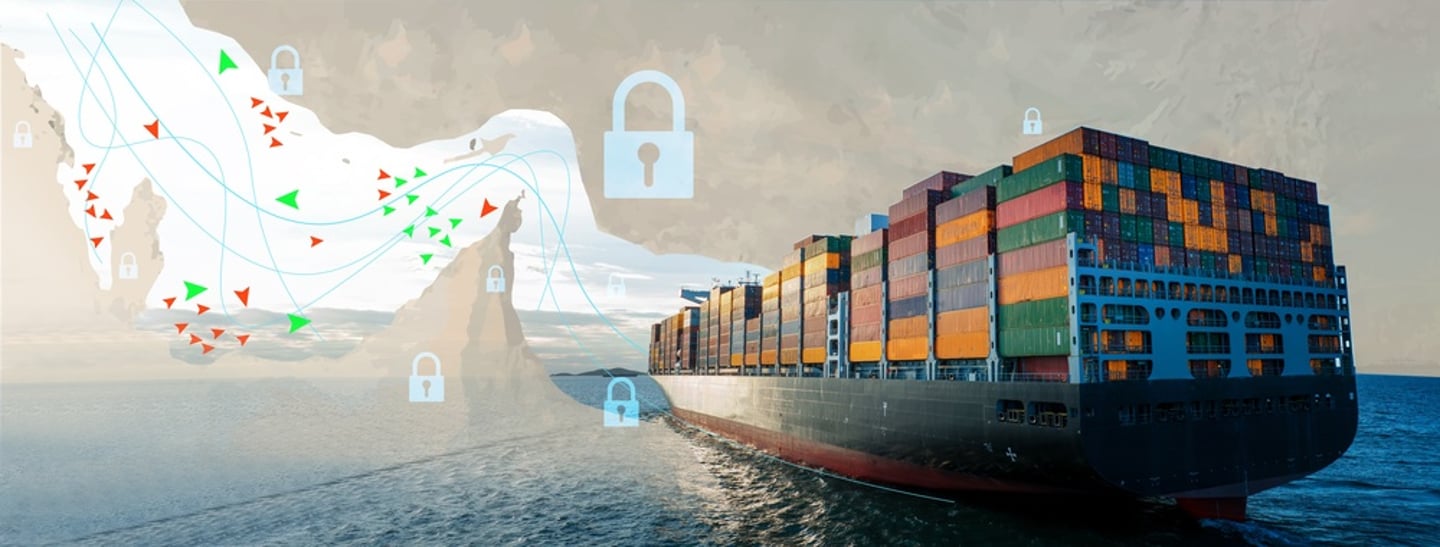
Werner Antweiler, an associate professor at the Sauder School of Business, says it's not as easy as flipping a switch and it will take time for the backlog of oil shipments to work itself out — and that's if hostilities don't resume.
Antweiler says Insurers also still have to sign off on it being safe for tankers to move through the waterway and it could take weeks for ships to reach destinations in the Persian Gulf to be loaded with crude.
The Strait of Hormuz is a narrow waterway connecting the Persian Gulf and the Gulf of Oman, from which tankers can make their way to the open sea and then destinations around the world.
The route was all but cut off after the U.S. and Israel began their attacks on Iran in late February, sending global crude prices soaring.
West Texas Intermediate crude was trading down about 10 per cent to around US$82 a barrel after word of the reopening, a significant drop from its highs above US$115 a barrel earlier in the crisis, but still more than 22 per cent higher than before the conflict began.