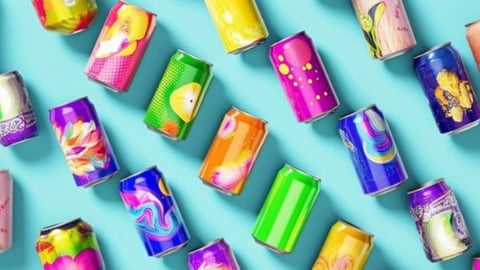
Innova’s top food and beverage trends for 2026 focus on functionality and balance

From microbiome-driven products to indulgence and affordability, Innova Market Insights’ (Innova) “Top Food and Beverage Trends for 2026” report delves into the innovations and insights predicted to shape the food and beverage category.
The study surveyed 14,000 consumers across 11 countries including Brazil, Canada, China, France, Germany, India, Indonesia, Mexico, Spain, U.K. and the U.S.
Canadian Grocer attended Innova’s webinar, presented by Lu Ann Williams, co-founder and global insights director, Innova Market Insights.
Protein
Of those surveyed, 60% of consumers say they actively include more protein in their diet, noting the mental and physical benefits as a key driver. Benefits like increased energy levels, clear and quick thinking and increased focus were among the top four attributes to consumers taking protein.
When asked why they take protein, sports & performance and muscle immunity were the leading reasons for respondents, followed by weight. The increasing prevalence of GLP-1s has brought an alternative reason for consumers to include protein-focused products into their diets.
The report noted that 5% of products launched with a protein claim also have a weight management claim.
“It is growing at 29% a year, so there is some growth in that space. This really does represent a big opportunity, because as people eat less food, especially those on GLP-1s, they're going to have to eat more nutrients, and protein and fibre are going to be really important,” said Williams.
Gut health
Nearly 60% of consumers say that gut health is an important factor in the wellbeing of the whole body. Forty-four percent say that they notice when they improve their gut health, they also have improvements in things like energy, skin or immunity.
The holistic idea that consumers see a strong connection between gut health, weight and stress is growing. Products like kiefer, probiotic yogurt and kombucha are focused on immunity and everyday stress.
Indulgence
Indulgence is growing in popularity among consumers and becoming a multi-dimensional experience. Combinations of elevating the mood and sensory experience are trending in four main categories: comforting moments, mood enhancing, rich sensory enjoyment and healthier indulgence.
The report notes a 26% growth in new food in beverage launches that have an indulgence claim.
Familiar sensations and novel inventions are resonating with indulgence-seeking consumers. The report states that 60% of those surveyed wanted to try new indulgent food and beverages, while nearly 50% noted they go for familiar options.
“There's an opportunity on both sides. We see about a 40% growth in food and beverage launches that have an experience claim, but we see twice that with products that have a comfort claim,” said Williams.
Functional beverages
Williams noted in the webinar that beverages have become related to health.
“They’re leading innovation in terms of wellness and are tailored to different aspects such as functionality and convenience,” she said.
Consumers are focused on key health claims like low or no sugar, real ingredients, source of protein and functional ingredients. The report notes that 18% of beverage products on the market have some type of sugar reduction claim, 8% have natural claims, 5% have high protein claims and 4% have claims of vitamins and minerals.
READ: Innovation, mindfulness and hydration: Beverage trends to watch
Authentic plant-based
The Innova trend report notes a shift in consumer preference from imitation to nutrition in the plant-based space.
The report states that 55% of consumers thought plant-based products should be standalone, rather than created as alternatives. Forty percent say having products be natural and minimally processed is an important factor in their decision to purchase.
When asked why they choose plant-based products, consumers noted additional health benefits like fibre and antioxidants as well as finding these products more easily digestible.
Of plant-based and vegan products launched globally, 16% have “higher source of fibre” claims, 3% have digestive health claims and 9% have natural claims.
Occasion-based
Occasion-based products have seen an uptick in interest both in new products and new formats. Consumers reported seeking products that lend themselves to shareability.
The report notes that 64% of single person households eat alone and 71% of couples with children eat most of their meals together.
Snacking is another moment that presents opportunities for “stacking trends,” whether these be indulgent snacks or functional ones.
READ: Small bites, big appeal: What's driving snack trends in Canada?
Affordability
With mounting economic pressures, aspects of affordability and accessibility are key drivers in terms of loyalty and choice from consumers.
A third of consumers surveyed say that food that is accessible and affordable is the most important factor in their diet.
More than a quarter of consumers state they’ve increased their purchasing of private label options. There has been a 7% increase in private label launches. Consumers say they are good value for money and have high quality products at affordable prices.
Mental well-being
Consumers are placing their mental wellbeing as priority and looking for products with messaging that includes energy, stress relief and brain health.
Sixty percent of gen Z and millennials say they're concerned about their mental health. The top mental health areas consumers want to improve are stress, anxiety, focus, energy and memory.
The report states that of these top areas, energy is being well-addressed by products on the market. Areas like clear thinking, focus and stress management are not as equally represented.
Crafting tradition
Food heritage has become one of the key drivers of choice for consumers. It offers comfort, identity and authenticity in uncertain times.
Innova asked respondents “what are the most important values to you in your diet?” Nearly a quarter of respondents say maintaining and practicing traditional recipes. Other responses included exploring diverse cultures through food.
Consumers were also asked which characteristics are most important when it comes to defining traditional food and drink. Responses included childhood favourites and regional recipes.
Sustainability
Forty percent of consumers say that sustainability is important to them when buying food and drink. When asked what products are most acceptable at premium prices, respondents ranked supporting local farmers and communities first, followed by protection of the environment, sustainable packaging, and then if it has some type of improved quality or taste.