Innovation, mindfulness and hydration: Beverage trends to watch
Conscious of factors ranging from health to the environment, ethical production and value, consumers consumers today have high expectations when it comes to grocery products; they want them to satisfy the desires of their minds, bodies and wallets.
This demand applies to beverages as much as any category found in the store. Consumers want to drink healthy as well as eat healthy, and are looking for sips that supply a wide range of functional benefits. Increasingly, their Canadian pride is coming through in their purchase decisions. Behaviour is even changing when it comes to alcohol consumption, where more and more shoppers are seeking options that offer a milder buzz—or no buzz at all.
All of this adds up to a beverage category where the onus is on manufacturers and retailers to offer consumers gulps that deliver the goods.
“The No. 1 beverage that people drink in Canada is tap water,” says Joel Gregoire, associate director, food and drink at the research firm Mintel. “So, to get people to buy beverages, there has to be a reason for it.” Fortunately, drink manufacturers and their grocery partners have taken up the challenge by bringing new innovations to market.
“Innovation in beverages is nothing short of inspiring right now,” says Luka Čuvalo, grocery category manager and store manager at Summerhill Market. “Today’s consumers crave drinks that deliver bold flavours, functional benefits, sustainability and personal expression—and the brands that bring all these elements together are leading the market.” Here’s a closer look at the consumer trends and innovations currently shaping the beverage category.
Health beyond hydration
“One of the largest trends we’re seeing is a shift in consumer preferences toward beverages with more functional benefits beyond hydration,” says Laura Cutsey, vice-president of marketing and partnerships for Coca-Cola Canada. “Consumers today are looking for drinks with functional benefits like vitamins, antioxidants and electrolytes to support their active and busy lifestyles.”
Among many other brands, the portfolio Cutsey represents includes Vitaminwater, which first staked its claim in the enhanced water category 20 years ago. Its assortment of products includes 10 distinct flavours—three of which are sugar-free—and offer benefits ranging from antioxidants to energy to multivitamins.
“We continue to lead by listening to consumers and evolving with their needs,” says Cutsey.
Research from Ipsos FIVE finds nutritional and metabolic reasons are increasingly driving purchasing choices, as shoppers seek drinks that contain protein, boost mood, reduce stress, heighten concentration and support digestive health.
Generation Z and millennials are leading the charge when it comes to demanding these proactive health benefits, while older Canadians are more likely to prioritize weight loss. Indeed, the definition of hydration has expanded far beyond simply quenching thirst and fluid replacement. And brands such as Vitaminwater and Collective Arts, a Hamilton-based maker of craft beer and cocktails, are attempting to meet consumers’ needs.
“In 2024, we expanded into functional refreshment and alcohol-alternative categories with our Botany Adaptogenic Elixirs and Wide Eyed Energy products,” says Toni Shelton, vice-president of brand and strategy at Collective Arts. “Most recently, we refreshed our Botany Fruit Infused Sparkling Waters, now incorporating steeped fruit for added antioxidants and even more wellness-driven benefits.”
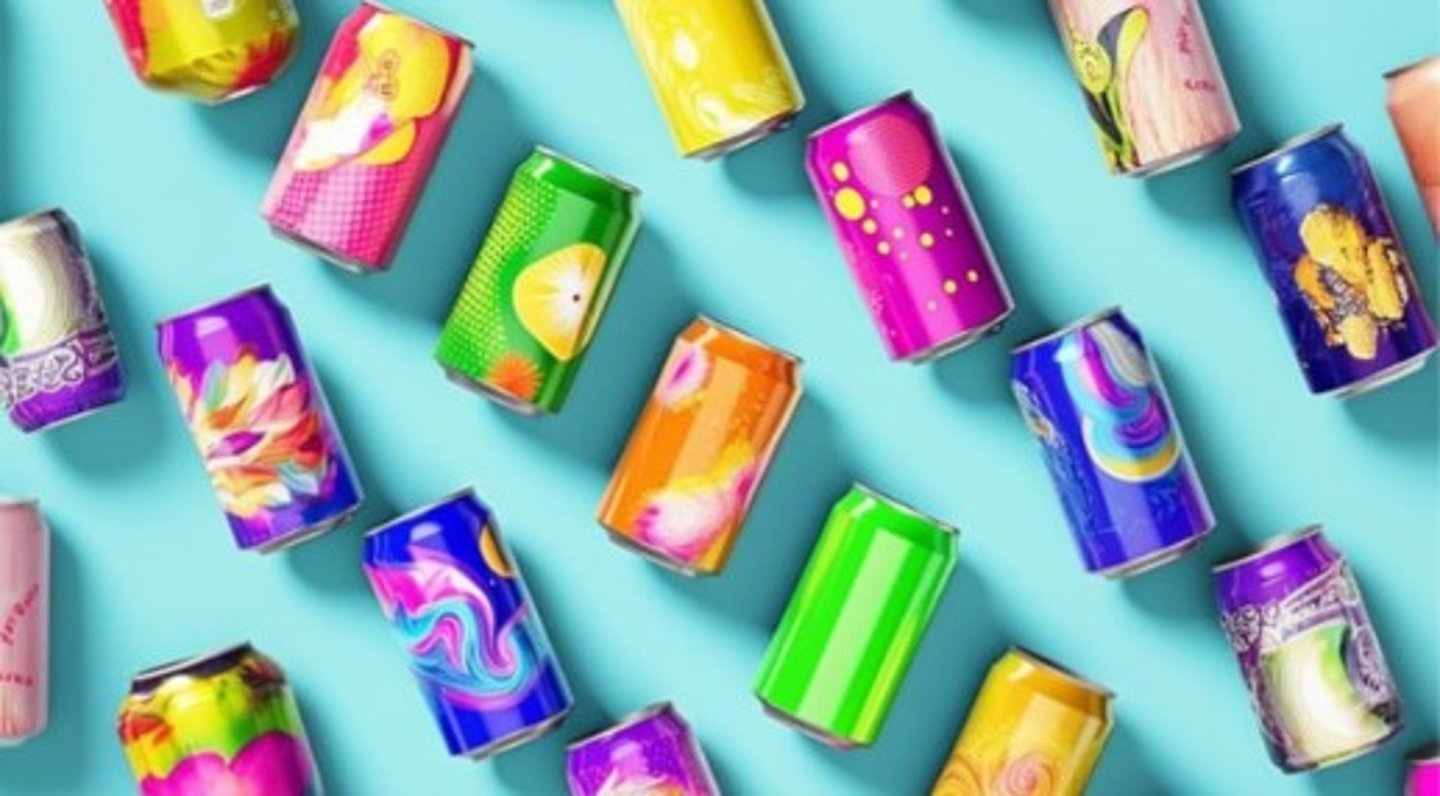
Innovations in functionality and flavour prompted Vitaminwater to unveil a new look this year. Included in the rollout were two new flavours: Blue Raspberry Limeade on the full-sugar side and Pineapple Passionfruit in the brand’s zero-sugar portfolio. “The refreshed packaging clearly differentiates our zero-sugar options from full-sugar varieties,” explains Cutsey.
This differentiation is key, as an interest in low and no-sugar drinks unites customers of all ages and backgrounds.
“People are looking at sugar content when they’re choosing a beverage,” says Lynsey Walker, vice-president marketing and communications for the Canadian Health Food Association (CHFA). Walker adds that from a marketing perspective, “the free-from claim really resonates with Canadian consumers versus ‘natural,’ which is more vague.”
READ: Five wellness trends set to shape how Canadians will shop in 2026: CHFA
Čuvalo of Summerhill Market says his customers are willing to invest in products that deliver meaningful benefits. But, he cautions manufacturers against promising the moon when one standout star will do. “The key is simplicity,” he says. “The most successful drinks focus on one clear functional benefit, sometimes layered with an emotional or lifestyle perk, without overwhelming the consumer.”
Flying the flag
Ongoing trade tensions between Canada and the United States has continued to spur consumers to show their local and national pride through their purchasing decisions. The beverage aisle is no different; Canadians are increasingly examining the origin of drink products before they buy them.
In a February 2025 survey, CHFA reported 17% of respondents were interested in purchasing locally made beverages. “That’s a significant jump from our last study in 2022,” says Walker.
This observation tracks with data from Ipsos FIVE, which indicates that made-in-Canada has been the top-ranked label claim for commercial beverages for several years—but has seen a notable uptick in importance since January 2025. The impulse to support the maple leaf is strongest among the boomer generation, according to the research firm, and least apparent among millennials with children.
Zooming out beyond beverages, Mintel reports 78% of consumers factor Canadian origin into their overall grocery purchases. And if beverages lag that broader number, it is likely for unavoidable reasons.
“Orange juice comes from the U.S., and people still buy orange juice,” says Gregoire. “With coffee, we don’t grow coffee beans in Canada.”
At Summerhill Market, Čuvalo says the emphasis on buy-Canadian differs across subsections of the beverage category.
“In freshness-driven categories like juices, kombucha and craft beer, local origin is a key differentiator,” he says. “In premium and functional segments—taste, health benefits and price often take precedence.” Manufacturers that organically and authentically make Canadianism part of their brand’s identity, explains Čuvalo, stand a stronger chance of benefitting from this trend.
“Canadian brands that integrate local sourcing into a broader story, like Flow Alkaline Spring Water, are excelling by pairing provenance with functional and eco-conscious benefits, and building trust while appealing to a wider audience.” Collective Arts is another brand for which local bona fides come naturally. The company partners with emerging artists—most of whom are from Canada—to create unique label designs and point-of-sale materials, which allows the company to “tell a bigger brand story of celebrating creativity while engaging with shoppers in an authentic, art-forward and eye-catching way,” says Shelton.
Mindful drinking
Canadian attitudes towards consumption of alcoholic beverages have been shifting over the past several years, as more people take a measured approach to drinking.
“The shift away from alcohol is still accelerating,” says CHFA’s Walker, who points to her organization’s study in which 55% of respondents said they had reduced or ceased their booze intake. And anecdotally, people are looking for lower-ABV [alcohol by volume] options.”
Walker says concerns about both health and cost are driving this shift. Gregoire, meanwhile, adds that changing demographics and social habits may play a role.
“Something to consider is the influence of newer Canadians, particularly people coming from a background where they don’t drink alcohol,” Gregoire says. “Another thing is how the reasons people drink alcohol have changed. The way that people meet each other now is so different, and younger adults specifically have more options to meet people than bars.”
According to Shelton, Collective Arts is tracking these changes and responding with the development of a variety of alcoholic and non-alcoholic products. The company, which was founded in 2013, entered the non-alcoholic beer and cocktail market in 2022.
“More people are moderating or exploring a sober-curious lifestyle—not necessarily cutting out alcohol entirely, but being intentional about when and how much they drink,” she says. “This shift is driving interest in lower-ABV options and premium non-alcoholic beverages that don’t compromise on flavour or experience.”
On the beer side, Muskoka Brewery’s Rally Extra Mile Session IPA and Moosehead’s Cracked Canoe Ultimate Premium Light Lager are two of countless examples of beers with a lowered ABV of 3.5%. Meanwhile, alcohol-free drinks that mimic everything from ales to mojitos are packing grocery store shelves.
As Summerhill’s Čuvalo puts it, “Non-alcoholic options, including botanical sparkling drinks and mood-boosting mocktails, are redefining how people celebrate without compromise.”