Most new INS Market stores in Ontario to stock beverage alcohol


Beverage alcohol is set to become a fixture at all INS Market locations in Ontario. All new stores will be required to stock beer, wine and ready-to-drink cocktails (RTDs), shifting alcohol from an option for franchisees to a core category—with plans to roll the program out to most locations across the province.
“Our model is 100% franchised, so up until now it’s been up to the individual owner whether they applied for a licence,” explains Amedeo Catenaro, director of marketing and category manager for the chain’s beer and wine program. “Going forward—with about 25 new locations slated to open before the end of October—beverage alcohol will be part of the model.”
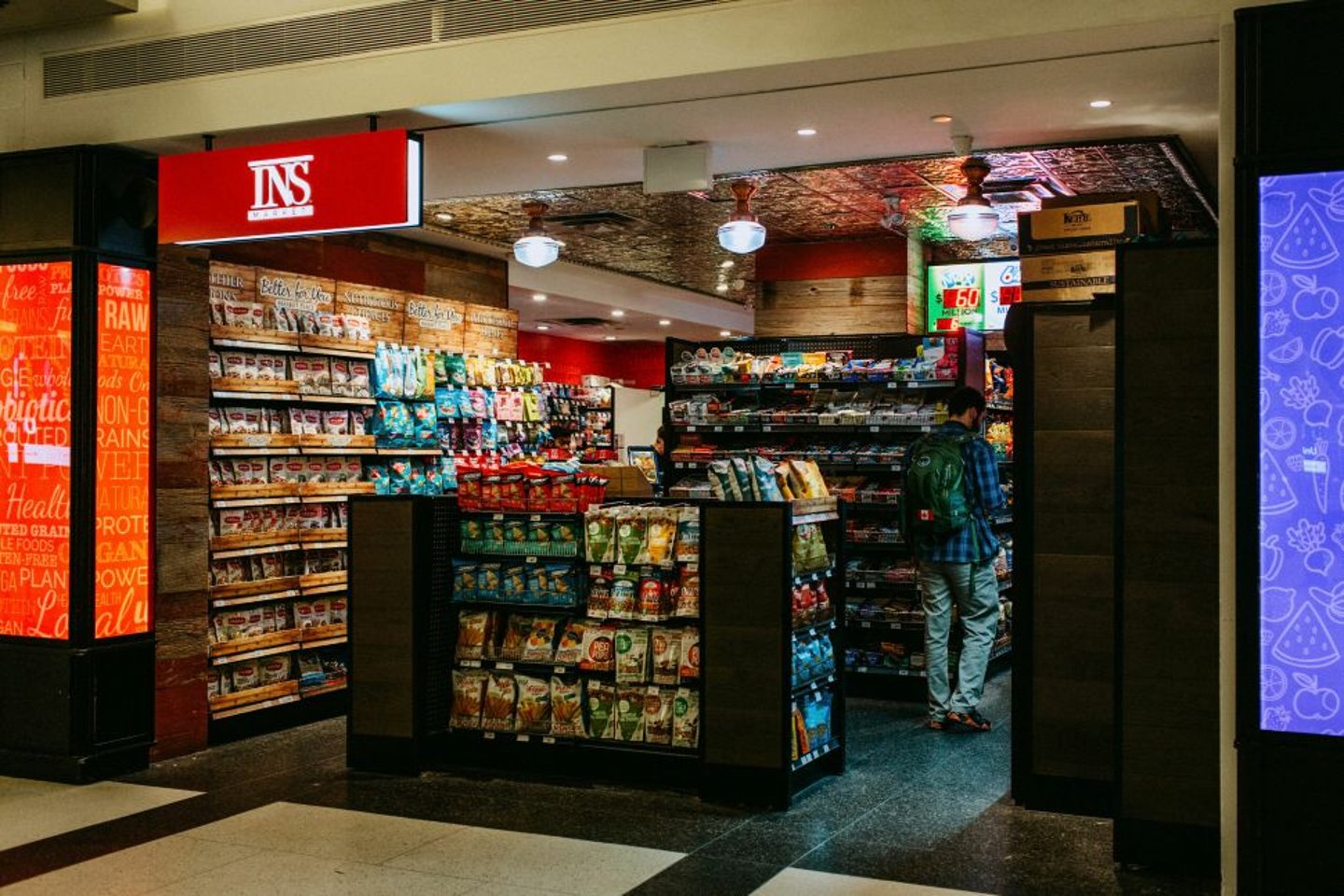
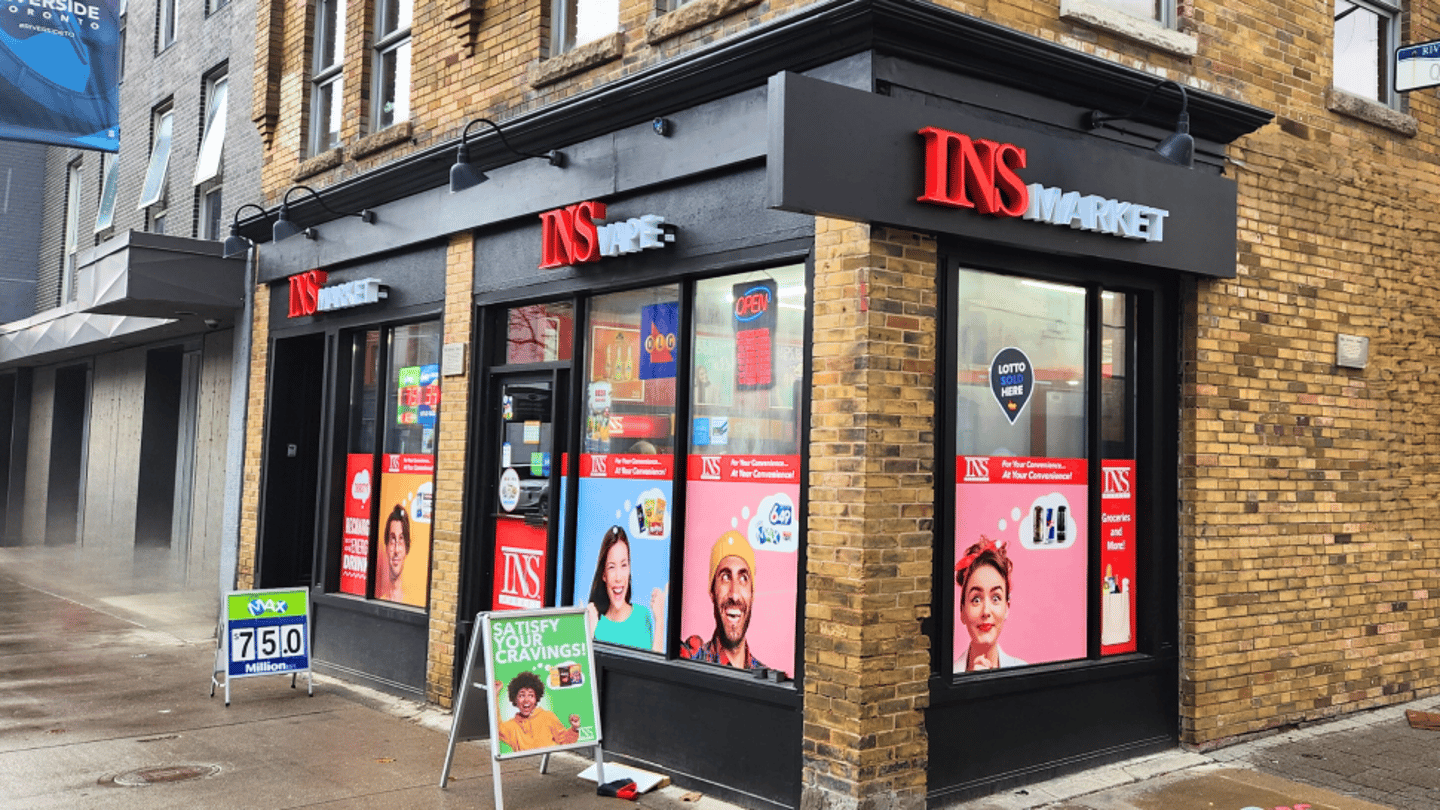
INS is in “heavy expansion mode,” adds Catenaro, noting that the chain celebrated the grand opening of a store at 800 Bay St. in downtown Toronto earlier this month, featuring a Tim Hortons Express. “It’s become our standard criteria that every Ontario site going forward will carry the program.”
Of the chain’s 130 stores, 80 to 90 are in Ontario, with almost 50 currently holding active alcohol licences. “It’s our goal that every eligible location in Ontario will eventually carry the program,” says the 2025 Future Leaders in Convenience Award winner. “We’re about 70% there.”
Some sites remain exempt, however, such as those in hospitals — which also don’t sell tobacco — and university campuses, due to landlord restrictions.
Why the new requirement?
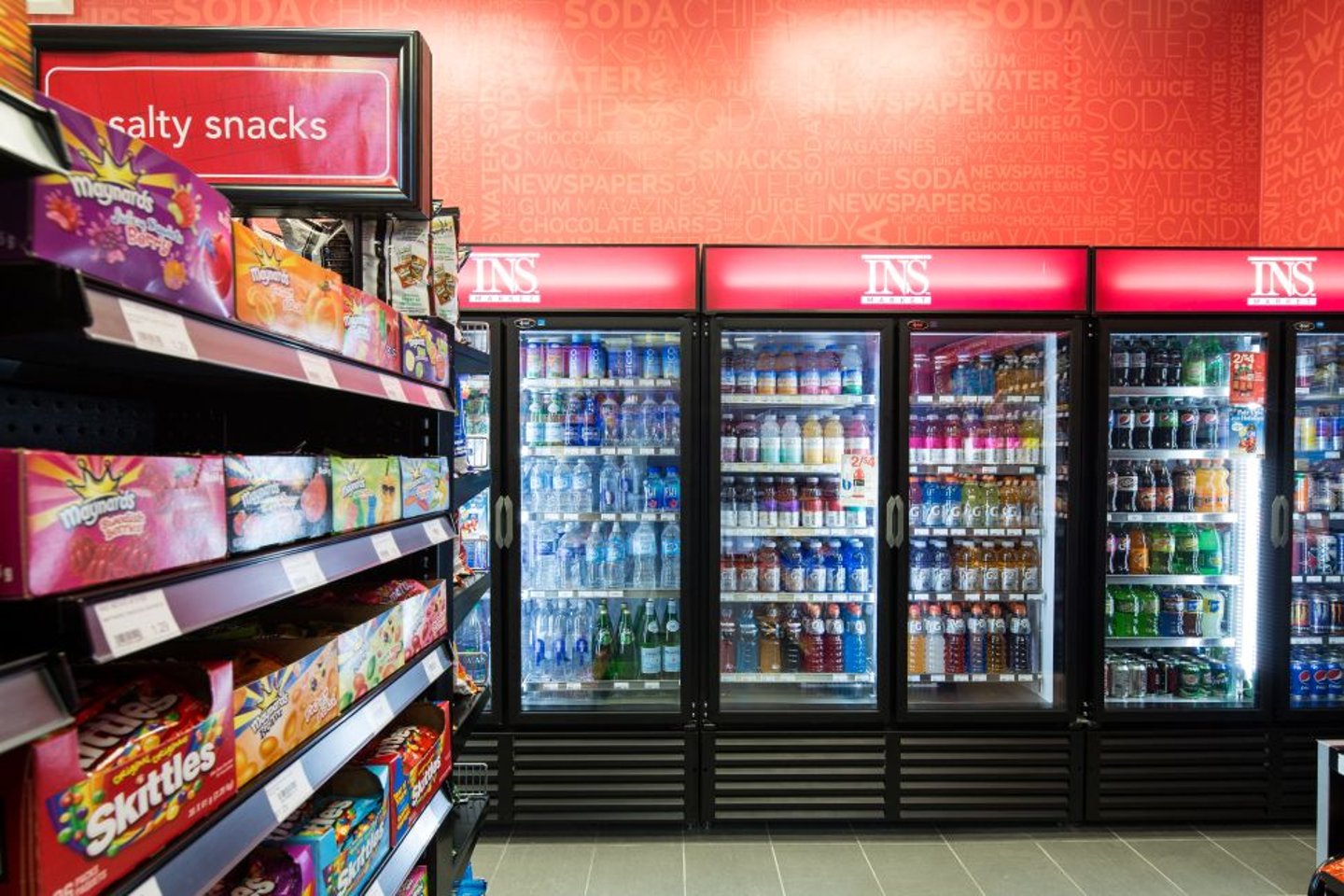
“We’ve seen between a 20% to 30% uptick in traffic in stores carrying beer, RTDs and wine, as well as increased revenue,” says Catenaro. “A lot of people have shifted their purchasing from The Beer Store following their closures to convenience.”
While INS initially drew on grocery channel insights shared by both major and craft brewers, it has since shifted to developing planograms using sell-through data from its stores.
RTDs have been a standout category.
“We thought the top sellers would be beer, so that has surprised us. I think it reflects a generational shift in preference from beer to coolers, and that’s evident in our sales data,” notes Catenaro.
Case in point: Toronto-based Good Sunday, a low-calorie and low-alcohol vodka soda available in fruit flavours peach, lemon, and watermelon, has emerged as one of INS’s “top performers.”
“It’s a great product — healthy, clean ingredients and strong branding,” says Catenaro, noting it also isn’t widely carried in LCBO stores.
Wine sales have proven more seasonal.
“Prosecco, Champagne and white wines sell well in the summer, while red wine does better in the fall and winter,” says Catenaro. “It’s a developing category given our smaller store footprints, but now we’re targeting larger sites for stores to expand the program, given how well it performs.”