NACS show 2026 discusses EV charging for convenience stores

At the NACS Show in Las Vegas, discussions about electric vehicles shifted from high-level ideas to practical store operations. Across two educational sessions, retailers and technology experts explained how convenience store owners can add EV fast-charging to their properties without hurting their cash flow or blocking customer traffic.
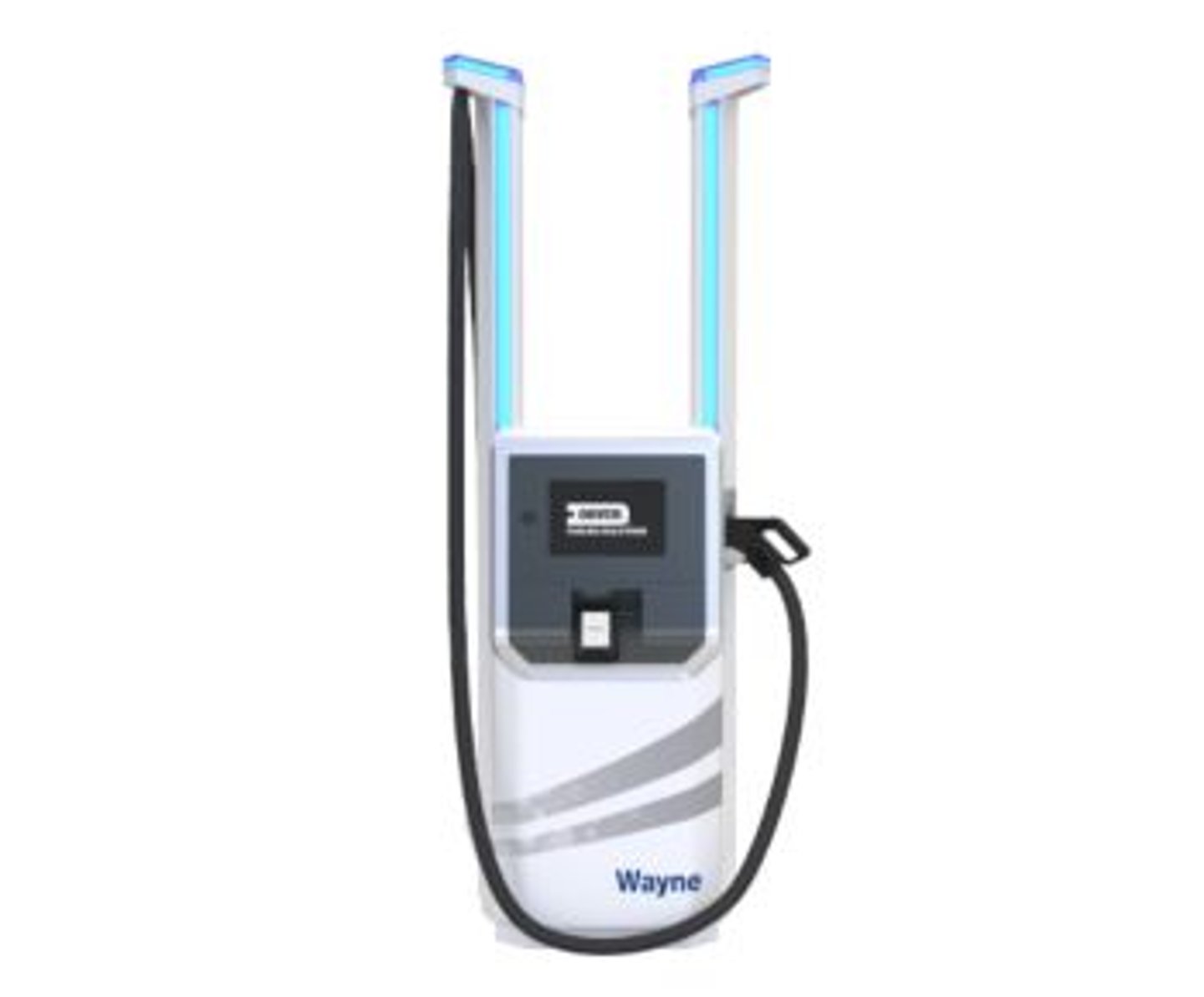
The first session, “Creating a valuable EV charging experience,” was moderated by Gen Comtois. Panelists included Scott Negley, Senior Director, Dispenser Product Management for Dover Fueling Solutions, Quincy Lee chief executive officer for Electric Era and Jason Cortes, vice-president, e-mobility for Field Advantage.
The second session, “Ownership vs. Hosting: An EV charging case study for convenience retailers,” was also moderated by Comtois. Panelists included Aaron Young, director, sales and development for Electrify America and Vince Cipollone, senior director of retail fuels for Wawa.
Throughout both sessions, three main ideas emerged: choosing the right technology, using charging to boost store sales, and managing financial risk. For Canadian convenience store operators planning for zero-emission vehicles, these talks offer a practical guide for updating locations.
How the experts see the market
Across both sessions, speakers agreed that hardware selection has to match the reality of how customers use a site.
As for the options for super-high chargers, “those cars are quite a ways away from entering the U.S. market and or being at scale in even places like China,” explained Lee. “You definitely don't need a 750 kilowatt charger unless you are charging like megawatt level trucks.” For convenience stores, the sweet spot sits closer to the 200 kW level, matching high-power fast chargers with the shorter dwell times typical of a forecourt visit.
At the same time, speakers repeatedly noted that reliability matters far more to drivers than raw power. Technical issues usually stem from extreme heat management and how hardware communicates with a vehicle's battery management system. Interestingly, roughly 95% of these operational failures can be fixed through remote software updates or restarts. That means the technicians maintaining these networks need strong skills in IoT and digital connectivity rather than traditional electrical repairs alone.
The second big takeaway is that charging cannot exist in a vacuum. It works best as part of a layered retail strategy connecting energy, mobility, food service and digital services. The goal is to create a single connected experience where a driver starts a charge, orders a coffee or food through an app and pays for everything on one network. When you consider that a major network running millions of annual sessions could generate tens of millions in extra revenue just from a $7 average in-store spend per charger, the business case becomes very obvious.
Finally, both sessions tackled the core choice every retailer faces: become a site host or go white label. Under the site host model, a charge point operator leases your land, offering steady rental income with minimal risk to you. The white label model requires you to buy and brand the infrastructure yourself. You take on high operational costs and demand charges, but you keep all the revenue and build direct brand loyalty.
To offset those heavy capital expenses, speakers urged operators to lean on minimalistic hardware design and public grant programs (like NEVI in the United States.) Canadian retailers looking to own their infrastructure must actively leverage federal programs like Natural Resources Canada's (NRCan) Zero Emission Vehicle Infrastructure Program (ZEVIP) alongside provincial incentives to defray some of the cost.
READ: Emera Inc. CEO on board with plans to boost energy infrastructure in Maritimes
EV users are loyal to their location; want fast, clean amenities
Bringing these takeaways home to Canadian forecourts brings a few immediate priorities into focus.
A recent study of EV drivers revealed that there are more young, urban drivers of EV than before and they charge weekly, said Comptois. “They are extremely loyal. They stick to the location; they do not change. So I think there is an opportunity if you are a site or have a network around those apartment dwellings or in urban locations to actually go and start soliciting this demand ahead of time; do not wait until they come to you.”
Comptois added that in light of this data, she recommends developing those demands near apartments and offering reliable uptime and the right amenities.
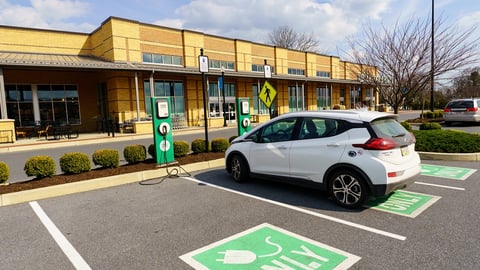
Canadian locations often handle tight footprint constraints, especially during winter when snow piles take up valuable space. Panelists explicitly warned against setting up dedicated EV-only parking spots, which can lock up space and frustrate traditional customers. Instead, shared parking and flexible designs keep high-turnover stalls accessible to everyone.
Second, equipment standards are shifting fast. With the industry moving toward the North American Charging Standard, Canadian retailers installing new hardware need partners who can support both CCS and NACS connectors to serve every vehicle coming onto the lot.
Last, Canadian retailers looking at the white label model need to treat this as a long-term play. Vehicle turnover takes years, but building out infrastructure now allows stores to capture a loyal group of routine users, particularly younger urban drivers who do not have dedicated charging at home. To make the numbers work, Canadian operators will need to combine hardware scale with federal initiatives like the Zero Emission Vehicle Infrastructure Program to cushion that initial capital outlay.
“one of the things that I think is actually most exciting about EV long term is it has so much of a shared supply chain with other technologies that are at volume and at scale,” said Lee. “So the kind of bread and butter thing that's going to happen over time is we're going to get economies of scale as we deploy more and more assets.”