Oil and gas drillers optimistic heading into 2027, but warn of labour shortages
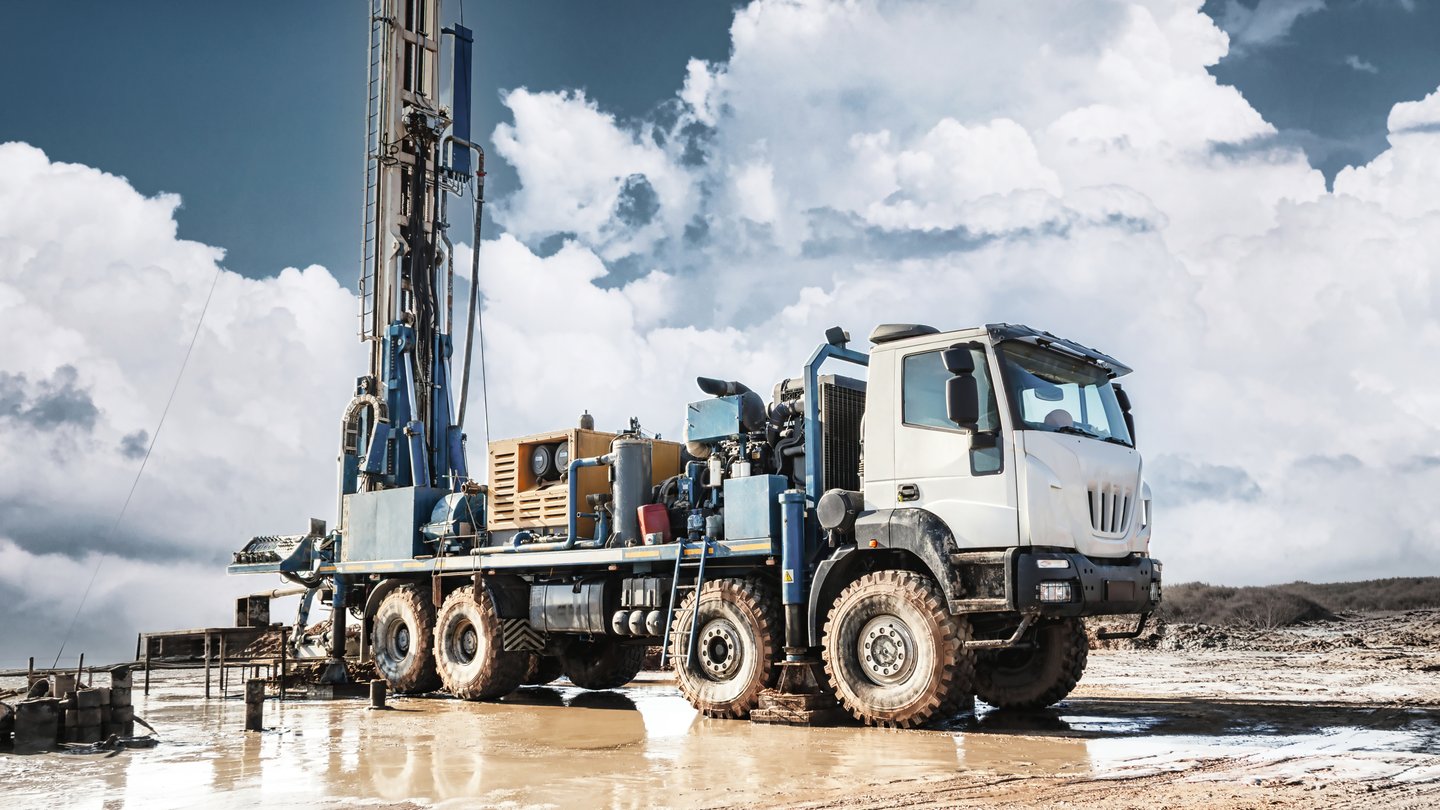
Improving market conditions and a more supportive political climate are expected to bolster Canadian oil and gas drilling activity next year, but labour shortfalls could threaten that momentum, trade group Enserva said in its annual state-of-the-industry report.
Total wells drilled across British Columbia, Alberta and Saskatchewan are expected to come in at 5,296 next year, about a 4% increase from this year's projected levels, Enserva said Monday.
After two years of declines in natural gas drilling, Enserva is expecting a 7% increase next year, and is calling for continued strength as new liquefied natural gas projects advance. Conventional oil is expected to see a 4% uptick next year amid continued high commodity prices. Enserva is calling for a modest 2% increase in oilsands drilling next year, but sees longer term growth materializing thanks to progress on the proposed Pacific Link pipeline to southern B.C. and environmental policy reforms.
"For the first time in years, there appears to be significant upside potential for the energy services sector over the long term. The sector stands to benefit from substantial drilling activity should many of the proposed LNG, data centre and pipeline projects advance," the report said.
READ: Loblaw warns food prices could rise next year as high fuel costs persist
But it flagged competition for workers as a major challenge at a time when artificial intelligence data centres and major infrastructure projects draw from the same talent pool. Citing data from Energy Safety Canada, the report says the energy service sector will create an additional 11,710 jobs by 2035, and that shortages could arise as early as next year. There has already been upward pressure on wages, it said.
In a panel discussion at the report's launch event on Monday, Bradley Fedora, president and chief executive officer of Trican Well Service Ltd., said the prospect of "hyperinflation" in the cost of labour and materials is what scares him most. Currently, the crunch is most pronounced for drivers and mechanics, he said.
The key is investing in training early.
"You're going to have to create a pathway for 16 year olds to say, 'Hey, look, this industry is a career,'" he said.
It admitted it's not easy to recruit.
"You're away from home. It's going to be a dirty, cold, muddy job and that's not going to change."
Thomas Alford, president of completion and production services at Precision Drilling, told reporters at the event that it can take up to eight years to train up a competent drill rig staffer.
"In order to do that, they need consistency at work. And certainly over the last decade that has been there."
Gurpreet Lail, Enserva's president and chief executive officer, said data centres in Alberta and Saskatchewan, nuclear projects in Ontario, pipeline construction in B.C. are all competing for the same talent. Data centre developers like Meta have been offering big paycheques to tradespeople and perks that have until now been "unheard of" among Canadian businesses, she added.
"So I think there's a lot to be done within our sector in order to attract that same talent and keep our talent."