The other cost of living

We live in interesting times. Canada's new normal is a country where everything is under the microscope. Tariffs from our largest trading partner, a stubborn productivity gap and a cost-of-living squeeze have forced governments to question old habits. It’s long overdue.
Nowhere is that clearer than in how Canada builds. The Building Canada Act, passed last year, created a Major Projects Office to fast-track projects in the national interest. Good. But governments have become laser-focused on two things: the cost of living for consumers and the cost of building for major projects. What they keep missing is the cost of doing business for the small businesses that hold our communities together.
That is a serious issue. When a local convenience store can't cover its rising costs, the owner has three choices: raise prices, cut staff hours or close the doors. Every one of those outcomes lands on consumers. You cannot fix affordability for families while ignoring the businesses that serve them.
Barriers to build, barriers to do business
If governments can clear the way for a port or a pipeline, they can clear the way for the corner store. Convenience stores are closing at an average of 1.5 a day. In many smaller communities, that store is the only game in town. When it closes, there's no plan B.
It’s hard to do business in Canada and harder still behind the counter of a convenience store. Nearly every product category we sell comes with its own rulebook, its own licence and inspector and many of those rules change at every provincial border. What a store can sell, where it can display it, who can buy it and how it is taxed differs from one province to the next. A retailer operating in three provinces runs three different compliance regimes. So much for one Canadian economy.
Then there are three front-line challenges.
Contraband is out of control. Illegal product now makes up more than 38% of Canada's tobacco market and in Ontario as many as 3 out of 5 cigarettes may be illegal. Illicit vapes and nicotine pouches are sold online, on social media and out of unlicensed shops. Do those sellers check ID or collect taxes? Of course not. The licensed retailer who checks ID loses the sale and the milk and coffee that came with it, to organized crime.
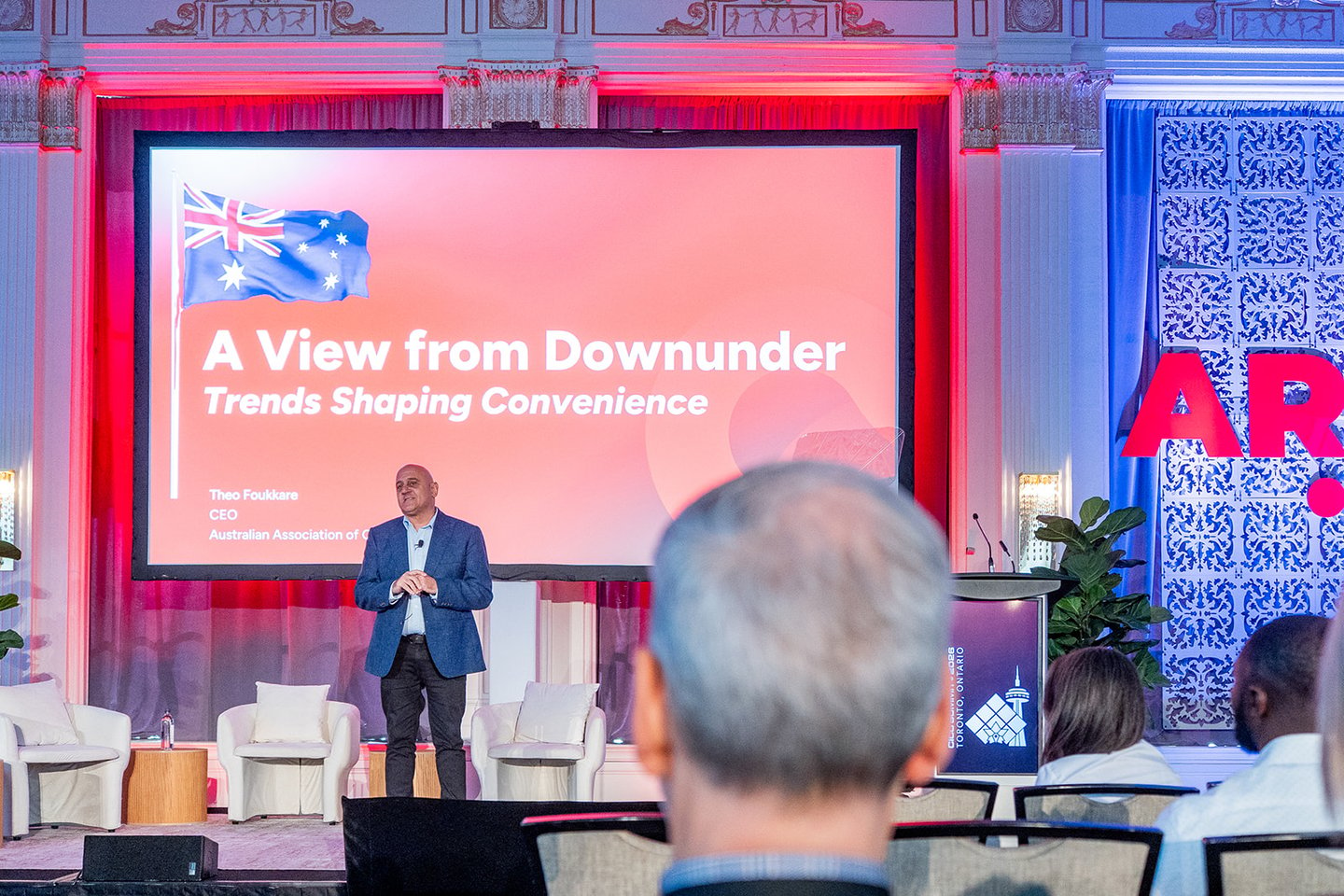
Want to see where this ends? Look at Australia. At our Summit, Theo Foukkare, chief executive officer of the Australian Association of Convenience Stores, told us organized crime now supplies 80% of the tobacco consumed there. His verdict: "You could argue that market's gone." But where authorities shut down illegal storefronts, legal tobacco volumes recovered by 44%. Enforcement works. Canada still has time to prove it.
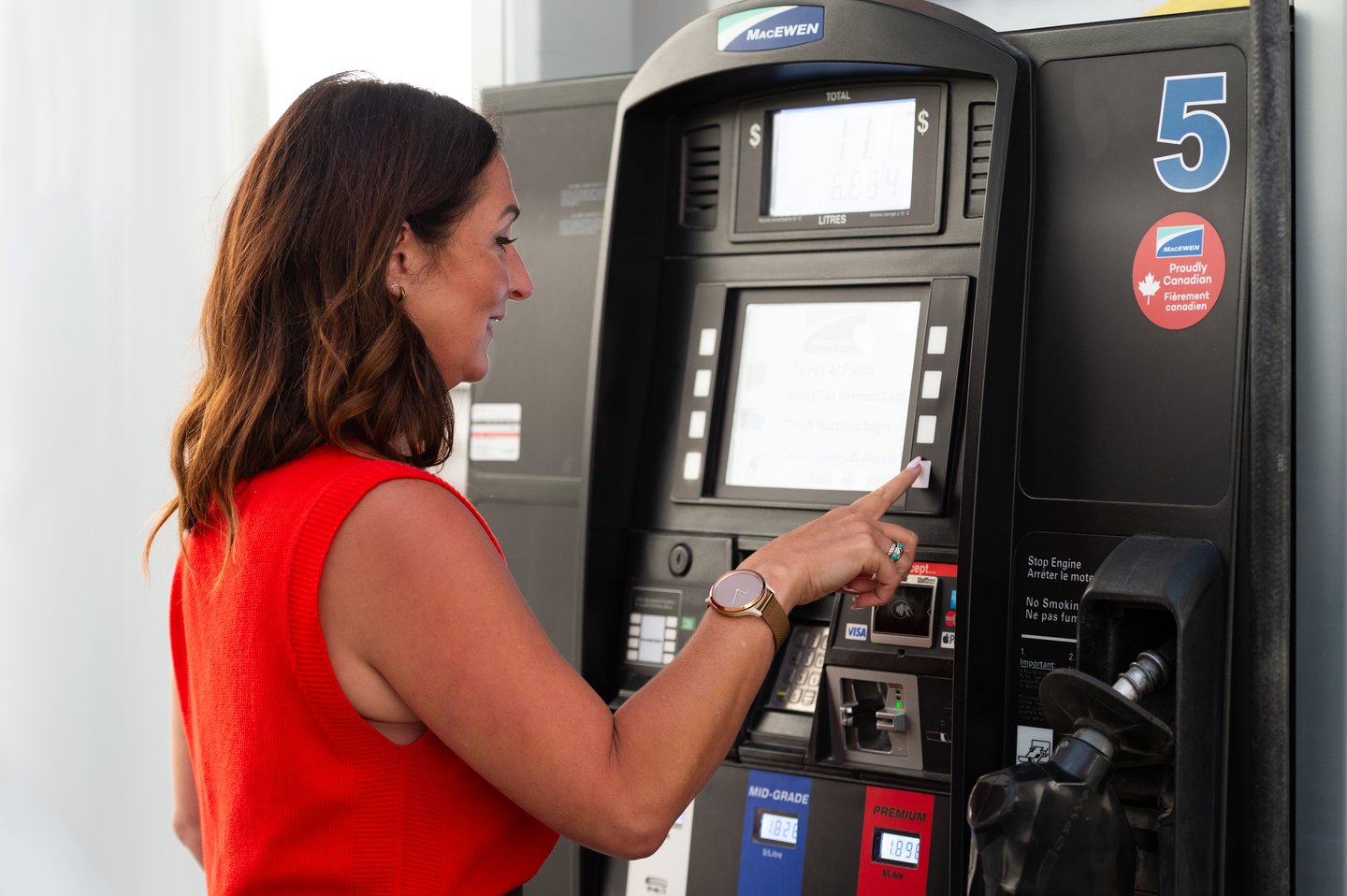
2. Taxes retailers paid but could never collect. When the consumer carbon price ended in April 2025 and the federal fuel excise tax was suspended this spring, Canada's 11,465 fuel retailers were left holding inventory with those taxes already built in. They absorbed an estimated several hundred million dollars and the CRA has no mechanism to pay it back. Relief for consumers should not become a bill for small business.
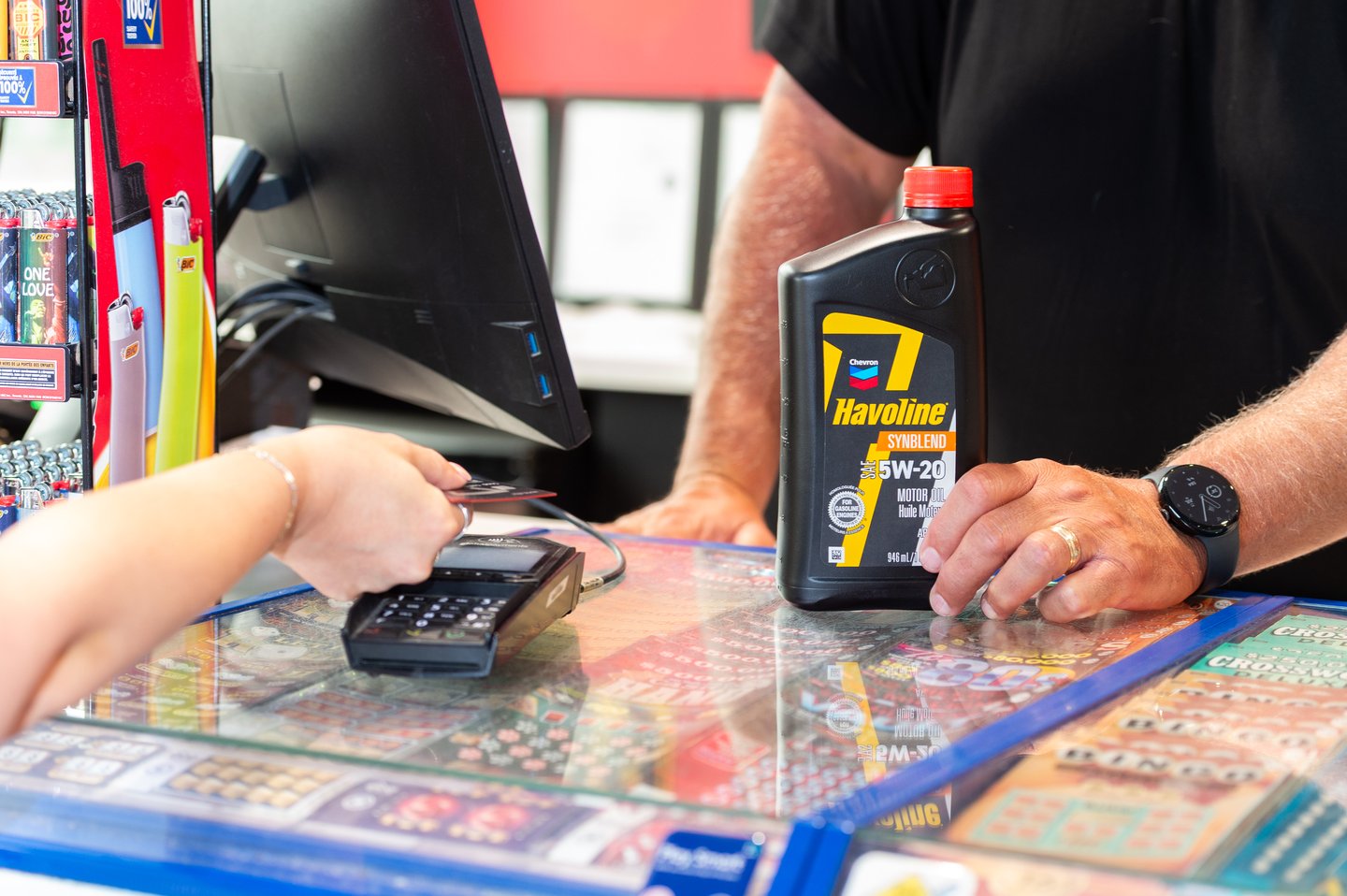
3. Card fees on the government's taxes. Convenience and fuel retailers pay nearly $88 million a year in processing fees just to collect and remit taxes on the government's behalf. Imagine being asked to collect someone else's money and then being billed for the privilege. Nobody would call that fair.
A national voice, province by province
Major project proponents have lawyers, lobbyists and now a dedicated federal office. A convenience store owner working 70 hours a week behind the counter, does not. That is why the Convenience Industry Council of Canada exists, as the national voice that represents more than 21,000 locations and 186,000 workers across the country.
Ottawa sets excise, oversees the card networks and polices the border. Provinces decide what a store can sell, how it is licensed and how seriously contraband is enforced. Win at one level and lose at the other and the retailer is no better off. So, CICC works both and we come to the table with solutions, not problems.

Our message is being heard
In Ontario, we have seen what happens when a government trusts the corner store. Opening beverage alcohol sales to convenience retailers was the biggest change to the province's alcohol retail system in nearly a century. It proved that removing a barrier to doing business is good policy and good politics. Ontario and Alberta have also stepped up on contraband and pressed Ottawa to act on illegal online sales.
In Quebec, red tape became a major campaign issue and CICC was at the table with every party. In British Columbia, we have put contraband on the agenda ahead of the October 24 vote.
In Ottawa, we support the fuel excise relief in Bill C-38 and have asked the Finance Committee to finish the job: reimburse retailers for trapped tax and stop charging card fees on the tax portion of sales. If Ottawa can fast-track a major project, it can fix this.
The end game
Every operator in our industry knows the deal. If you're still doing business the same way you did five years ago, you won't be around five years from now. Our members are ready to evolve. But it's hard to evolve when every new idea needs a new licence, a new rulebook and a new inspector.
Affordability isn't only about what families pay at the till and building Canada isn't only about mega-projects. It’s also about whether the till on Main Street is still there.
Governments can keep clearing the way for mega-projects alone or they can look all the way down Main Street. We're still open and we're here to stay.
More Blog Posts In This Series
We are more than essential: the people behind Canada’s convenience stores
AGLC and CICC: A model in collaboration

Governments response to nicotine control is fundamentally flawed