Prime Minister Carney pauses EV mandate

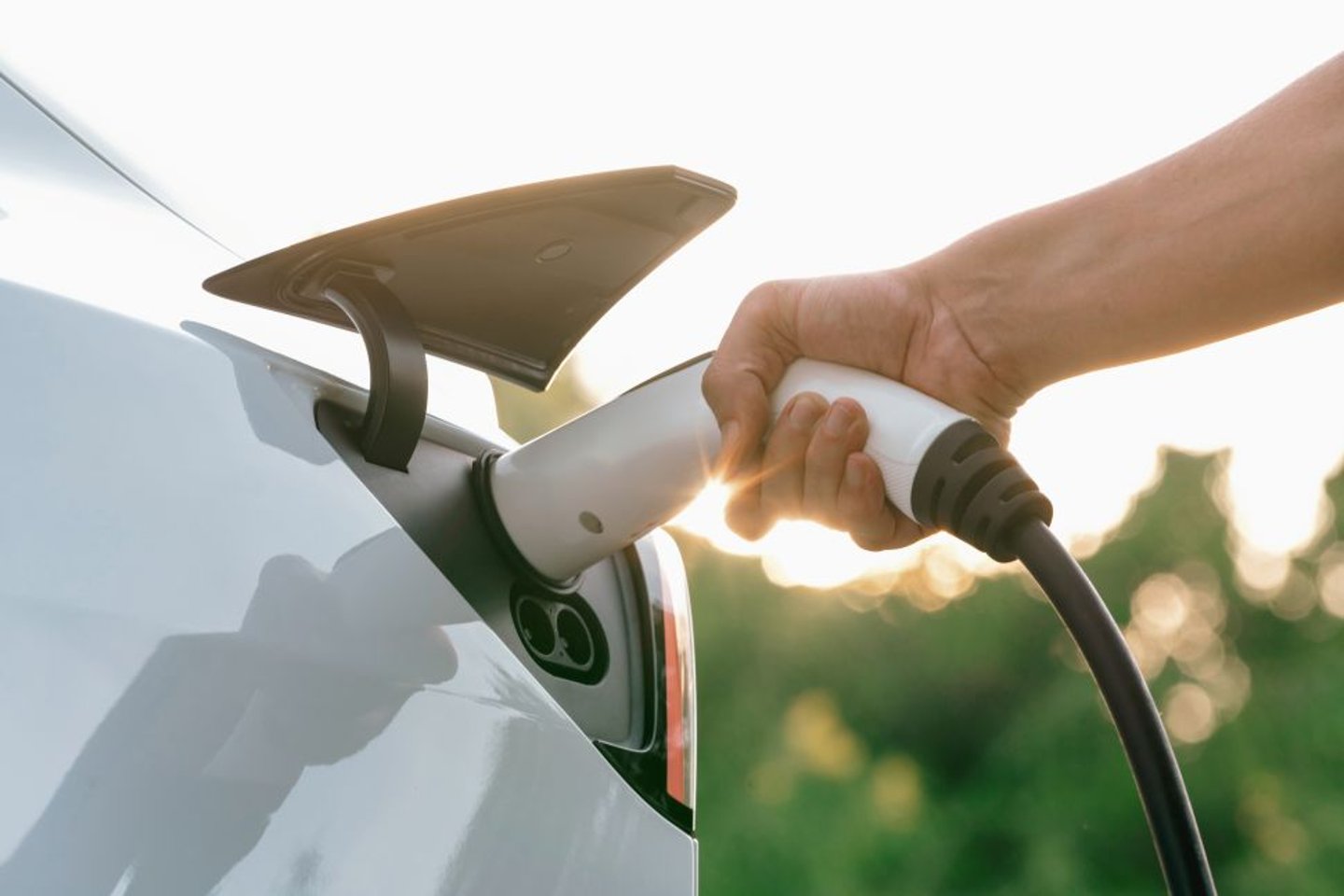
Speaking in Mississauga, Ontario today, Prime Minister Mark Carney announced a series of measures to help industry sectors impacted by ongoing trade tensions with the United States, including a pause on the government’s electric vehicle mandated set to kick in next year.
The EV mandate was introduced by the previous Liberal government under then Prime Minister Justin Trudeau and mandated that starting in 2026 some 20% of new vehicles sold in Canada be electric, with 100% of all new vehicle sales in this country to be fully electric by 2035.
During his speech at Mitsubishi’s heavy industry plant, Carney added that along with the pause in the mandate, the federal government would immediately conduct a 60-day review of the entire program to find ways to make it more cost effective.
The decision to pause the mandated came after lobbying from Canada’s auto sector who are growing increasingly concerned about the impact of U.S. tariffs on the industry, disrupted supply chains and how a slowing economy is impacting the auto industry here.
“The members of the Global Automakers of Canada are pleased that the federal government has recognized that consumer adoption of electric vehicles in not where either government nor industry had anticipated it would be a few short years ago,” said David Adams, president and CEO of the national trade association in a statement released shortly after the announcement of the pause. “Our members are fully committed to the transition of their product portfolios to electrified transportation and this is the future of our sector, however that transition can only happen as quickly as consumers are willing to move and it is clear that higher initial upfront cost and the lack of widely available quick, reliable charging infrastructure have hindered uptake.”
READ: Canada’s ZEV push coming under fire from politicians, industry
“The members of the Global Automakers of Canada are pleased that the federal government has recognized that consumer adoption of electric vehicles in not where either government nor industry had anticipated it would be a few short years ago,” said David Adams, president and CEO of the national trade association in a statement released shortly after the announcement of the pause. “Our members are fully committed to the transition of their product portfolios to electrified transportation and this is the future of our sector, however that transition can only happen as quickly as consumers are willing to move and it is clear that higher initial upfront cost and the lack of widely available quick, reliable charging infrastructure have hindered uptake.”
The Global Automakers of Canada has for a while advocated for a “pause and review” approach to the zero-emission vehicle mandate to it reflects current market.
“While we await more details on this announcement, we also call on the governments of Quebec and British Columbia to pause their programs – which contain even more aggressive targets over shorter time horizons – and work with the federal government to ensure that if Canada is to have a ZEV mandate, that we have just one national mandate, which is consistent with the pervasive view in Canada that we have too much duplicative regulation hindering our economy,” added Adams.
In the lead-up to the announcement today, the Office of the Prime Minister released a statement saying: “The global trade landscape is rapidly changing, as the United States fundamentally transforms all of its trading relationships. The effect is profound—displacing workers, disrupting supply chains, forcing companies to rethink where they source their materials and products, and causing uncertainty that is curbing investment. Canada has the best deal of any U.S. trading partner —yet we cannot rely on our most important trade relationship as we once did. We must build our strength at home.”
Building on previously announced measures to help Canada’s steel and softwood lumber industries, the following new initiatives were announced today:
- A strong, confident workforce: The government will introduce a new reskilling package for up to 50,000 workers, make Employment Insurance more flexible and with extended benefits, and launch a new digital jobs and training platform with private-sector partners to connect Canadians more quickly to careers.
- A new Strategic Response Fund: The government will invest $5 billion through a new fund with flexible terms to help firms in all sectors impacted by tariffs
- Alliances to align training and workforce needs.
- A new Buy Canadian Policy: The government will introduce a new policy to ensure the federal government buys from Canadian suppliers, require local content when domestic suppliers are unavailable, extend this approach to all federal funding streams and Crown corporations, and provide a roadmap for provinces and municipalities to apply similar standards to their own procurement.
- Immediate liquidity relief: The government will expand Business Development Bank of Canada loans for small and medium-sized enterprises (SMEs) to $5 million, provide more flexible financing through the Large Enterprise Tariff Loan Facility, and give the auto sector flexibility by waiving 2026 model year vehicles from Electric Vehicle Availability Standard requirements and by launching an immediate 60-day review to reduce costs.
- Assisting Canada’s canola and agriculture producers: The government will introduce a new biofuel production incentive, with over $370 million for domestic producers to address immediate competitiveness challenges, amend Clean Fuel Regulations to support the domestic biofuels industry, temporarily increase the Advance Payments Program interest-free limit to $500,000 for canola advances, and provide increased funding for the AgriMarketing Program to support diversification into new markets of agricultural products.
- Regional Tariff Response Initiative: The government will expand support to SMEs to $1 billion over three years, with flexible terms, and increase new non-repayable contributions to eligible businesses impacted by tariffs across all affected sectors, including agricultural and seafood.
“We cannot control what other nations do. We can control what we give ourselves – what we build for ourselves. Canada is building the strongest economy in the G7, one that is less reliant on foreign powers and more resilient in the face of global shocks. In the face of uncertainty around the world, we are ensuring that our workers and businesses will prosper by building Canada’s strength at home,” Carney said in the statement.
“Canadian industry is the backbone of our country’s economy. Our government is investing strategically in our workers and our industries to build the most resilient economy in the G7. Today’s announcement is another big step in our mission to build one Canadian economy, strengthen our global competitiveness, and diversify our trade. This is a pivotal moment for all Canadians as we build long-term prosperity in all regions of our country,” Mélanie Joly, Minister of Industry and Minister responsible for Canada Economic Development for Quebec Regions.