CSNC EXCLUSIVE: 7-Eleven Canada lobbying to loosen Ontario beverage alcohol rules

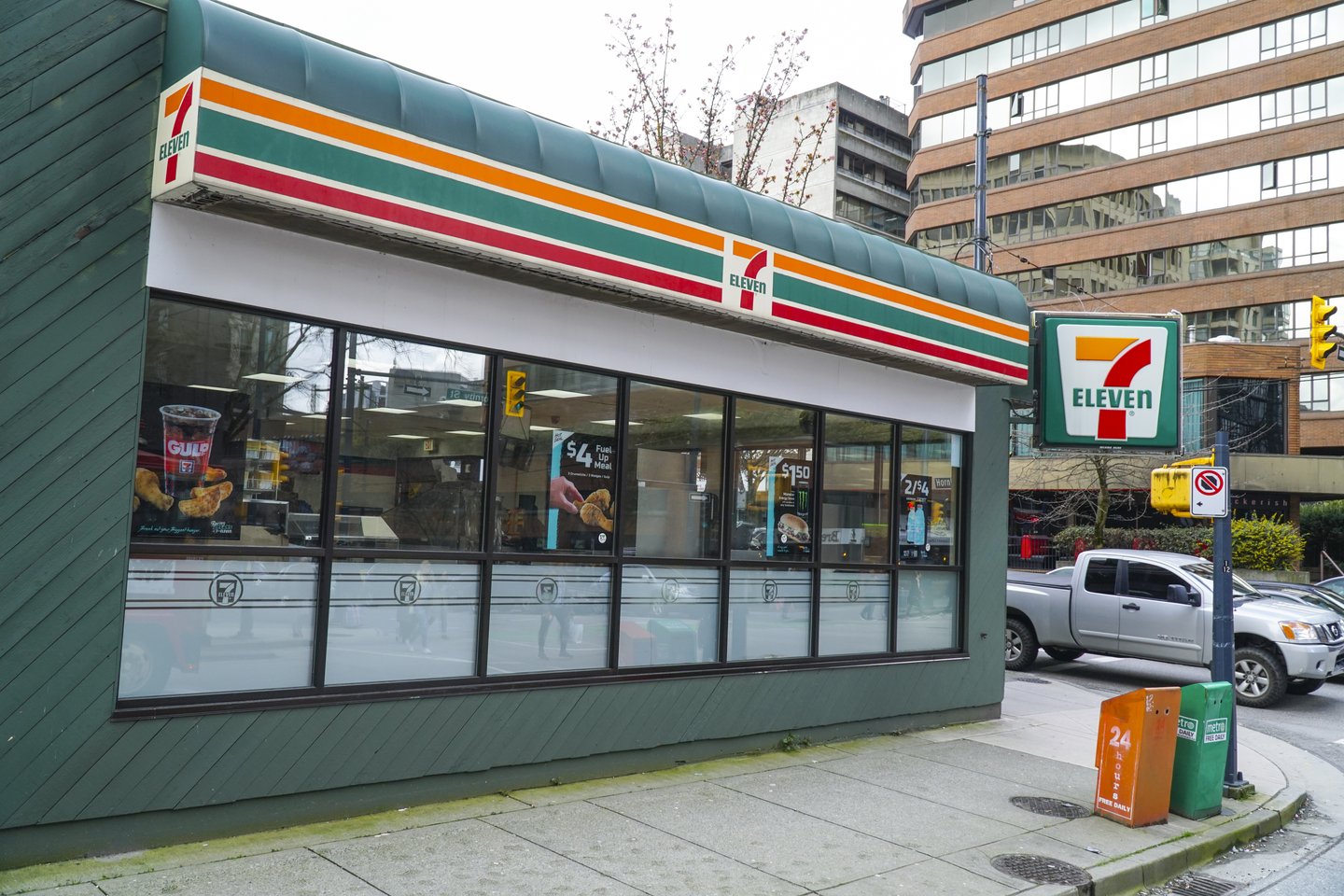
7-Eleven Canada is urging Doug Ford’s government to relax Ontario’s beverage alcohol rules, including allowing c-retailers to buy product at more flexible wholesale rates and extending sales hours beyond the current 7 a.m. to 11 p.m. window.
“The launch of retail alcohol sales in Ontario has been an overwhelming success,” says Marc Goodman, vice-president and general manager, 7-Eleven Canada, which operates more than 550 stores in B.C., Alberta, Saskatchewan, Manitoba and Ontario.
“We commend the Ontario government, under Premier Ford’s leadership, for fulfilling one of its campaign promises,” Goodman tells CSNC in an exclusive Q&A. “It has reinvigorated our industry and has allowed us to bring even more convenience to adults in Ontario.”
READ: 7-Eleven Canada readies to sell beverage alcohol in Ontario
“There are opportunities to continue improving the category,” following the Sept. 5, 2024 launch, he says.
Ideas for improvement
“We would like to see policy changes related to wholesale pricing, as well as ordering and distribution that provide flexibility, increase competition and enable more efficiency, which will lower prices for consumers,” Goodman explains.
On April 8, 2025, Ford announced that Ontario would increase the LCBO wholesale discount for c-stores as well as bars and restaurants from 10% to 15%. The increased discount was implemented on May 26, 2025, but is only set to remain in effect until Dec. 31, 2025.
“We are also asking the government to consider longer alcohol sales hours to make purchasing more convenient and better serve people who work outside traditional schedules,” adds Goodman.
Most 7-Eleven Canada locations are open 24 hours.
These recommendations come as the chain reflects on its first year of beverage alcohol sales in the country’s largest province. 7-Eleven launched the category with all 58 of its Ontario stores licensed to sell and fully stocked from day one, complete with a planogram, 60 new full-time hires, and a full assortment of beer, wine and ready-to-drink (RTD) beverages.

Driving foot traffic
“We were pleased to see the positive response from Ontarians,” says Goodman. “This category has brought new customers into our stores that would have been unfamiliar with our offerings. We’re seeing more customers pair items from our food menu with beer and wine through both takeout and home delivery. These new customers are experiencing 7-Eleven as a food destination, which is part of the evolution of our brand.”
“We have seen steady growth in the category since launch, with increased sales around major holidays and throughout the summer months,” he adds. “We’re building marketing strategies to convert these new customers into regular 7-Eleven customers.”
Reshaping merchandising
Jeff Monachello, senior director of merchandising at 7-Eleven Canada, says the alcohol rollout has also reshaped merchandising strategies across its Ontario footprint.
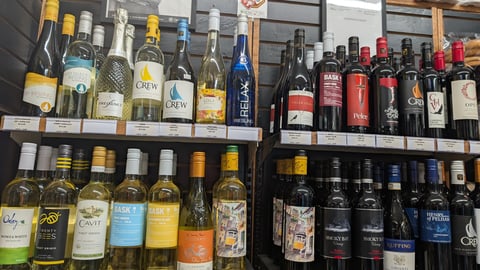
“The addition of alcoholic beverages was an opportunity to update merchandising plans for our stores. With the need to make space on shelves and in coolers to accommodate the beer, wine and ready-to-drink beverages, we’ve made some adjustments and expect to continue to evolve our customer experience as this category continues to grow,” Monachello says. “To further provide our customers with a seamless shopping experience, we have added wine cabinets to our ambient display areas.
“We have additional capital investments forthcoming,” he added.
Navigating distribution challenges
Aware of the challenges the sector has faced with storage and distribution, Monachello says, “with any new category of this scale, and in particular one that is highly regulated, there are going to be growing pains.”
However, “7-Eleven Canada is somewhat unique given our vertical integration from warehousing through distribution to retail and has enjoyed a relatively smooth roll-out over the past year,” he points out.
7-Eleven Canada leverages its integrated distribution business, Seven Eleven Distribution Canada Corp., to optimize ordering and replenishment of beer and wine inventory. The company formed this entity after acquiring lease facilities from the 100-year-old Wallace & Carey late in 2023.
As a national chain, 7-Eleven Canada also wasn’t brand new to the category and even had a few stores in Ontario serving alcohol at stores with licensed restaurant formats.
READ: 7-Eleven begins serving beer and wine at Niagara Falls location
“We had experience integrating alcohol into our business in stores in Alberta, Manitoba, and Ontario before the broader retail expansion, so we were in a strong position to get this off the ground quickly and efficiently,” says Monachello. “For example, we had policies and training related to the handling and storage of alcohol. Our category managers and store associates have done an excellent job integrating this new category seamlessly into our stores.”
“Over the past year,” he adds, “we have made assortment updates and schematic changes to continue to meet the customers’ preferences.”