
Maximizing retail success through effective signage

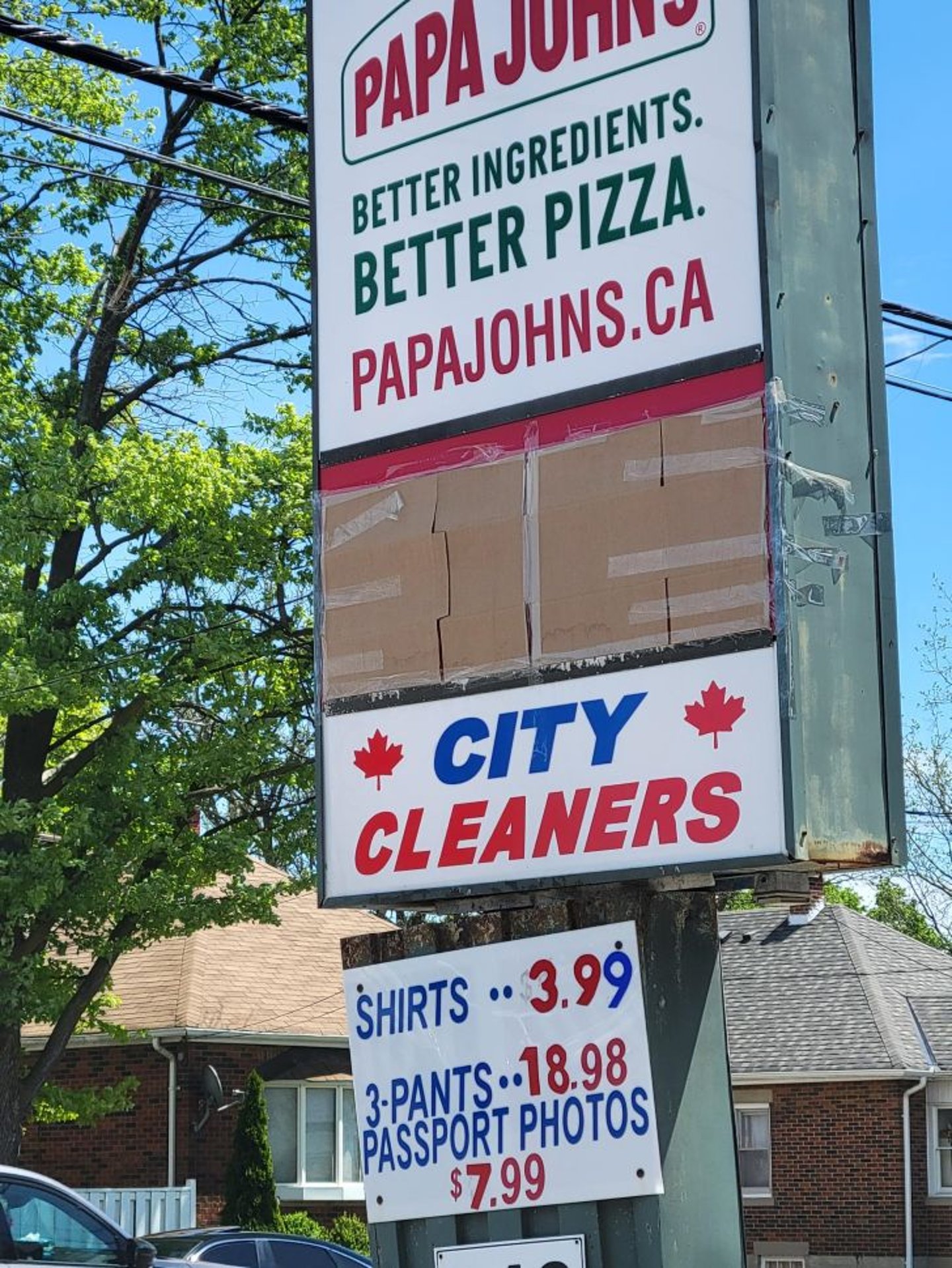
Effective retail signage is an essential component of a successful retail enterprise. It not only enhances customer experience but also directly influences sales. Without well-planned and maintained signage, retail locations may struggle to reach their full potential. Signage management may feel overwhelming due to the many factors involved; from design consistency to upkeep and placement, however it is an important operational element of retail businesses.
Marketing professionals understand that visual communication is key. Your signage is a direct reflection of your store's identity and offerings, and it must align with your brand image. To simplify the process, let’s break signage down into three key categories: road signage, building signage, and in-store signage.
Road signage: Drawing attention from afar
Road signs play a crucial role in attracting traffic from the street. These signs should be easily visible from a distance, with large, readable fonts suitable for passing motorists and ensure there are no visual obstructions. The messages on the sign must be concise and on point.
Now is a good time to assess the condition of your road signage:
- Trim foliage that may obscure visibility.
- Replace faded or broken signs.
- Update the information displayed: remove outdated messages (i.e. promoting an ATM that is no longer available) and replace them with current offerings.
Goal: Encourage potential customers to stop and shop in your store.
Building signage: Creating a strong first impression
Your building signage is the face of your store. It typically includes your store name, logo, and sometimes promotional content. These signs should be:
- Well-lit and clearly visible at night.
- Fully functional—burnt-out bulbs or flickering lights create a poor impression.
- Professionally designed and consistent with your branding.
For temporary promotions, use durable materials like corrugated plastic and maintain a uniform size and design for a cohesive look. Remove any worn or outdated signs promptly, as poor signage quality can tarnish your store’s image.
Additional signage such as pump toppers or nozzle talkers (for locations with fuel) should also follow these principles—stay current, clean, and relevant.
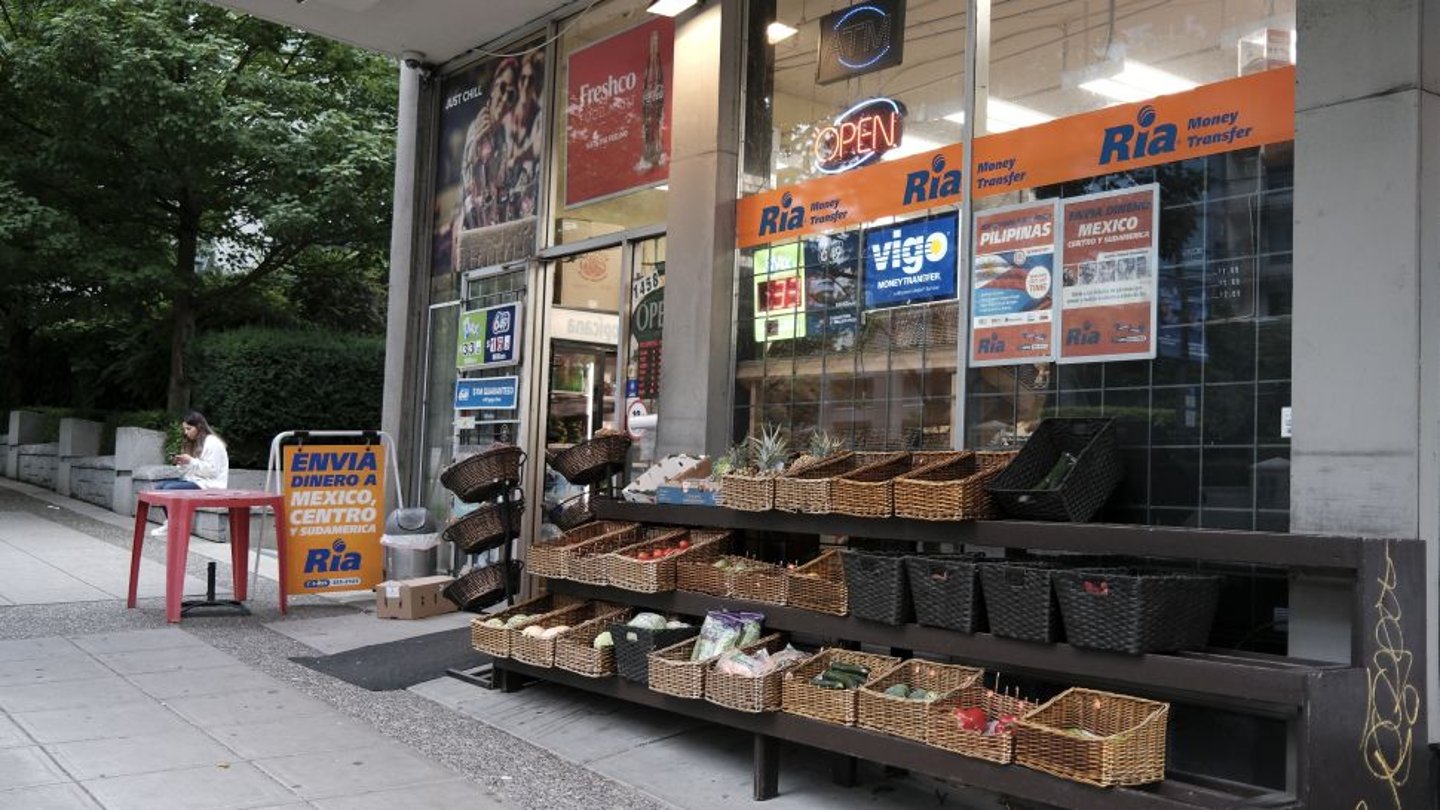
In-store signage: Enhancing the shopping experience
Once customers are inside, signage continues to play a vital role. It guides, informs, and influences purchasing decisions. Balance is key—too many signs can be overwhelming and confusing for the customer.
Best practices for in-store signage:
- Keep it strategic: Place signs where they are most needed (i.e.. endcaps, promotional displays).
- Ensure clarity: Use bold, easy-to-read fonts with high contrast.
- Promote effectively: Highlight promotions with colorful, concise signage.
One of the most important in-store signage functions is price communication. If customers are not able to quickly and confidently determine the price of a product, they may avoid purchasing it. Shelf labels are a cost-effective solution. There are also modern digital label systems available that simplify price updates and reduce errors.
Bottom line: Accurate, visible pricing boosts customer confidence and encourages sales.
Signage dos and don’ts
Do:
- Use consistent fonts, colors, and sizes across all signage.
- Keep signage updated: remove seasonal or expired promotions.
- Replace damaged signs promptly.
- Regularly inspect illuminated signage and replace any non-functioning bulbs.
- Be prepared with temporary signage such as “Out of Order” notices when needed.
Don’t:
- Avoid handwritten signs as they appear unprofessional.
- Do not clutter windows or entryways with excessive signage.
- Never display incorrect pricing—it confuses and frustrates customers.
- Do not cover outdated signage with cardboard—properly remove and replace it.
Final Thoughts
Signage that is clear, consistent, well-maintained, and strategically placed enhances your store’s visual identity and boosts customer engagement. Shoppers will notice your attention to detail, and this professionalism builds trust thus leading to stronger sales and brand loyalty.
Investing time and resources into signage may seem like a small operational detail, but when done right, it delivers big returns. Setting clear, uncluttered signage standards and maintaining them regularly creates a more inviting and effective retail space.