'Nothing short of a nightmare': Rural general stores pushed to the brink by new Ontario alcohol rules
Southgate is standing with the owner of the Holstein store, and other country general stores, as they seek to change rules on alcohol sales that are crushing them.
"I am one of the first ones that had to put their store up for sale," Wayne Billings told council last week.
Store owners in rural areas and gas stations have long held special licences from the LCBO.
But the rules for them haven't changed to keep up with the new marketplace of liquor sales in Ontario.
The result is "nothing short of a nightmare", he said. The most pressing needs he named are:
- They are held to lower margins than other outlets;
- They are extended no credit and must pay at ordering;
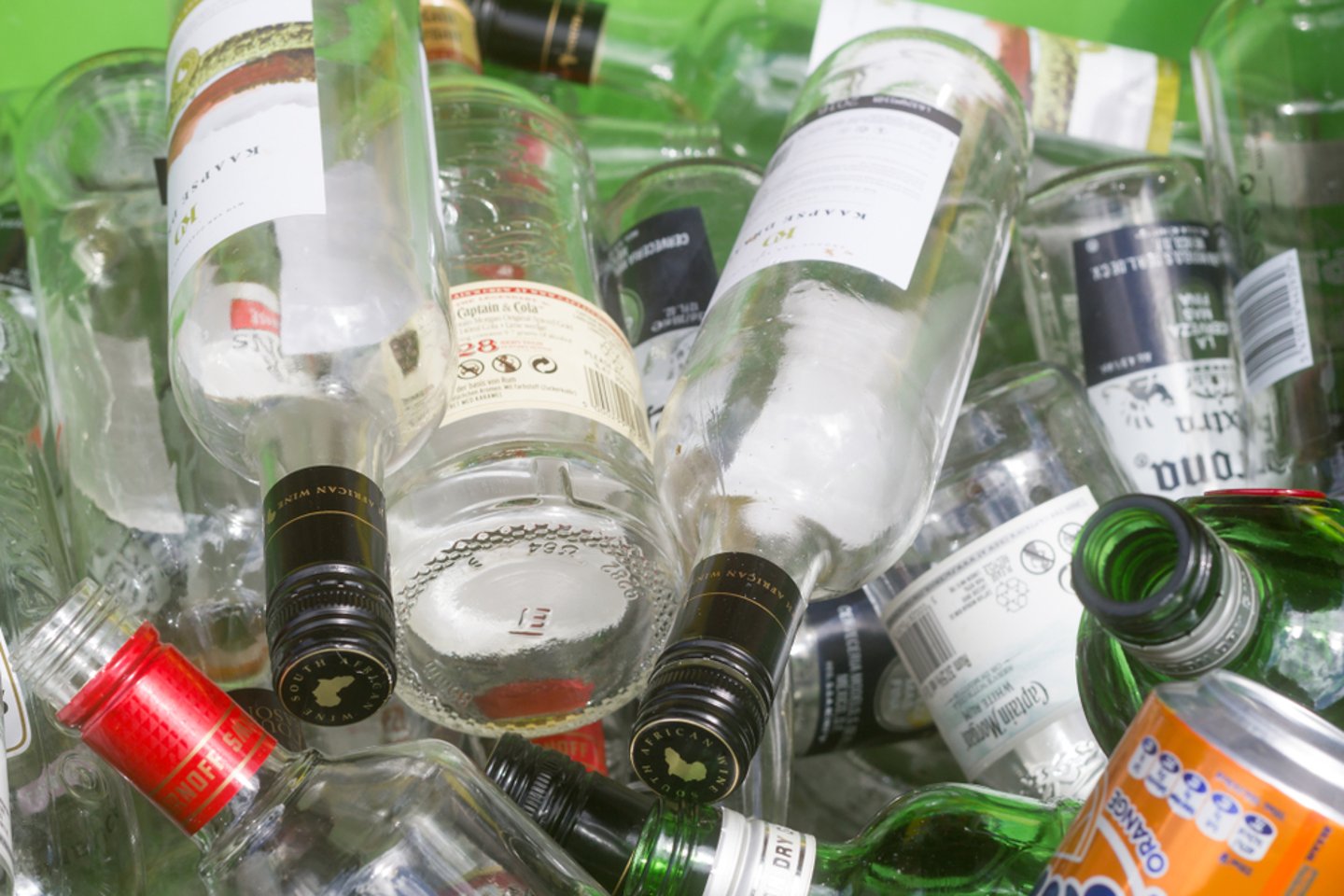
- They are being left holding more far more than their share of the cans and bottles, as Beer Stores are closed and grocery stores are paying a fee rather than handling returns.
Southgate Council voted unanimously to send a letter supporting asking for fair treatment for the LCBO Convenience Outlets to the province and all municipalities in Ontario.
What's an LCO?
The acronym stands for LCBO Convenience Outlet.
And no, confusingly, that's not the same thing as a convenience store. The LCOs are mostly small "mom-and-pop" type stores, in rural areas across Ontario, selected by an RFP process.
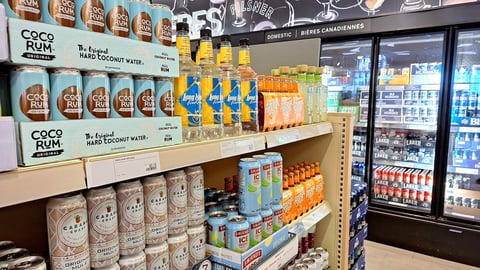
And where these in-store locations were once the only close-at-hand choice in rural areas to buy alcohol, since 2024 beer, wine and coolers are at the grocery store.
When it comes to the shift on pricing policy, Billings said that an LCO is held to selling 10 percent over the wholesale price, while those in other categories can mark up 20 to 30 percent. The LCO stores also have to pay delivery fees.
Another change happened on April 1, 2026. The LCBO changed over to a new ordering system. That April 1 move has been no joke.
The store in Holstein was left scrambling when they were unable to order when the system was down, affecting supply over the long weekend.
Another roadblock came at the same time, as LCOs had their accounts at The Beer Store stopped and were forced to order through the LCBO. While orders have to be paid up front, recently delivery was delayed for one week on an order while shelves at the store emptied.
And while trade has dropped at LCOs since the 2024 change, at least they still have the advantage of selling hard liquor.
That's why many would like to hold onto their status as LCOs. If they were to apply for a convenience store licence, they would give up hard liquor sales.
Bottle returns soar
While alcohol sales have gone down at LCOs, returns have surged. Grocery stores, while originally supposed to accept returns, lobbied and won a concession. They now pay a fee per bottle instead of collecting them.
LCOs on the other hand are still bound to accept returns. With the price given, there is no financial advantage, what with costs of staffing and challenges with having enough physical space.
For Billings, in fact, there have been a few losses. Since he can't afford staff to count as they come in, he operates on an honour system, and some returning have been less than honourable.
The owners of the small country stores argue that the province and the LCBO have financial room to address some of their complaints.
Last week, the Toronto Star reported that more than 560 million cans or bottles on which deposit was collected were never returned: about $60 million. (Return payment is different on different types of bottles.)
Billings said owners of the LCOs have started an online group. More than 200 of about 400 have joined, and they are now getting an ear from the province.
Sandy Gauthier, co-owner and operator of CO Country Market in Combermere, spoke to the Township of Madawaska Valley council on May 5, saying that changes to distribution and container return threaten her business. putting it at risk.
The financial pressure of the situation is such that small community store owners need quick help, or they will lose their businesses, and communities will lose their treasured general stores.
Not just a store
The Holstein General Store has been operating for 136 years. It's a store, a post office and more.
Billings described it as a community hub. He sells tickets at no charge for community events and for fundraisers like Catch the Ace.
He is part of most community events and organizes them as well. Holstein General Store hosts community special events throughout the year, from summer family fishing to visits from Santa at Christmas time.
The store also offers goods and products from dozens of other local small businesses. It sells barbecue supplies, and with his Spanky's food truck, Billings is often invited to provide delicious barbecued food at local events.
If you need purchases from groceries to stationary to bones for your dog to gnaw, the Holstein General Store can serve your needs.
Mayor Brian Milne said the store is rightly known as the Holstein Mall. He added that he had brought the plight of the store and ones like it to the attention of the local MPP.
Billings said store owners have a list of about a dozen things that are common pain points.
But he is hopeful that action on the big three of retail price point, some kind of credit and addressing the can and bottle issue could bring enough relief that the store can continue.