Quebec becomes first province to ban the sale of energy drinks for children under 16
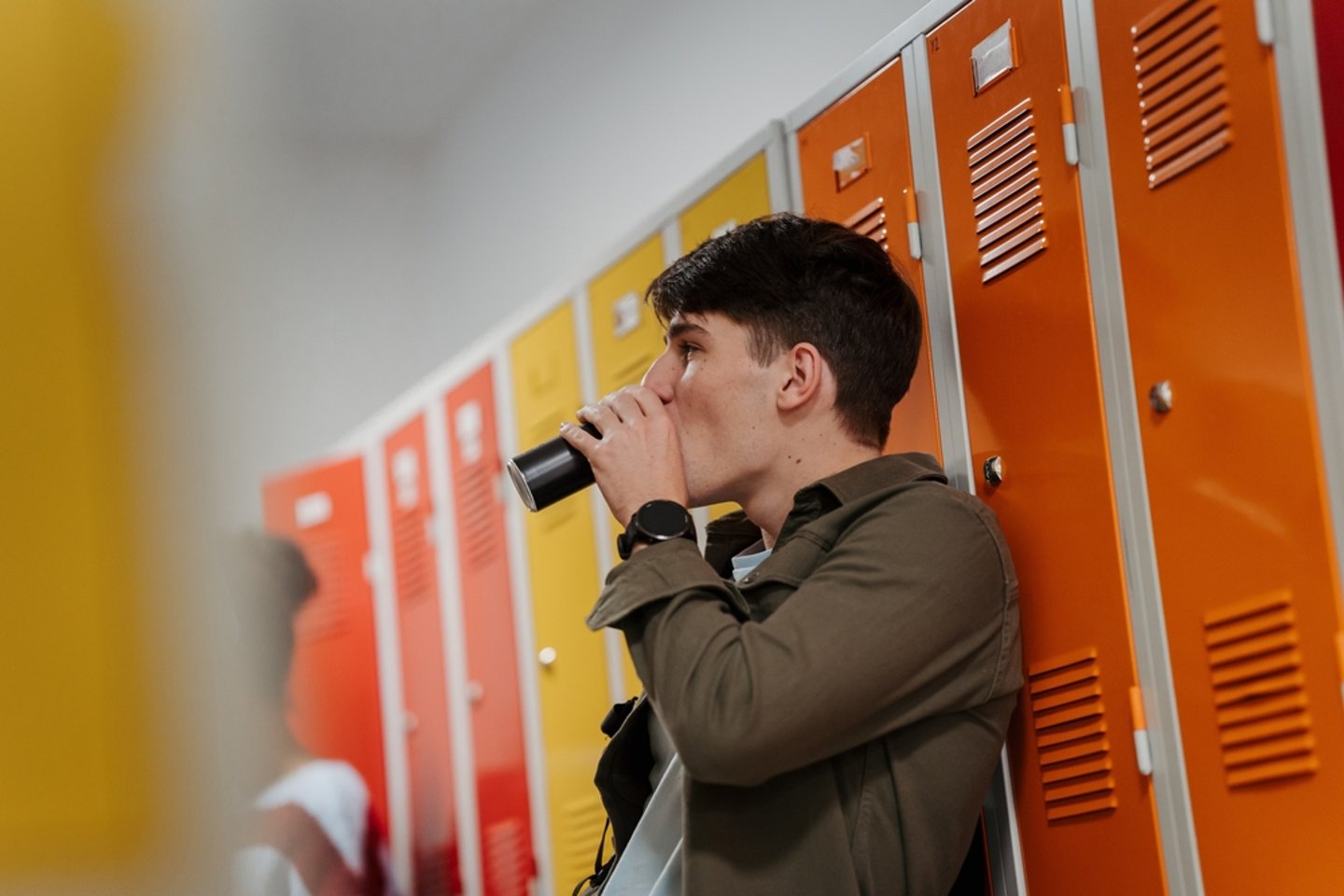
Children in Quebec will soon need to be at least 16 years old to buy an energy drink after the province adopted legislation Thursday aimed at protecting young teenagers from the potential harms of the caffeinated beverages.
The bill, scheduled to take effect in six months, makes Quebec the first province in Canada to adopt legislation banning the sale of energy drinks to most minors.
The legislation was adopted 103 to one — only Independent member Youri Chassin voted against it. Meanwhile, retailers raised concerns about potential grey areas in enforcement and the beverage industry said the bill is unlikely to deliver meaningful effects on teens' health.
An energy drink is defined in the bill as a beverage with a caffeine concentration of at least 150 milligrams per litre and containing other ingredients such as taurine, vitamins or minerals.
The Quebec government said the measure is aimed at reducing the health risks associated with energy drink consumption among young people. According to Quebec’s statistics institute, consumption among high school students nearly doubled between 2016 and 2023.
The Canadian Paediatric Society has said that children should avoid energy drinks, and in 2017 issued a policy statement saying, "Because of the dangers associated with caffeinated energy drinks, the (society) is also advocating for legislation to prevent their marketing to youth."
Quebec's legislation follows the death of 15-year-old Zachary Miron in 2024, who died when the energy drink he consumed interacted with his ADHD medication.
During debate on the bill this week, Quebec Health Minister Sonia Bélanger thanked Zachary’s parents, David Miron and Veronica Martinez, saying they had helped raise awareness about the issue.
“We believe it is better to act preventively when the health of young people is at stake,” said Bélanger.
The Canadian Beverage Association said in a written statement that the bill was rushed through the legislature and is unlikely to deliver meaningful public health benefits "rather than merely shifting purchases of energy drinks to less regulated channels.''
The legislation also bans the sale of energy drinks online and through vending machines, except in cases that may later be authorized by government regulation. The law grants inspection and investigative powers to Santé Québec, the provincial agency responsible for overseeing the health-care system. Minors who violate the legislation can face fines of $100, while penalties for retailers can reach $62,500, which could double for repeat offences.
Retail groups, for their part, say they support the legislation but are seeking clarification on several aspects of how it will be applied.
“We want as few grey areas as possible,” said Samuel Bouchard Villeneuve, public affairs director for Quebec’s food retailers association.
One concern involves the types of ID that will be accepted to verify a customer’s age. The legislation requires photo ID issued by the government, one of its departments or a public body, and it must show the buyer’s name and date of birth.
Bouchard Villeneuve said it is unclear whether a high school ID card, for example, would meet the requirements.
However, he assured that stores would refuse sales whenever there is doubt about a customer’s age, drawing a comparison with existing practices for alcohol, tobacco and lottery products.
Retailers will also need to update self-checkout systems so that an alert appears when customers attempt to purchase an energy drink, similar to procedures already used for alcohol sales.
Michel Rochette, Quebec president of the Retail Council of Canada, said retailers are also concerned about the law’s ban on online purchases and deliveries.
“The way the government has framed it, it’s as if we’re unable to ask for proof of age at the time of delivery, so they’re simply banning all forms of delivery or online purchases,” said Rochette.
Both organizations welcomed the six-month implementation period, saying businesses will need time to update systems, train staff and determine which products fall under the legislation.