
Thinking of selling your convenience store?

At some point, convenience store owners may start wondering what the future might hold for their business. Selling is one option. To help navigate the process, Karl E. Sigerist, Jr. wrote Selling Your Canadian Business: A Step-by-Step Guide to Maximizing Value and Securing Your Legacy. It’s the ultimate how-to manual for sellers that takes them through the entire journey step by step.
For Sigerist, writing the book was personal. “I am the child of entrepreneurial parents who immigrated to Canada from the Netherlands and built something from nothing,” he explains. I went on to become an entrepreneur and an executive myself, founding and leading businesses through the full cycle, including the sale and transition at the end. Helping other owners through that moment is something I care about deeply, honestly and emotionally.”
For most owners, selling the business is “the largest financial event of their life,” he notes, and they go through it once, with no rehearsal, across the table from buyers and advisors who do it for a living. "That imbalance costs Canadian owners real money and, just as often, real peace of mind,” he says.
He has worked more than 30 years across technology, specialty finance and mergers and acquisitions, and holds the ICD.D designation from the Institute of Corporate Directors. Over that time, he has been involved in transactions worth billions of dollars and gained experience sitting on all sides of the table—as an operator running businesses, as a lender financing them, as an investor backing them and as an advisor selling them. Sigerist is also the founder of The Shaughnessy Group, a boutique corporate finance advisory firm specializing in mergers and acquisitions.
His book addresses the void in the resources readily available to Canadian business owners. There wasn’t a single, plain-language guide that pulled together Canadian tax, Canadian law and the Canadian deal landscape in one place.
He points out the need is not abstract. The Canadian Federation of Independent Business estimates that 76% of small business owners plan to exit within a decade, putting more than $2 trillion in assets in play, yet only about 9% have a formal written succession plan.
“I wrote Selling Your Canadian Business to help close that gap,” he explains. “It is the guide I wish had existed for the owners I grew up around and the ones I advise today.”
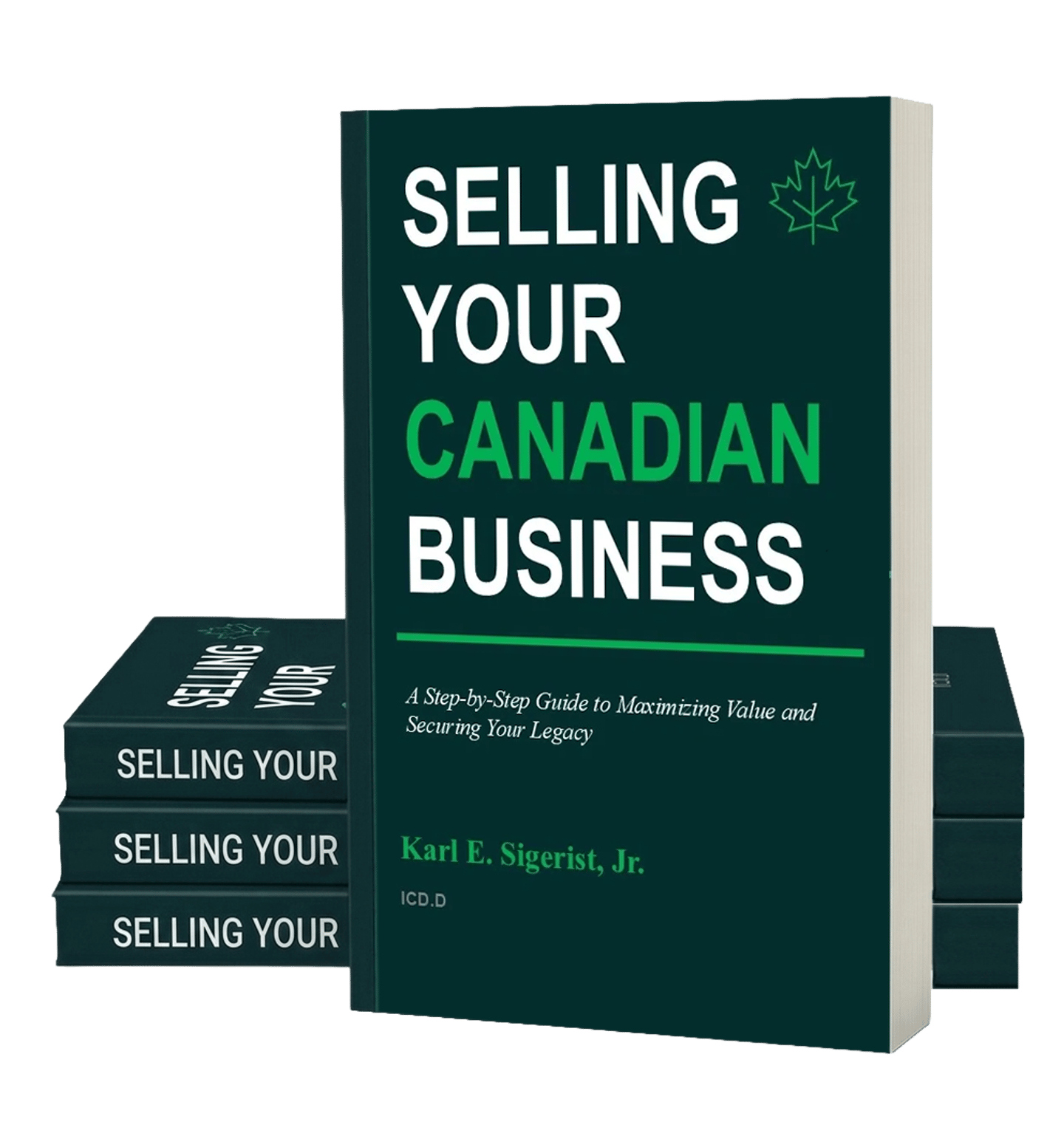
Convenience Store News Canada chatted with Sigerist about his book (available on Amazon.ca) and how c-stores owners can navigate a sale, from putting a value on their business to dealing with the emotions that come with selling.
CSNC: What are the main considerations in deciding whether it's time to sell?
Karl E. Sigerist Jr.: Two things matter. The first is the readiness of the business, not just the owner. Is performance trending up, are the numbers clean and is the company less dependent on you personally? Buyers pay more for a business that runs without the founder in every decision. The second is timing. And here is the honest part: Selling a business that is doing well beats selling one that is struggling, but that timing is not always yours to choose. Health, family, a partner dispute, a shift in your market or the broader economic cycle can force a sale on someone else's schedule.
Because you cannot count on the perfect moment, the one variable you do control is preparation. A business kept sale-ready, with clean financials, documented systems and less dependence on the owner, can be sold well even when the timing is forced upon you.
One related caution: BDC research found that owners who are mentally heading for the exit often stop investing and pull back on risk, which quietly erodes value before a sale. So, prepare early and stay prepared, because preparation, not perfect timing, is what protects your price and your options.
CSNC: What are the key factors c-store owners should think about before selling?
KS: Convenience retail has its own fingerprints. [See seven specific tips in the sidebar below.] The headline is that a convenience store sale often involves more than the business itself. There may be real estate, a fuel operation and supplier or franchise agreements, and each is valued differently. The sector is also consolidating. The Convenience Industry Council of Canada has reported the industry losing an average of 1.5 stores a day, which means scale buyers are active and a well-run independent can be an attractive target. Clean books, transparent fuel and tobacco margins, and a defensible lease or owned real estate are what separate a premium price from an average one.
CSNC: Business owners often undervalue their companies. What's the best way to get an accurate assessment and what factors affect the value of a convenience store most?
KS: I would gently turn that around. In my experience the more common error runs the other way. Owners tend to overvalue, not undervalue, because they price the business on a headline multiple or a rule of thumb they read on the internet, or on what they need for retirement, rather than on what a buyer will actually pay.
The remedy is a disciplined exercise, a preliminary opinion of value, sometimes called a probable opinion of value, prepared by an experienced broker or M&A advisor. It is grounded in your real, normalized earnings, meaning the add-backs for owner perks and one-time costs that reflect true profit, and in comparable transactions, so it reflects what the market will actually pay.
For a convenience store specifically, the factors with the greatest impact on value are location and traffic, the mix and stability of margin (fuel versus in-store and the role of tobacco, lottery and, in some provinces, beverage alcohol), foodservice and prepared food, whether you own or lease the real estate and on what terms, the hours and labour model, and any environmental considerations on fuel sites. Two stores with the same sales can carry very different values once those factors are weighed.
CSNC: If you were advising a convenience store owner hoping to sell within the next three years, what three actions should they be taking now?
KS: One, get a preliminary opinion of value now from an experienced broker or M&A advisor, so you know your starting point and the gap to your goal, with three years to close it. This is far less costly than a formal valuation and is the right tool at this stage.
Two, clean up and de-risk the business: separate personal expenses from the company, get your financial statements review or audit ready, document your systems and reduce the company's dependence on you.
Three, start the tax and structure planning early. That includes planning for the Lifetime Capital Gains Exemption, raised to $1.25 million for qualifying small business shares as of 2024 and indexed from 2026, which carries ownership and asset tests that can take two years or more to satisfy.
It also means separating the operating business and the real estate into different entities well ahead of any transition, because the investor who wants your property is often not the buyer who wants your store. Splitting them early creates optionality and supports your long-term estate and tax planning. The owners who do these things early are the ones who sell on their terms.
CSNC: Selling a business can be an emotional decision. How do you suggest owners navigate letting go of something they created?
KS: The emotion is real and it deserves respect, not a pep talk. The business is often tied to an owner's identity, their family and their sense of purpose, so letting go is as much a grief process as a financial one. A few things help.
First, name the goal beyond the money. Ask what you are selling for, whether that is retirement, health, a next chapter or protecting your people, because that answer keeps you steady when the deal gets hard.
Second, separate the decision to sell from the negotiation to sell. Make the decision calmly and in advance, so you are not deciding under deal pressure.
Third, line up your life after the sale before you close because the hardest Monday is the first one when you no longer own the company. Owners who plan the personal transition, not just the financial one, tend to be far more at peace with the outcome.
CSNC: What questions should convenience store owners ask prospective buyers before entering serious negotiations?
This is where the advisor earns their keep and it goes beyond just finding a buyer. As the quarterback of the deal, the advisor approaches and qualifies a field of suitors and screens each one on the owner's behalf, which both protects the owner and creates the competitive tension that lifts price and terms.
The questions the advisor puts to every suitor are the ones that matter: Who are you, exactly, and where is your money coming from, whether a strategic chain, a private equity firm, an individual operator or a search fund? What is your track record of closing, with completed deals to point to? Is your financing committed or still conditional? What is your plan for the staff, the brand and the customers after closing? And what will you require of the seller afterward, whether an earnout, a transition period or a non-compete?
Putting these to several suitors at once, rather than reacting to one unsolicited approach, is what tells you which buyer is real, which can actually close and which deal protects what the owner cares about beyond price.
- Maximize your sale: 7 crucial tips for convenience-gas operators
If you are pondering a sale, Sigerist offers these talking points as a place to start the conversation about selling. For more information, refer to sellingyourcanadianbusiness.ca.
- Start early and stay sale-ready.
You cannot always pick the moment you sell, so prepare years ahead. The owner who is always ready can still sell well when the timing is forced. - Reduce the store's dependence on you.
Clean books, documented systems and a reliable manager make the store worth more and let it run without you in every decision. - Make your margins legible.
Separate and document fuel, in-store, tobacco, lottery and, where it applies, beverage alcohol. Buyers pay for margins they can verify. - Separate the real estate from the operating business early.
The investor who wants your property is often not the buyer who wants your store. Holding them in different entities ahead of a sale creates optionality and supports estate and tax planning. - Plan the tax and structure before the deal.
The Lifetime Capital Gains Exemption and related planning carry multi-year ownership and asset tests, so engage a tax advisor well ahead of any sale. - Test the price with a preliminary opinion of value.
Owners more often overvalue than undervalue. A broker or M&A advisor can price your store on normalized earnings and comparable sales, so expectations reflect what the market will pay. - Do not go it alone.
An M&A advisor acts as the quarterback, orchestrating your lawyer, tax advisor and the rest of the team, and running a competitive process across several suitors rather than reacting to one approach.
- Start early and stay sale-ready.