Bank of Canada set for pair of important data drops ahead of 'live' rate decision

Statistics Canada is set to release its September inflation data on Monday, giving the central bank a look at how energy price pressures are influencing other parts of the consumer basket.
A Reuters poll of economists expects the annual rate of inflation rose to 3.2% in September, up from 3% in August, according to LSEG Data & Analytics.
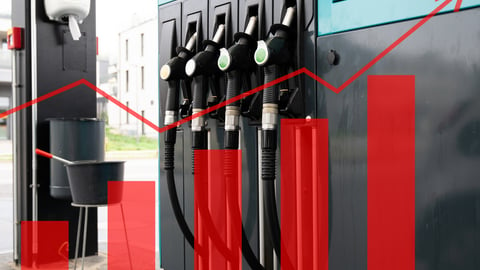
RBC assistant chief economist Nathan Janzen said he expects inflation held steady at 3% last month. Persistently high gasoline prices tied to the ongoing war in Iran will remain the biggest fuel for inflation, he said.
"We know that energy prices are high. What we don't know yet is the extent that those higher energy prices have or are going to spill over to broader inflation pressures," Janzen said.
The Bank of Canada signalled at the start of the Middle East conflict last spring that it would look through a temporary rise in energy costs tied to the war. But officials have warned that the longer global oil prices remain high, the greater the risks that inflation spreads past the gas pump.
READ: Diesel-fuelled price hikes could stoke food inflation this fall, experts warn
In that case, the central bank could be forced to raise its policy rate, which has stood for nearly a year at 2.25%. Most economists consider that level to be modestly stimulative to growth.
Janzen said the Bank of Canada's upcoming decision on Oct. 28 will be a "live" meeting, where the door is open for the central bank to raise its policy rate, but a hike is not his base case scenario.
Even if the September price data shows signs inflationary pressures are spreading past the gas pumps, Janzen said the central bank will be weighing that against signs of softness in the labour market and wider economy.
Statistics Canada reported last week that the economy shed 68,000 jobs in September, a second consecutive month of falling employment. A re-escalating trade dispute with the United States has also hampered growth prospects heading into the fourth quarter.
"Higher energy prices—all else equal—would mean broader inflation pressures would be expected to rise in the future. But if the economy is getting weaker, then there are some offsetting disinflationary forces there as well," Janzen said.
"It puts (the Bank of Canada) still in a wait-and-see mode—very, very data dependent."
The Bank of Canada will also release its own quarterly surveys of businesses and consumers on Monday, which can give the bank a better sense of whether firms are planning to pass their own rising costs on to consumers.
Janzen said inflation expectations and business confidence will help inform the central bank whether higher prices among producers could be passed on to store shelves in the months to come.