The skinny on front-of-package labels

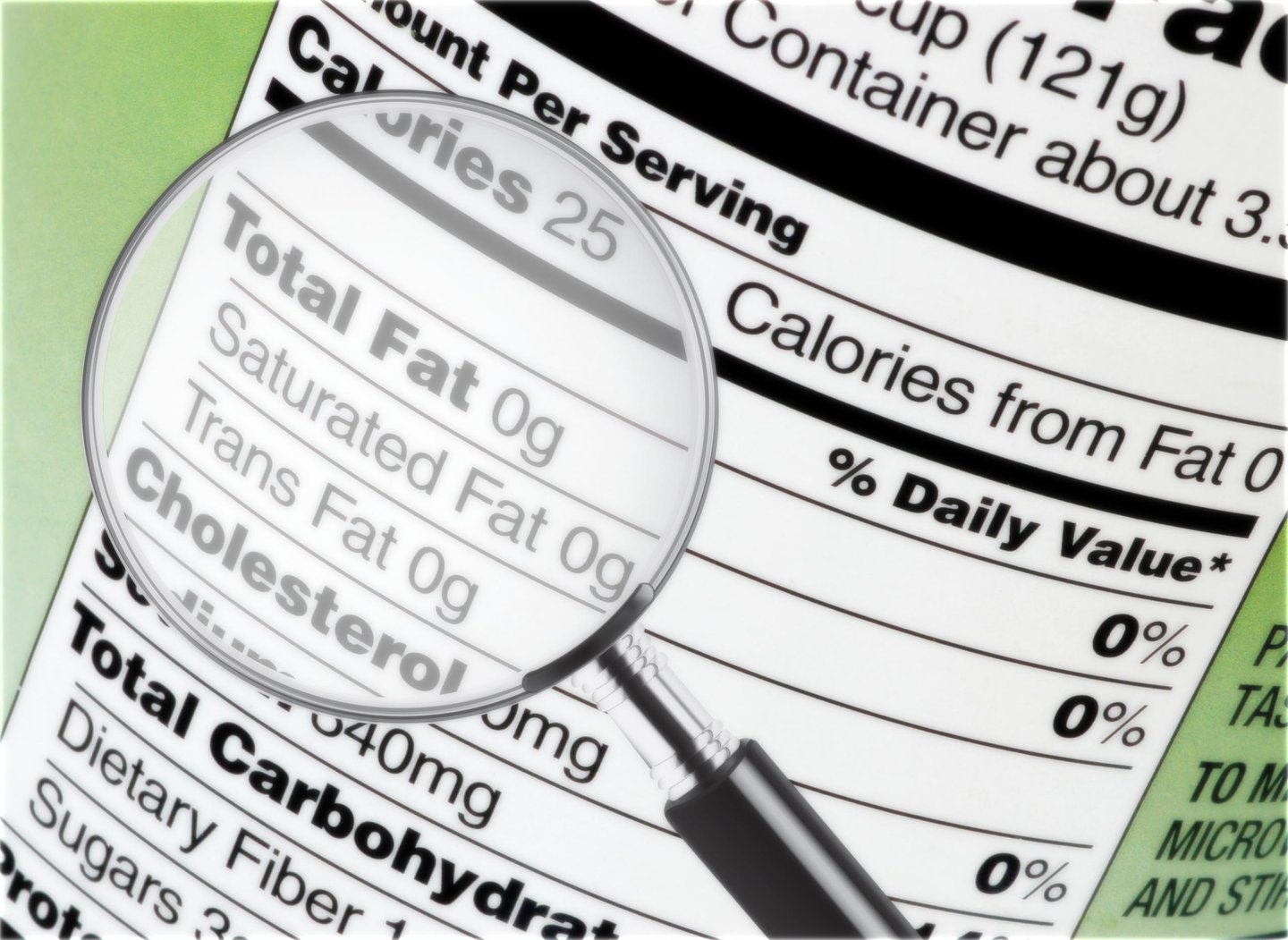
Canadians are a “food literate” bunch and have been for as long as Ipsos FIVE has been tracking their consumption attitudes and behaviours (over a decade for anyone counting). By 2025, seven out of 10 Canadian adults could be dubbed as “food literate,” professing they frequently read the nutrition facts tables or ingredients lists on their foods and beverages. That behaviour is common across all cohorts from boomers (74%) to generation Z (68%). What’s more, this food-literate crowd recruited another 11% of Canadians over the past year. And what are they typically looking for is calories, sugar, sodium and fat in that order of importance.
Over the same period, Ipsos FIVE has observed consumers self moderating consumption of foods high in sugar, sodium and fat. For example, they have reported consuming chocolate, potato chips and sugary drinks less frequently (not to mention alcohol). Instead, they seek out more protein, fibre and low-calorie hydration. Or when they do indulge, they may choose a better-for-you variant like dark chocolate, snack-size portions, legume chips, vitamin- or protein-infused beverages, as well as cognitively stimulating coffee. This trend has been driving innovation in packaged foods and beverages for the past decade. That’s not to say true indulgence in sweet, salty, creamy treats is not still a massive cash cow. Consumers are just being more discerning in their choices and moments of pure indulgence: choosing quality over quantity.
Front-of-package label regulations
It’s 2026, and all applicable foods and beverages must now bear front and centre a label declaring if they are high in sugar, sodium or saturated fats. For clarity, the front-of-package (FOP) labels being referred to are those regulated by the Government of Canada, a policy that took effect in January 2026 after the industry was given several years to prepare. These new regulations are clearly disruptive, time consuming and costly for the manufacturers and retailers who must mobilize their operations to comply. But how disruptive will they be to the consumer and to sales of categories that must bear the badge of FOP?
In the absence of crystal balls and clairvoyance, we can best predict future behaviour by observing past behaviour and assessing consumer intentions. Fortunately, this is what Ipsos FIVE data has been tracking in preparation for this event. As you now know, Canadians are already a food literate consumer on the lookout for sugar, sodium and fat. Furthermore, 80% already use this information to influence their purchase decisions. Those who believe FOP labels will influence their purchase decisions are those who already use nutrition information to make decisions.
It’s reasonable to assume that the greatest impact of FOP labels will be simply to help consumers make their decisions more quickly and easily and enable a set of behaviours that have long existed. To effect, we can expect consumption trends to stay the course.
There is, however, a potential for FOP labels to gradually encourage some previously disinterested consumers to become more food literate. Historically, 30% of Canadians pay no mind to nutrition or ingredients information on packaging. Of those hold outs, about 40% do admit these new FOP labels could make them think twice: they may start weighing that information against purchases or at the very least start paying more attention to the contents of what they put in their mouth. If FOP encourages more food literacy, they could in turn nurture a group of customers more inclined to manage sugar, sodium and saturated fats. That in turn could put more pressure on already challenged confections, snacks and soft drinks.
Keep calm and carry on
Over the past decade, Ipsos has heard and echoed market sentiments of “disruption,” “crisis” and “uncertainty.” In 2026 we would like to encourage a narrative of “endurance,” “resilience” and “adaptation”. This is not mere sentimentality. Consumer and market data has revealed and justified these themes for the Canadian economy.
Convenience stores and their suppliers of sweet and savoury treats, you may stay the course. Retailers and manufacturers have driven innovation that caters to consumer demand for health, wellness and mindful indulgences for over a decade. Continue to nurture the consumer trends that balance indulgence with wellness. If you have been catering to these trends over the past decade, you have stocked more nutritious snacks and beverages; you have offered portion-controlled treats; you have proliferated low calorie and functional beverages; and you have offered more fresh meals and snacks. If you have not already jumped on the band wagon, let this be your sign. Manufacturing partners have prepared for this day. There are solutions ready for retailers to not just endure but to lead this trend in consumer behaviour.