What women want

It is in the spirit of the 2025 Star Women in Convenience Awards that this column is dedicated to the opportunity for convenience stores in Canada to better connect with their female food and beverage customers.
There is something to be said for knowing your target audience and driving home an offering tailored specially for them. C-store food and beverage offerings chose to win with young males, and they did just that. They have provided a specific point of difference, created a loyal, emotional connection, and crafted successful product expansions for the young male demographic. Congratulations are in order.
So, what’s next for convenience?
The channel is being pressured to find new avenues for growth and rethink their value proposition. Regulations on tobacco and changing fuelling patterns are cutting away at core traffic drivers. Food and beverage has been an avenue of growth and the next fork in the road is to figure out what women want.
Take food and beverage from grocery as an example: 52% is consumed by women, 47% by men, and 2% by those identifying with other genders. Convenience stores are not getting their fair share of food and beverage consumption from women at only 47%. The gap is not insignificant, but it has been narrowing with younger generations more willing to visit the channel.
Connecting with female consumers
At the risk of sounding like a dating column, the business opportunity for c-stores and their suppliers is in attracting more emotional, social and experiential visits from female customers.
When competing with food and beverage from grocery, c-store have ground to make up in being considered beyond functional, convenience-driven occasions. Loyalty with consumers is crafted around personal, meaningful connections. Convenience stores have done well to craft these relationships with young male consumers, but not with women. Women are coming in for product: cravings, hydration, taste, brands they love. However, women are significantly less likely than men to be sourcing food and beverage from convenience for reasons related to upliftment, fun, socializing, exploration and ultimately value.
Consider the bigger picture: under pressure from high cost of living, spending on food and beverage is under scrutiny. Venues that can’t compete on price with grocery—like convenience and foodservice—cannot rely on product and price to be competitive. Pockets of growth to provide value are being created by aligning with these emotional, social and experiential occasions. Any convenience operator who does not have marketing powers in-house should rely on their partnerships with suppliers, who are experienced at creating this kind of emotional value behind their brands.
Tell me about yourself
Fortunately, there is no need to gut the whole store to be more appealing to female customers (though a clean restroom may be appreciated). Women’s visits to convenience stores are more similar than they are different from men’s, but there are some unique considerations to be made in the realm of occasions and products to feature.
Female convenience customers will more likely consider the channel for daytime food and beverage consumption vs. men. Convenience tends to have an advantage over grocery and foodservice for afternoon and evening snacking occasions, but women will skew more towards afternoon snacks and men towards evening snacks. Likewise, women are more developed for lunch and less for dinner compared to men.
The nature of women’s consumption occasions reflects daytime activities as well. Screen time is still the top activity, like men, but women are more likely to be on-the-go or working. As men’s occasions are more tied to evening screen time, so too are they significantly more likely to be under the influence of cannabis than women, something unique to the convenience channel.
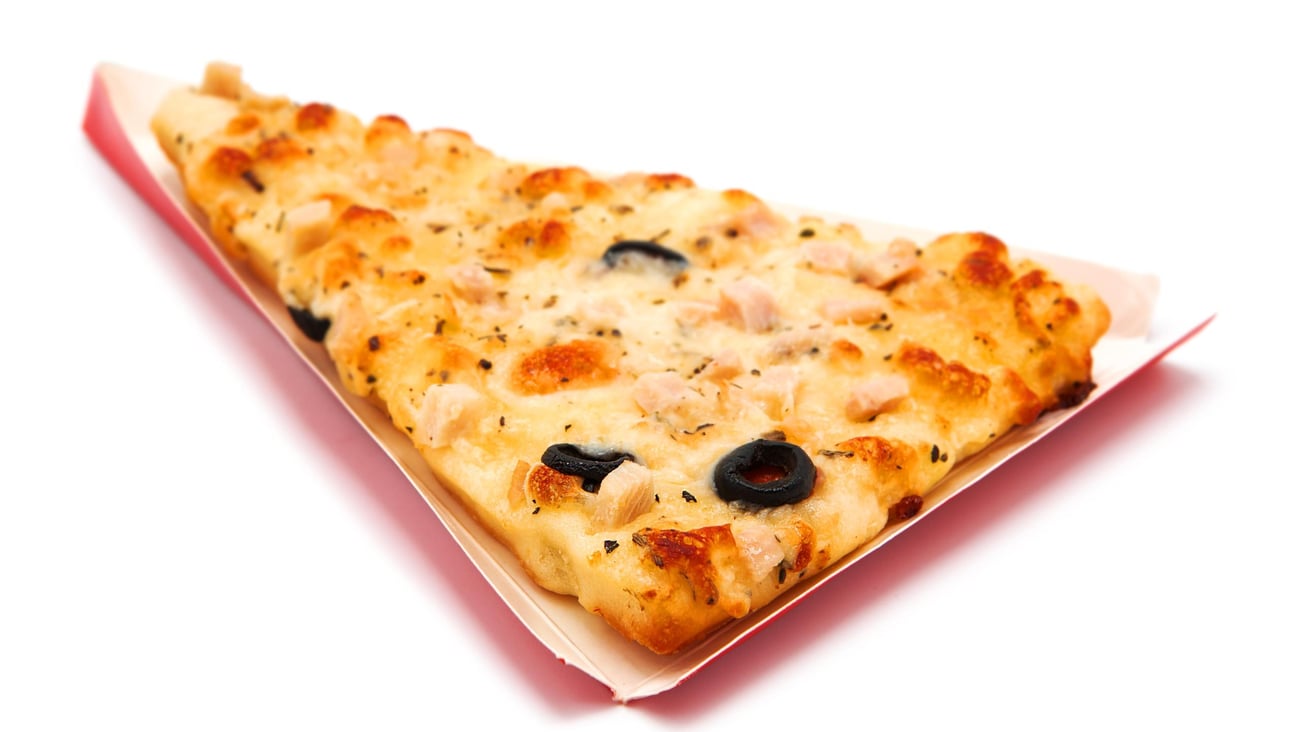
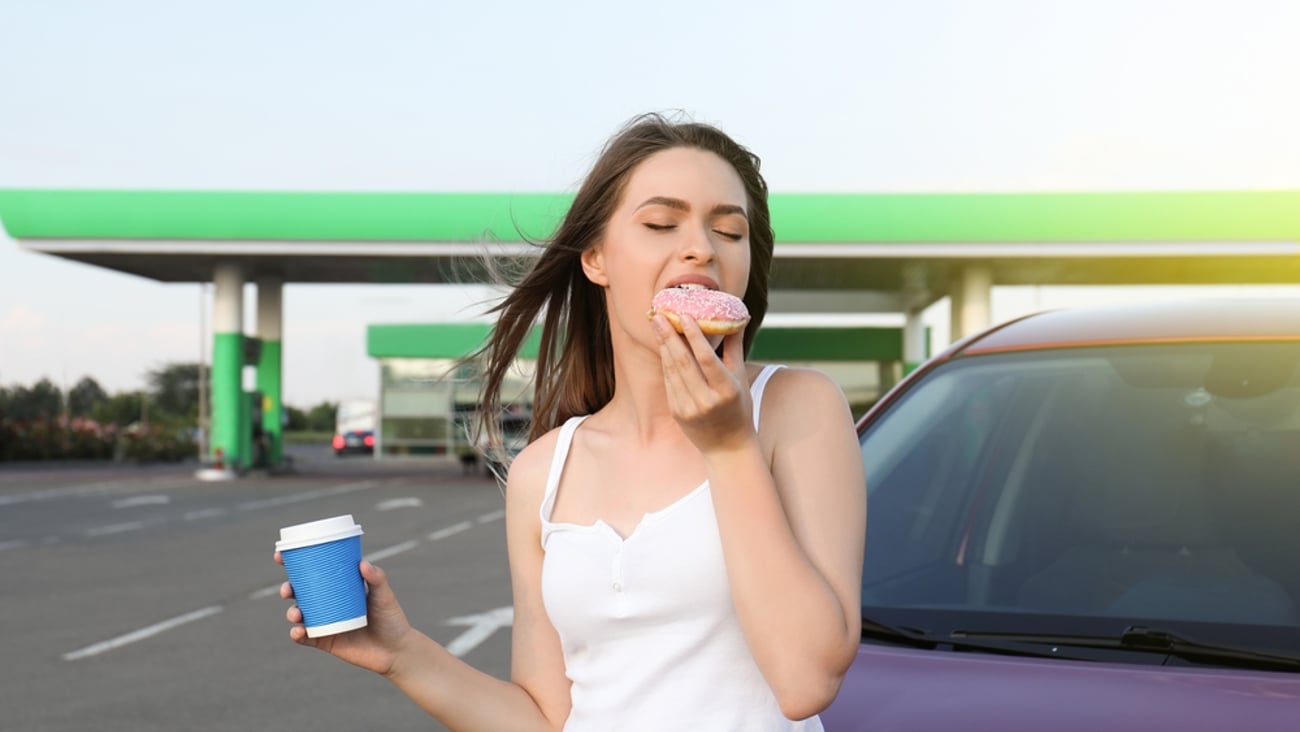
A factor of attracting more food and beverage consumption from women at convenience is opening up their willingness to source a greater variety of food categories from the channel. Women are more anchored in confection, salty snacks and bakery. Women are less keen to order sandwiches, burgers, chicken and pizza from convenience, though they are open to fruits, vegetables and dairy. All-in-all, women are less likely to source the great variety of pantry items and home-made meals they would source from grocery.
When it comes to beverages, women are three times as likely to be choosing bottled water and half as likely to be choosing alcohol. Carbonated soft drinks and energy drinks are also underdeveloped, but girls do love a slushed soft drink. Coffee is the great equalizer between men and women, but bonus points if iced coffee is available for the ladies.
It’s all about communication
The opportunity to get more women through the doors at convenience for foods and beverages is primarily one of marketing communications and promotions. The products they love are there. The price isn’t a barrier for men, as the products and experiences provide more emotional and social value. The potential requires marketing the products women love in relatable contexts that fit their unique needs—practical, social and emotional.
Emma Balment, is director, Ipsos, market strategy and understanding, Food and Beverage Group. Leveraging a team of industry experts and powerful syndicated data sets such as the FIVE Consumption Tracker, and the Foodservice Monitor, Emma specializes in uncovering growth opportunities for manufacturers, retailers and foodservice operators. [email protected]