Ask Captain Car Wash: Home versus professional car wash
Hey Captain Car Wash, my customers have some questions about washing their car at home. How can I persuade them of the difference going to a professional car wash makes?
CCW: While washing your car in the driveway may seem like a simple, environmentally friendly option, there are important things to consider—including how much water you use, where the wastewater goes and how effectively your vehicle gets clean.
Why is washing your car at home often less environmentally friendly than using a professional car wash?
CCW: Many people assume that washing a vehicle at home is an environmentally responsible choice, but that is often not the case. One of the biggest concerns is water consumption. A typical driveway car wash can use more than 440 litres of fresh water, equivalent to more than two full bathtubs. Engineering studies have found that washing a vehicle at home can use up to ten times more water than a professional car wash.
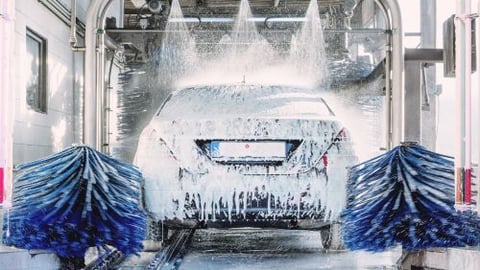
Professional car washes are specifically designed to maximize water efficiency. They use high-pressure equipment that requires less water to effectively remove dirt and grime. Computerized controls also ensure water is released only when needed during the wash cycle, preventing unnecessary waste. Many facilities incorporate water reclamation systems that capture, filter and reuse water, further reducing the need for fresh water.
Another important environmental advantage is the way wastewater is managed. Approximately 90% of the water used in a professional car wash is returned to the municipal sanitary sewer system, where it is treated at wastewater treatment facilities before being safely returned to the environment.
As drought conditions and seasonal water restrictions become more common in Canadian communities, these efficiencies can help reduce pressure on municipal drinking water supplies. For people who prefer washing their own vehicles, self-serve car wash bays provide an environmentally responsible alternative, with equipment designed to minimize water use and properly manage wastewater.
What environmental risks are associated with washing a vehicle in the driveway?
CCW: Washing a vehicle in a driveway may seem harmless, but the main concern is what happens to the dirty wash water after it leaves the vehicle. Unlike wastewater from sinks, showers and toilets, driveway runoff can enter storm drains. These drains are designed to carry rainwater and may discharge directly into local creeks, rivers, streams and lakes without treatment.
Vehicle wash water can contain soaps and detergents, motor oil, grease, brake dust, rust particles, waxes, degreasers, road salt and other contaminants collected during normal driving. When these substances enter natural waterways, they can negatively affect aquatic ecosystems.
Detergents are particularly concerning because even small concentrations can harm aquatic life. Detergent levels as low as two parts per million can remove the protective mucus coating on fish. This layer helps protect fish from disease and harmful chemicals and without it they can become more vulnerable to environmental pollutants. At concentrations approaching 15 parts per million, detergents have been linked to significant fish kills.
The impact is not limited to waterways. If contaminated water runs onto lawns, gardens or landscaped areas, pollutants can seep into the soil, potentially affecting groundwater quality and beneficial organisms that contribute to healthy soil ecosystems.
Because of these risks, some Canadian municipalities have bylaws that restrict or discourage vehicle washing where contaminated runoff could enter storm sewer systems. Homeowners should check their local regulations before washing vehicles on their property. Using a professional or self-serve car wash helps ensure wastewater is collected and managed appropriately.
Do professional car washes clean vehicles more effectively than washing them at home?
CCW: Many vehicle owners believe washing a car by hand in the driveway provides the best results. However, modern professional car washes are designed to deliver a high-quality clean while protecting vehicle finishes and conserving resources.
Professional car washes use advanced cleaning technology, specialized detergents and equipment developed specifically to remove dirt, road salt, insects and other contaminants. These systems provide a consistent and thorough clean that can be difficult to achieve with a standard garden hose and household cleaning products.
One advantage is efficiency. Modern automatic wash systems can thoroughly clean a vehicle in just a few minutes while using significantly less water than most driveway washes.
Today's professional facilities also offer different cleaning methods to suit customer preferences and vehicle needs. Soft-cloth systems are designed to gently clean surfaces while protecting automotive finishes. Touch-free systems use high-pressure water and specialized cleaning agents to remove dirt without physical contact.
For people who enjoy being more involved in the cleaning process, self-serve car washes offer a practical alternative. Drivers can wash their own vehicles while benefiting from equipment specifically designed to conserve water and properly manage wastewater.
Overall, professional car washes provide an effective and environmentally responsible way to maintain a vehicle. They help conserve water, ensure wastewater is properly managed, protect local waterways from pollution and deliver consistent cleaning results.