Beat tariff hikes: how Canadian c-stores can pivot to local sourcing

Rising geopolitical tensions and recurring tariff threats are pushing cross-border supply chain volatility back to the top of the agenda for Canadian c-store and gas station operators. For an industry operating on razor-thin profit margins, fluctuating import costs present an immediate operational challenge.
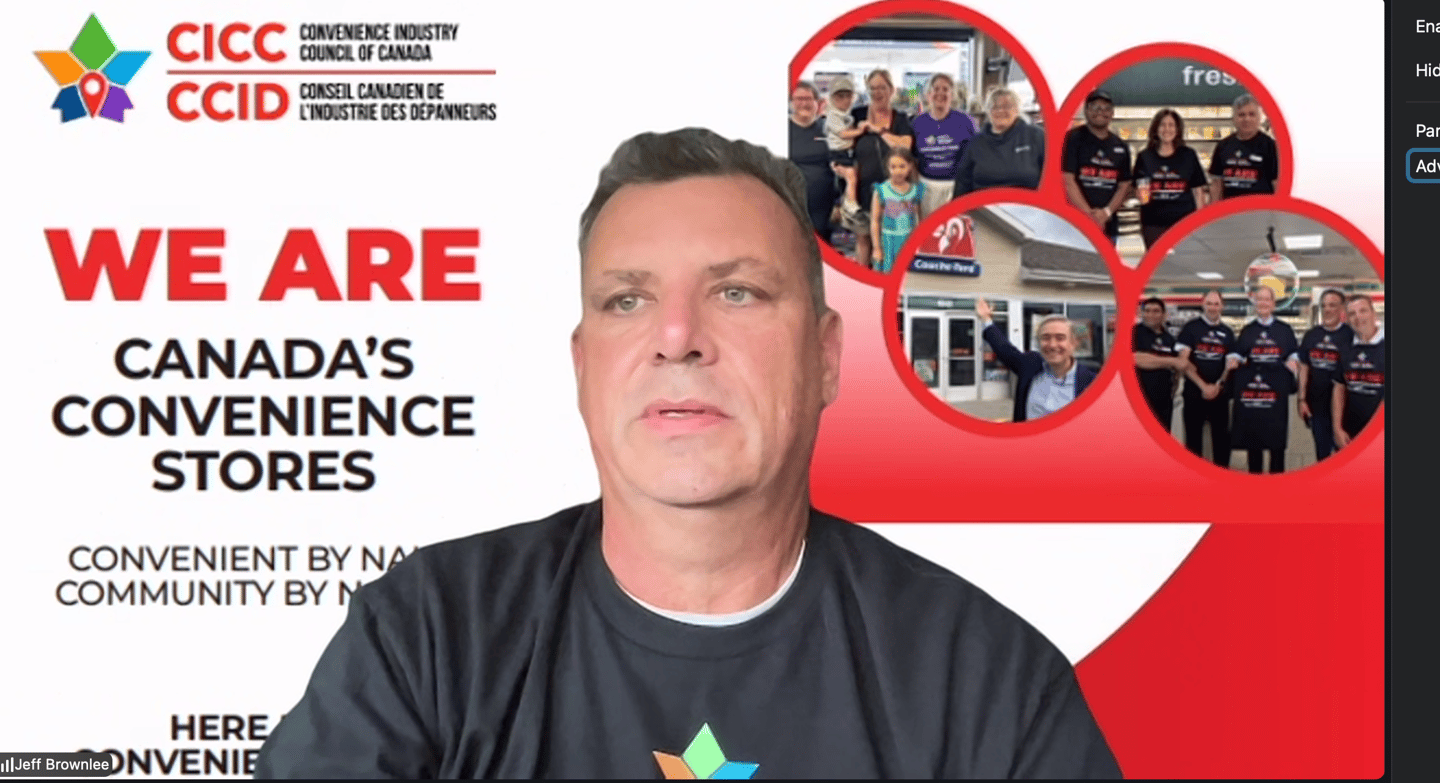
Jeff Brownlee, the vice-president of communications and stakeholder relations for the Convenience Industry Council of Canada (CICC) talks with Convenience Store News Canada to discuss actionable strategies that would help operators in uncertain times.
The geopolitical squeeze on c-store profit margins
Canadian convenience stores serve as crucial economic drivers, but trade volatility quickly strains day-to-day operations. Rising import costs and potential border tariffs directly impact inventory planning.
“You don't know how the tariffs are going and you know the Canadian consumers are going to demand more Canadian products, says Brownlee. “So you're going to have to adapt and pivot and scramble to figure out which Canadian products that Canadians want and will buy. How do we sort of mitigate or hedge our operations so that we're not impacted by that?”
While national banners hold cross-border infrastructure that provides a natural hedge, independent "mom-and-pop" operators face direct exposure to cost spikes. To navigate this landscape, convenience retailers must stay agile by auditing product mixes, leaning into domestic sourcing and aligning shelf inventory with shifting consumer buying habits.
"There’s a lot of uncertainty back in the air for the industry and of course the supply chain. We don't know how that's going to impact the industry as of yet," adds Brownlee.
For independent operators managing tight working capital, supply chain friction makes inventory forecasting difficult. When wholesale import costs rise unexpectedly, small store owners are left with little room to absorb price increases without risking shopper pushback at the register.
The consumer shift: demand for ‘made in Canada’ hits peak velocity
Despite external trade pressures, changing shopper attitudes present a strategic path forward. Canadian consumers are increasingly prioritizing domestic products, driven by economic awareness and a desire to support local businesses.
"There was a real resurgence to buy Canadian products and I think that the events of the last week or so has really supercharged that yet again. Consumers are going to be demanding that and I think the onus is going to be on the retailers to fill that void."
This shift provides convenience operators with an opportunity to re-evaluate their inventory mix. Highlighting Canadian-made goods—from locally manufactured snack foods and packaged beverages to regional specialty items—allows retailers to fulfill immediate consumer demand while insulating their stores from import shocks.
READ: Loblaw bringing back T symbols on tariff-affected items as trade tensions escalate
Independent vs. banner operations: mitigating risk on the front lines
The impact of trade friction is not equal across the retail sector. Unlike big corporate chains with large supplier networks, some independent store owners have a much smaller cushion when trade costs rise.
"A lot of these larger banners have operations on both sides of their borders, so there's a natural hedge automatically built in,” explained Brownlee. “But for a lot of the smaller independents, they can't. So they're the most volatile and the most at risk of being impacted by this."
| Operational factor | Large operations | Independent operations |
| Supply chain hedging | Dual-market footprints and international sourcing networks | Local distributor reliance; direct tariff exposure |
| Margin flexibility | Higher order volume absorbs cost fluctuations | Razor-thin margins; vulnerable to small price spikes |
| Product adaptability | Centralized, longer vendor onboarding cycles | Highly agile; able to swap local SKUs quickly |
According to Brownlee, the impact is harder for the smaller independent stores. “They’re the most at risk of being impacted by this. Just know your business, do what you can and really focus on Canadian products, Canadian technology and do the best that you can.”
Looking ahead: industry resilience in an unpredictable market
While trade policy shifts remain difficult to forecast, Brownlee notes the Canadian convenience sector has consistently demonstrated structural adaptability. By actively adjusting shelf inventory, strengthening supplier relationships and capitalizing on consumer demand for Canadian products, independent operators can maintain steady store traffic and protect bottom-line performance through economic uncertainty.
“I was reading somewhere that there's one app that came out last year that in the last two days,” says Brownlee. “ It's been downloaded like, a million times, and it's an app where you scan a product, and it gives you three or four Canadian alternatives: That's just the state of play that we're in.”
- Operator playbook: actionable advice for inventory sourcing
Independent operators can protect their profits with a few practical steps:
- Identify imported packaged goods: Imports might get more expensive— swap them for domestic wholesale alternatives.
- Partner with regional vendors: This could help create more reliable deliveries and avoid border delays.
- Promote Canadian alternatives: Put clear labels on shelves or use call-outs to show which products are made in Canada to help shoppers support local brands.
- Talk to your customers: Chat with shoppers every day to see what products they want and how their buying habits are changing.