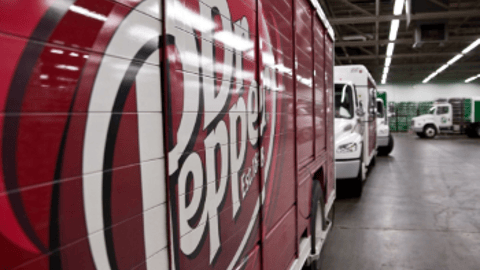
Keurig Dr Pepper split points to big shift for Canadian beverage aisles

Keurig Dr Pepper is moving steadily toward dividing its business into two standalone public entities by early 2027, a transition that will transform how cold beverages and packaged coffee reach Canadian store shelves.
The planned split into Beverage Co. and Global Coffee Co. follows the company's acquisition of JDE Peet's earlier this year, establishing two distinct operators with independent capital allocation models and commercial priorities. For convenience store operators, beverage wholesalers, distributors and domestic co-packers across Canada, this corporate unbundling carries direct implications for direct-store-delivery networks, shelf management and pricing across the supply chain.
Diverging beverage and coffee margins reshape channel demand
The strategic logic driving the separation highlights contrasting category realities that Canadian retail buyers and route operators face every week. In its second-quarter performance, Keurig Dr Pepper posted a 10% net sales increase and an 11.9% jump in operating profit within its refreshment beverage division, buoyed by consumer demand for carbonated soft drinks and energy drinks. In contrast, operating profit in the coffee segment fell 24.7% under the weight of softer volume demand and steep input costs, which are primarily driven by volatile green coffee commodity pricing.
Canadian convenience retailers navigating persistent inflationary pressures and tight consumer discretionary spending are observing similar dynamics on store floors. Cold vault sales, particularly functional beverages, ready-to-drink options and dynamic flavour profiles, continue to command high inventory turns and resilient basket sizes.
At the same time, at-home roast and ground coffee along with single-serve pods face consumer pushback and private-label substitution as households economize. By isolating the two portfolios, Beverage Co. can aggressively funnel capital into high-velocity RTD growth without subsidizing volatile coffee operating margins.
READ: CSNC Exclusive: Tea-riffic! Keurig Dr. Pepper Canada talks about the Snapple Spiked launch
Route-to-market realities for wholesalers and distributors
For Canadian independent distributors and broadline wholesalers, the operational separation of Keurig Dr Pepper demands close logistical monitoring. The company has already rolled out an interim organizational structure featuring dedicated leadership, separated IT infrastructure and consolidated U.S. commercial invoicing. When the corporate split becomes official in early 2027, Canadian distribution channels will likely interface with two separate vendor agreements, trade-spend pots and ordering schedules.
A dedicated Beverage Co. will depend heavily on agile direct-store-delivery partners to defend cooler placements against beverage giants like Coca-Cola and Monster Beverage. Distributors can expect Beverage Co. to introduce sharper promotional programs, performance incentives and category-specific merchandising support focused on front-of-store coolers. Conversely, Global Coffee Co. will prioritize broad-spectrum retail grocery distribution and club warehouse volumes, aiming to capture roughly $400 million in projected cost synergies from the JDE Peet's integration while streamlining warehousing operations.
What Canadian c-store operators should watch
Store owners facing strict square-footage constraints must treat floor space with increased scrutiny. The operational independence of both entities means joint-vendor bundling and consolidated minimum order thresholds may disappear, potentially requiring retail operators to reassess purchase orders across two distinct supply chains.
Convenience operators should capitalize on the anticipated brand investments from Beverage Co. by maximizing prime cooler facings for high-margin energy brands and staple refreshment drinks. On the warm shelf, operators should examine their pod and packaged coffee turns closely. While Global Coffee Co. works through its debt deleveraging and manufacturing integration, retailers must remain vigilant against wholesale price pass-throughs resulting from raw bean inflation, adjusting retail price points to protect gross margins while keeping store traffic steady.
When a consumer packaged goods conglomerate divides its operations, Canadian beverage wholesalers, independent convenience store operators and route distributors face immediate contract and operational exposure. Corporate separations dissolve unified buying agreements, split trade-spend allocations and can double administrative friction across ordering, delivery and accounts payable.
Navigating these transitions requires a defensive, disciplined commercial approach that protects cash flow and prevents supplier costs from eroding retail margins.
Audit legacy contract terms and volume rebates
Before supplier legal teams issue separate contracts, distributors and retailers must audit their trailing twelve-month purchase data. In joint portfolios, lower-velocity categories such as packaged coffee often ride on the coattails of high-velocity cold beverages to clear total-tier volume thresholds.
Operators must calculate exactly how splitting their purchase volumes will affect their master tier pricing, year-end growth rebates and cash discounts. If Beverage Co. and Coffee Co. each demand their own standalone tiered agreement, buyers risk tumbling into lower rebate brackets on both sides. Wholesalers should demand that grandfathered volume tiering remain in place during an interim transition period of at least 18 to 24 months, using their aggregate purchasing power across both divisions as leverage before agreeing to sign severed agreements.