
More heart than means: how InConvenience rebuilt the G-Spot c-store chain through local community programs

Rebuilding a failing network of small-town gas stations takes more than just turning the pumps back on. When operators failed at several locations, holding company InConvenience Inc. stepped in to salvage the assets, protect investor capital and bring essential services back to rural towns.
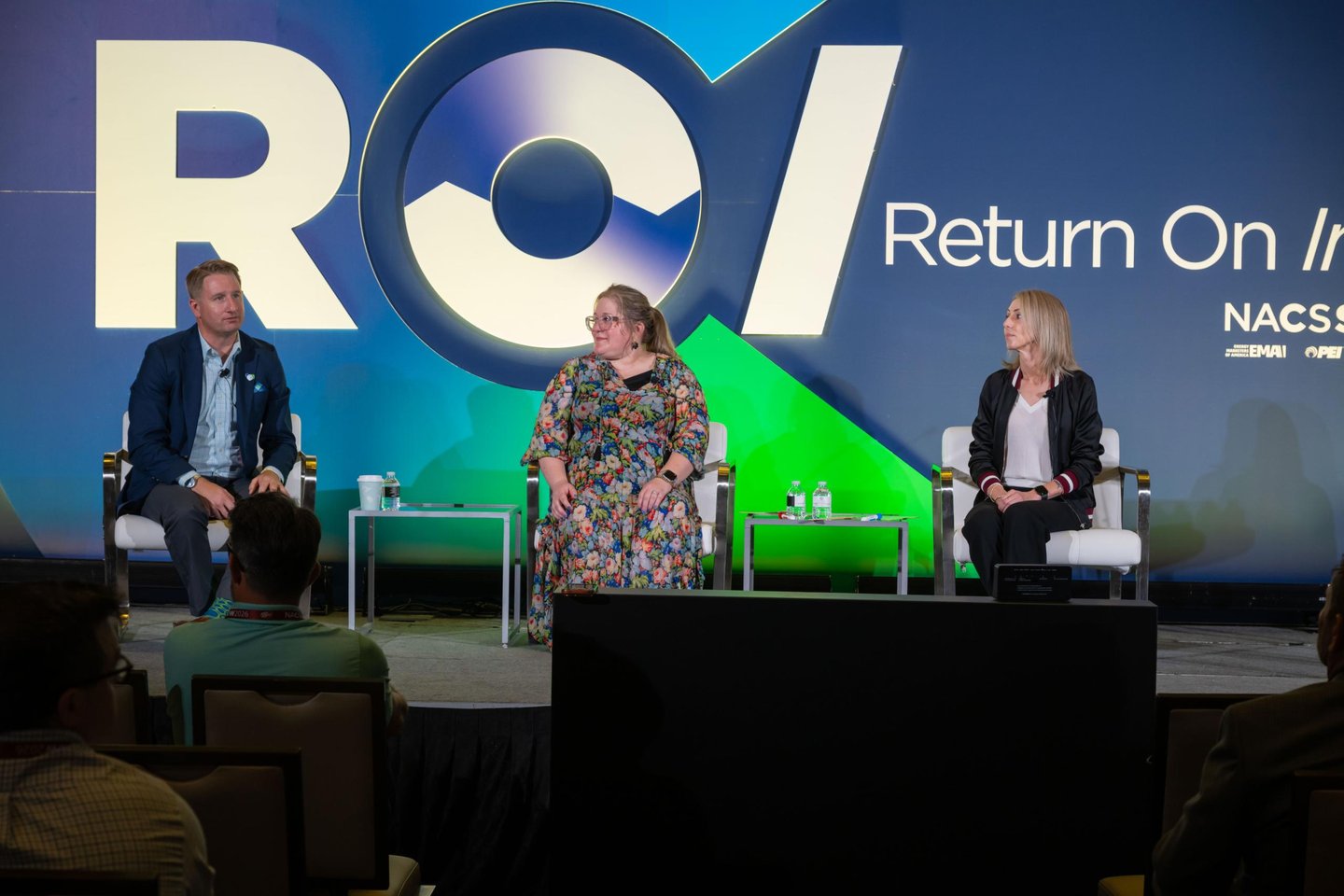
At a recent industry educational session, executive director of the NACS Foundation Kevin O'Connell sat down with InConvenience CEO Tiffany Fraley and community engagement manager Lindsay Griffith to discuss how the company turned around the G-Spot—also known as The Gas Spot—by focusing on low-cost, high-impact community engagement.
Here is how the team restored these rural hubs and grew their bottom line without breaking the bank.
Turning small-town closures into community assets
InConvenience formed in February 2024 after commercial real estate assets ended up back in the hands of investors. Operating across Texas, Arkansas, Missouri and Iowa, the company stepped in to save stores that small towns heavily relied on.
"Close a store in a small town, it leaves a huge hole," Fraley explained, noting that residents often have to change their daily routines and drive much farther for basics when a local store goes dark.
To build a sustainable brand, the team established a core philosophy: “convenience with conviction.” Fraley brought on Griffith to lead community engagement, targeting ways to make a meaningful local impact that could be easily repeated across multiple stores.
Free, low-cost tools that boost store traffic
Without a massive marketing budget, the company relied on creative, low-cost strategies to connect with local shoppers:
- The Local Events Calendar: Griffith built a master Outlook calendar tracking school district breaks, homecomings and city events across every store market. This gives category managers and fuel teams early notice on when to expect surges or drops in foot traffic so they can adjust inventory like extra sports drinks.
- Hyper-Local Facebook Groups: Griffith joined local town and bargain groups on Facebook to gauge community sentiments and share promotional graphics directly with residents for free.
- Community Bulletin Boards: Stores installed corkboards called "Unleaded Updates" where locals post flyers for yard sales, town events and job openings, creating a simple touchpoint that customers frequently praise.
Monthly colouring Sheets: Featuring the company mascot—Clutch the Clam (for the G-Spot, get it?)—monthly colouring sheets are printed right from the store manager’s printer. Children and even local police officers bring coloured sheets back to display on store walls.
READ: Strategies for supporting the community through sponsorships and donations
Measuring financial success with the F.O.R. lens
Every community effort at InConvenience is filtered through three strict criteria: Is it doable financially, operationally and reputationally (F.O.R.)?
The monthly colouring sheet program highlights how low-cost engagement yields real financial results. Originally suggested by a store employee in October 2025, the team began tracking return rates through store registers in January.
Month | colouring Sheets Returned | Business Impact |
January | 171 | Increased foot traffic and basket building |
May | 201 | Continued lift in store visits and fuel purchases |
"We started tracking how many we were sending out from each store, how many she was emailing and then how many were returned," Fraley said. "Then, from that we saw a return through our PLUs... were they buying something else with it? Did we see an increase in fuel? So it was a traffic driver."
Leveraging vendor partnerships and in-store sampling
InConvenience stretches its limited community budget by bartering with suppliers and trading corporate volunteer hours for event presence:
- “Trunk or Treat” shell out zones: Vendor partners donated candy for safe trick-or-treating events in rural areas, and the store volunteered its spaces. The company completed seven events with 2,000 donated pieces of candy, expanding to 10 events and 3,000 pieces of candy this year.
- Taste Test Tuesdays: Once a month, stores set out small sampling containers on the counter to test new or slow-moving products. Customers leave feedback on simple engagement sheets, which has generated a 39% sales increase each time a product is featured.
- Teacher and first responder baskets: Using donated vendor snacks and drinks, the company builds gift baskets for local teachers and emergency workers. During Teacher Appreciation Week, this direct outreach helped boost store basket sizes by nearly 2.5%.
Aligning with national philanthropic pillars
InConvenience also aligns its store-level efforts with larger industry initiatives supported by the NACS Foundation. The foundation focuses on three key areas:
- Response relief: Coordinating disaster relief support between retailers and suppliers during local or national emergencies.
- 24/7 Day: A national campaign held every July 24 to recognize local first responders. This past year, Karen Shepard from Pattonsburg, Missouri—a town of 350 people served by a G-Spot store—was named the National First Responder of the Year.
- Neighbourhood Nourish: An initiative aimed at recovering surplus food, reducing waste and packing meals to feed children during school breaks, targeting one million meals served by 2030.
By combining store-level outreach with national programs, InConvenience has turned former failing assets into profitable hubs that serve their local towns.
- ACTIONABLE ADVICE
1.Build a hyper-local event calendar:Cost: $0 | Ops & Inventory Alignment.
Create a shared master calendar tracking local school district dates (spring/winter breaks, homecoming, back-to-school), city festivals and sports events.
A shared calendar gives your fuel and category management teams advance notice for potential traffic spikes or dips so they can adjust inventory (like stocking extra sports drinks or ice during sport events) and schedule staff accordingly.
2.Establish an F.O.R. (Financial, Operational, Reputational) filter for all ideas:
Run every new promotional idea, community initiative, or product launch through a three-part test before executing: Is it doable Financially, Operationally and Reputationally?
This prevents small operators from wasting time or capital on well-meaning ideas that strain staff or hurt store profitability.
3.Launch low-cost in-store engagement programs:Print on demand from the back office.
Use basic store infrastructure to drive repeat foot traffic without high overhead. Examples include monthly colouring sheets for kids featuring a company mascot or setting up a local community corkboard ("Unleaded Updates") for yard sale flyers and event notices.
Kids and families return to drop off coloured sheets (or pick up prizes), creating a natural driver for additional basket building and fuel sales.
4.Run “Taste Test Tuesdays” with trackable feedback: G-Spot found this boosted sales on slow movers by up to 39%.
The shop set out small sample containers on the counter once a month featuring new, underperforming or vendor-donated products. The store kept a simple feedback sheet nearby to track customer reactions using tally marks to see who preferred which flavour and/or product.
Sparking a conversation with a free sample is easier for front-line clerks than a standard greeting, giving you immediate data on whether a product is worth keeping on the shelves.
5.Leverage vendor partnerships for local goodwill: Barter and stretch vendor relationships.
Ask product suppliers to donate inventory or promotional items for local causes—such as candy for trunk-or-treat events or snacks for teacher/first responder baskets—rather than taking items off your own store shelves.
This helps align vendors with your brand's community presence, builds goodwill among local commuters who drive to work daily and keeps promotional costs off your bottom line.