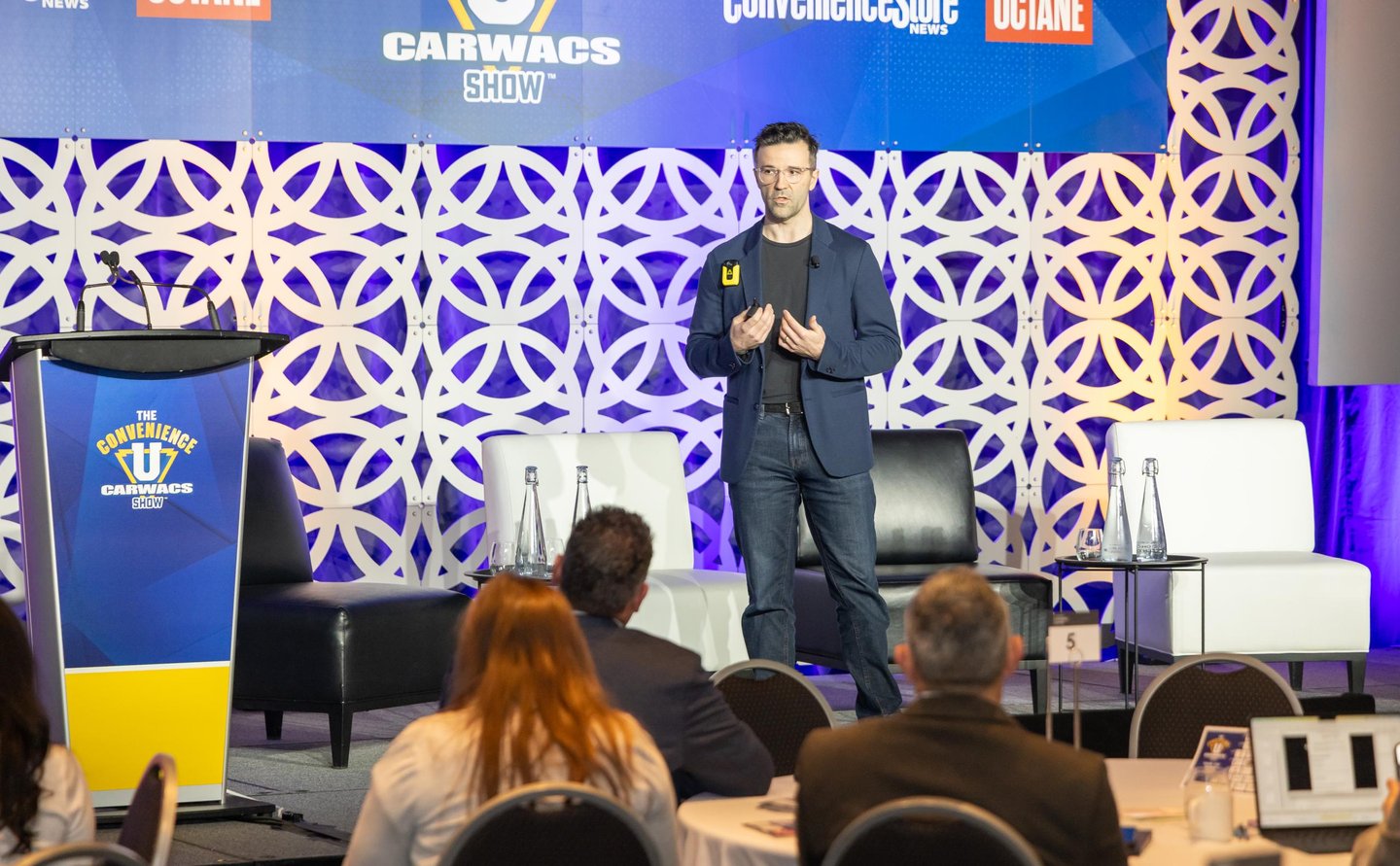
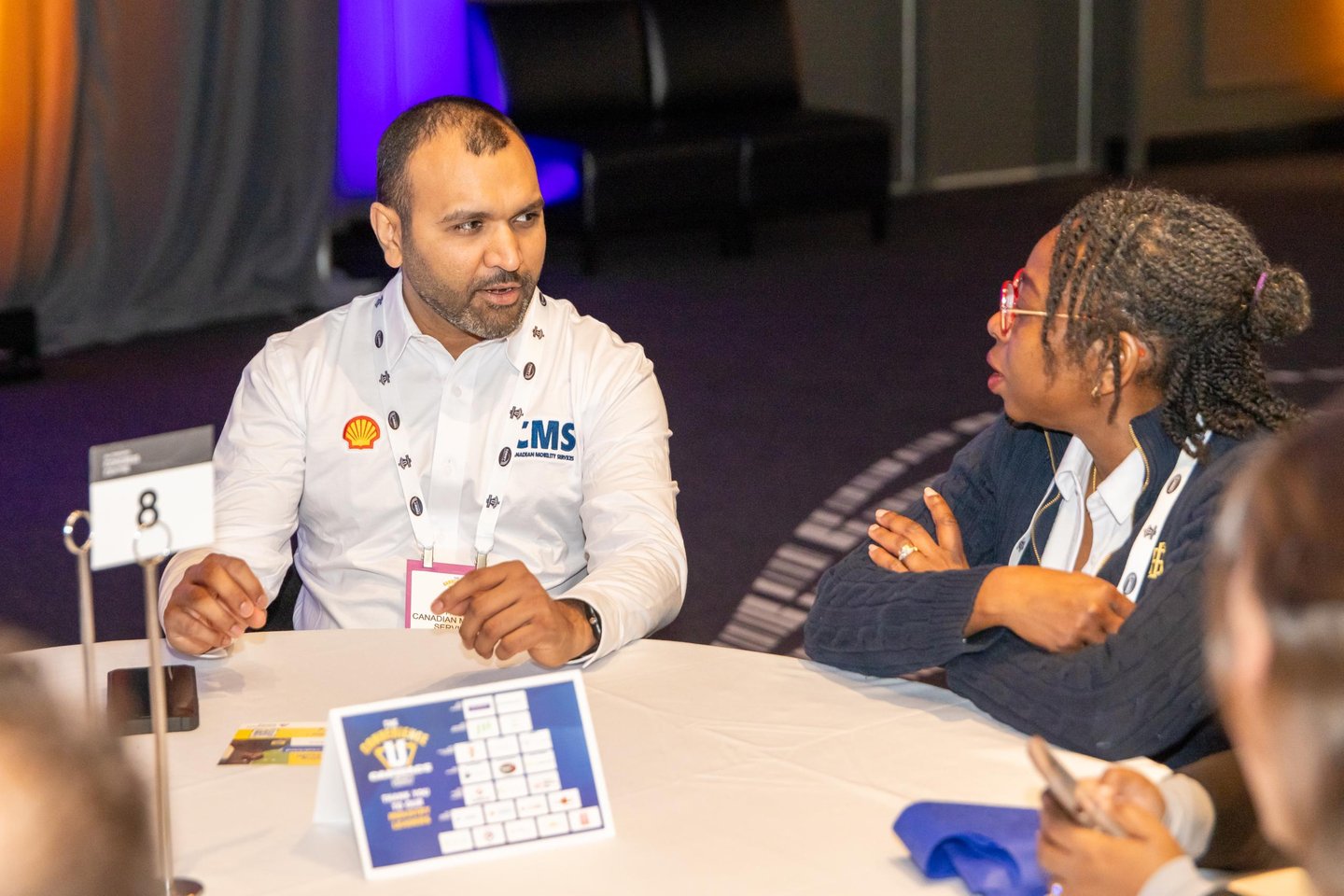
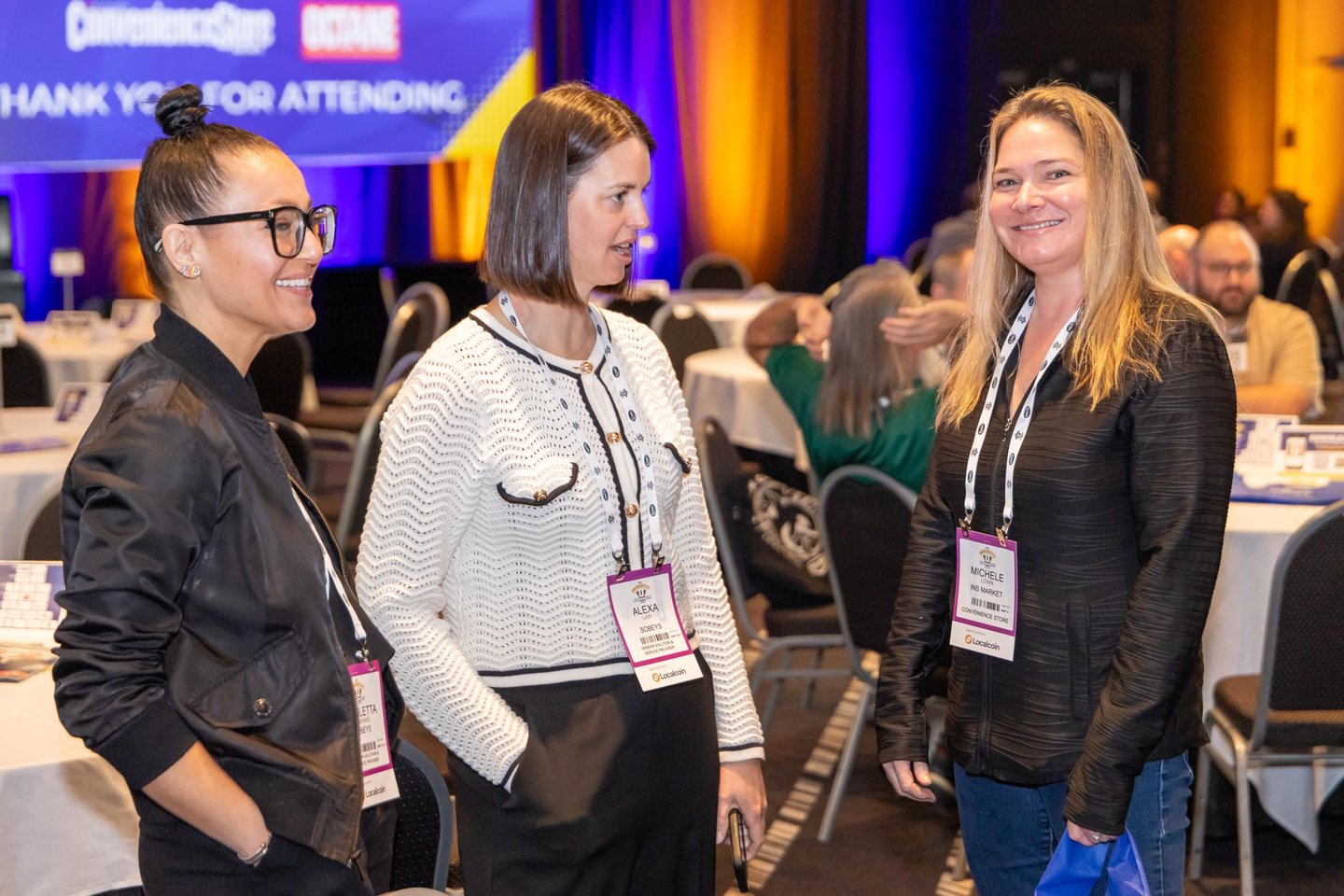
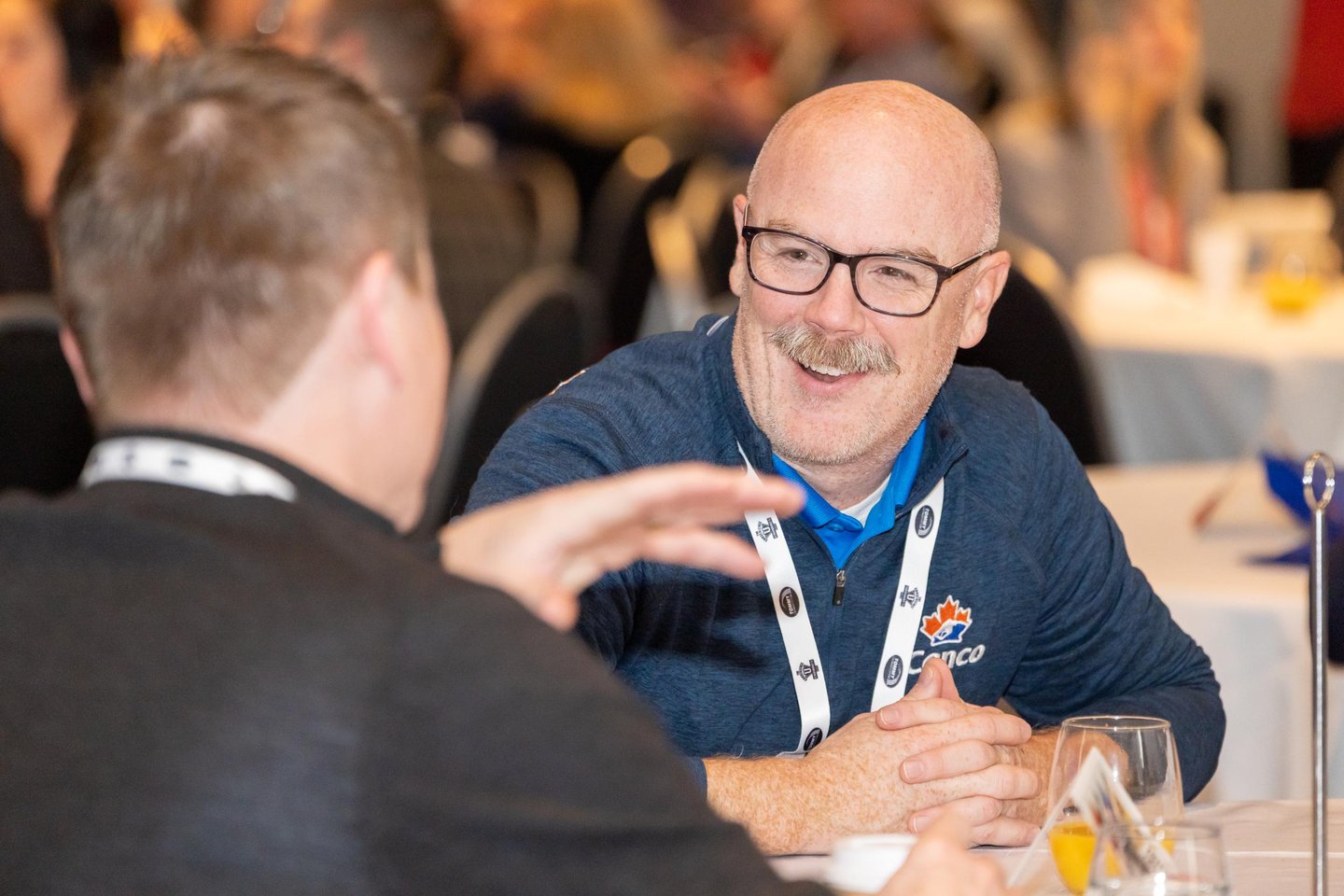
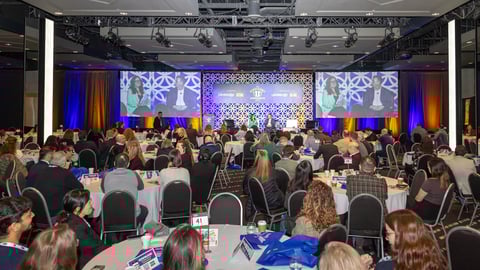
PHOTO GALLERY AND DAY 2 RECAP: Convenience U CARWACS Show offers insights on consumer behaviour, social impact and the future of foodservice and fuel
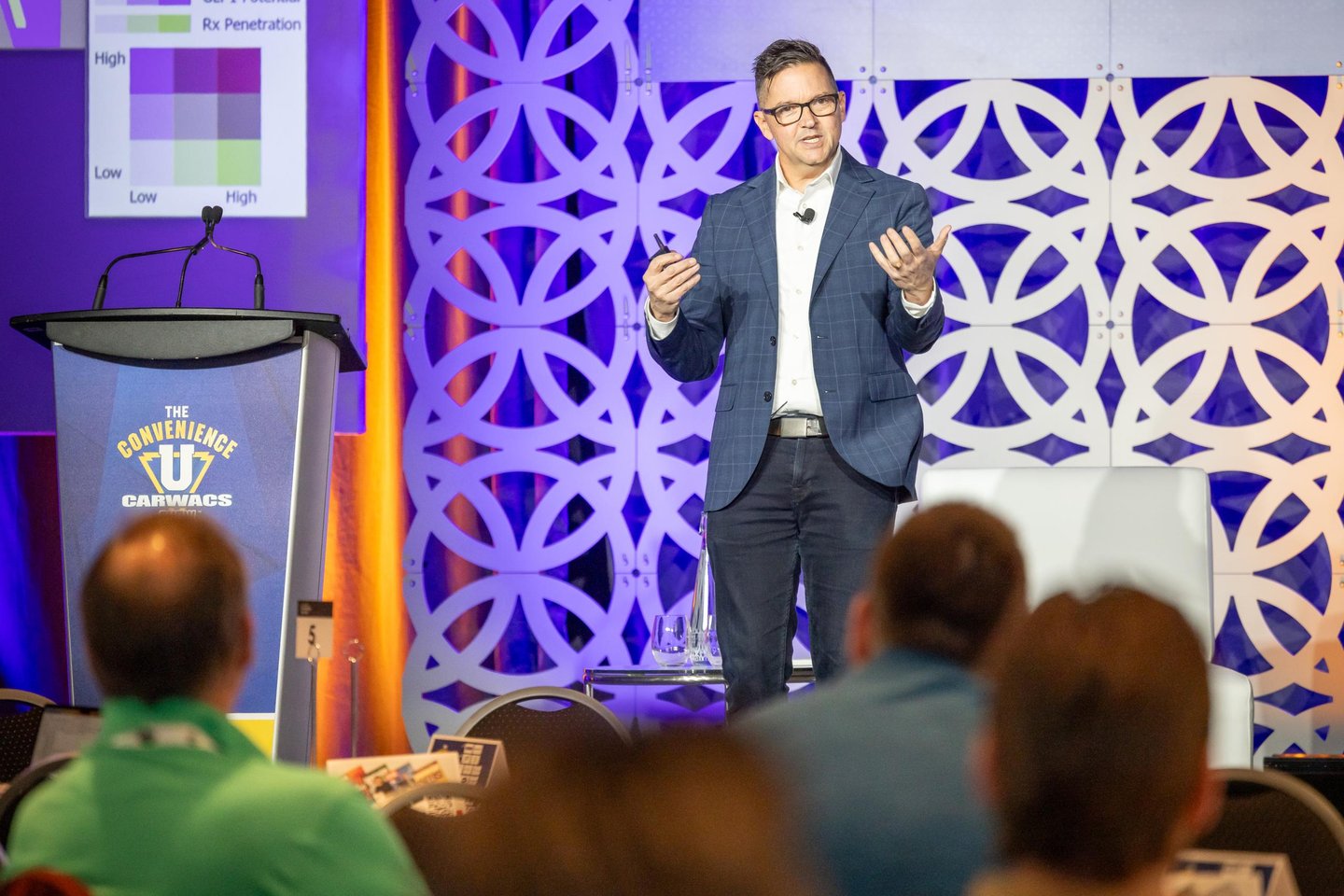
Day 2 of the 2026 Convenience U CARWACS Show continued the conversation about the forces reshaping the convenience, fuel and car wash industries, with sessions exploring shifting consumer behaviour, economic uncertainty, social impact strategies and emerging opportunities in foodservice and EV charging. Speakers and panelists shared data, practical examples and on-the-ground perspectives on how retailers and suppliers can adapt to evolving shopper expectations while preparing their businesses for the years ahead.
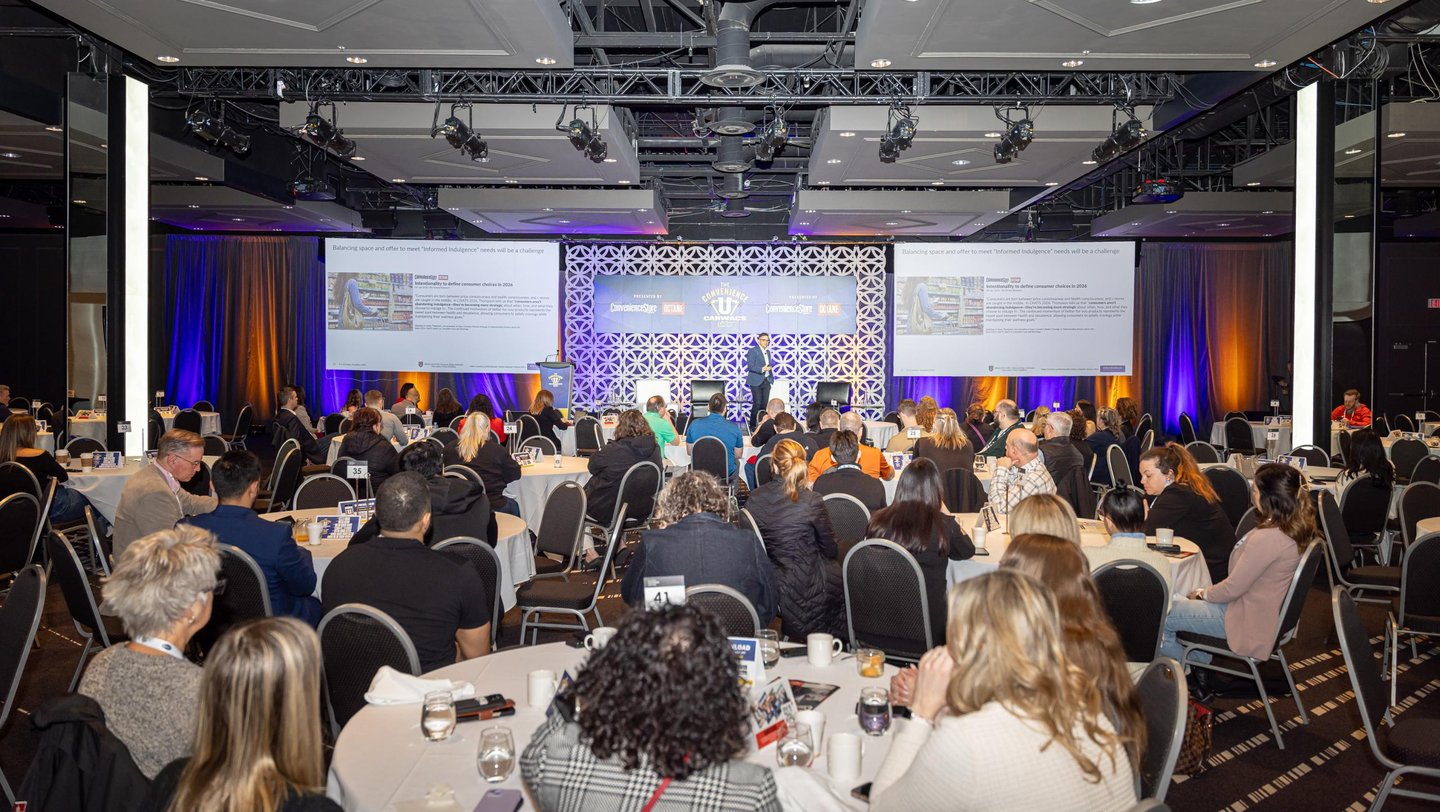
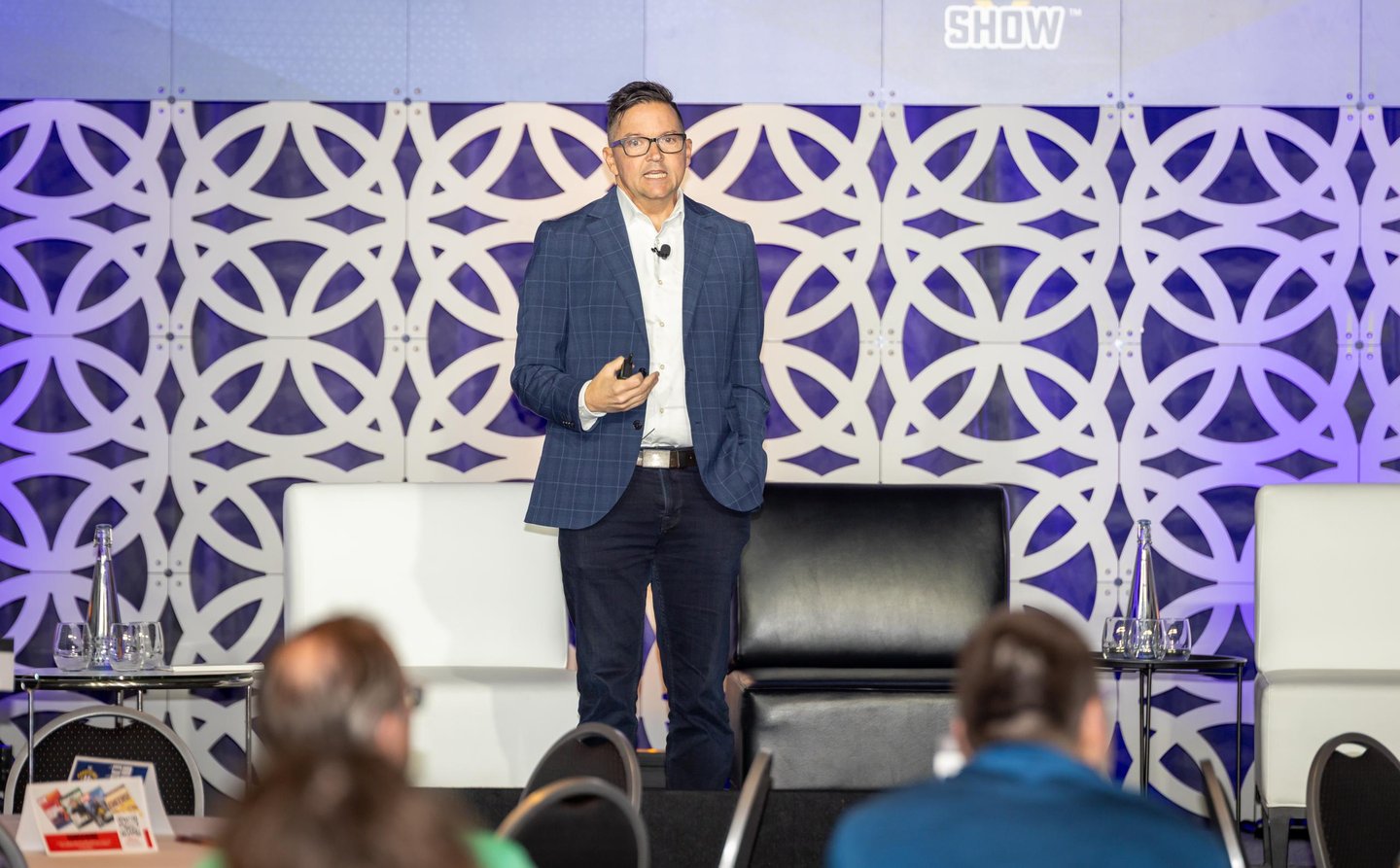
First up, a session on the growing impact of GLP-1 medications examined how changing consumer habits could reshape convenience snacking and beverage occasions in the years ahead. Kevin Lacey, senior vice-president and sales team leader for CPG and pharma at Environics Analytics, shared insights suggesting that by 2030 as many as 40% of Canadian households could include a GLP-1 user, potentially shifting purchasing patterns across the channel.
As appetites shrink and consumers rethink food choices, retailers and manufacturers may need to rebalance traditional indulgent offerings with options focused on protein, hydration and functional benefits. The discussion also highlighted how convenience retailers can better connect with evolving consumption moments, and taste for “informed indulgence,” functional on-the-go offerings, and personalized experiences.
“We’re going to see an evolution of needs and preferences,” Lacey says. “The pressure on space is going to get bigger as we’re going to have to accommodate all those different needs.”
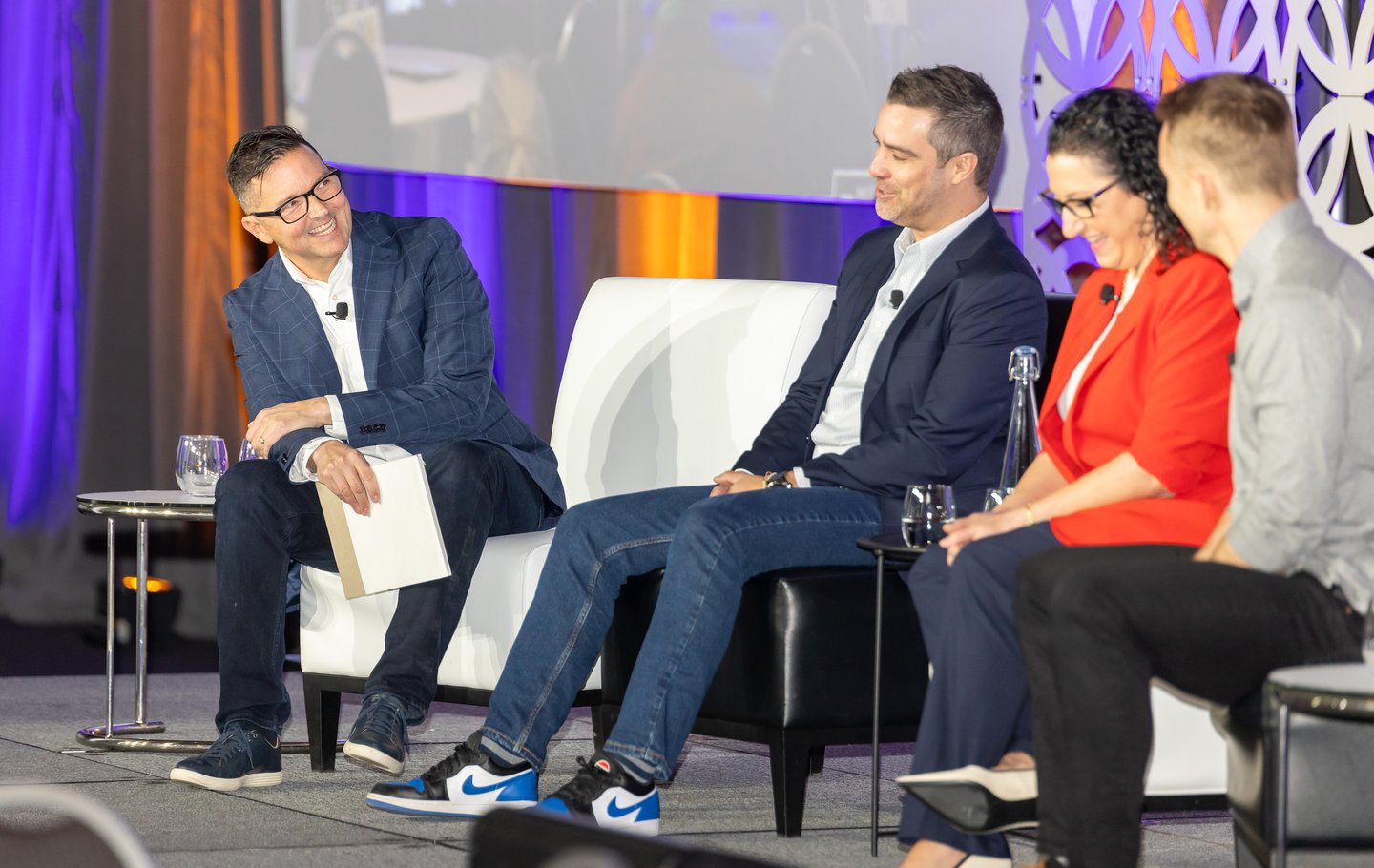
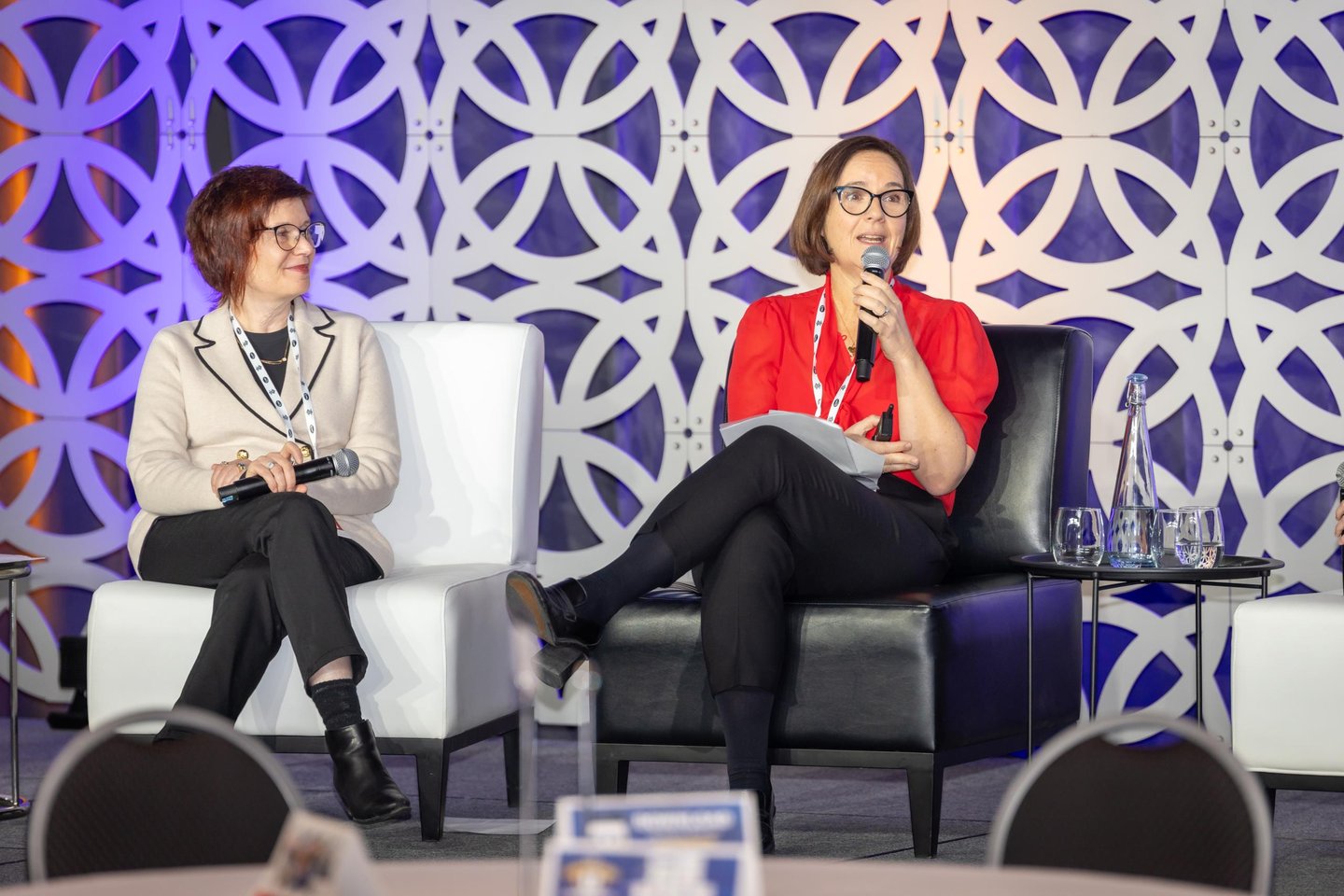
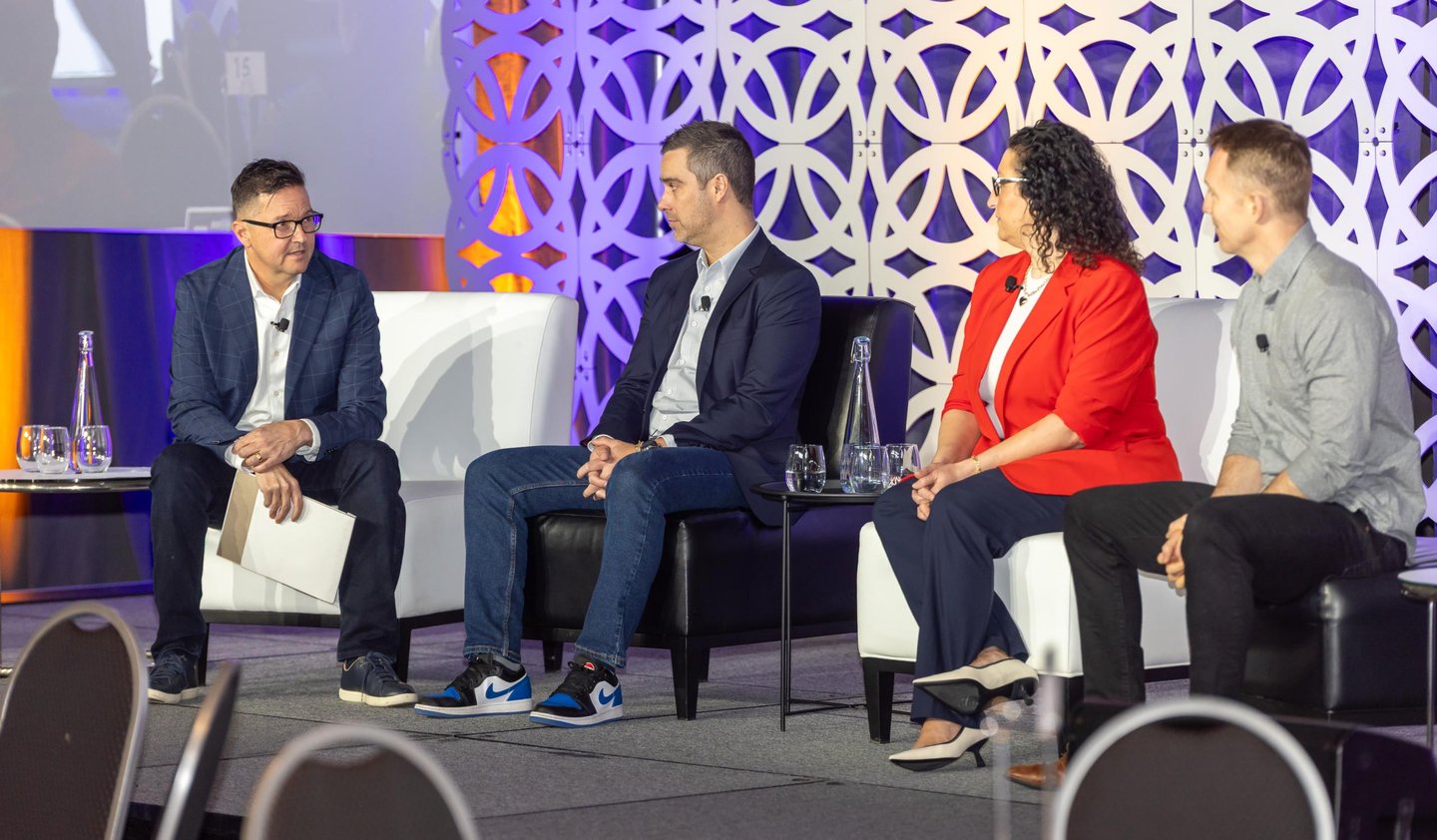
A followup panel discussion brought together industry voices to explore how snack and beverage trends are evolving in real time. The session was moderated by Kevin Lacey and featured Ransom Hawley, founder and CEO of Caddle; Alexandre Roberge-Marin, customer team lead for beverages and foods at Circle K Canada for PepsiCo; and Luisa Wright, national category manager for foodservice and dispensed beverages at Petro-Canada, a Suncor business.
Panelists discussed how consumer demand is shifting toward protein-rich snacks, functional beverages and value-focused purchases, while traditional indulgent products continue to play an important role in the convenience basket. The discussion also explored the importance of data insights, strong retailer-supplier partnerships and category innovation as the industry navigates changing consumer expectations.
“For us, full sugar is still core,” says Wright. “Customers are still looking to indulge and then we layer on health and wellness. So we don’t necessarily have a special section for health and wellness but we're ensuring we work it into our existing planning and assortment, including high-protein, high-fibre, low-sugar.”
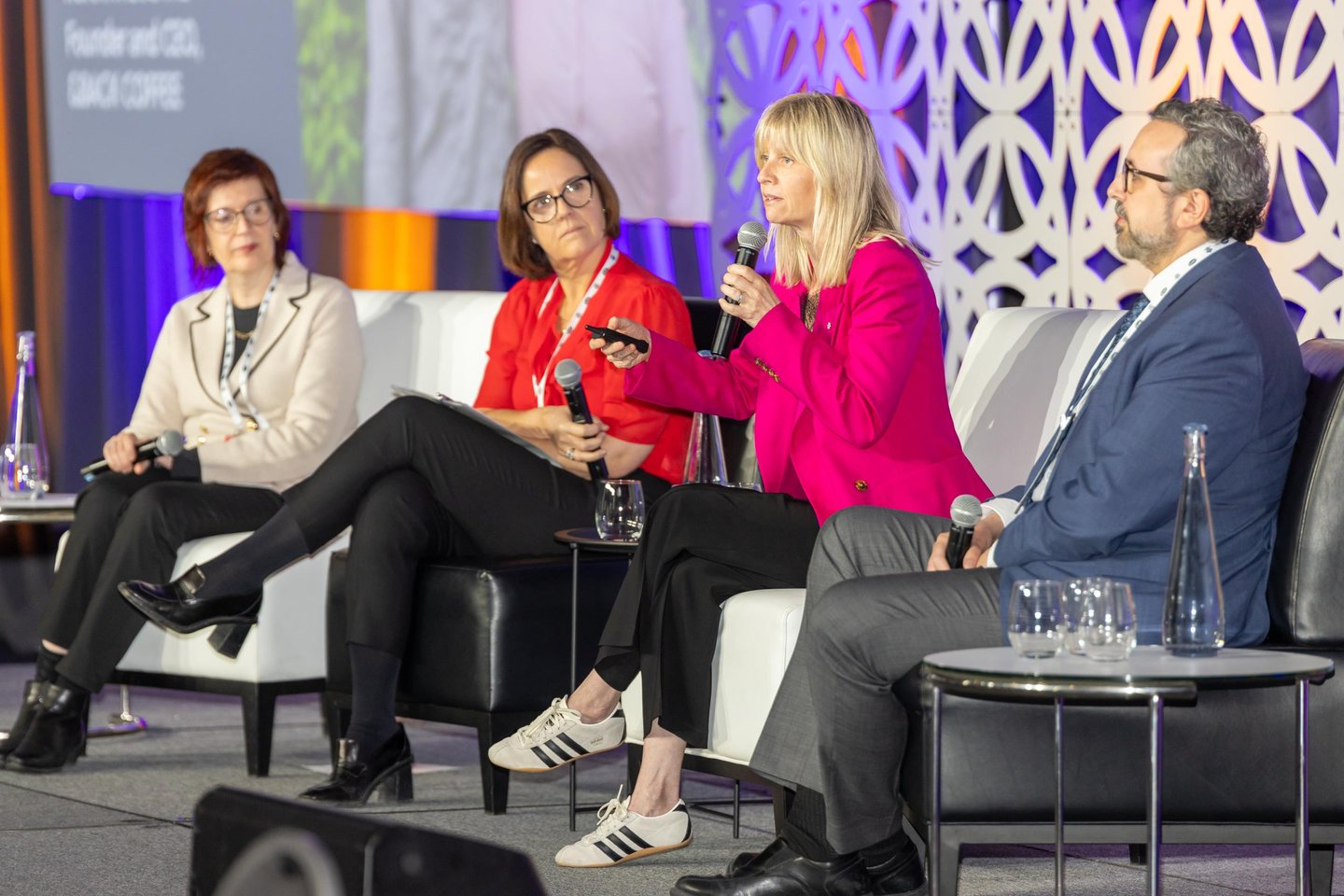
The conference focus then shifted to social impact initiatives with a panel on how they are increasingly part of core business strategy for convenience retailers and suppliers. Moderated by Leila Fenc, executive director of the Petro-Canada CareMakers Foundation, the discussion featured Roxanne Joyal, founder & CEO of &Back Coffee; Kathy Murphy, VP of public affairs, Coke Canada Bottling; and Rick Rabba, president of Rabba Fine Foods.
Panelists shared examples of how community engagement, sustainability programs and charitable initiatives can strengthen brand reputation, build employee pride and support talent recruitment and retention. Speakers emphasized that social impact is no longer just a nice thing to do—it’s becoming a core part of business strategy, creating value for both companies and the communities around them. And especially for Gen Z, authenticity is key.
“We need to take that instinct that we all have inside to help others and just focus it a little further than your immediate store,” says Rabba. “This industry is really about caring for your neighbours and caring for your community."
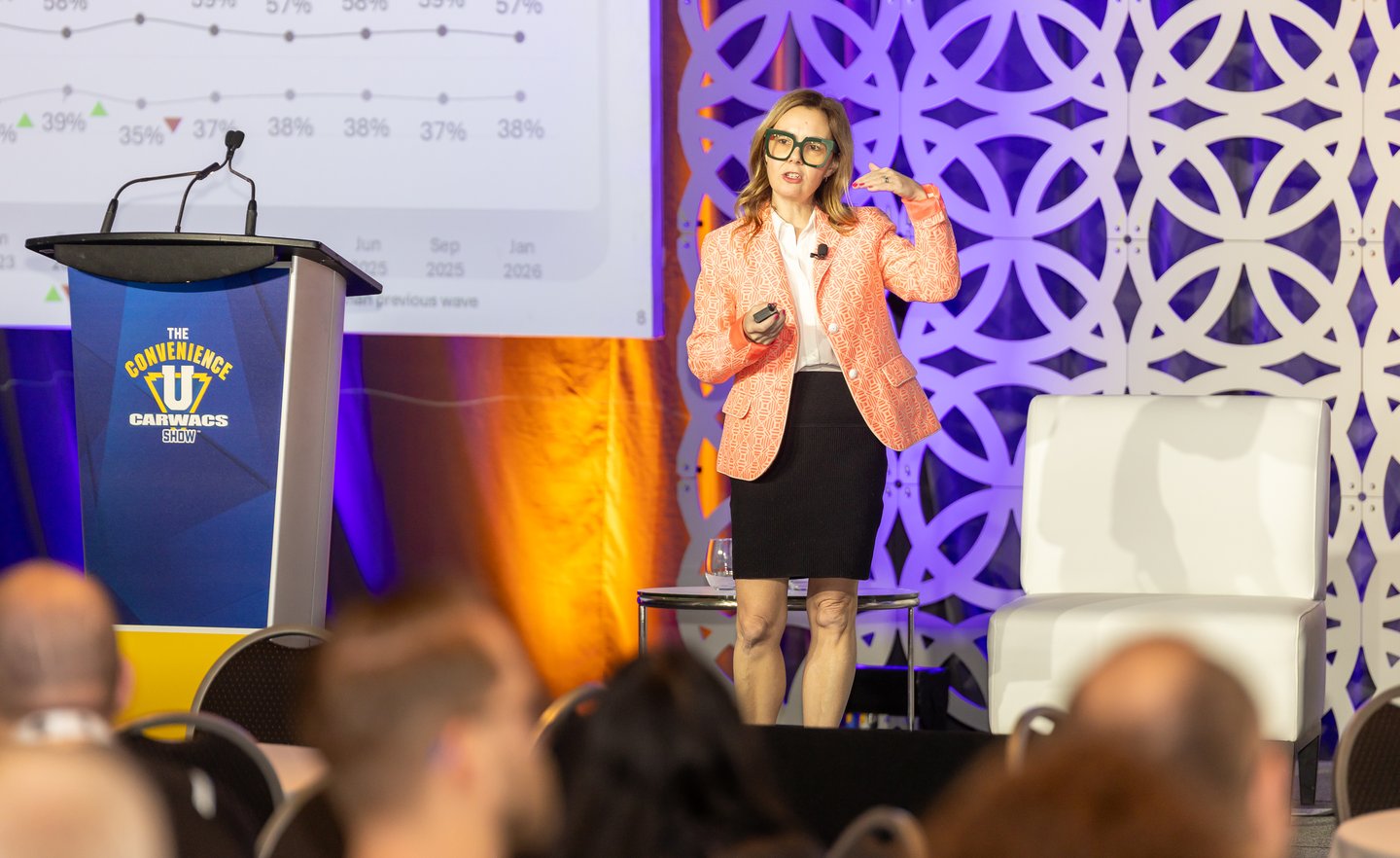
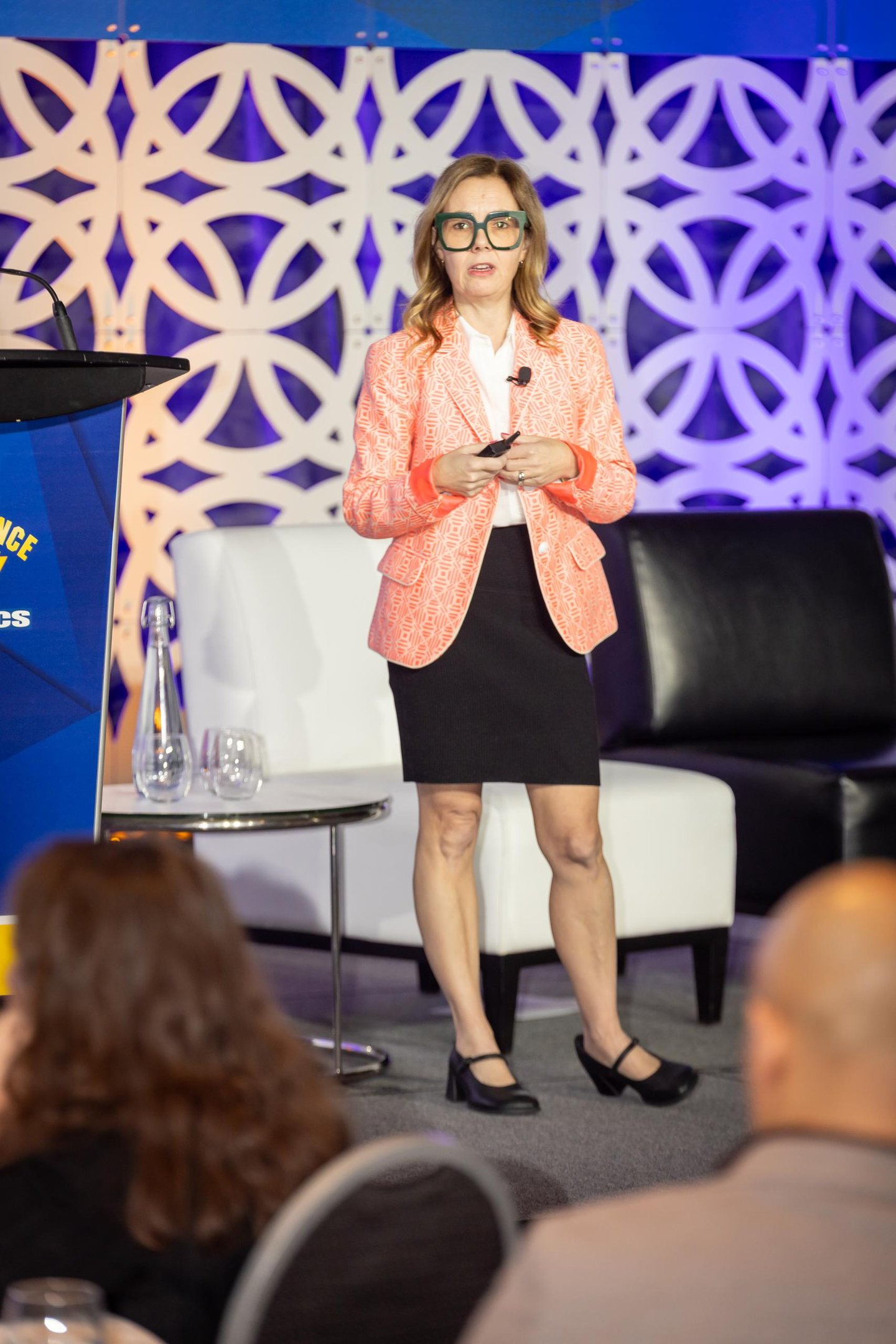
Understanding how Canadians feel about their financial future was the focus of a data-driven presentation by Lisa Covens, SVP at Leger. The session examined new consumer research that emphasizes how rising costs and economic uncertainty are influencing household spending patterns.
The findings suggested that shoppers are becoming increasingly price-sensitive. While they currently feel their own household finances are OK and better than the economy at large, the majority feel their household finances will decline. “Consumers are continuing to pull back on discretionary spending,” she says. “This could certainly impact convenience and retail, in terms of people being more mindful when they go into your store.”
But there are opportunities for retailers and manufacturers to adapt their strategies, refine pricing and strengthen value propositions—for example, paying for local products or stocking new low- or no-alcohol beverages as moderation goes mainstream.
“Consumers have moved from casual to calculated spending.”
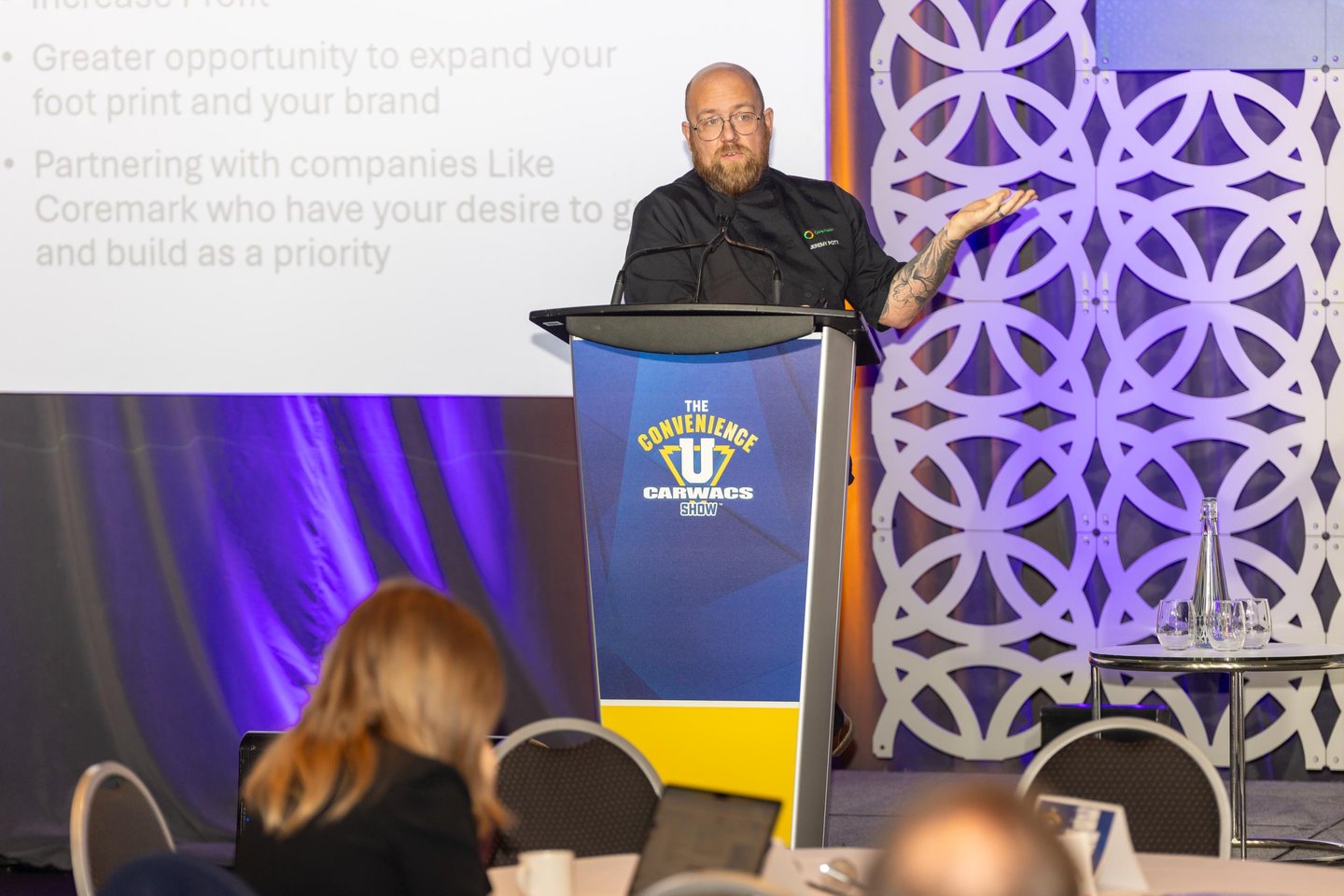
Foodservice continues to represent one of the biggest growth opportunities for convenience retailers, says Jeremy Poty, regional foodservice growth manager at Core-Mark Canada. Poty talked about how shifting consumer expectations, competition from quick-service restaurants and growing demand for value are reshaping the market. Core-Mark is a one-stop shop for retailers—you get the product, the support and the marketing package all together so it’s easier to launch a foodservice program.
“Foodservice is no longer an option in c-stores. If you’re not there, you’re missing out on a huge, huge market,” he says. “A food program increases foot traffic and increased profit.”
Number one in foodservice for Core-Mark are consistently pizza and chicken, Poty says, with sandwiches also being a popular part of their programs. Fresh meal solutions are also on the rise, like take-and-bake pizza and rotisserie chickens as part of menu programs that drive repeat visits and increase basket size.
Poty emphasizes the importance of product placement at the till, a full inventory on display and cleanliness.
“You can have all the food in the world, but if customers don’t see it or don’t know you have it, it doesn’t matter. You have to make it visible and market it in the store.”
Looking to the future, he sees foodservice becoming more automated.
“Contactless and AI-driven service is really blowing up right now. We’re also seeing things like robotic kitchens, augmented reality menus and automated service models starting to appear,” he says. “You can have a robotic arm in the back of the store making pizza. You don’t have to worry about labour the same way, and you don’t have to worry about food safety issues—it can all be automated.”
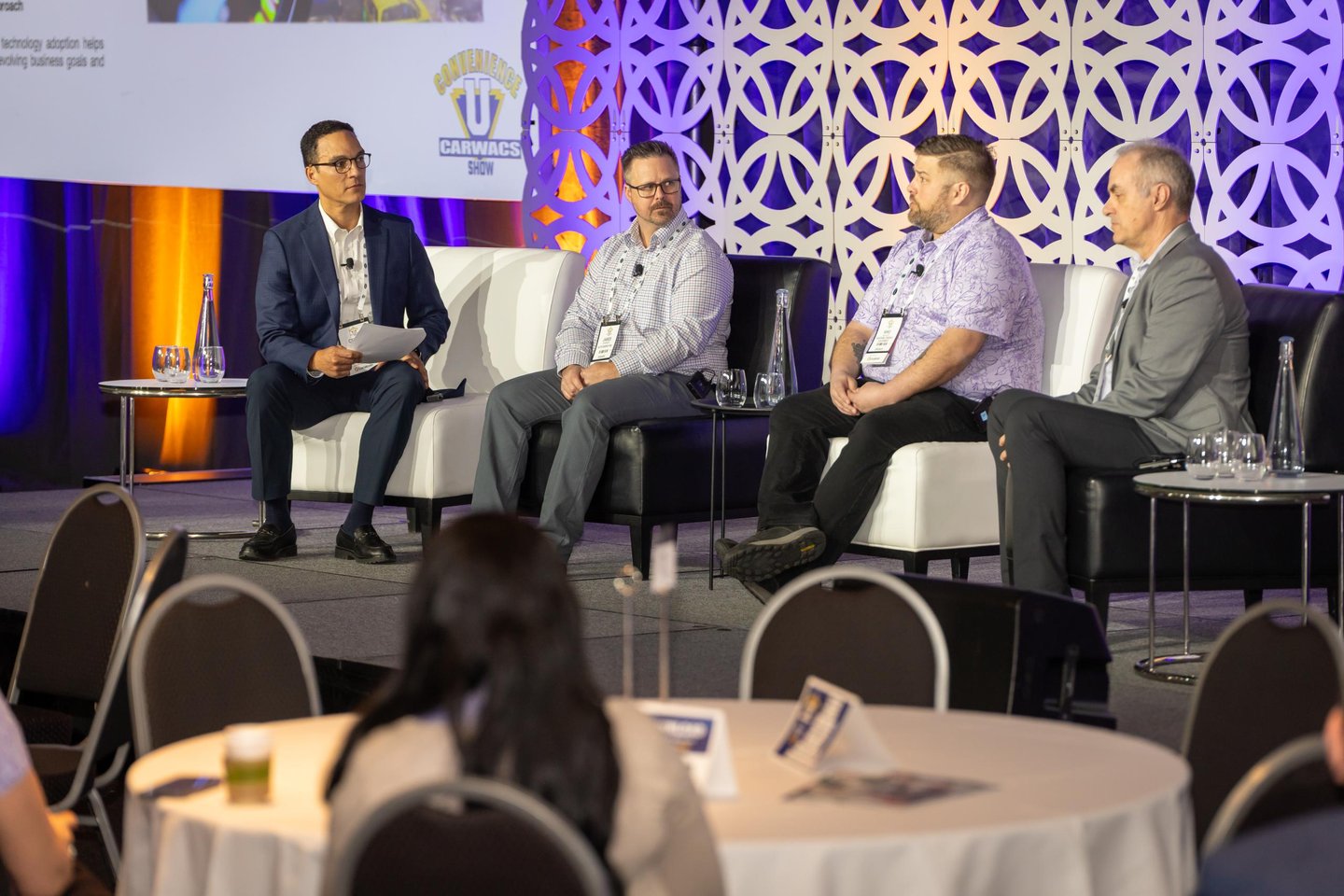
The last session of the conference focused on a key issue on the minds of many attendees: preparing c-gas sites for the future of EV charging
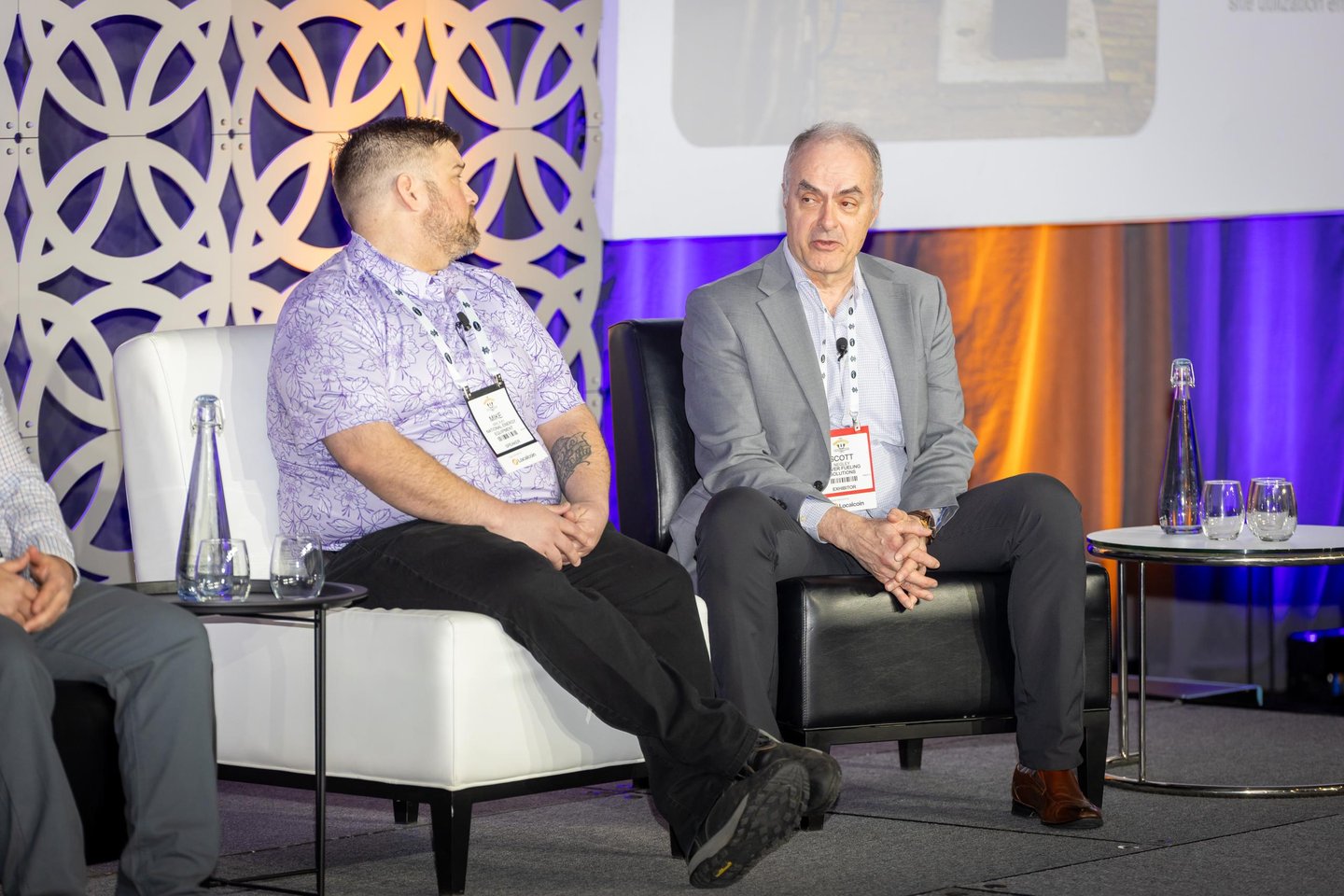
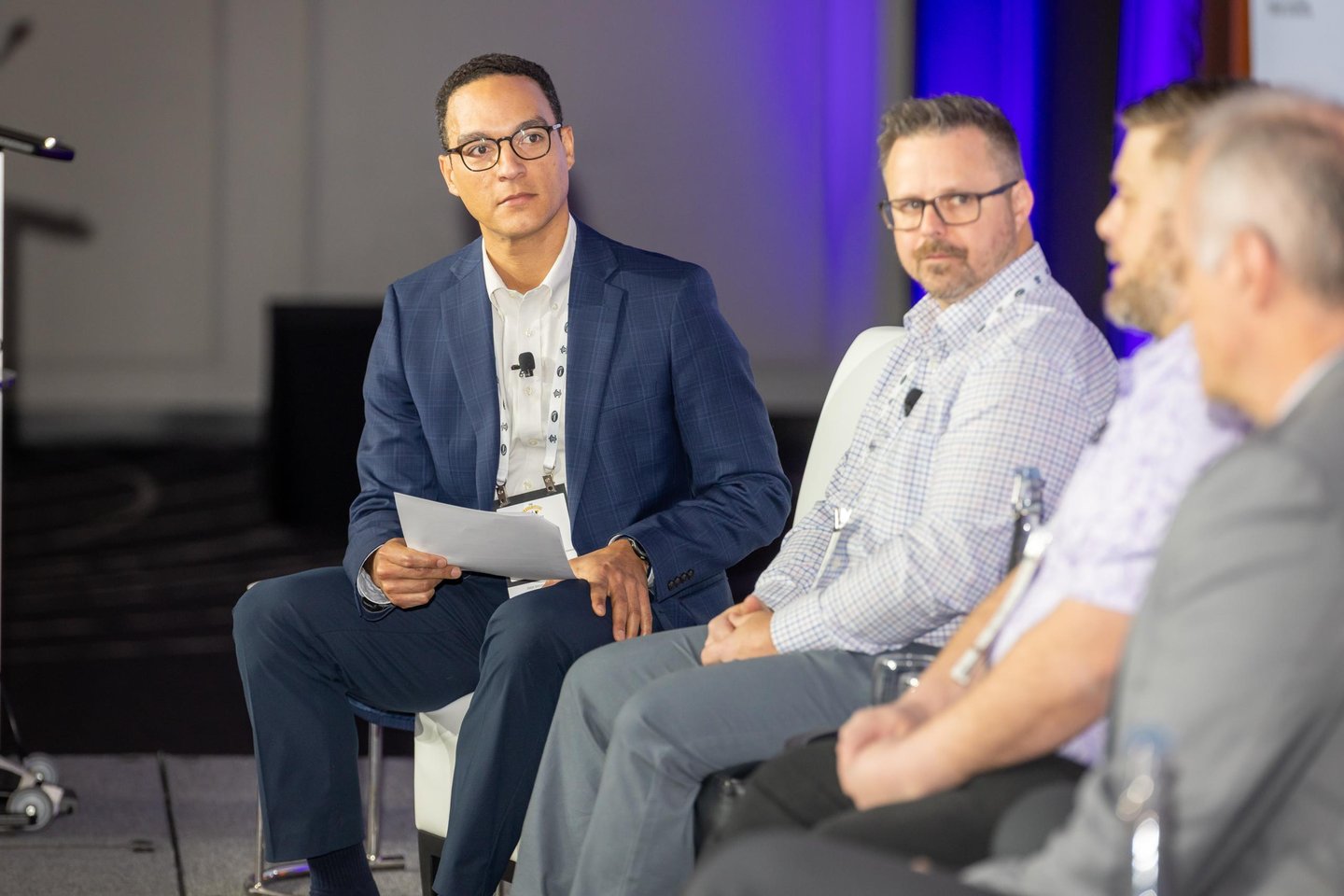
Moderated by César Nivar, the panel brought together James Jennings, master electrician and operator at Elite Energy; Mike MacKay, EV charging specialist with National Energy Equipment; and Scott Negley, senior director of product management at Wayne Fueling Systems and Dover Fueling Solutions, to talk about how fuel retailers can prepare their sites for the gradual shift toward electric vehicles while maintaining profitability.
Panelists noted that while EV adoption and policy timelines continue to evolve, electrification remains a long-term trend retailers need to plan for. Rather than assuming chargers will automatically attract customers, operators were encouraged to analyze local market conditions, including EV ownership levels, tourism traffic and nearby residential development.
Speakers also emphasized that EV charging creates different customer behaviour than traditional fuelling. With drivers typically spending 20 to 30 minutes at a site, retailers have an opportunity to drive in-store sales by integrating loyalty programs, foodservice and other retail offerings.
Infrastructure requirements were another key focus. Installing fast chargers can require significant electrical capacity, utility coordination and service upgrades, making early planning essential.
While the return on investment can vary widely by location, panelists suggested retailers view EV charging as part of a broader long-term strategy to attract new customers and position sites for the future of mobility.
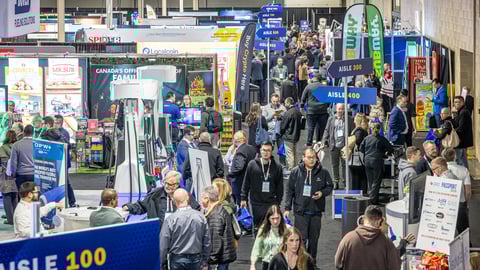
Day 2 culminated with another busy afternoon on the Trade Show floor, where retailers explored innovative products and services from hundreds of key industry exhibitors.