PHOTO GALLERY AND DAY 1 RECAP: Convenience U CARWACS Show draws industry leaders to new Toronto venue to tackle today’s hot topics
Thousands of retailers, suppliers and industry leaders descended on Toronto this week as the Convenience U CARWACS Show returned with a packed agenda focused on the future of Canada’s convenience, forecourt and car wash sectors.
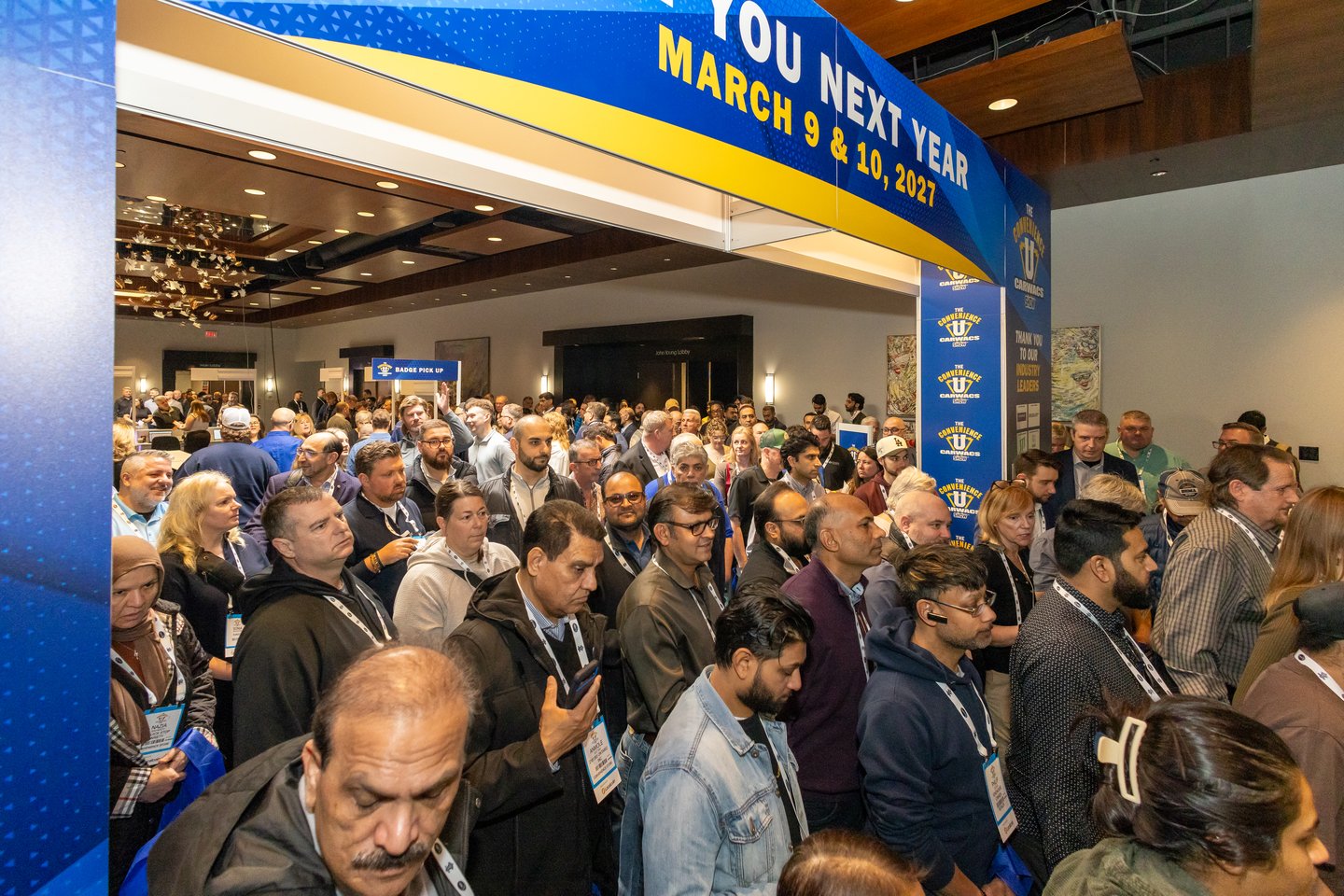
Held March 10–11 at the Toronto Congress Centre, the country’s largest trade show for the industry featured two days of education sessions, product innovation and discussions about the opportunities and challenges ahead.
Expert-led sessions explored a range of hot topics, including trends in beverage alcohol sales, strategies to improve safety for frontline staff, approaches to loss prevention, and the evolving future of liquid fuels. Other discussions highlighted emerging opportunities for operators, such as AI and EVs, as the sector continues to adapt to changing consumer habits and market conditions.
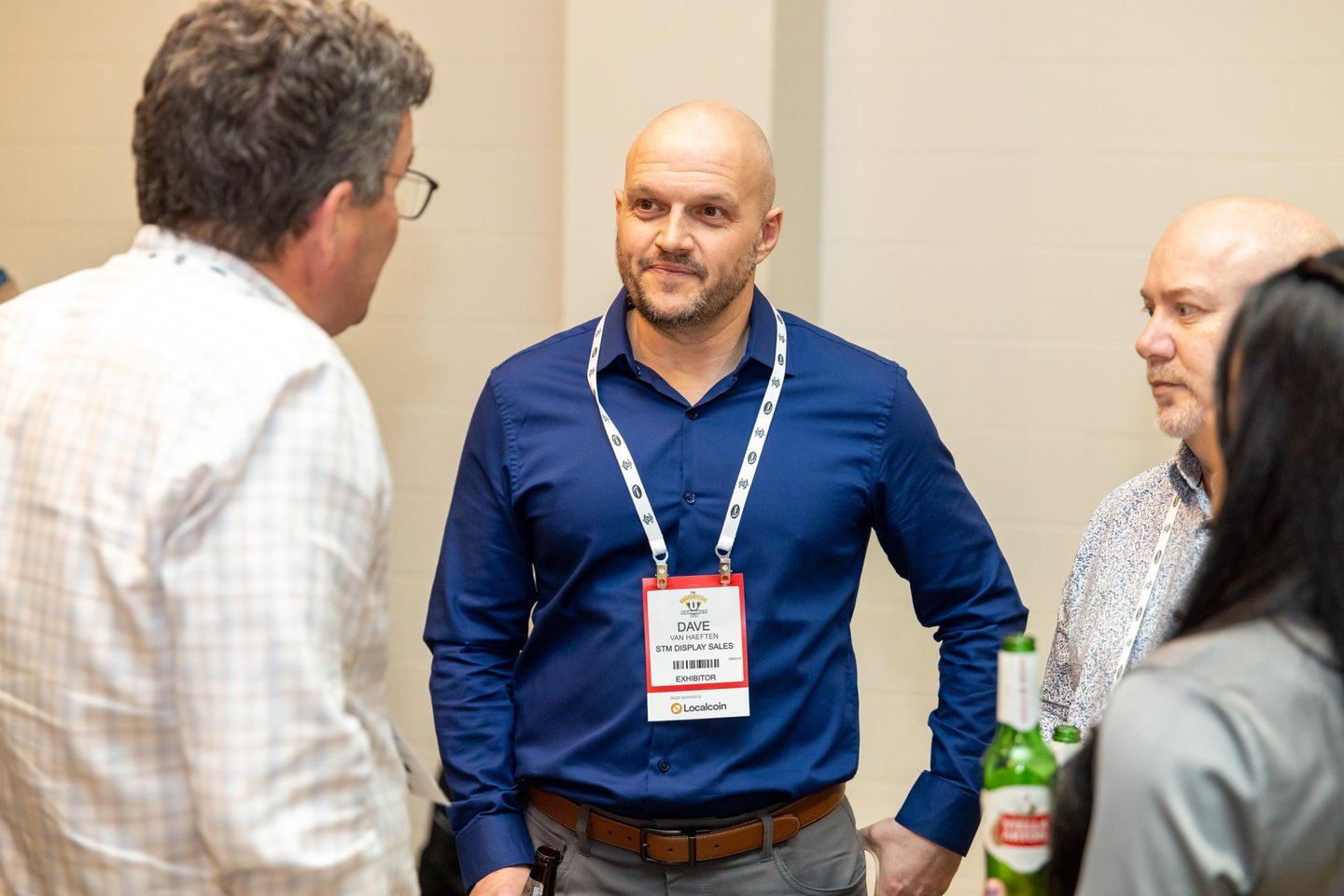
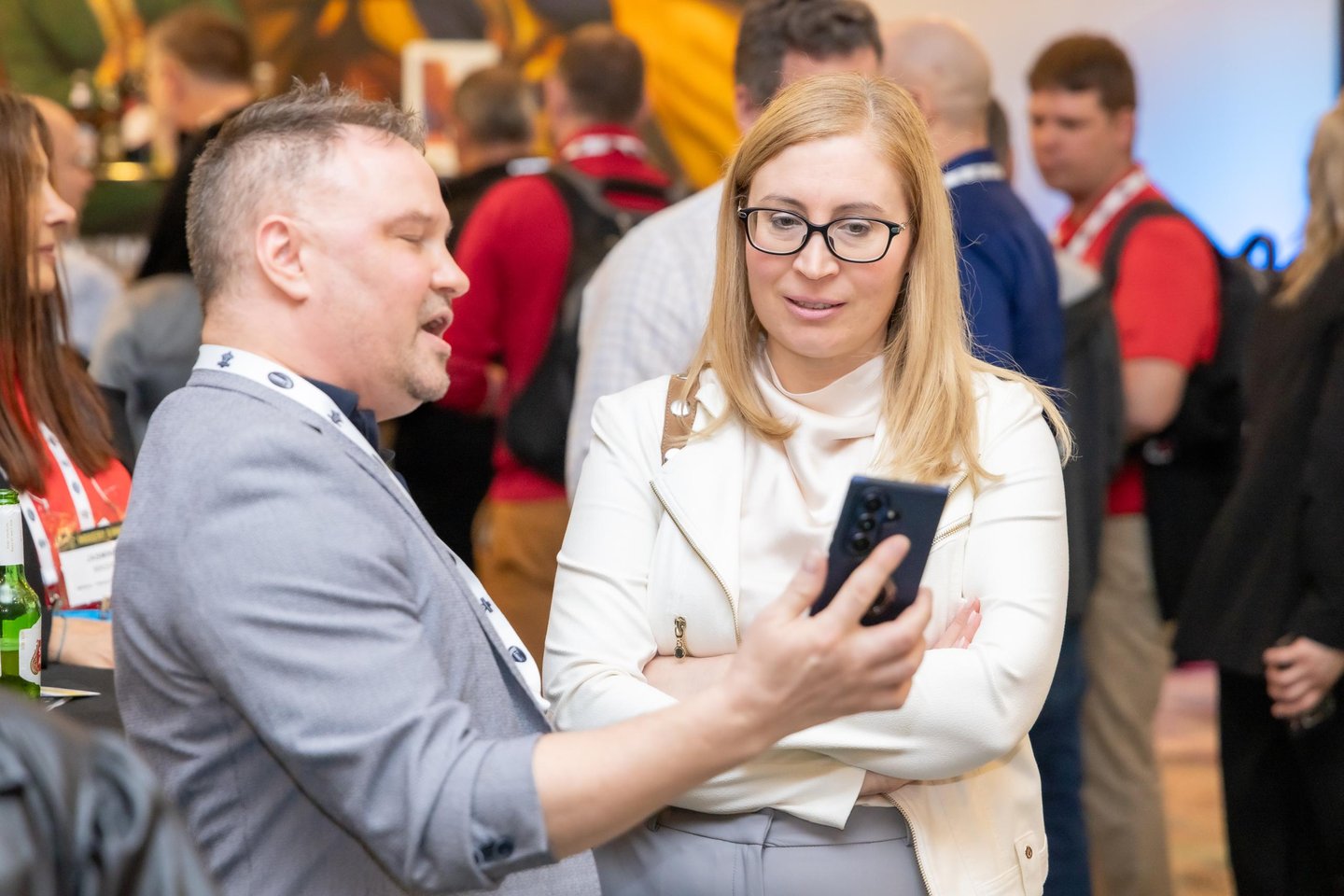
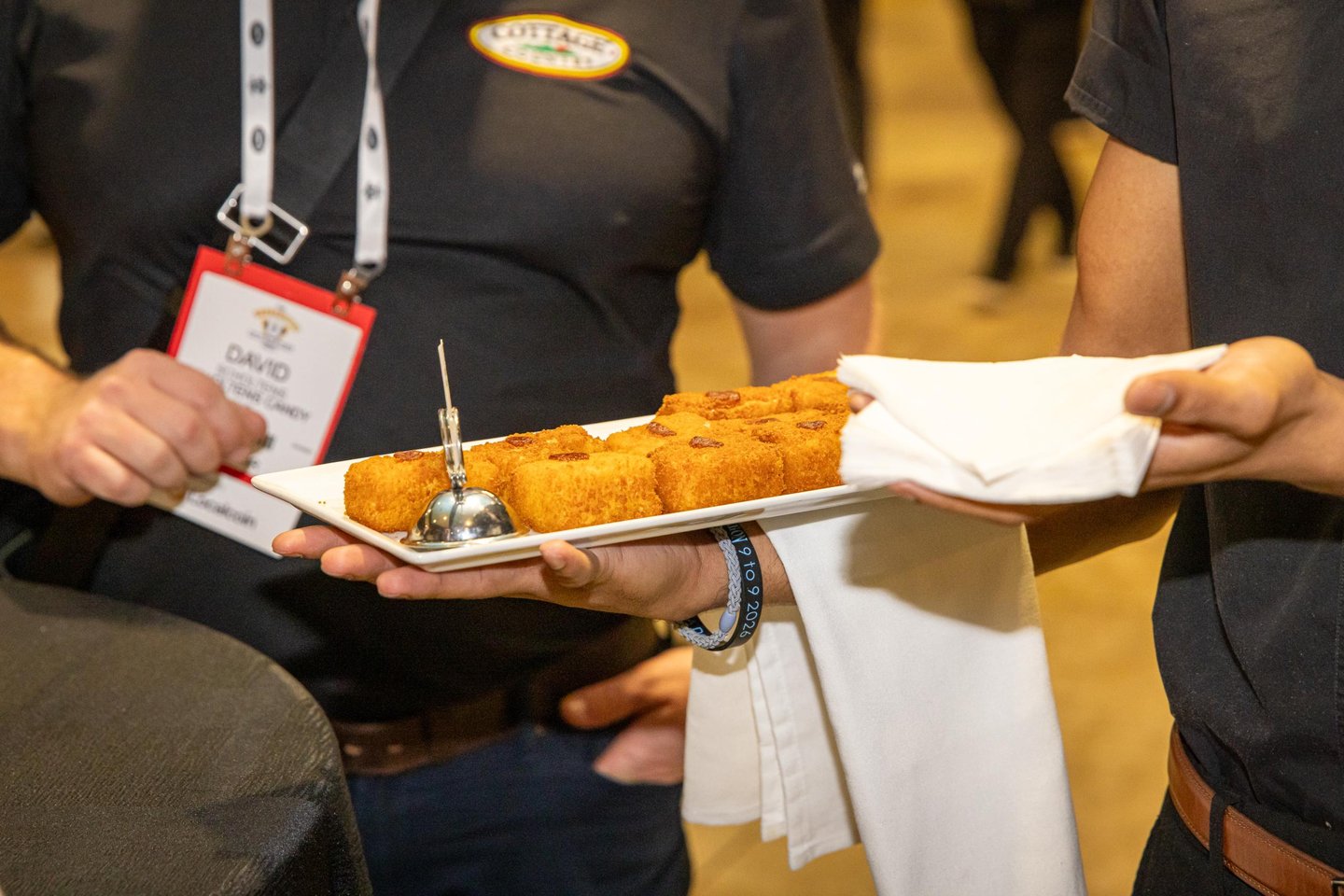
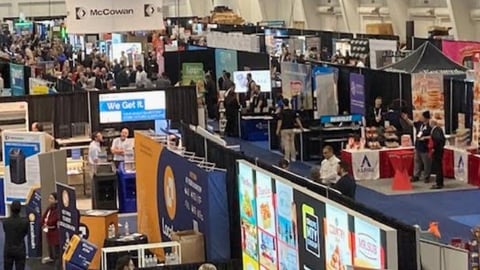
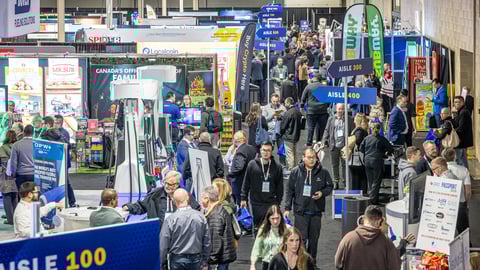
Meanwhile, the event’s trade floor featured hundreds of exhibitors showcasing new gas station, food and retail products, plus cutting-edge technologies and services aimed at helping operators drive traffic and increase profitability.
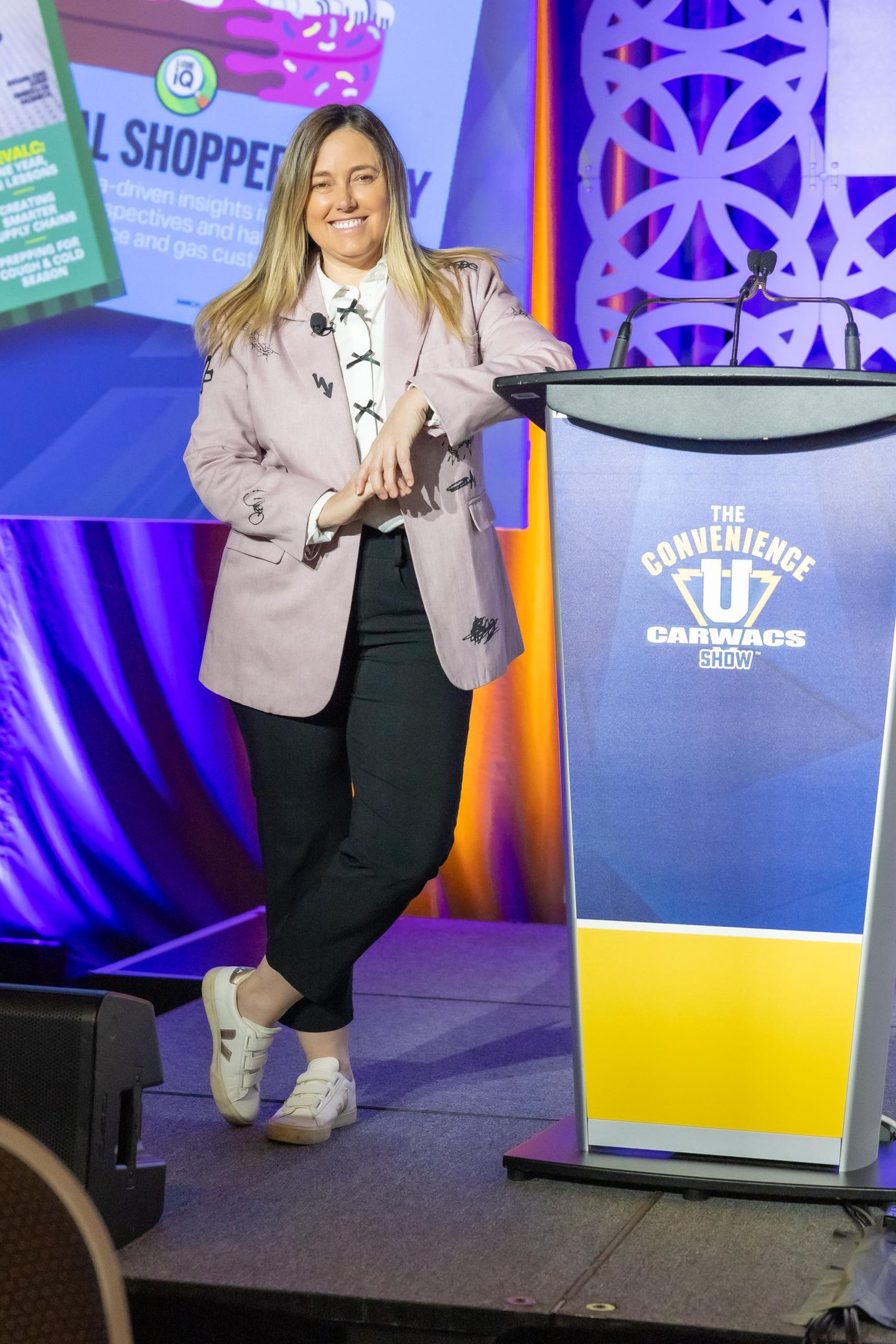
Technology journalist and SiriusXM host Amber Mac, host of The AmberMac Show, kicked it off as a keynote speaker who walked attendees through a three-part blueprint for not just surviving a fast-changing future, but thriving in it.
Speaking to a packed room, Mac focused on what leaders and professionals need to understand to design, grow, learn and communicate in the age of artificial intelligence—while still leading with strong values and making an impact in what she described as today’s world of “predictable unpredictability.”
Drawing on the latest technology trends, Mac shared examples of how AI is already reshaping business and encouraged attendees to embrace continuous learning and adaptability to navigate the rapid pace of technological change. “Change has never happened this fast before and it will never ever be this slow again,” she says.
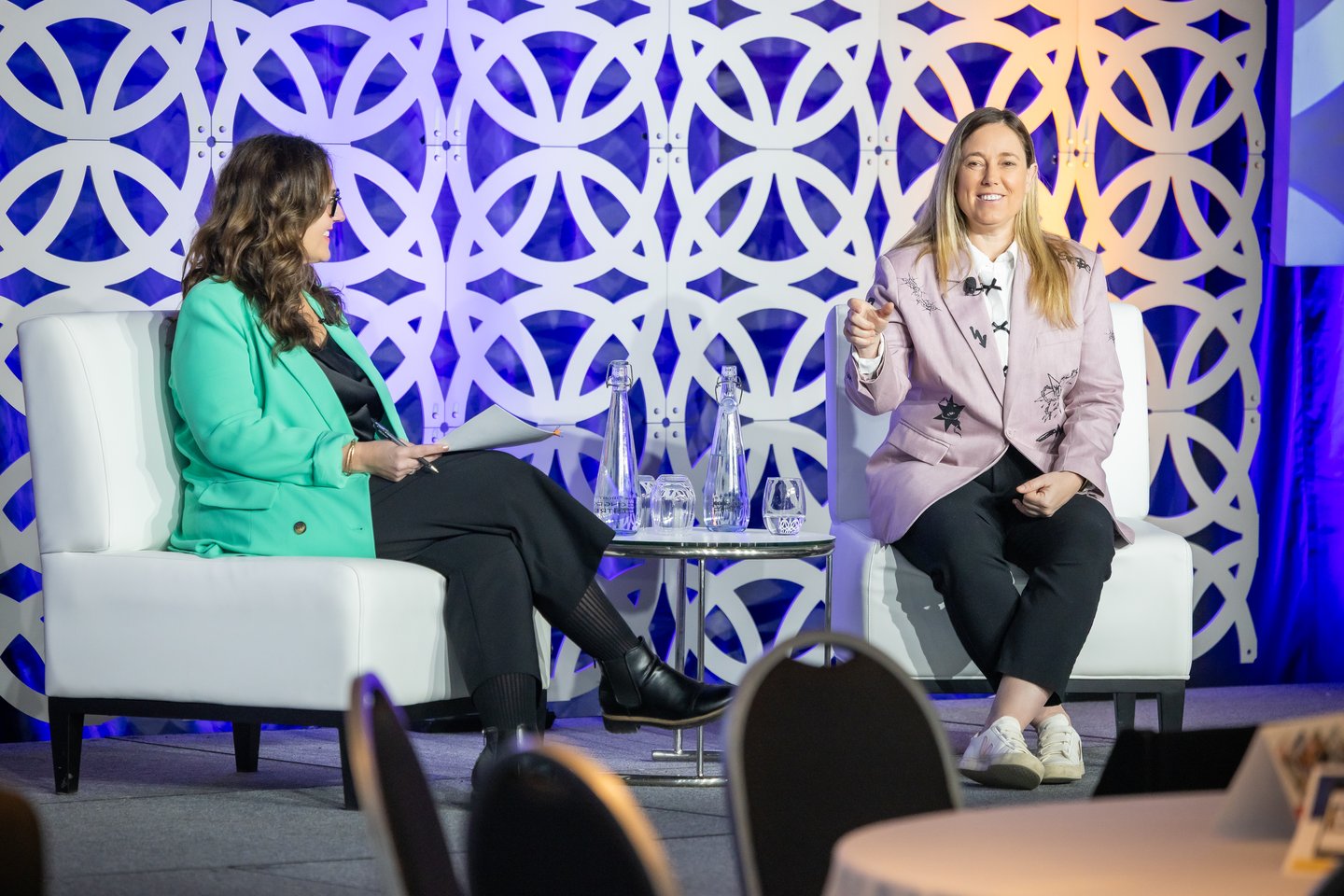
Following the keynote, Mac joined Convenience Store News Canada (CSNC) editor and associate publisher Michelle Warren for a fireside chat and audience Q&A, where the discussion explored how AI is beginning to influence day-to-day operations, marketing and customer engagement across industries. Mac cautioned that while the opportunities are great, there is a risk of erosion of trust if operators appear to be relying too heavily on AI. In the future, she says, “Humans have to remain in the mix, and most of us will live in this grey area where our jobs are always evolving.”
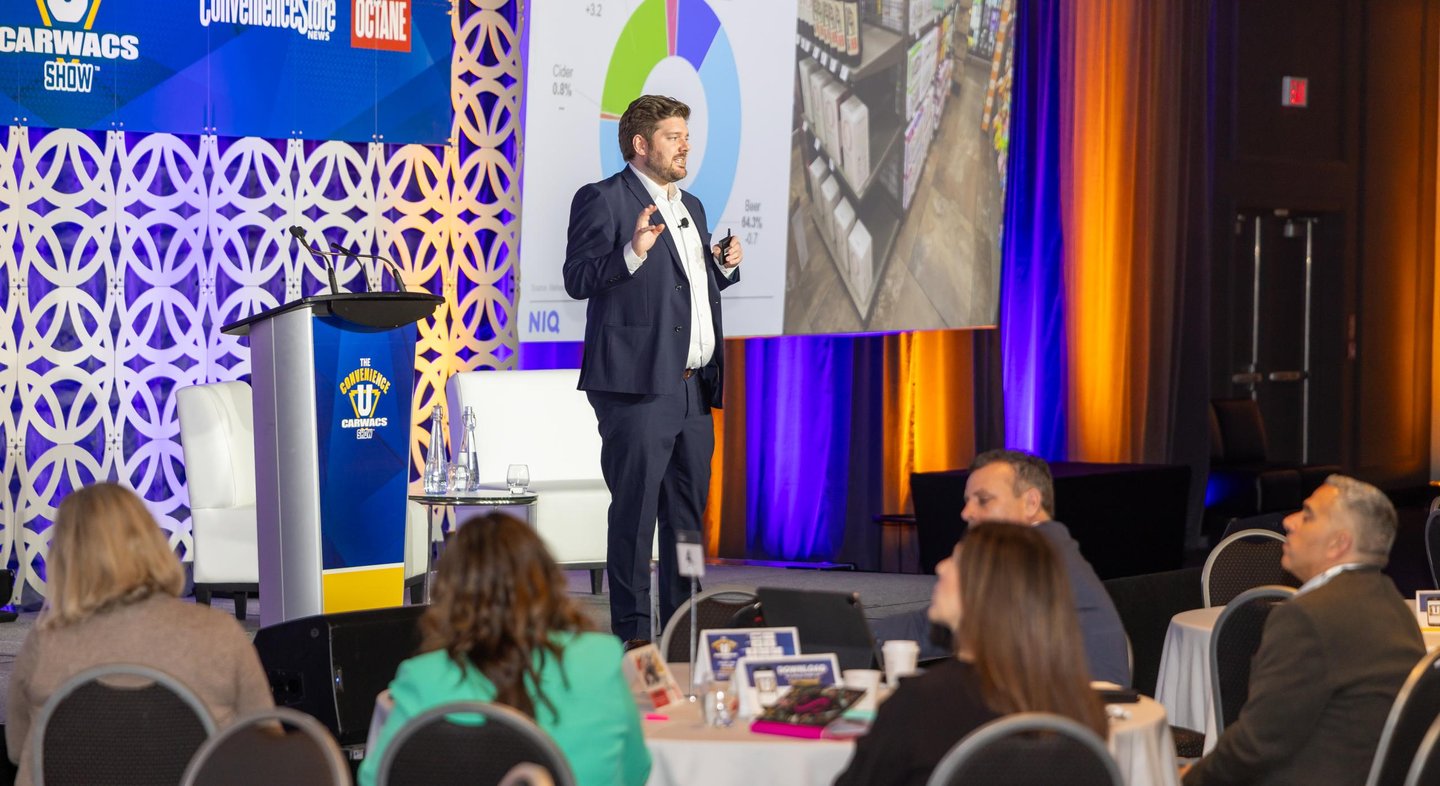
Next, attendees heard from Gabriel Moreau, vice-president, sales, NielsenIQ, who presented NIQ data on c-store beverage and alcohol sales. It’s been more than a year since Ontario’s historic expansion into beer, wine, cider and RTDs—and they’re reshaping the convenience landscape. Moreau talked about the double-digit growth in alcohol sales in the Ontario since its expansion of beer, wine, cider and RTDs into convenience, despite consumers being cash-strapped. He also looked at how alcohol is performing in markets across Canada and noted that GLP-1 drugs, which will soon become much less expensive, are having an impact. Some consumers are opting for less calorie-dense beverage options, like low-alcohol and no-alcohol products as they watch their weight, while others are making that choice due to the tendency for GLP-1s to cause worse-than-usual hangovers. “Gen Z is leading the way in this category,” he says.
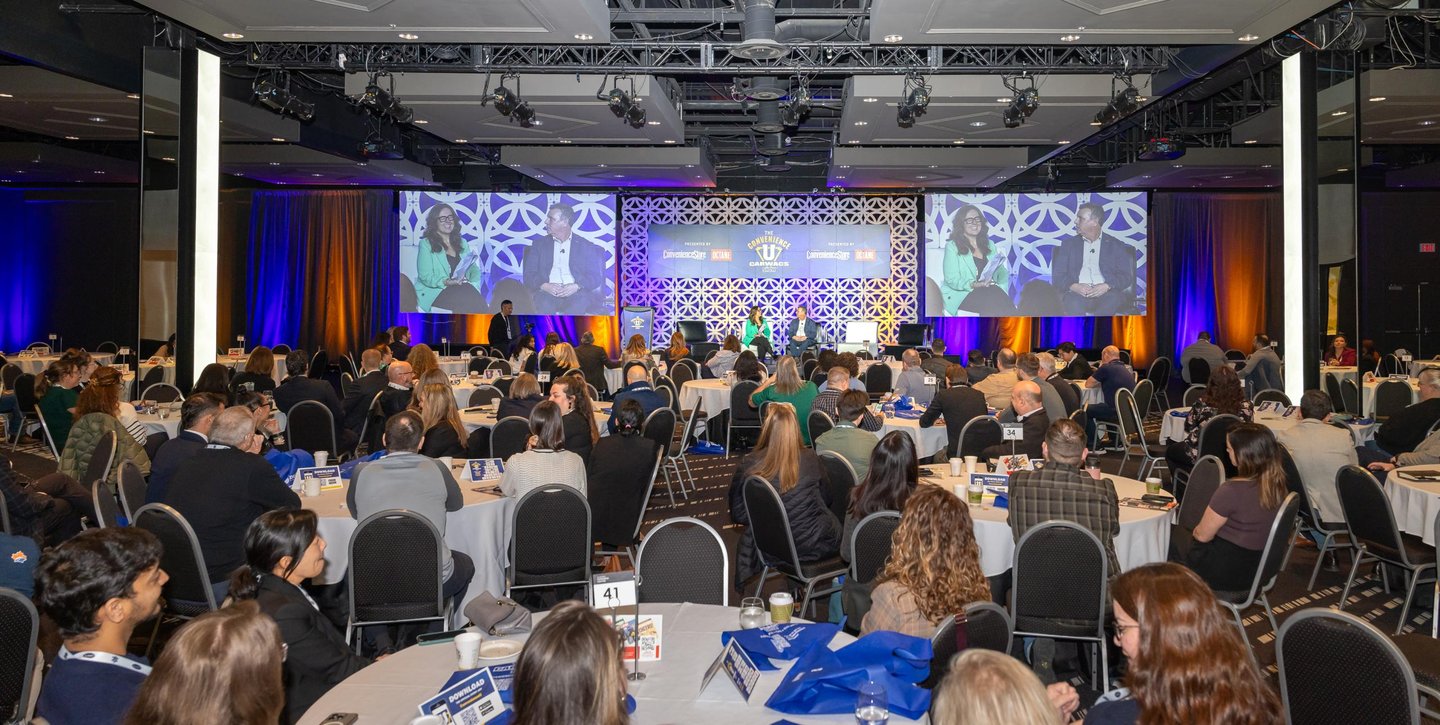
Taking a look at the convenience industry as a whole, Jeff Brownlee, Convenience Industry Council of Canada (CICC) VP, communications & stakeholder relations, sat down with Michelle Warren to tackle some of the issues facing the industry. He commented on the resiliency of the convenience channel, innovation and doing more with less.
One hot topic discussed was the need for tougher enforcement against illegal vaping and nicotine products, while reinforcing the convenience sector’s excellent record on age-restricted sales. Brownlee noted licenced retailers should be trusted to sell regulated products, including nicotine pouches, which were banned from convenience stores under a 2024 ministerial order. “We are respected retailers to sell lottery and alcohol and tobacco, but they don’t think we are capable of selling other nicotine products—it’s kind of crazy,” he says.
“We have $53 billion in sales but 48% of that goes to tax. We are huge tax collectors for the government, so they should listen to us,” Brownlee adds, also noting that the cost of credit card use to retailers is about $6,000 per year per store. “We’re trying to work on that.”
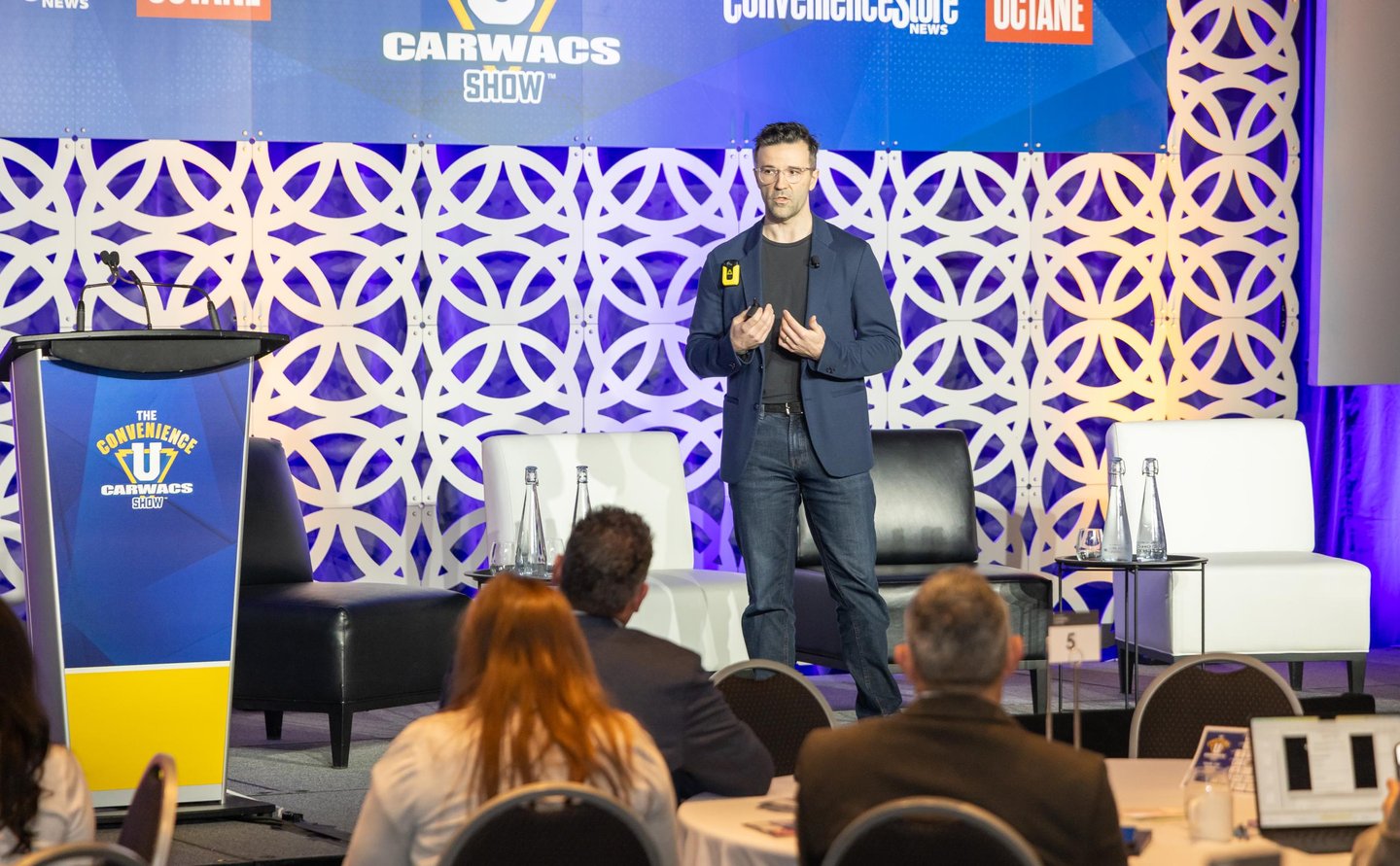
Escalating theft, organized retail crime and growing safety concerns are increasingly reshaping the day-to-day reality for convenience store and gas station operators—a topic that drew strong interest from attendees at the next session.
Jay Meloff, strategic enterprise account executive, Axon, specializes in helping security and safety leaders do more with less to protect their people, places and assets. He took the stage and presented a big-picture look at the evolving safety and security landscape in convenience retail. He explored what is changing across the sector, why it is happening and what operators can do to better protect their teams and businesses. Meloff noted that today’s thief doesn’t care if they get caught on CCTV camera, so more comprehensive tools are often needed.
“Safety and security is no longer being looked at as a cost centre, it’s looked at as an investment and a strategic priority,” he says.
“We’re seeing more retail crime, more repeat offenders, and even offenders who are coordinating across locations.”
Because police have faced cutbacks and, in some areas, increased crime, their response times to incidents can be slower, leaving staff to deal with incidents in real time. “That’s a really heavy responsibility,” he says.
While shrink and loss metrics matter, the impact of crime always shows up most in people, he noted. “When people feel unsafe, they’ll experience more stress. They’re going to disengage emotionally, and many will decide the risk isn’t worth it. When these employees leave, they take more than knowledge with them, they take away the familiarity and reliability (consumers feel) and that eventually affects the stability of the store itself.”
He suggested retailers expand the safety resources and tools they have, even if that expansion is incremental.
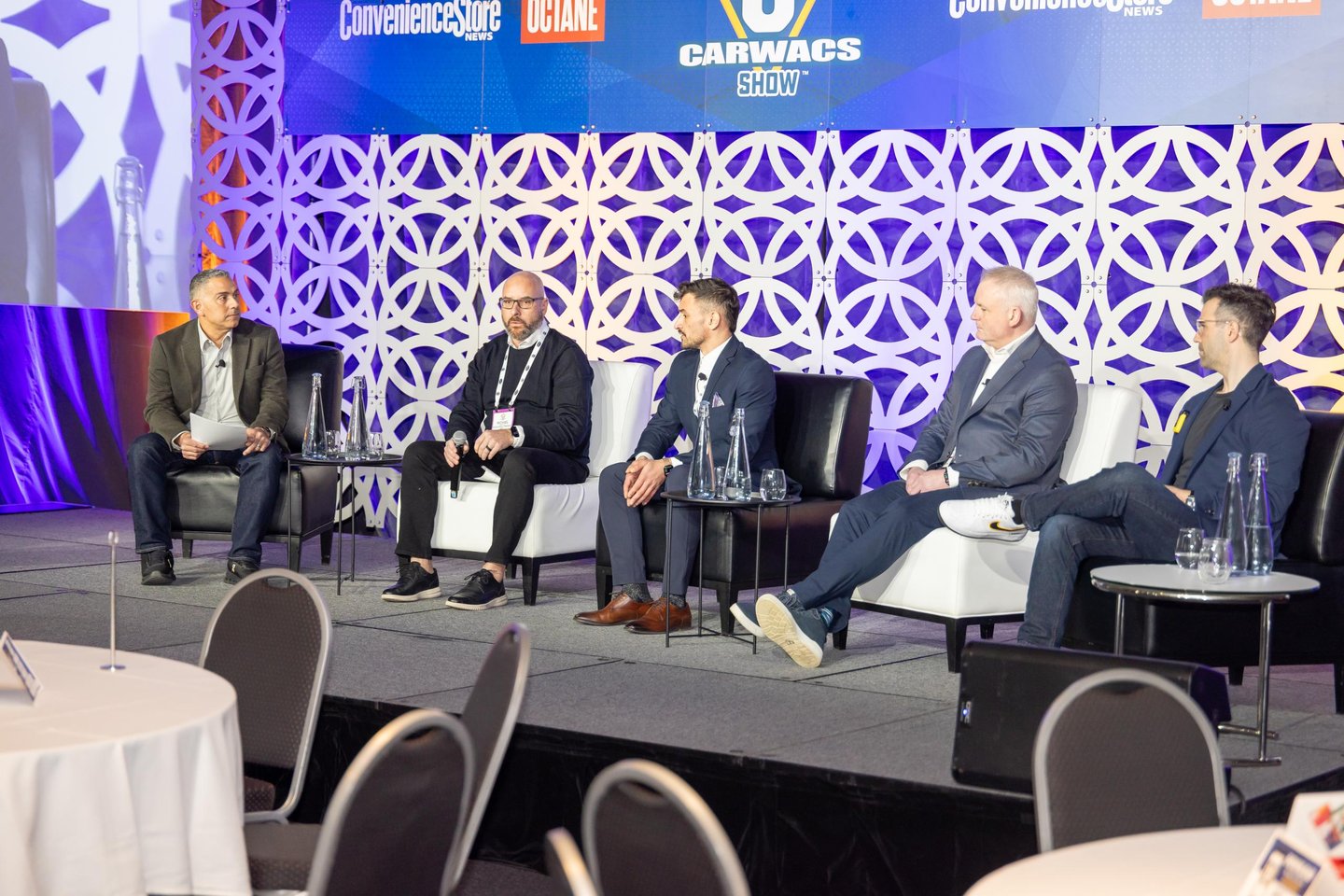
For the next session, a panel on security and loss prevention, Meloff was then joined by moderator Mike Hammoud, VP Atlantic Canada, Convenience Industry Council of Canada; David Button, president, North Sun Energy; Michael Carroll, director – corporate retail, McDougall Energy; and Amedeo Catenaro, senior director of franchising, real estate & marketing, INS Market.
Panelists says rising theft, organized retail crime and growing safety concerns are forcing convenience retailers to rethink everything from store layouts to staff training and security technology. Much of the discussion focused on practical deterrence strategies, such as placing high-theft items closer to the cash, upgrading CCTV systems and using emerging tools such as AI to help identify repeat offenders across multiple locations. But speakers emphasized that technology alone isn’t the solution. Strong customer service, employee awareness and clear safety protocols remain critical, particularly as frontline staff increasingly face difficult situations ranging from aggressive shoplifters to drug overdoses in store washrooms. Across the board, panelists agreed that protecting employees must remain the top priority, while closer collaboration between retailers, technology providers and law enforcement will be key to tackling the industry’s evolving security challenges.
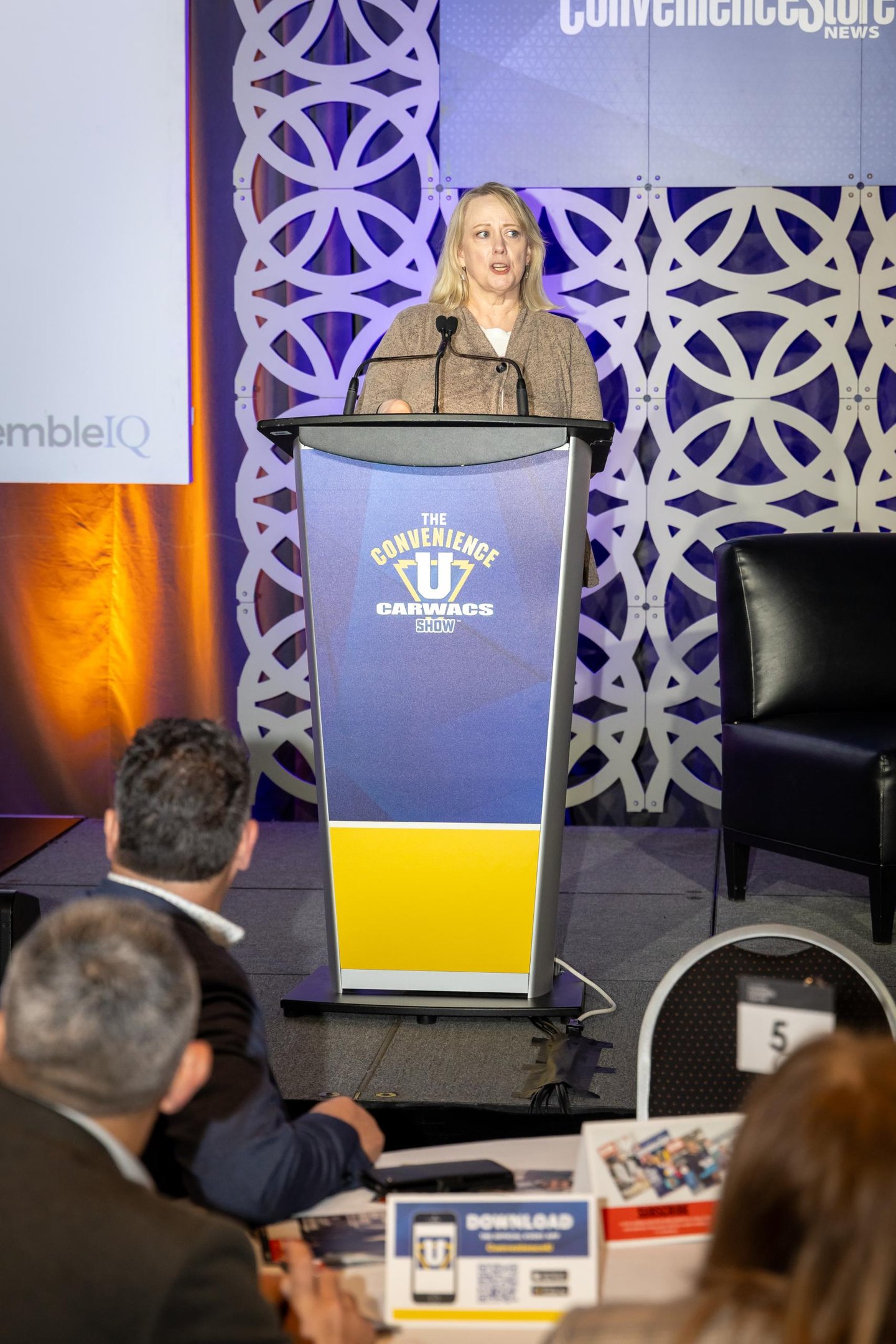
In her presentation, Beth Brickel, vice-president of research at EnsembleIQ, shared new insights into the rapidly shifting habits and expectations of convenience and fuel shoppers across generations.
Drawing on a national survey of more than 2,000 consumers, Brickel says Gen Z and millennials are increasingly redefining the convenience channel, with younger shoppers turning to neighbourhood convenience stores as part of their everyday routines. Loyalty programs and expanded foodservice offerings are key drivers of that engagement, she noted, while social media is also playing a growing role in how retailers connect with younger customers—with about half of Gen Z respondents saying they follow a convenience store on social media.
The research also explored how factors such as economic pressures, the buy-local movement and growing interest in wellness are influencing purchasing decisions, offering operators a clearer picture of which categories are gaining momentum and where new opportunities may emerge.
Lunch and learn presentation
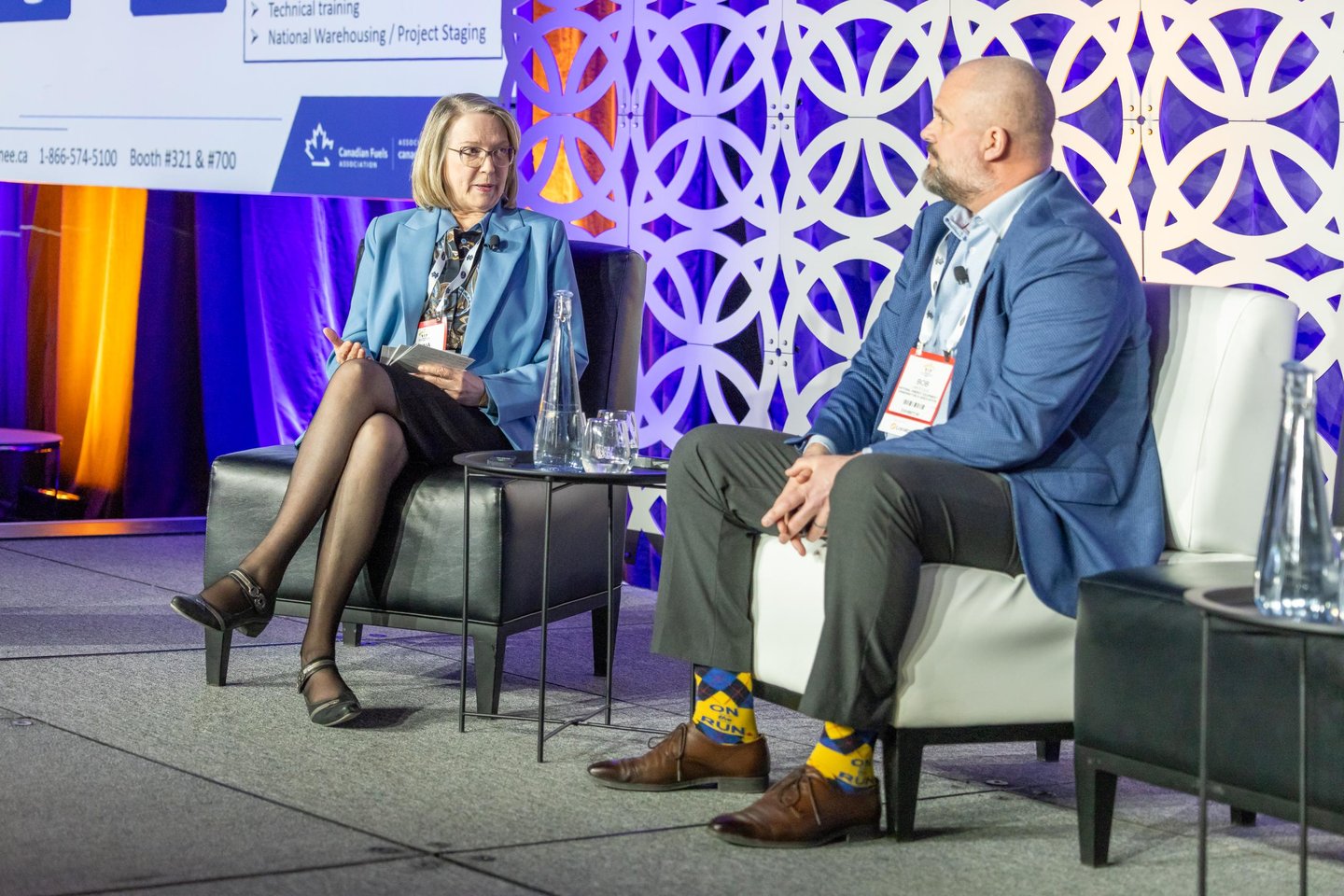
Bob Larocque, president and CEO of the Canadian Fuels Association, says Canada’s liquid fuels sector is entering a period of significant transition, shaped by climate policy, evolving vehicle technology and global energy dynamics. Speaking in a fireside chat with Tiina McCombie, market director of energy fuelling at National Energy Equipment, Larocque outlined how regulations such as the Clean Fuel Regulations and zero-emission vehicle mandates are accelerating changes in the fuel mix, including the growing use of renewable gasoline and renewable diesel alongside traditional fuels. He noted that hybrids are gaining momentum in Canada’s vehicle market and will likely remain an important part of the transportation energy mix for years to come.
The discussion also touched on geopolitical pressures, trade considerations and the importance of maintaining Canada’s domestic fuel supply while reducing emissions. Looking ahead, McCombie and Larocque agree innovation—including artificial intelligence and new refining techniques such as co-processing renewable feedstocks—could play an important role in helping the industry improve efficiency and remain competitive as the energy transition unfolds.
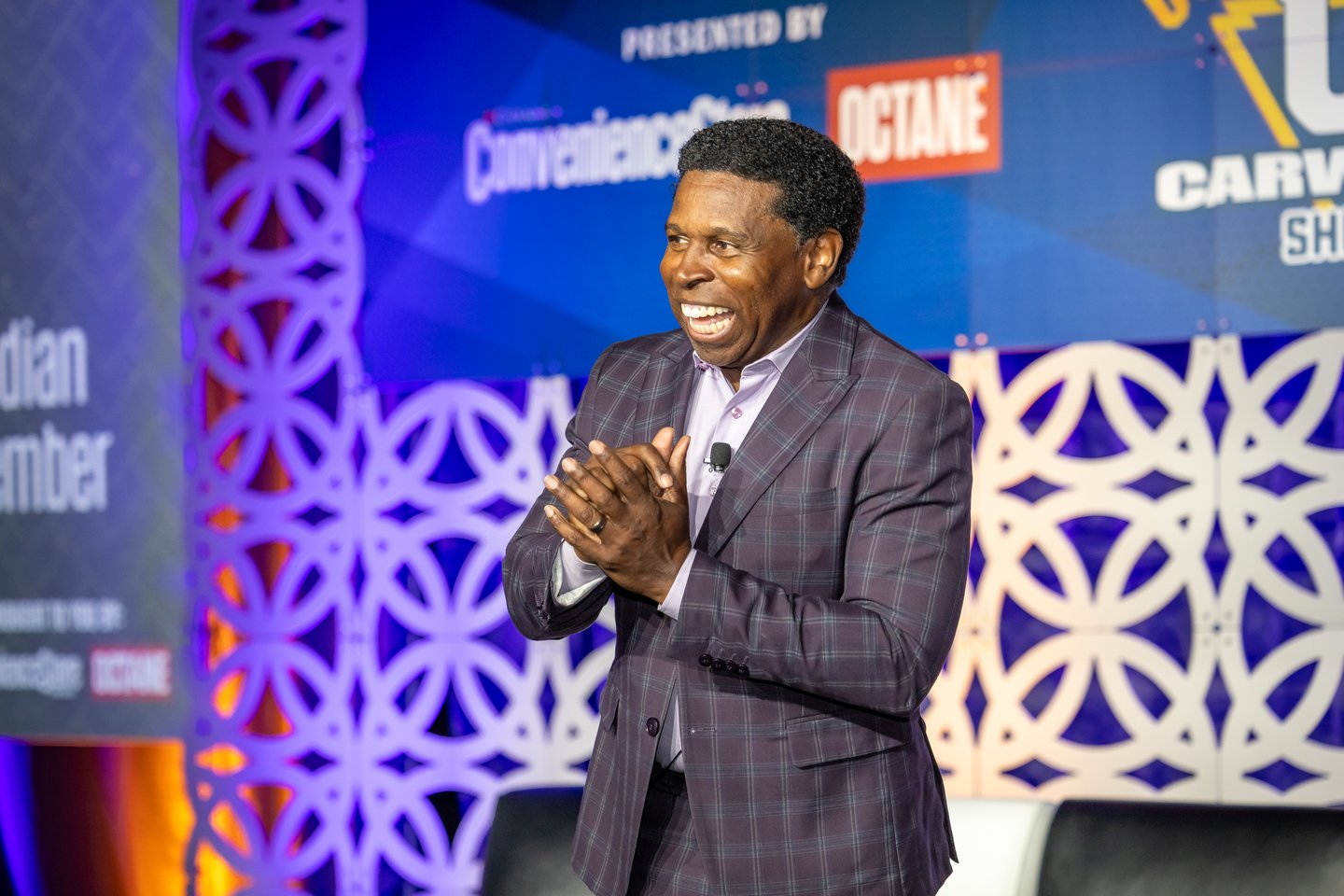
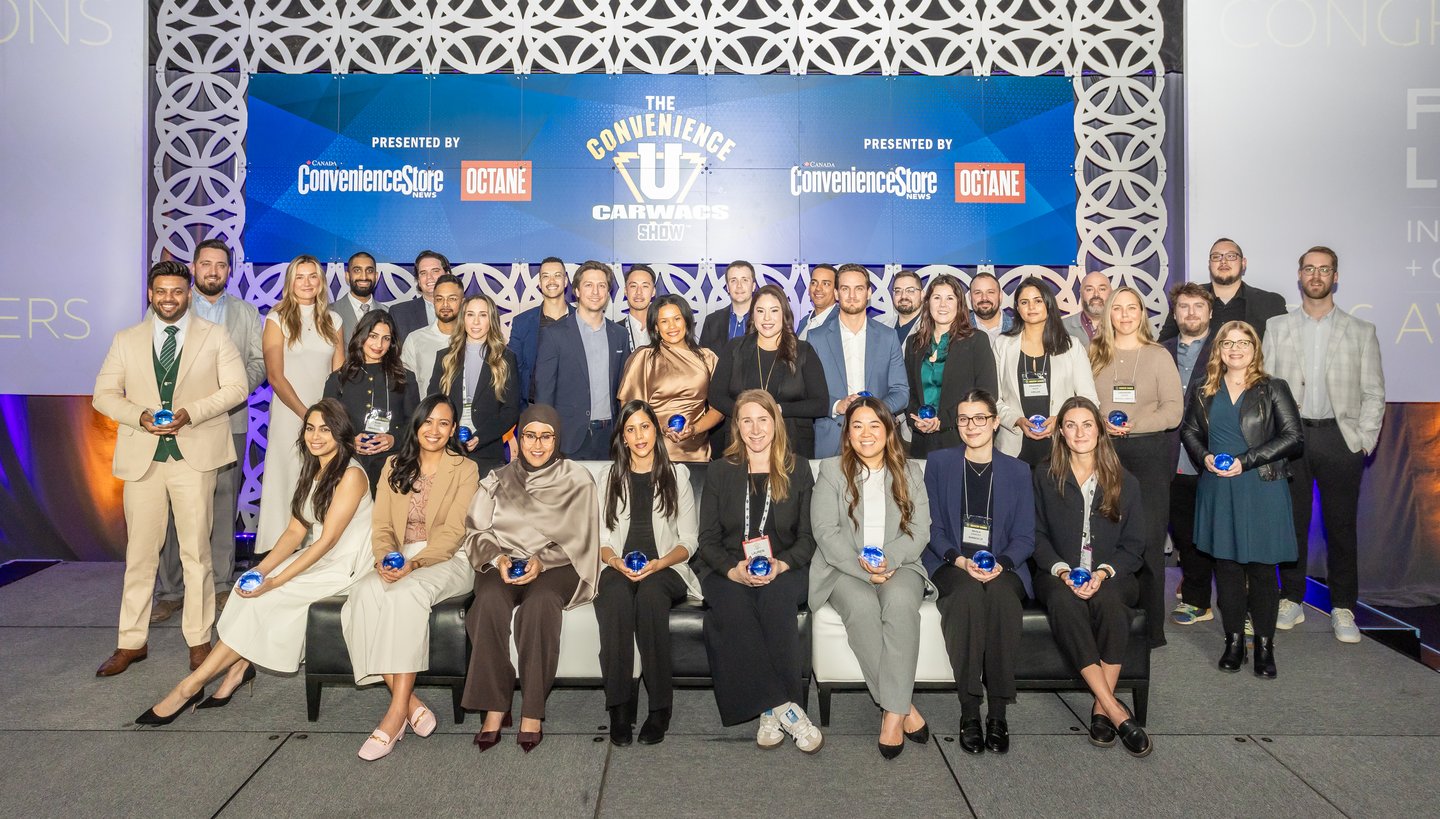
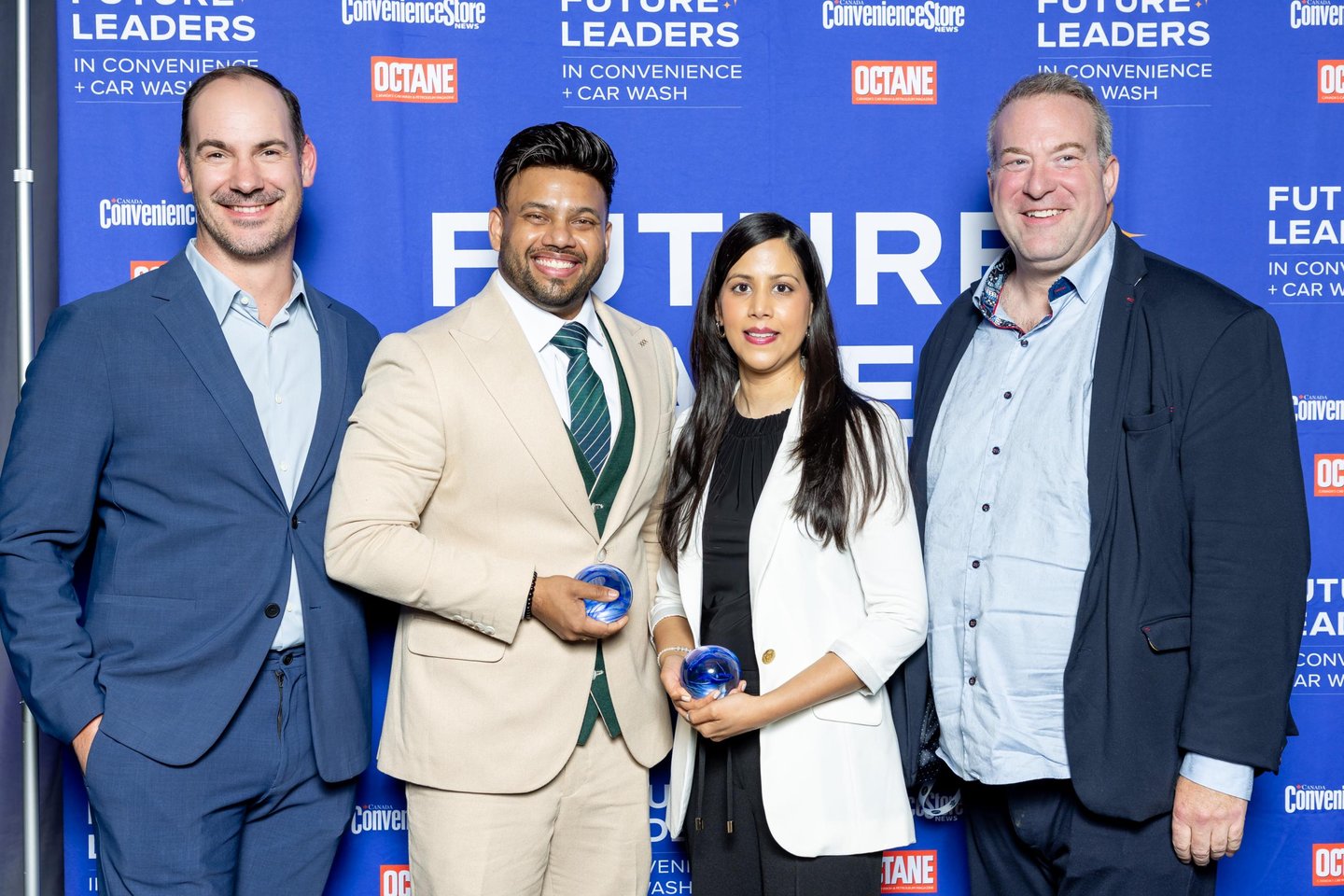
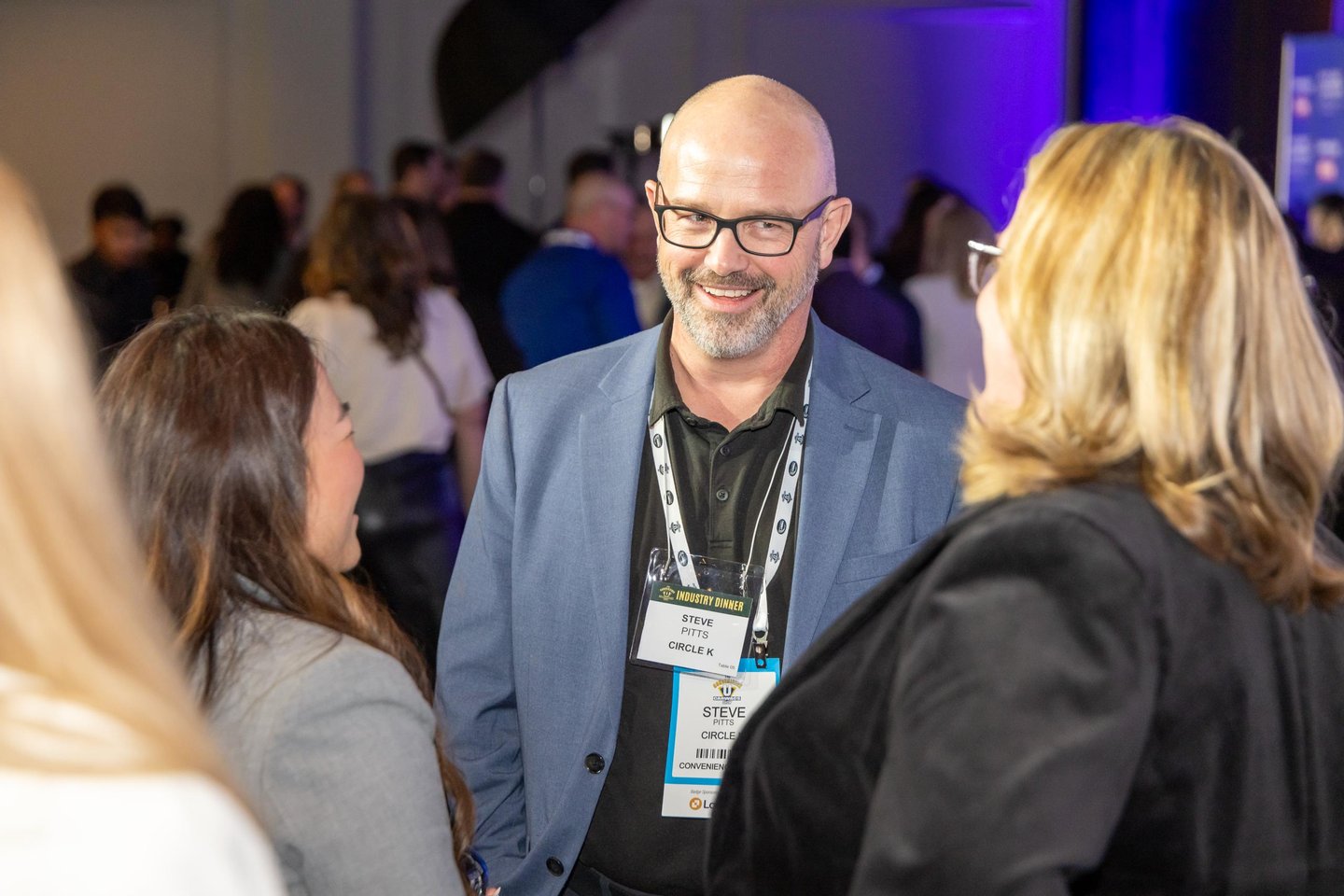
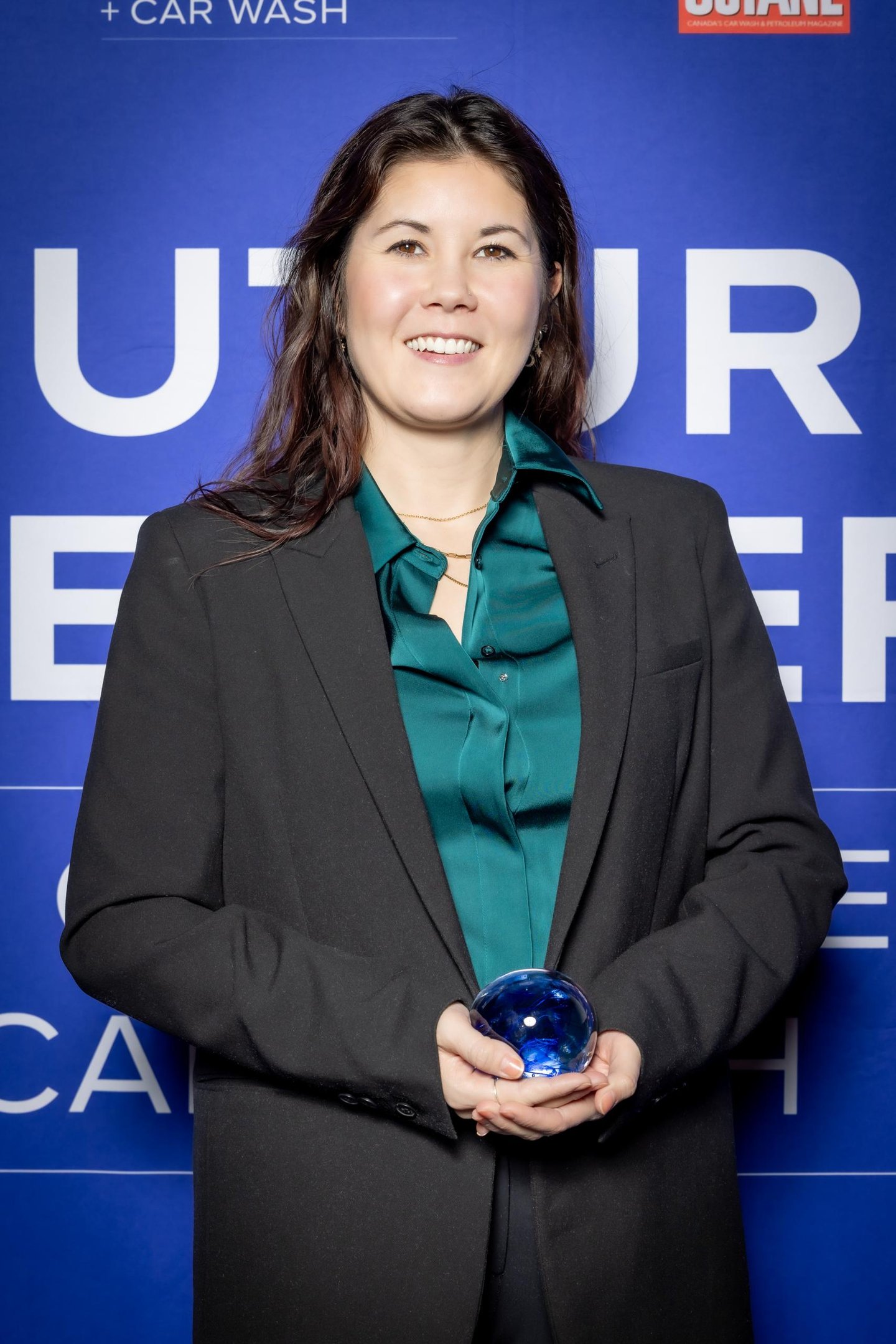
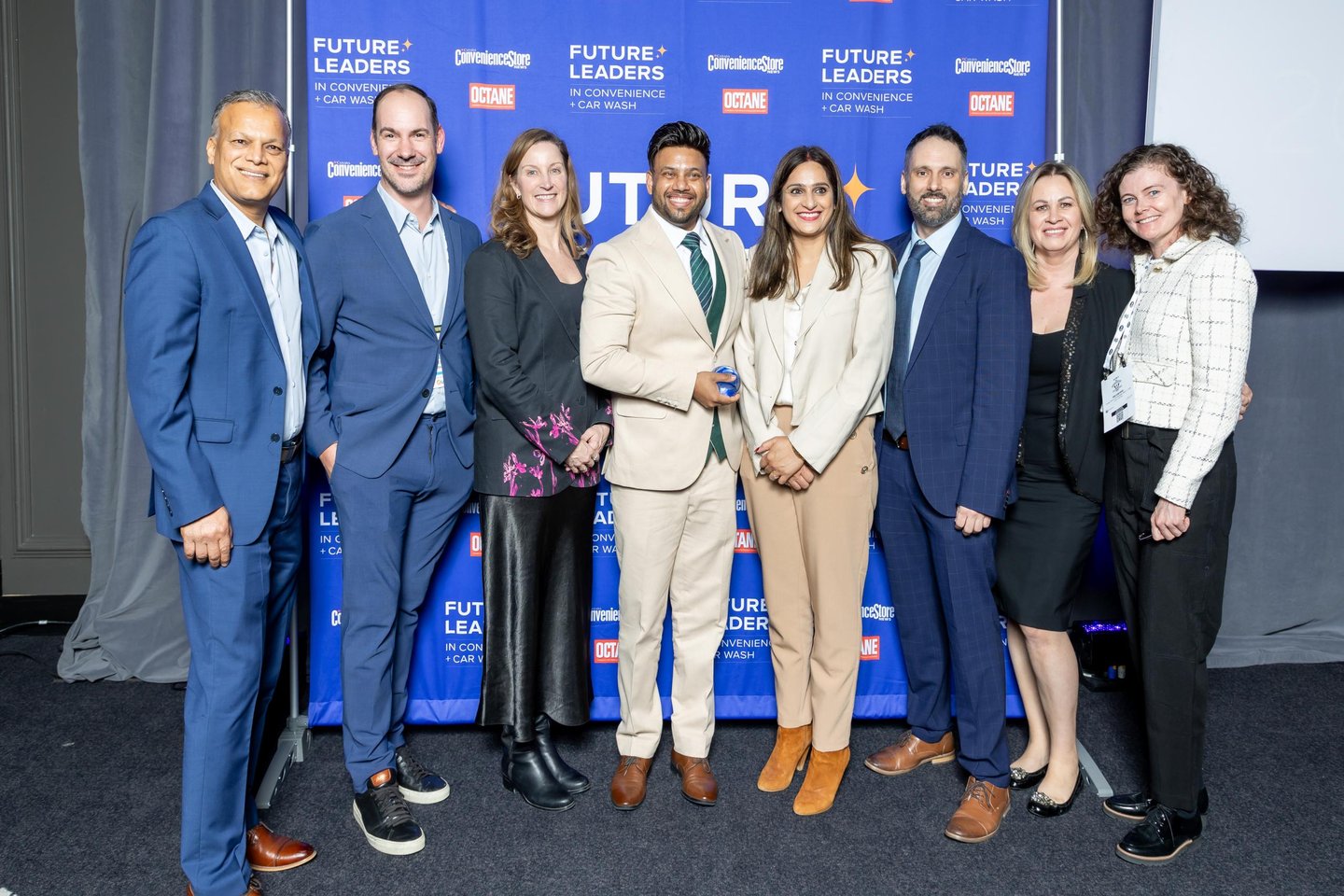
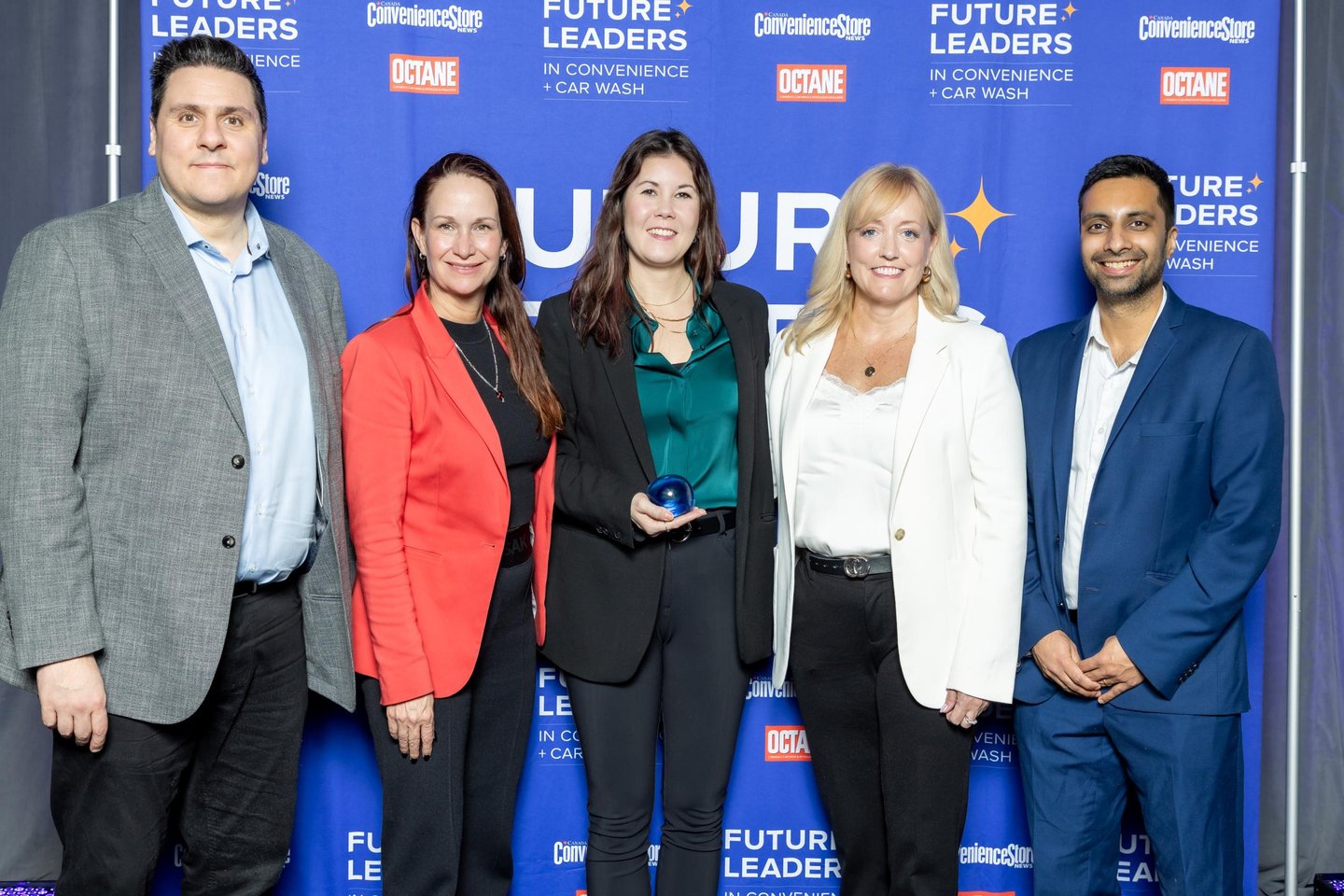
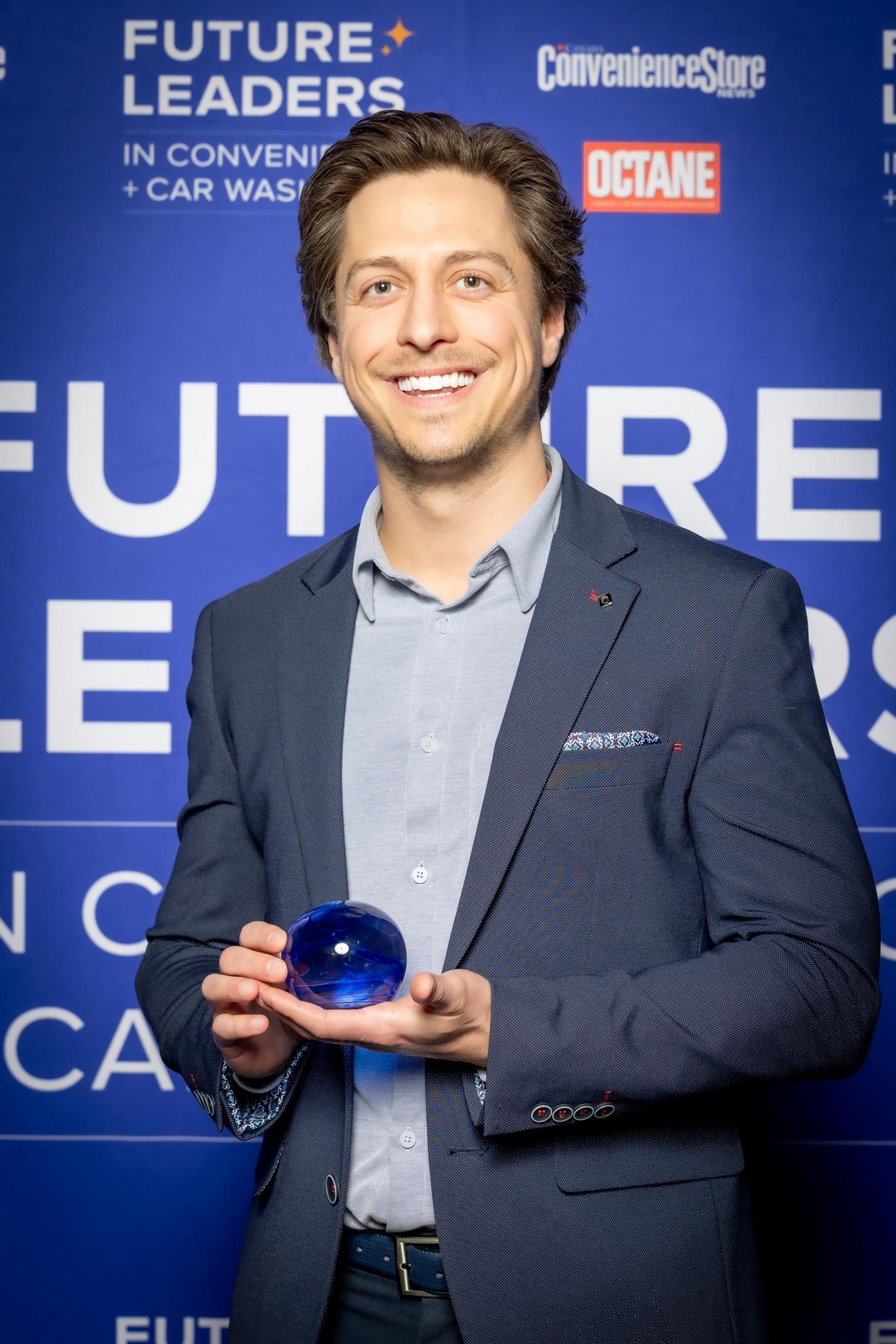
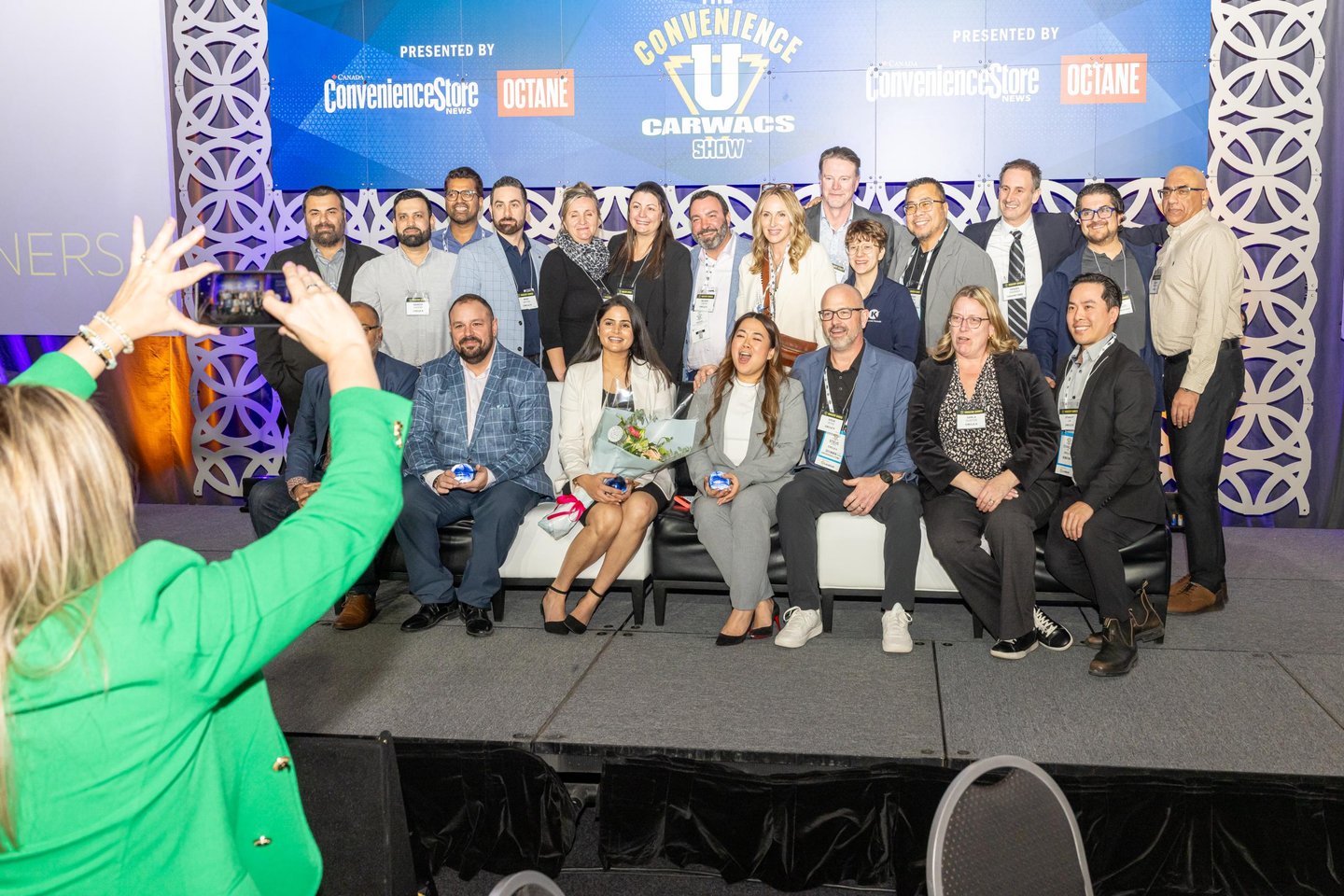
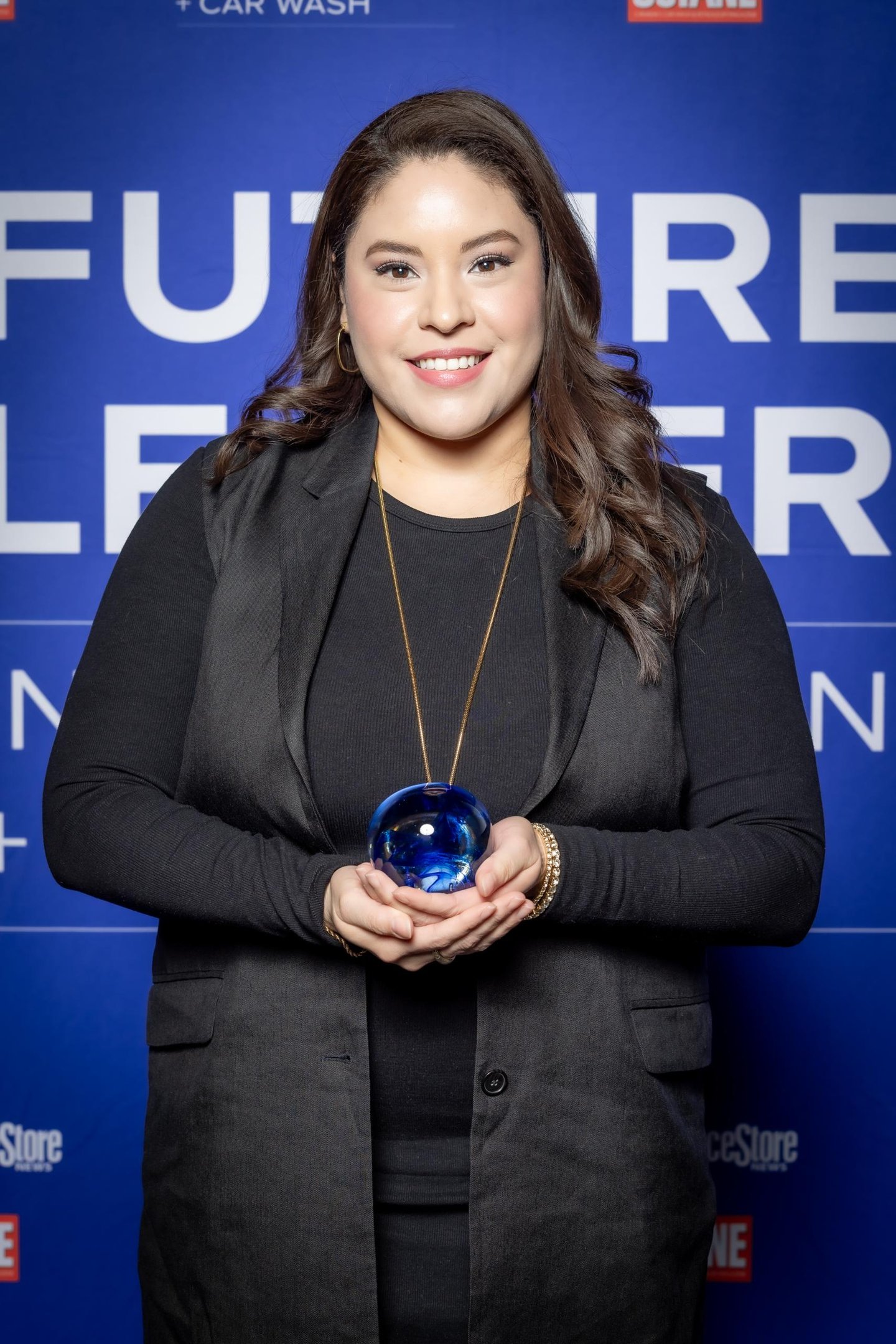
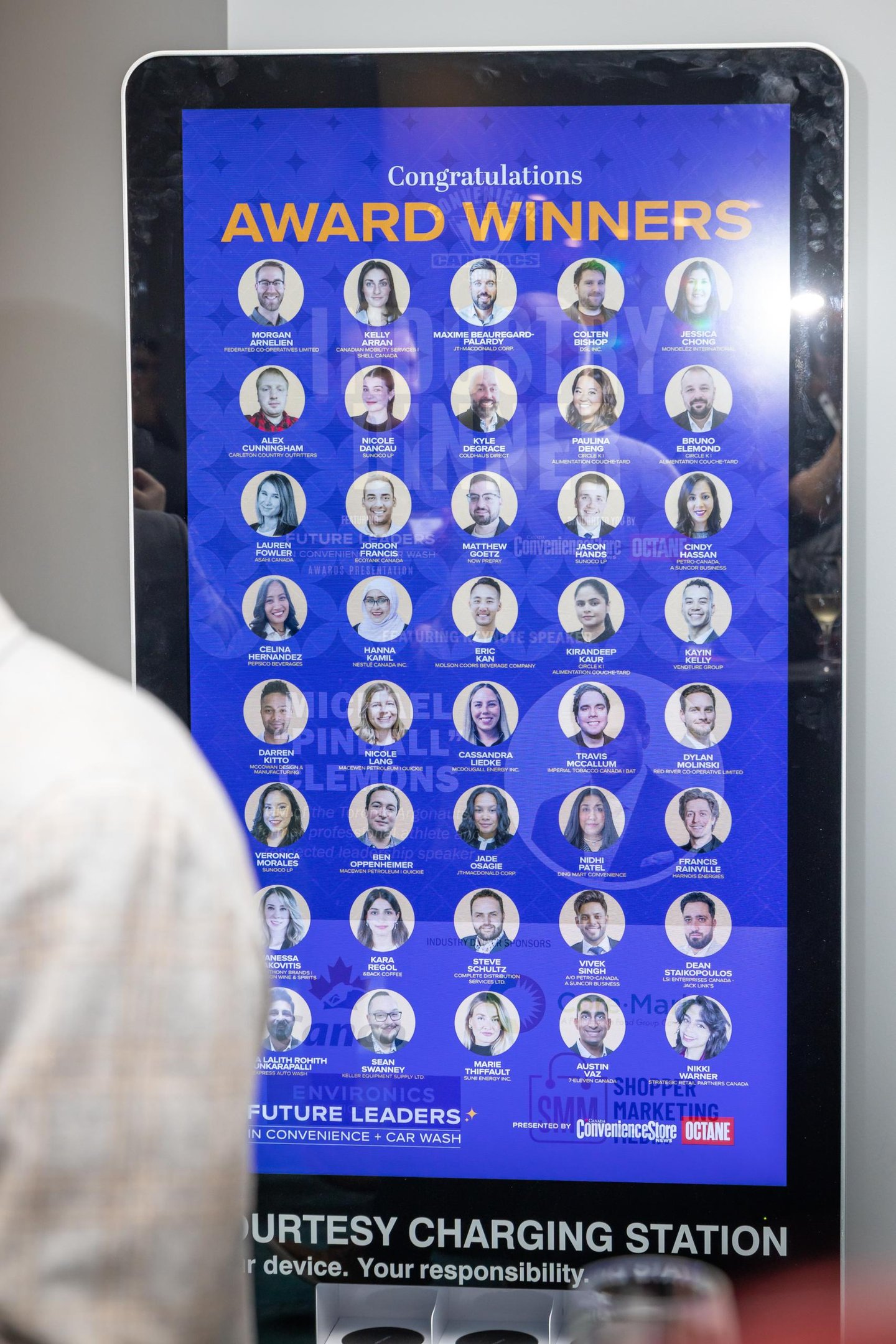
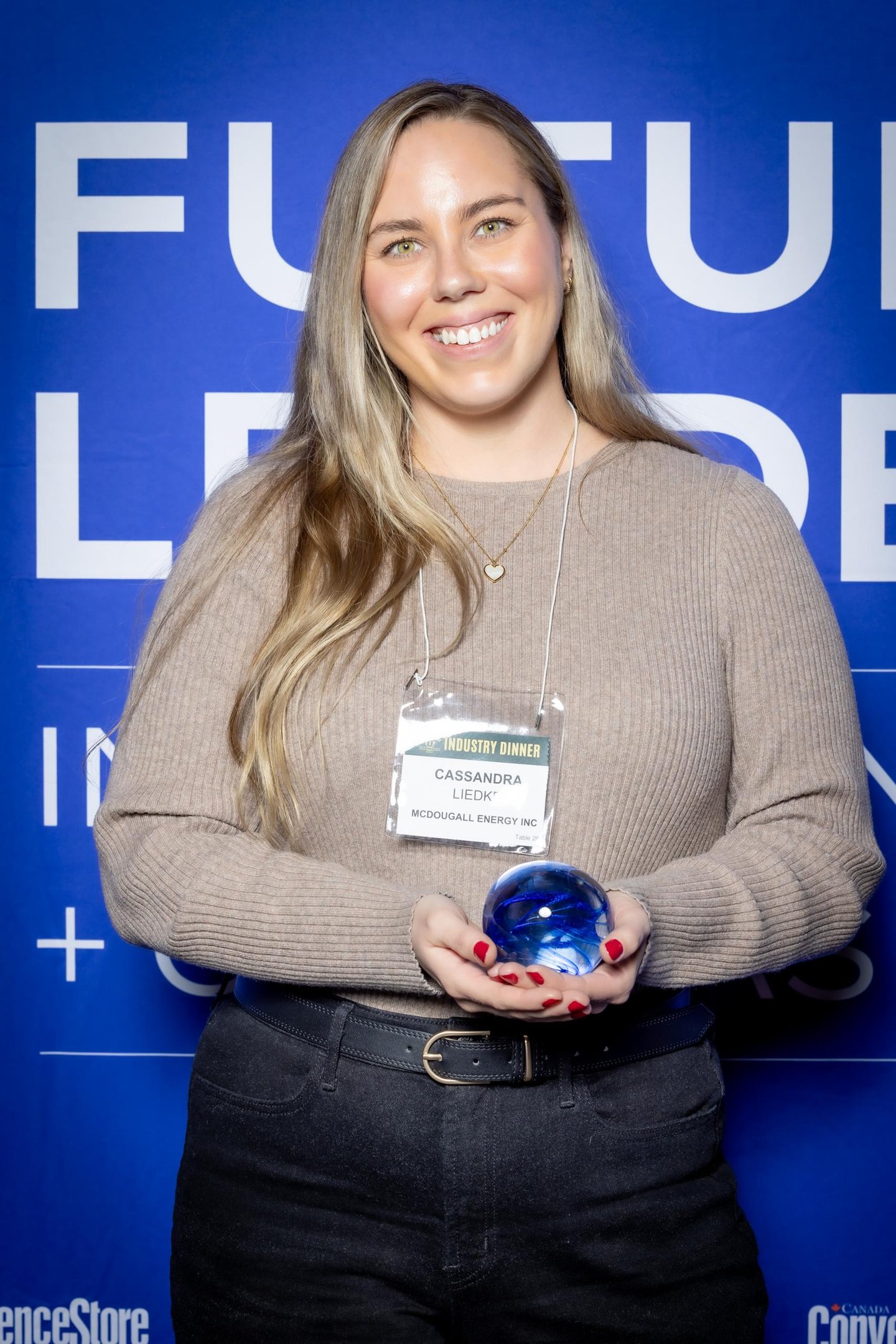
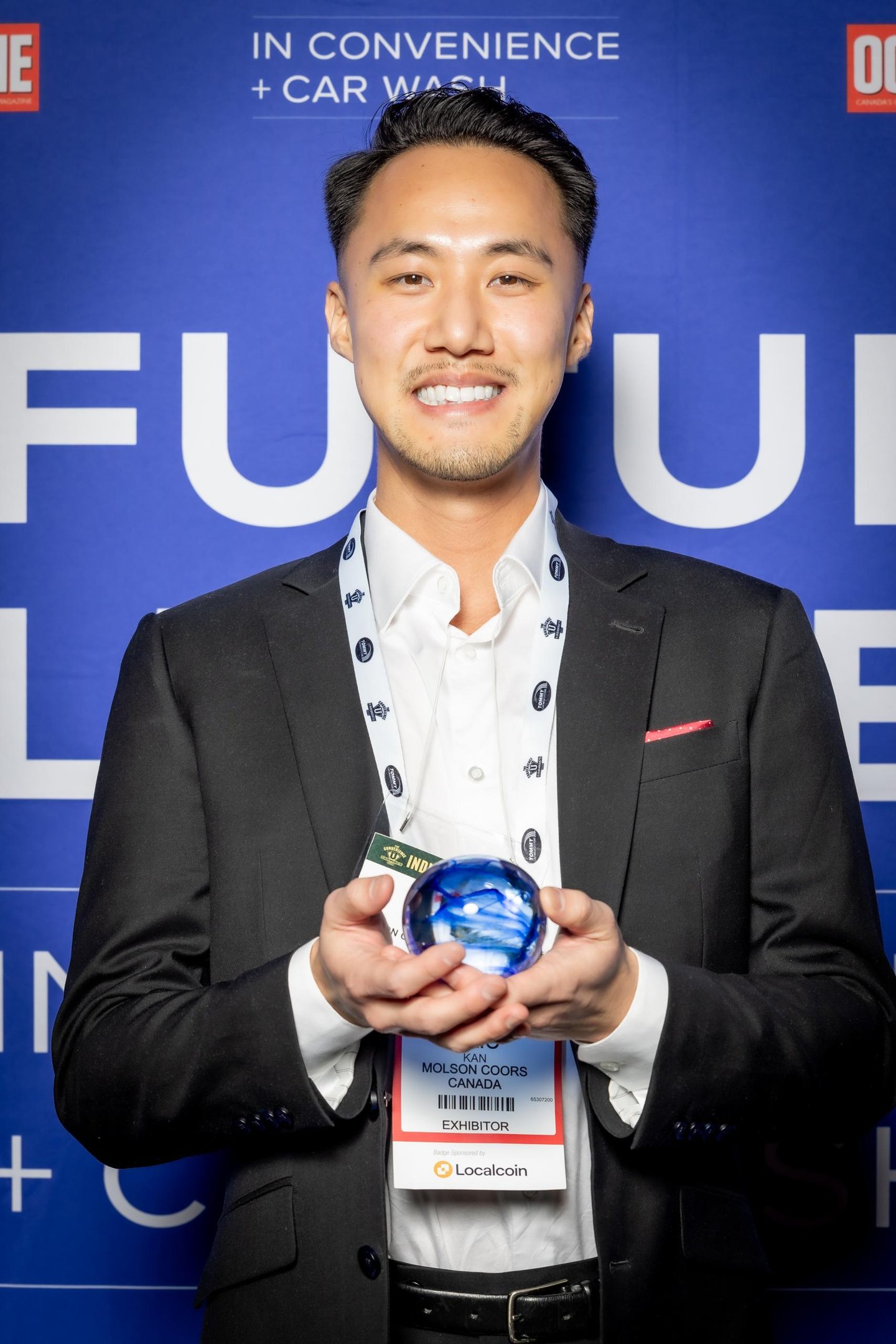
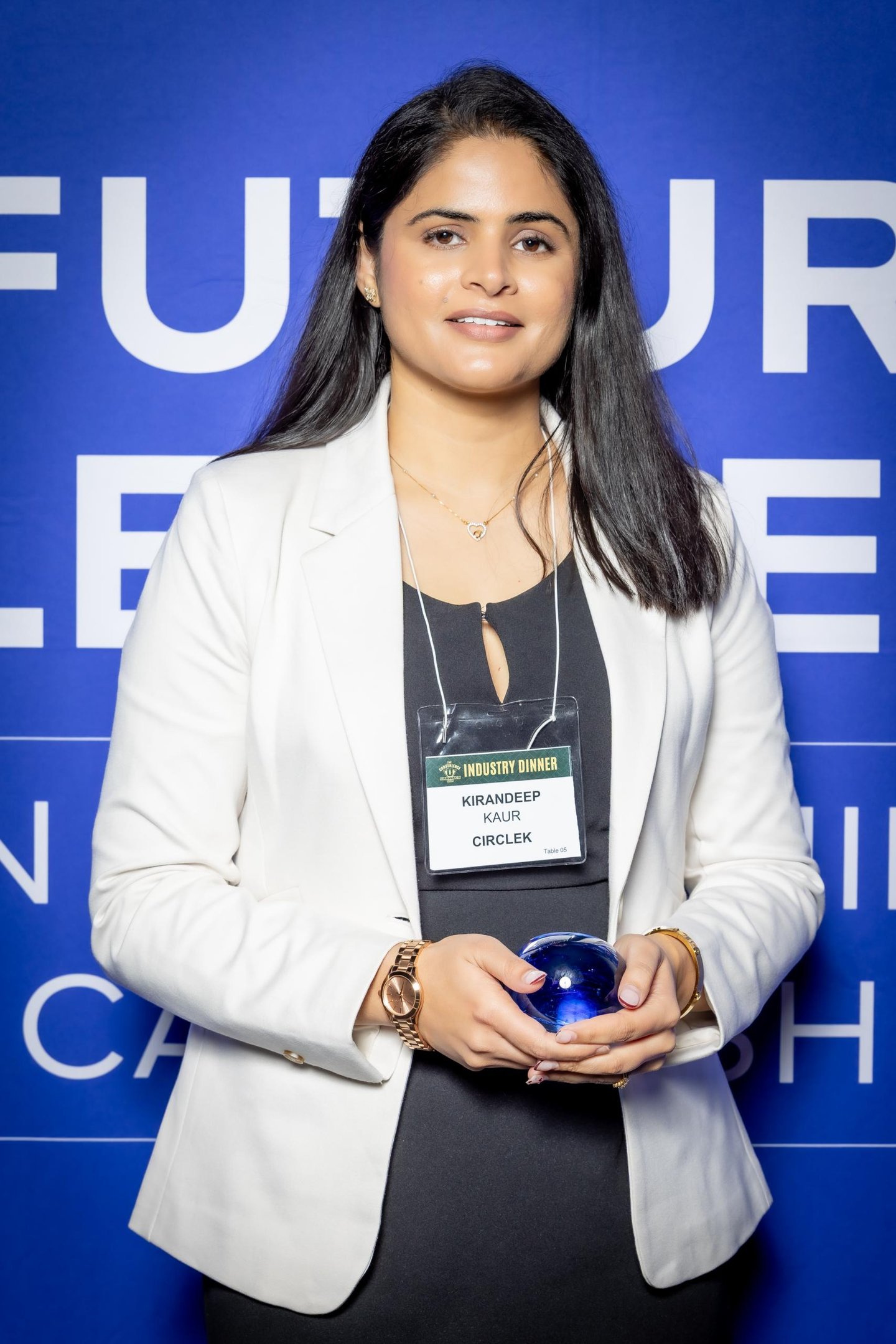
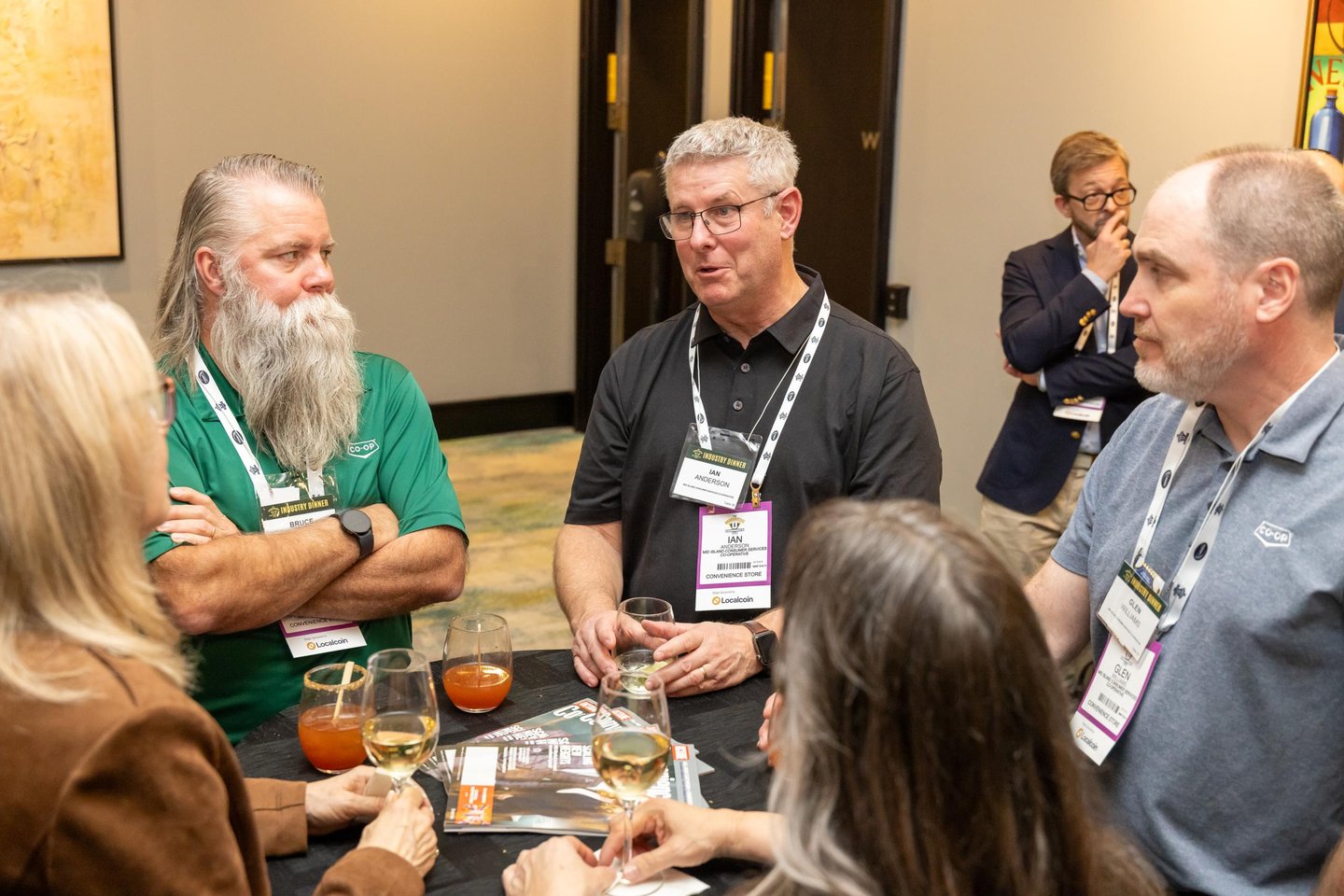
After an packed afternoon on the Trade Show floor, industry leaders gathered for the sold-out Industry Dinner, which featured the 2026 Future Leaders in Convenience + Car Wash Awards. Guests were treated to the incredible energy of Michael "Pinball" Clemons, who a delivered a keynote about leadership and having each other's backs.