Sweet spot: How bakery goods keep convenience-gas customers coming back for more
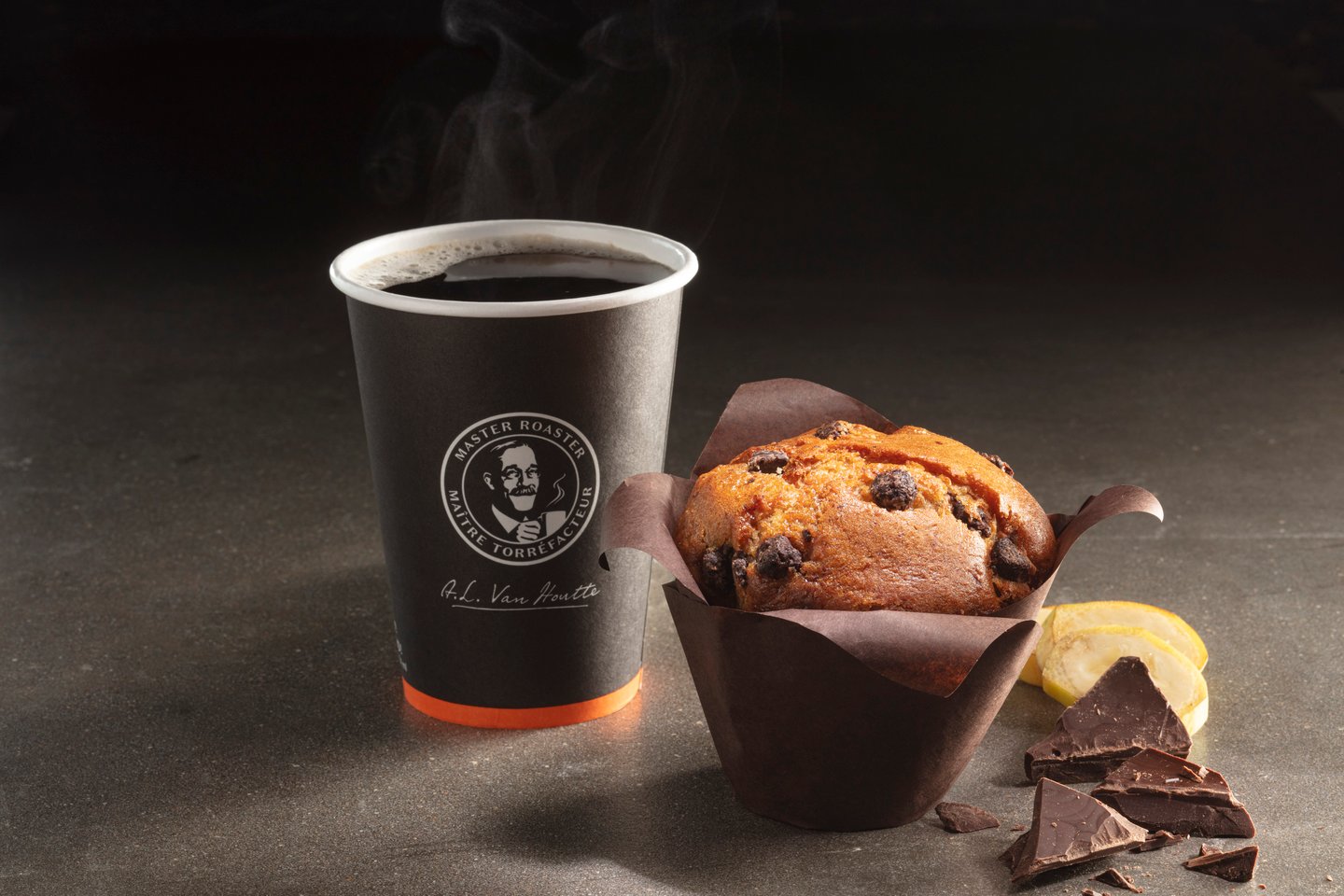
A customer walks in to pay for gas, pick up a lottery ticket, or grab a morning coffee—and stops short. Hmmm… the sweet smell of chocolate chip cookies! Wafting from a portable convection oven, the aroma even makes nearby thaw-and-serve doughnuts seem freshly baked, transforming a self-serve coffee corner into an unexpected mini-bakery.
Core-Mark Canada recently rolled out this program across its network of independent convenience stores in partnership with cookie and muffin brand Otis Spunkmeyer. It paired in-store branded ovens with merchandising support to spark impulse purchases and elevate perceptions of freshness. This innovation shows c-stores chasing a slice of Canada’s booming multi-billion-dollar coffee-and-bakery market. In Canada, coffee generated more than $2 billion in foodservice sales over the 12 months ending November 2025, according to Ipsos Foodservice Monitor. Baked goods added up to another $1 billion.

“With the cost of living remaining high, coffee and bakery are categories where Canadians are changing habits,” says Emma Balment, director of food and beverage, Ipsos. “They’re sourcing from home more often, but also increasingly turning to the more economical convenience and gas channel.”
Many c-stores have already upped their java offering, introducing specialty coffees and fresher options that younger generations crave. Now, chains are raising their bakery game as well.
7‑Eleven Canada has enhanced its program, one of the few chains with on-site facilities. “In most stores, muffins, cookies, croissants and pastries are baked in-store during every shift to ensure freshness,” says Benny Cheng, corporate executive chef, 7-Eleven Canada. “Doughnut items are delivered daily.”
“We have evolved our bakery program so that our customers can enjoy savory or sweet, oven-fresh products, baked in-store or thaw and serve, anytime of the day,” says Cheng. “Seasonal items are added to the assortment to keep customers coming back to try something new.”

Its top seller? A cinnamon-glazed apple fritter, though cookies and croissants also perform strongly. Freshness remains a priority: unsold products go into Too Good To Go surprise bags for purchase on the Too Good To Go app, reducing food waste while letting customers enjoy baked items at a discount and driving sales.
Merchandising is also key to success. “Given the strong affinity between fresh baked goods and hot beverages, most 7‑Eleven Canada stores feature a bakery case near the checkout, adjacent to our coffee bar,” says Jeff Monachello, senior director of merchandising at the chain.

For c-stores without the space or resources to bake on-site, competing against QSRs isn’t easy. “Freshness and spoilage remain the biggest challenges,” says Jeremy Poty, regional foodservice growth manager, Core-Mark Canada. Still, pastry and bakery orders have grown about 10% annually, helped by innovations in pre-packaged items.
“Retailers are also investing in larger, more prominent displays for freshly baked pastries and thaw-and-serve doughnuts, elevating the category beyond a simple add-on,” says Poty. “We’ve also seen a notable shift toward in-store preparation and baking, moving away from strictly pre-packaged products to deliver a more premium, freshly made experience.”
Next-level chill
With c-stores increasingly expected to serve as quick-service meal and snack destinations, “both fresh baked and individually wrapped bakery items play a pivotal role in that evolution,” says Paul Stippich, senior director of marketing, Otis Spunkmeyer.
While the company’s portable commercial convection cookie ovens (model OS-1) have become more popular with c-stores, Stippich says “the biggest shift we’ve observed is the move toward dependable, thaw-and-serve offerings that provide fresh-baked quality with no onsite labour.”
To that end, Otis Spunkmeyer provides individually wrapped cookies and muffins that “extend freshness, minimize contamination risk and help retailers better manage inventory,” he says. “For operators with fluctuating traffic patterns, this makes the category far easier to execute profitably.”
“Packaging is just as important as flavour in this channel,” Stippich adds. “We’ve invested in packaging technology that locks in freshness and allows the baked goods to be shipped frozen, to thaw when needed.”
Otis Spunkmeyer individually wrapped 4 oz cookies have a 60-day ambient shelf-life after thawing, while individually wrapped 4 oz muffins and loaf cakes have a 30-day ambient shelf-life after thawing.
Citing Core-Mark’s program with Aspire Bakeries, which owns the Otis Spunkmeyer brand, he says, “Customers respond strongly when they can see products being prepared in-store, reinforcing perceptions of freshness and quality. Equally important is the sensory experience; the aroma of freshly baked cookies has proven a powerful trigger that draws customers toward the bakery area.”
In Quebec, Beaudry (formerly Groupe Beaudry) has rolled out a bakery-fresh program using small countertop ovens that bake muffins, croissants, Danishes and cookies. First tested in its Beau‑soir convenience store banner last autumn, the program has since expanded to additional banners, including Super Sagamie.
Driving customer traffic
“Bakery sales jumped 20% to 25%,” says Serge Nadeau, vice-president, business solutions at Groupe Beaudry, when locations switched from pre-packaged items to oven fresh. At just under $4,000 per c-store, the oven quickly pays for itself by driving sales and customer traffic.
“Retailers already see strong margins on coffee—around 65%—and adding fresh baked goods increases basket size even further,” Nadeau says. “Pairing coffee with fresh pastries boosts both coffee and bakery sales. It turns the store into a regular destination, especially in the morning, which is why the oven is up and running by 7 a.m.”
New flavours
Under its La Cour aux Saveurs (“The Court of Flavours”) foodservice concept, new varieties are introduced regularly, like a pineapple, coconut and lime muffin, with seasonal items rotating throughout the year. Pumpkin spice launched last fall, and maple-flavoured baked pastries will appear during Quebec’s syrup season from late February to April, in partnership with Nutrifrance.
Getting into the category has also presented another opportunity: the mid-afternoon snacking crowd. “While regular-sized pastries like muffins and croissants sell well in the morning with coffee, we’re finding consumers want smaller options to satisfy their cravings in the afternoons,” says Nadeau. “And so, we’re developing smaller items to capture that traffic. It’s a category that’s really heating up.”
- Shelf life
Bakery items don’t wait around—when they linger, freshness suffers. Smart merchandising keeps products looking appealing, easy to grab and, most importantly, moving. Here’s how.
Leverage checkout counter
Feature individually wrapped bakery items at checkout to capture grab-and-go snacking occasions. Otis Spunkmeyer’s Caddy Packs, for example, are designed for countertop placement in high-traffic areas.
“They help operators merchandise our individually wrapped cookies, brownies and loaf cakes in a countertop-ready carton that keeps product fresh, reduces handling and maximizes visibility in small-footprint selling spaces,” says Paul Stippich, senior director of marketing.
Jeremy Poty, regional foodservice growth manager at Core-Mark Canada, says its vendor support programs, like SmartStock, help manage inventory levels, reduce waste and ensure products on shelf remain as fresh as possible. “These programs allow us to stay proactive, minimize spoilage and consistently deliver high-quality bakery products to retailers.”
Edit product assortment
Experts recommend curating a mix of top sellers—cookies, muffins, brownies and pastries that balance indulgent treats with everyday staples—and rotating limited-time flavours to create excitement. “When the display looks full, fresh, and simple to navigate, the category performs significantly better,” notes Stippich.
“Cookies and doughnuts continue to be the strongest performers across the category,” says Poty. “Recently, there has been growing momentum around individually wrapped bakery items, particularly from brands such as Otis Spunkmeyer and Shires Bakery.”
And, he says, “we’re also seeing early interest in alternative offerings, including cleaner-label and better-for-you options, signaling room for future growth.”
Stippich agrees. “Indulgence drives most c-store bakery sales, but many retailers are starting to request a more balanced assortment that meets a range of lifestyles,” he says. That can mean portion-controlled treats for calorie-conscious shoppers, whole-grain muffins for those seeking more fibre, lower-sugar options for health-minded customers, or products made with simpler ingredients.