Federal beer tax fails objectives while driving up store costs: study

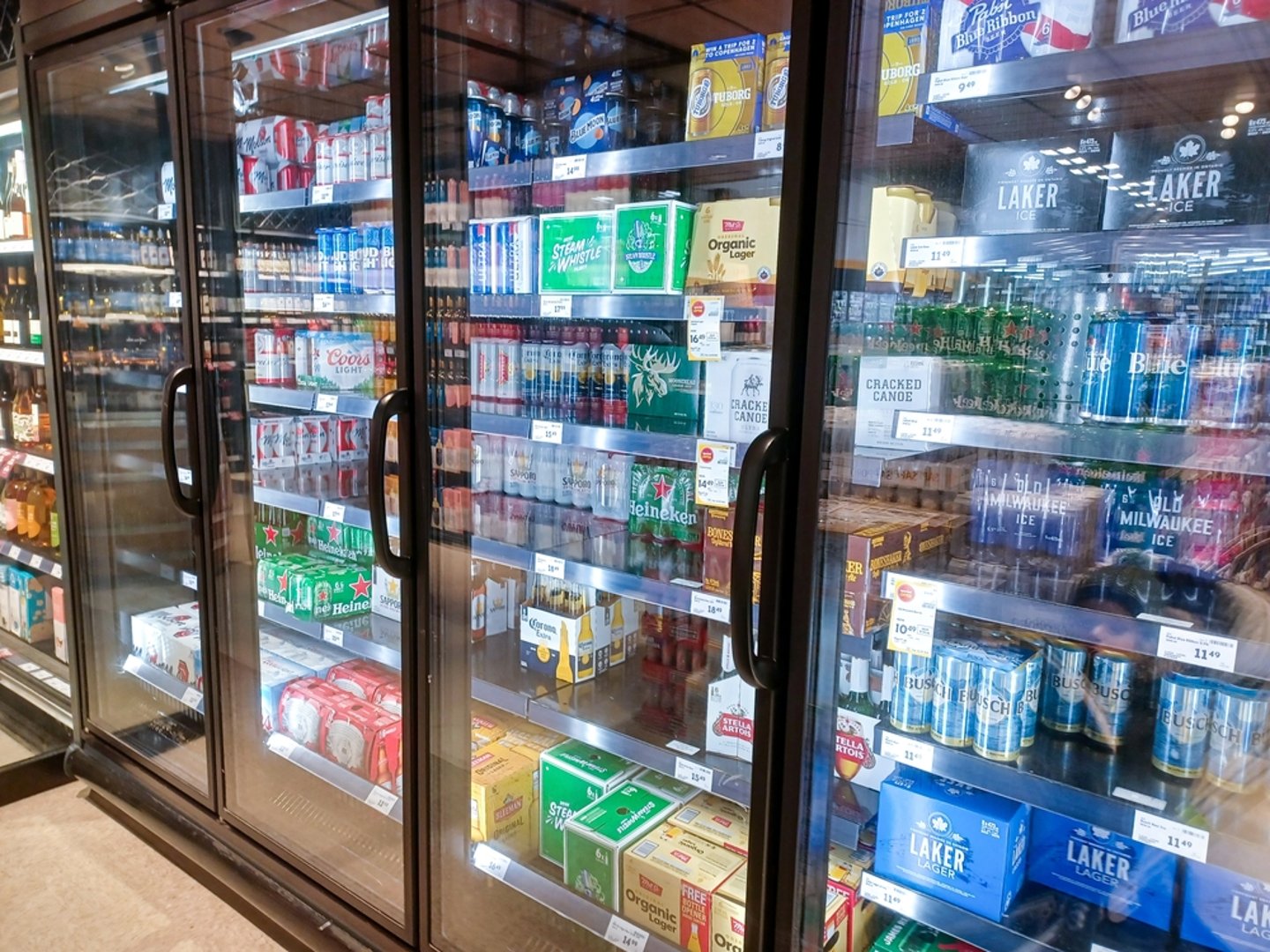
Annual increases to Canada's federal beer tax are pushing up retail shelf prices without providing intended public health benefits or generating new government tax revenue. Signal49 Research, a Canadian independent, not-for-profit research organization and economic forecasting firm looked into what this means for c-store operators.
How federal beer tax increases impact
For Canadian convenience store owners and operators, the findings highlight how policy-driven price increases impact the retail alcohol sector. Automatic annual tax hikes add costs across the supply chain, squeezing margins and influencing consumer purchasing behaviour.
The federal automatic beer excise escalator was introduced in 2017 to preserve the real value of alcohol taxation based on inflation and support public health goals. However, the report shows federal beer excise rates have increased by 20% over the past nine years, while overall tax revenues have remained flat since 2020.
"Despite the annual increases in federal beer excise tax rates, the corresponding tax revenues have remained relatively stable since 2020," said Tony Bonen, executive director of economic research at Signal49 Research. "This reflects a broader change in the market, as beer production has declined over time in the face of shifting consumer behaviour and increased competition from non-alcoholic products."
READ: “Cancel the beer tax”: CTF pressures Ottawa over automatic alcohol increase
What is the automatic beer excise escalator and how does it work?
The indexation formula adjusts rates annually based on the Consumer Price Index rather than through standard legislative reviews. While intended to offer predictable adjustments, the report notes the formula limits flexibility during changing economic conditions. The federal government has stepped in repeatedly to cap or modify scheduled increases during recent high-inflation periods.
Why Canada's beer tax model stands out among global markets
Automatic tax escalation on beer is globally rare. Among OECD members, only Canada, Australia and New Zealand rely on automatic indexation for beer excise taxes, whereas major beer-producing nations prefer discretionary adjustments through budgetary processes.
Using its Economic Impact Assessment model, the research firm evaluated how reduced consumption linked to the tax escalator affects four core areas: gross domestic product, employment, labour income and government tax revenues.
Research recommends policy changes to protect the retail industry
To address these market pressures, the report recommends policymakers replace automatic indexation with periodic evidence-based reviews and conduct mandatory economic impact assessments before making future tax adjustments. These steps would give regulators the flexibility to align tax policy with real-world market conditions and consumer demand.