Labatt Canada bets on nostalgia, value and moderation with summer 2026 beverage lineup

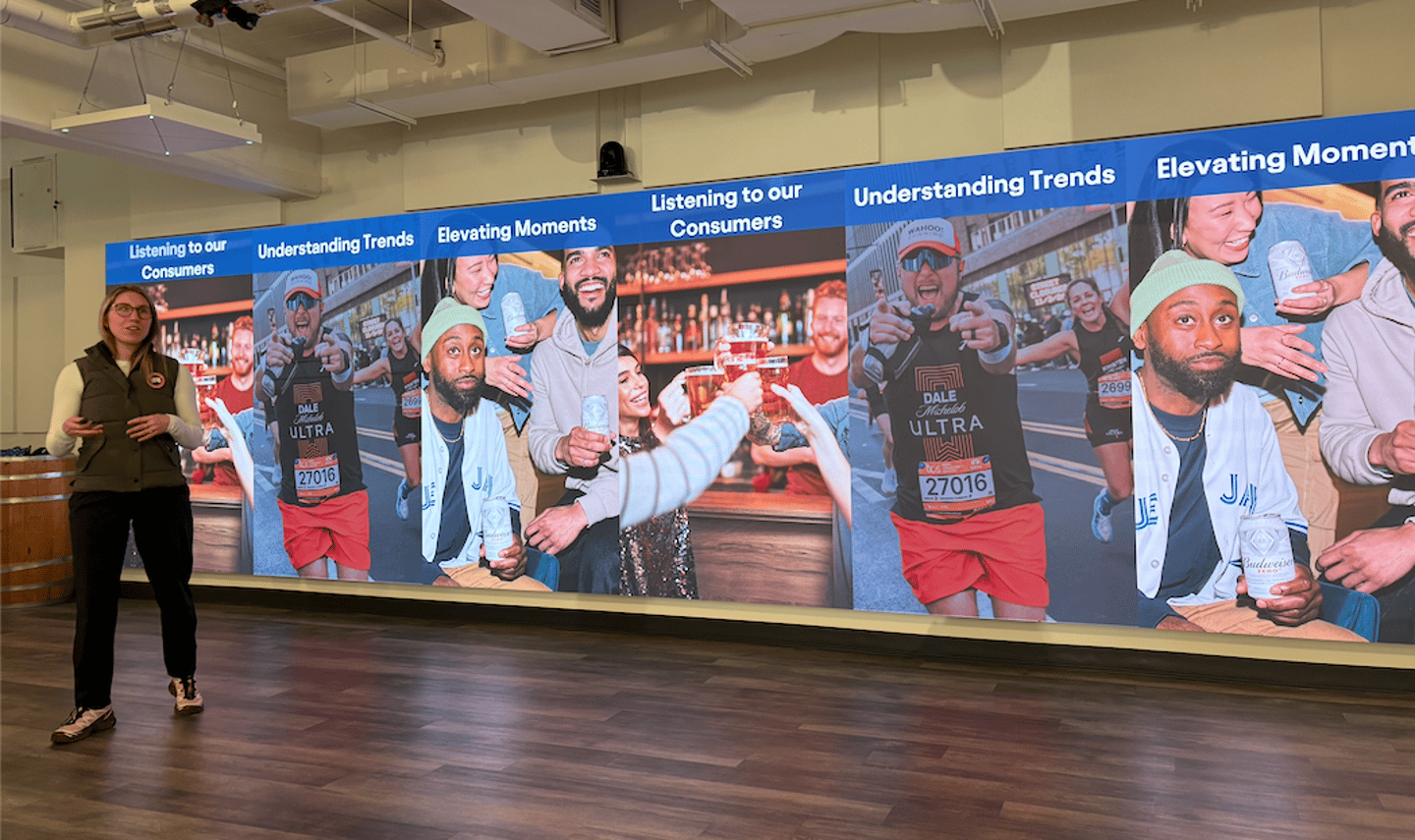
As convenience stores continue to reshape alcohol retailing in Ontario, Labatt Breweries of Canada is tailoring its innovation pipeline to meet consumers where they increasingly shop—with what they increasingly want to drink.
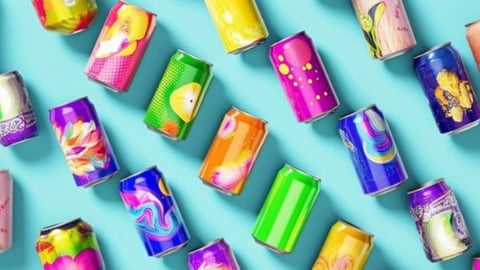
Convenience Store News Canada was on site recently at the company’s head office on Queen’s Quay in Toronto when the brewer unveiled its summer 2026 lineup, showcasing a range of ready-to-drink cocktails, flavoured beers, hard teas, new twists on old favourites and alcohol-free offerings designed around emerging consumer preferences, including convenience, moderation, nostalgia and flavour exploration.
Company executives say the rapid expansion of alcohol sales into convenience stores has become one of the most significant forces influencing innovation decisions.
"We've seen that it's been so successful for us," says Michelle Skea, senior director of innovation for Labatt Canada, told CSNC. "We were basically able to grow our distribution points by about 400%."
The shift has opened new opportunities for brands that were previously available only through government liquor stores. As a result, Labatt now considers convenience retailing much earlier in the product development process, working closely with sales teams to identify formats and flavours that resonate with consumers making quick, single-serve purchases.
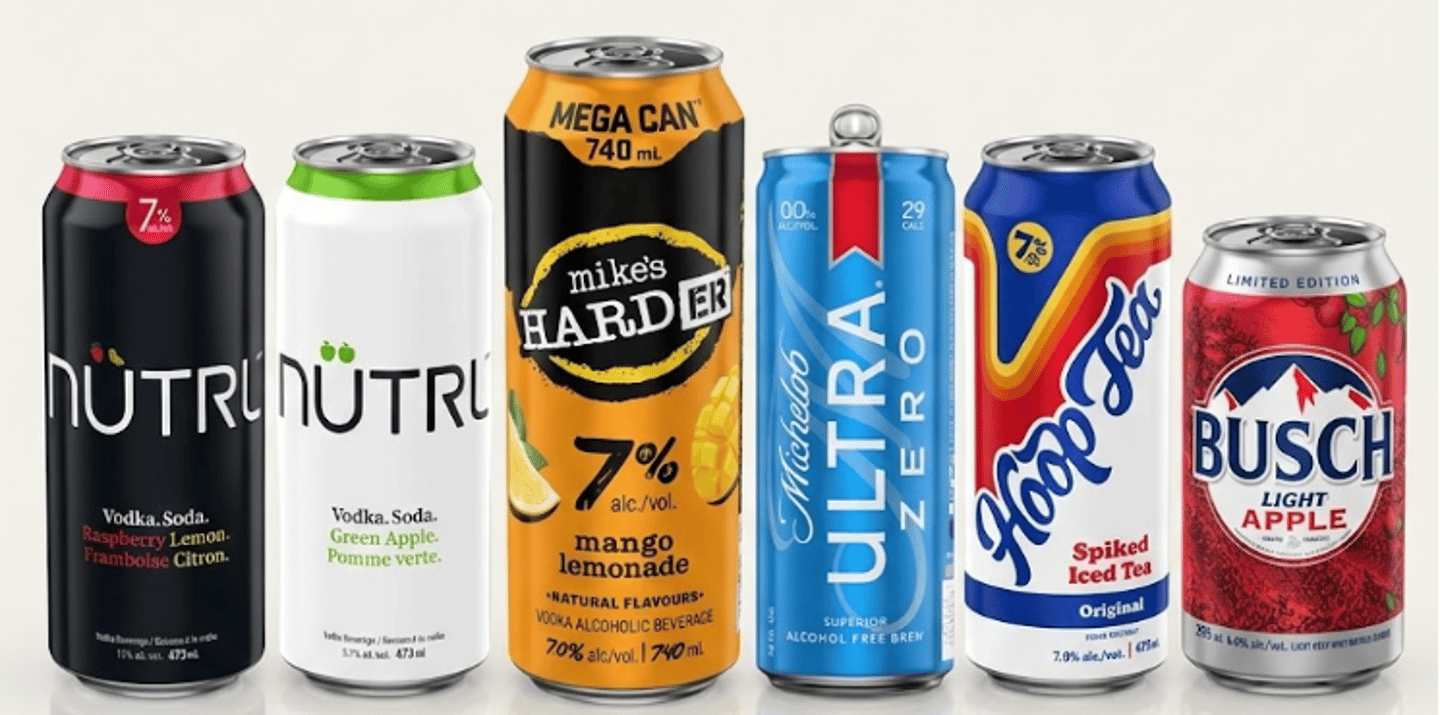
Among the products expected to attract attention in the channel is Hoop Tea, a hard iced tea that will initially be exclusive to convenience stores in Ontario, providing a strong point of differentiation for retailers this summer.
Non-carbonated refreshment trend
The launch reflects one of the strongest beverage trends currently influencing the category: growing demand for non-carbonated alcoholic drinks.
"People are trying to reduce carbonation at times," Skea says. "They want something that's easy on the stomach, sessionable and easy to drink."
Hard tea has emerged as a particularly strong segment, mirroring growth seen in the United States. Consumers are gravitating toward familiar flavour profiles while at times seeking alternatives to traditional carbonated coolers and seltzers.
Tapping in to familiar flavours and nostalgia
The nostalgia factor is also playing a role.
Consumers continue to embrace brands and flavours that feel familiar, particularly as younger legal-age drinkers seek products that offer both comfort and novelty. That trend is helping drive interest in iced tea beverages and flavoured offerings that build on established consumer habits.
Included in the launch are three Mike’s Hard Lemonade innovations, including Mike’s Harder Mango Lemonade, which is across Canada, excluding Quebec and B.C.
Another major launch for summer 2026 is the return of Bush Light Apple, which generated strong demand during previous limited releases. It’s available across Canada, with the exception of Quebec.
An exclusive early launch in Newcastle, Ont. —known as the home of the McIntosh apple—sold through more than 10% of the brand's forecasted volume in roughly 90 minutes.
The performance prompted the company to increase production forecasts as consumer demand continued to build.
Packaging and value
Value-oriented packaging is also playing a larger role in innovation.
Drawing on successful U.S. market learnings, Labatt is expanding larger-format single-serve offerings, including 740-millilitre "mega cans" designed specifically for convenience shoppers.
The format has become one of the fastest-growing package types south of the border and is well suited to convenience retailing, where consumers are often looking for grab-and-go purchases.
"It's a great way for us to deliver something of value for consumers in that channel," Skea explains.
ABV regulations shape innovations
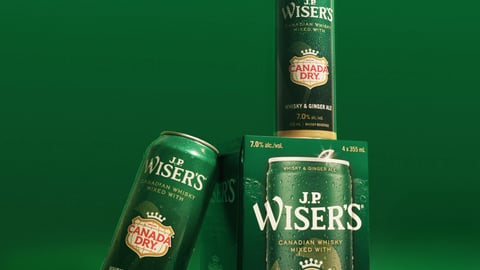
The convenience channel's 7% alcohol-by-volume limit has also influenced product development. Labatt has several new products that meet convenience store requirements: Nutrl Green Apple and Nutrl7 Raspberry Lemon are available in Ontario, British Columbia and the Prairies.
At the same time, the company continues to see strong consumer interest in premium ready-to-drink cocktails. New additions include the new Cutwater Vodka Cosmopolitan and Gin Collins, developed through extensive consumer testing intended to deliver bar-quality taste in a ready-to-drink format. These, however, are not available to sell at convenience stores due to the higher ABV content.
Labatt's innovation team said product development often begins years before launch, with teams monitoring consumer behaviour, social media trends and global beverage developments to identify emerging opportunities.
Catering to the moderation movement
As a result, the company is also expanding its portfolio of low and alcohol-free products, a category that continues to experience rapid growth.
One of the newest additions is Michelob Ultra Zero, a 30-calorie non-alcoholic beer aimed at consumers seeking lighter options without sacrificing flavour.
The launch comes as moderation continues to evolve beyond simply drinking less.
Labatt says today's consumers increasingly define moderation in different ways. Some are opting for non-alcoholic beverages, while others are choosing higher-alcohol products that allow them to consume fewer drinks overall.
"There are different things for different consumers," Skea says. "We want to make sure that we have something for everyone so that everyone can participate and enjoy the occasion."
The strategy reflects a broader shift underway across the beverage alcohol industry, where consumers are increasingly seeking products tailored to specific occasions, lifestyles and drinking preferences.
For Labatt, that means building a portfolio that stretches well beyond beer.
The company, which has operated in Canada for more than 178 years, now competes across beer, ready-to-drink cocktails, hard teas, flavoured beverages and non-alcoholic offerings.
As summer approaches, executives believe the strongest trends shaping beverage innovation are clear, and all converge on the convenience channel: ready-to-drink cocktails; non-carbonated refreshment; nostalgia-inspired flavours; value-focused packaging; and a growing desire for moderation and choice.
With more and more convenience stores in Ontario, Quebec and select regions across Canada selling beverage alcohol, they will continue to be a valuable venue for beverage companies competing to meet consumers' changing tastes.