Plugged into profit: Mobile accessories as a high-profit retail category

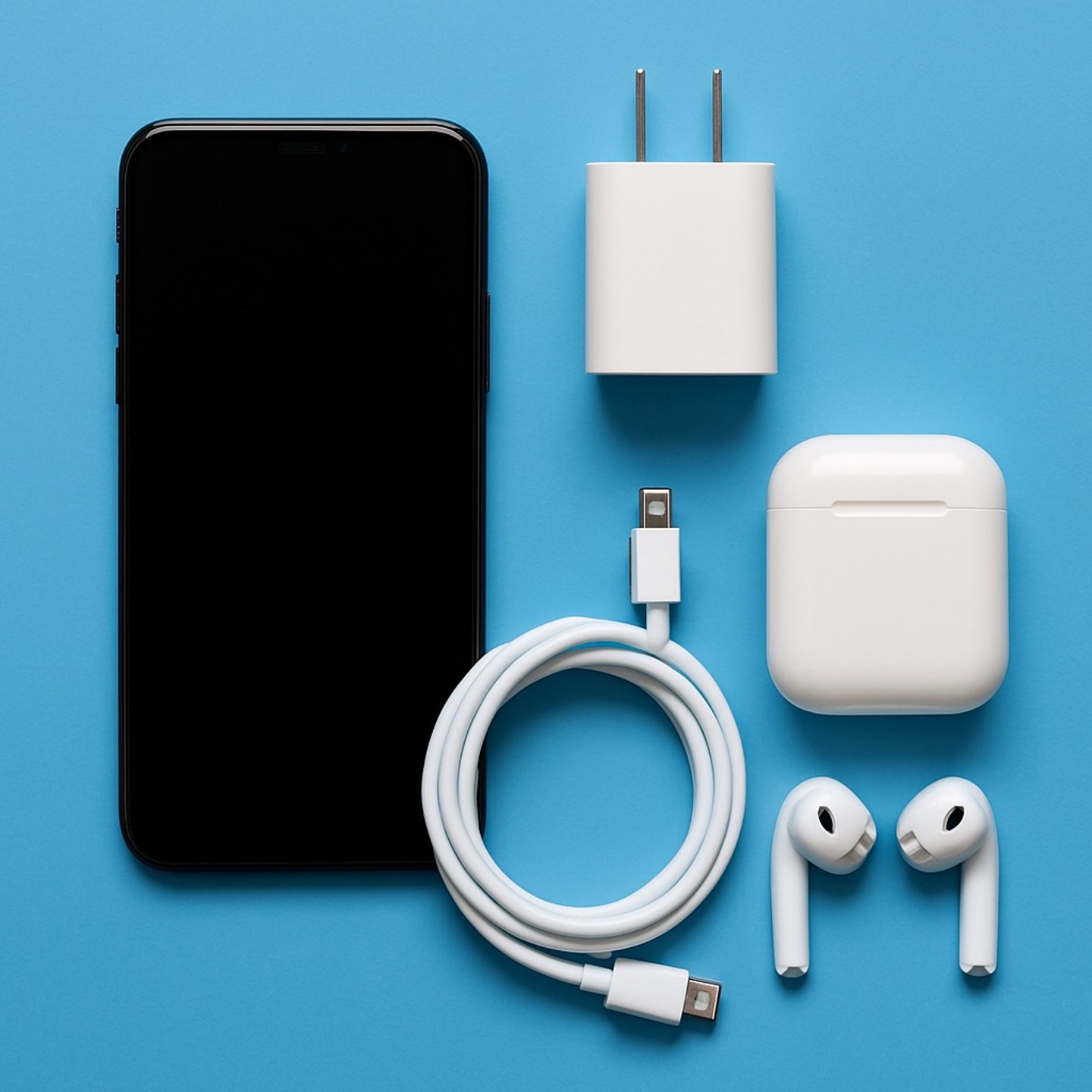
It’s a familiar scene at Ure’s Country Kitchen: a customer rushes in, desperate to see if they carry phone chargers.
“Everyone seems to lose or forget where their phone charger is, and then their phone dies,” says Laurie Ure. She and her husband, Randy, own and operate the convenience store alongside a restaurant, ice cream parlour and mini-golf course near the scenic Lake Erie North Shore.
In addition to wall plug-in chargers, the store stocks USB cables and car chargers (12-volt adapters). Car chargers are especially popular in the summer, when travellers pass through on road trips to nearby cottages and campgrounds.
“We don’t sell a phone charger every day, but the chargers move consistently,” says Ure, adding that margins are solid, too.
Mobile phone accessories have overtaken prepaid phone cards in shopper demand. According to CSNC’s 2026 C-Store IQ National Shopper Study, 8% of consumers bought an electronic or mobile accessory in the past month—two percentage points more than those who purchased a prepaid phone card (more on that below). Accessories include chargers, phone cases, Bluetooth earbuds, USB sticks, power banks and more.
“Everyone’s got a phone on them,” notes Steven Horvath, sales manager at 10K Distribution. While prepaid phone card customers often come in specifically to purchase them, accessories are frequently impulse buys.
“Customers will come in for some other reason but then see an item and think, ‘Oh, yeah, I need some earbuds or a new case for my phone.’ That’s why it’s important to place phone accessories in a high-traffic area or by the cash register,” he says.
That impulse buying can spike in the summer, “with several high-impulse accessory opportunities tied to travel, outdoor activities and heat,” notes Leena Halim, director of marketing at SRP Canada, a Richmond Hill, Ont.-based product supplier.
She points to accessories such as waterproof phone pouches, MagSafe and magnetic mounts for car dashboards on long road trips, and power banks for when outlets aren’t available. She also highlights multi-tip charging cables.
“When your phone needs an eight-pin charger, your kid’s tablet is USB-C and the portable gaming console requires micro-USB.”
Horvath agrees, adding mini tripods to the list—ideal for capturing summer concerts (he uses one himself) or setting up shots during outdoor gatherings.
He also stresses the importance of watching new innovations and major Android and Apple device launches, which often signal fresh accessory opportunities.
“Sometimes it’s trial and error,” he says, referring to sales in the category. Wireless chargers, for example, haven’t really taken off.
“This is a business that is always changing, innovating and surprising.”
Answering the call for prepaid phone cards
CSNC reached out to several operators, some of whom said that while phone cards—prepaid cards that allow customers to add credit or service to their mobile phones—once sold like hotcakes, they have since phased them out of inventory.
Experts say this reflects a broader trend: Canada’s prepaid mobile market has been consolidating. Bell and Rogers now each offer prepaid service under a single brand—Lucky Mobile for Bell and Chatr for Rogers—after previously operating multiple options.
“Some mobile carriers are adjusting their prepaid offerings to move more customers to postpaid options,” says Phillip Pidoux-Koronya, director of content, wireless and long distance at InComm Payments.
Still, he says there remains ample opportunity in the segment for many c-stores. That’s reflected in the 2026 C-Store IQ National Shopper Study, which found that 6% of consumers purchased a phone card for their device.
Major c-store chains—including Hasty Market, Canadian Tire Gas+ stores and Circle K—carry both Lucky Mobile and Chatr, according to the brands’ websites.
Pidoux-Koronya adds that some stores could boost sales by expanding their inventory and promoting prepaid mobile products more aggressively.
“One mistake retailers can make is believing they can set up a gift card display once and forget about it,” he says.
“But a well-timed promotion or awareness campaign can capture nearby shoppers who don’t realize their local store carries phone cards,” he adds, noting the market spans multiple consumer demographics.
“These shoppers come from a variety of income levels but prefer cash for reasons like privacy or budgeting,” Pidoux-Koronya explains. “They value phone cards so they don’t have to attach a credit card or bank account to pay for service.”
But he clarifies that these shoppers aren’t necessarily unbanked or underbanked.
“They simply prefer cash to manage their expenses. For those who do, having reliable places to regularly purchase the cards they need also creates opportunities for other in-store purchases.”
As with any gift card category, merchants should watch holidays and occasions when consumers seek phone cards.
Spring, for example, brings high school and post-secondary graduations.
“Families may look for a meaningful gift on the way to the party, such as a phone card to help the graduate pay for service as they enter the workforce or leave home for college,” Pidoux-Koronya says.
“Our teams at InComm Payments work with merchants to ensure promotional calendars and in-store displays feature timely messaging that captures consumer attention when they’re looking for specific cards.”
This article was originally published in the May/June 2026 issue of Convenience Store News | Octane