SPECIAL REPORT: Cold coffee brewing up sales in the convenience channel

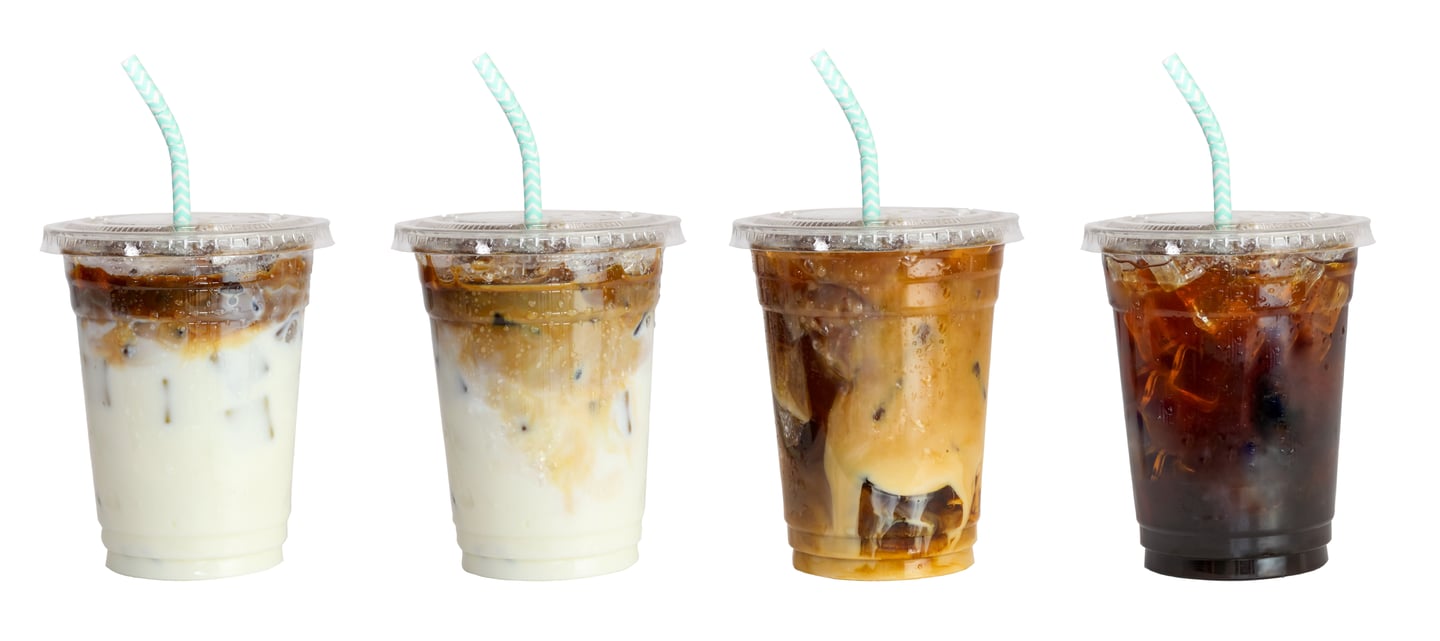
Coffee is still a daily ritual for Canadians, but how and when Canadians take this drink is changing. Hot or cold? Iced or frozen? Adding flavourings like syrups or spices can also add more complexity and effort without the ROI.
QSR chains like Tim Hortons and McDonald’s are already embracing complicated drink orders, from espresso-based lattes to adding more international flavours and textures.
However, changing preferences are expanding the category beyond the traditional morning cup. For convenience operators, the challenge lies in determining which trends are worth pursuing for time, investment and floor space.
Circana's Canada CREST data for the 12 months ending August 2025 shows traditional coffee accounting for 62% of coffee servings, hot specialty coffee 17%, iced/cold brew 16% and frozen/slushy coffee 6%. The Coffee Association of Canada (CAC) cites that iced/cold brew had a 10% CAGR versus 2019 and was up 13% year over year, making it the standout growth segment.
The CAC found traditional coffee was consumed by 45% of Canadians surveyed in 2025, while espresso-based beverages reached 29%.
Bryan McCourt, the chief commercial officer of Mother Parkers Tea & Coffee says, “It’s really about serving both customers: the person who wants a dependable hot coffee in the morning and the younger consumer looking for a customizable cold drink later in the day.”
For convenience store operators, the question isn’t simply “are customers drinking more iced coffee?” The bigger questions are “Which coffee formats actually make sense for my store, my customer and my margins–and how do I deliver them consistently without adding unnecessary labour, waste or equipment costs?”
The takeaway is clear: Don’t frame cold coffee as replacing hot coffee; the opportunity may be to expand the number of coffee occasions. Keeping bottled coffee beverages in your refrigerated reach-in cooler can still satisfy customers without reducing counter space for new machinery.
Hot Coffee: Problems operators still need to solve
Freshness, consistency and labour are still qualities that matter. A cup that is served with consistent quality makes for return customers. According to the Coffee Association of Canada (CAC), an open-bag of coffee grounds loses optimal freshness within 7 to 10 days. Whole roasted beans last longer at room temperature, remaining fresh for 1 to 3 weeks before turning stale due to air exposure, light and moisture.
The quality of the beans are just one factor in the equation: Can your staff keep up during the morning rush? Does equipment reduce preparation time? Is every cup standard and taste the same? Ask yourself, how much time does staff spend brewing, cleaning and maintaining equipment? Would automation reduce the quality of the cup, or create more time maintaining it?
McCourt adds, “In convenience, simplicity matters. Store employees are already managing the register, foodservice, merchandising and a long list of other responsibilities. A beverage program can’t depend on a complicated process in the back room.”
According to most commercial coffee equipment technicians/consultants, traditional batch-brewers are best suited for high volume hot coffee. However, if you have more space to spare, a frozen coffee machine (similar to a slushie machine) would be ideal for high-traffic, high impulse stores with more counter space to spare.
Hybrid hot and cold coffee machines are ideal for larger, high volume stores. If you are thinking of testing out an iced coffee dispenser, it is recommended that you test the demand for one first.
The winter test: Cold coffee is becoming less seasonal
The CAC's 2024 study found that 21% of Canadians had consumed at least one cold brew, nitro or frozen blended coffee in the previous week. It also found that 17% of past-day coffee servings were cold in December 2024.
McDonalds had launched its exotic cold coffee line in April of this year to secure its position as a beverage destination. Espresso-based drinks, hot and cold drinks that include seasonal flavours are ways of bringing in clients who are looking for an affordable treat, or a way to treat that mid-afternoon slump.
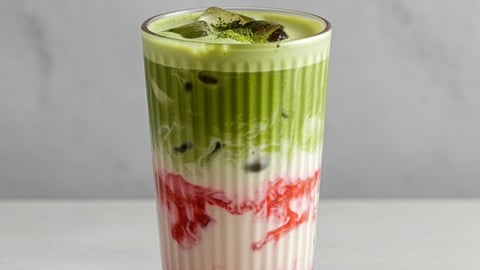
Tim Horton’s also offered matcha-based beverages, banking on the trend for Asian flavours and the novelty of a new texture, colour or taste.
Why convenience stores are well positioned
A 2025 NACS study of U.S. convenience consumers found that 56% purchased iced coffee, while proximity and already being in the store were major reasons consumers chose convenience over QSRs or coffee chains. Although this is U.S. data, it provides a useful directional comparison for Canadian operators.
Stores that are positioned near universities and schools could benefit from more than students or parents picking something up after school. According to CREST, cold coffee's share of servings is dramatically higher among Gen Z and millennials than among older generations.
This creates a potentially important strategic issue for convenience operators: cold coffee may be a way to recruit the next generation of coffee lovers.
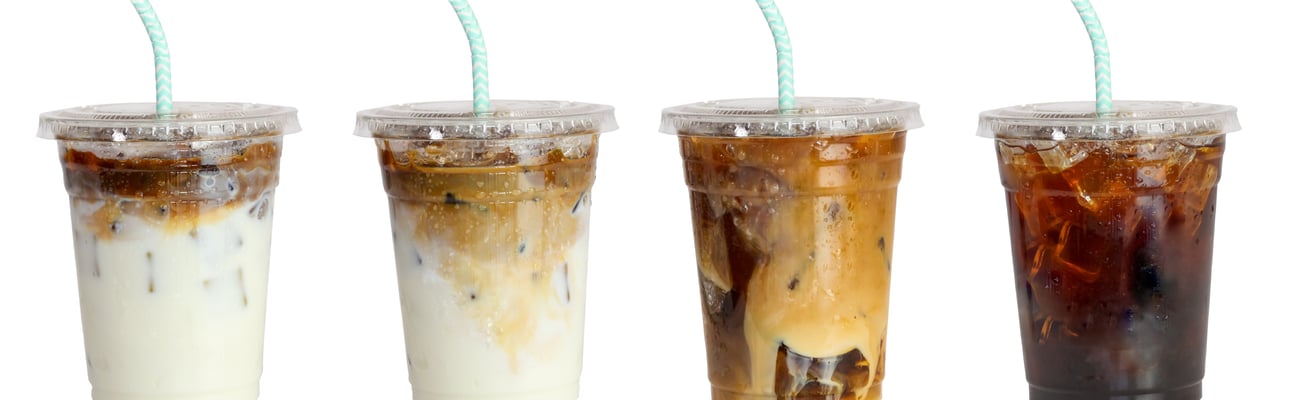
Gen Z's preference for flavour and customization can lead to a wide variety of options: Iced espresso drinks; Cold brew; Nitro; Frozen/blended formats; Alternative milks; Flavoured syrups; Lower-sugar or functional formulations can all add up costs but might pay off. Keep a tally of how many customers ask for a customizable drink to see if this is an opportunity that pays off.
Convenience operators therefore face a choice: compete on price and speed, or invest in quality, customization and presentation—or some combination of the three.
A 2025 Square report found brewed coffee remained the most popular café beverage among surveyed Canadians, but iced coffee, cold brew and espresso-based drinks each attracted 23% of respondents as preferred choices. Cold coffee is really heating up!