GLP-1s are quietly cutting into tobacco & nicotine sales
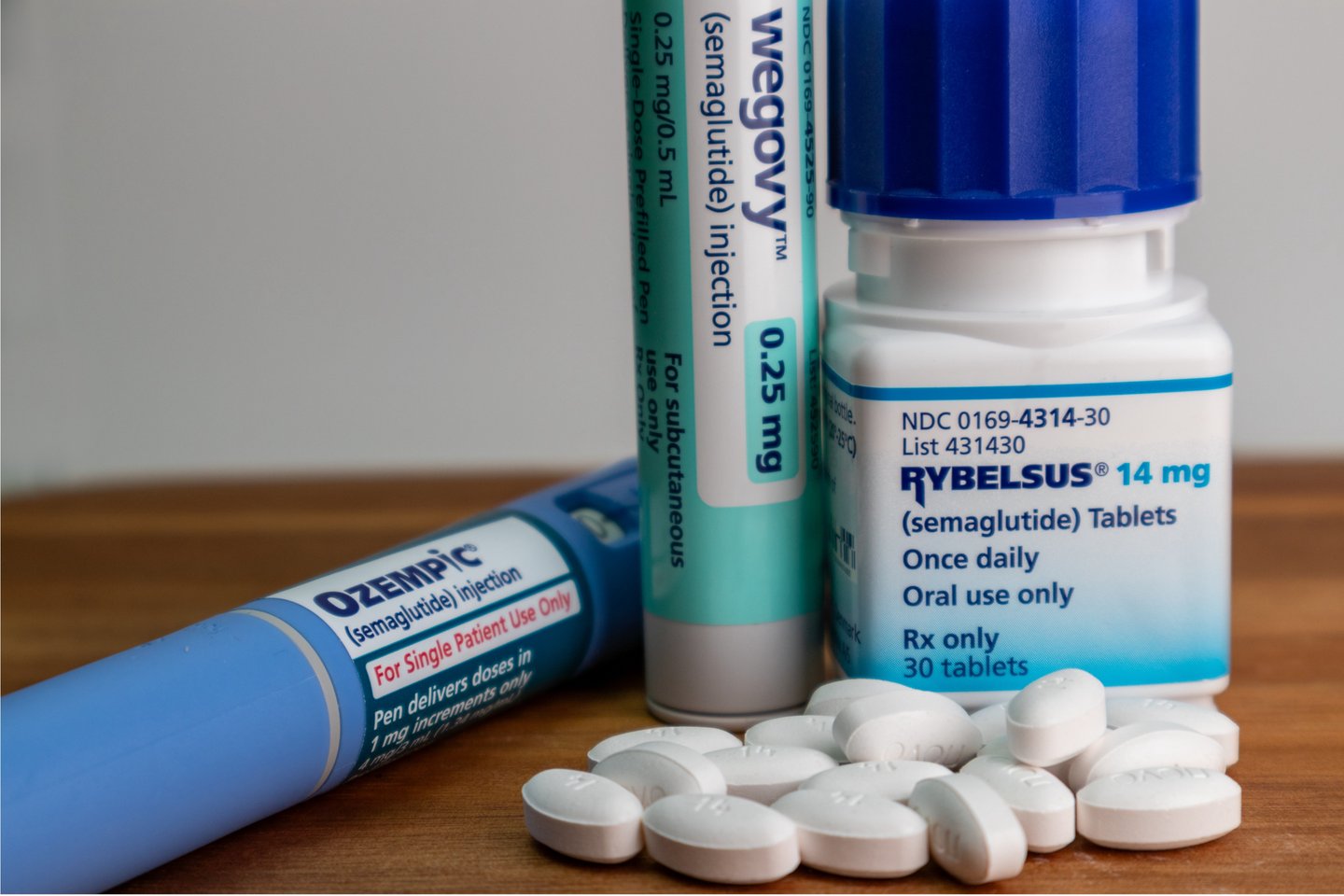
When convenience store operators talk about GLP-1 drugs, the conversation almost always starts and stops with food—smaller portions, fewer indulgent snacks, and higher protein demand. That change is real and deserves attention, but it is not where the biggest financial exposure sits.
The categories under the most pressure from GLP-1 adoption are not in the snack aisle, but at the register—in cigarettes, other tobacco products and nicotine pouches. These are some of the highest margin, most dependable revenue categories a convenience store has. Retailers who treat GLP-1s strictly as a food demand story risk missing where the true impact is heading.
The link between GLP-1 use and tobacco sales comes down to how these drugs work. GLP-1 medications are typically discussed as weight-loss tools, but their more relevant effect for retailers is that they reduce cravings broadly, not just appetite for food. Purchases driven by habit and impulse are affected across the board, including the tobacco and nicotine categories that have quietly carried convenience store margins for years.
The economic exposure in high-margin categories
Tobacco and nicotine products have already been under pressure from other forces, including years of cigarette decline and price-sensitive consumers pulling back on discretionary spending as fuel costs rise.
GLP-1 adoption now adds a second, compounding pressure. As cravings for these products soften across a growing share of consumers, categories that have long carried the store's overall margin face a new source of decline, one that is behavioral rather than purely economic.
READ: Ozempic and other GLP-1s about to take a bite out of the fast-food business: experts
For an operator relying on tobacco and nicotine to carry overall store profitability, even a modest, sustained decline is worth building into demand forecasts now, rather than waiting until it shows up in quarterly numbers.
Protein & hydration are filling the gap
On the other side of the ledger, demand is shifting toward higher-protein, better-for-you options. Cheese, nuts and other protein-forward snacks, hydration products and fresh grab-and-go items are all gaining ground.
Convenience stores are not going to become produce destinations, but the assortment logic is the same one grocery retailers are already applying as they add more chicken, fish and other protein-driven items to meet demand from GLP-1 users. A garden salad without protein, for example, is a much harder sell to today's health-conscious shopper than it was five years ago.
The practical challenge for convenience retailers is balancing two trends happening at once. Operators need to avoid overbuying the high-sugar, high-carb staples that are softening, while making sure protein and hydration options are stocked heavily enough to capture the customer who used to reach for something else.
Rethinking assortment, region by region
GLP-1 adoption varies significantly by region, which means a chain with stores across the country needs a different assortment and replenishment strategy in each market, not a single national response.
The right approach is hyperlocal, understanding demand down to the individual store and SKU combination, then adjusting assortment, shelf space and merchandising accordingly. A store in a market with high GLP-1 usage may need noticeably different tobacco, snack and beverage allocations than a store just a state away.
That same local-level thinking should extend to category innovation. Retailers who introduce new protein and hydration options, instead of simply trimming what is declining, capture customers who are shifting their spending.
The data worth tracking now
Sales trend data alone only tells retailers what already happened since store-level numbers are a good starting point but a lagging signal. Layering in regional and national data on GLP-1 prescription rates and usage is a better approach since it can flag changes in a market before they show up in sales at any single store. The strongest position pairs both, matching store-level sales patterns with that broader prescription and usage data.
Looking at both together also helps separate a temporary dip from a lasting shift. A single soft quarter for tobacco sales in one market might mean nothing on its own, but the same pattern alongside rising GLP-1 prescription rates in that region is a signal worth planning around.
Retailers who bring hyperlocal sales data together with broader demand signals can act early. They can start adjusting assortment and inventory ahead of the shift, instead of reacting to it.
Getting ahead of the shift
GLP-1 adoption is not confined to the snack aisle, and it is not just a grocery story. This carries real consequences for some of convenience retail's most reliable margin categories.
Operators who plan around the assumption that tobacco, nicotine and impulse categories will hold steady are working from an outdated picture of their customer. Retailers who adjust assortment, merchandising and data strategy now, rather than after the numbers force the issue, will be the ones who come out ahead.
Patrick O'Mara is director of Solution Principals at RELEX Solutions, where he leads the company's global presales organization, driving strategy, team development and consultative excellence across retail verticals. With more than a decade of experience spanning store operations, retail technology and solution consulting, he helps retailers evaluate and adopt technology that supports their operational goals.
Editor's note: The opinions expressed in this column are the author's and do not necessarily reflect the views of Convenience Store News.
This article was originally published in our American publication, Convenience Store News (USA).