
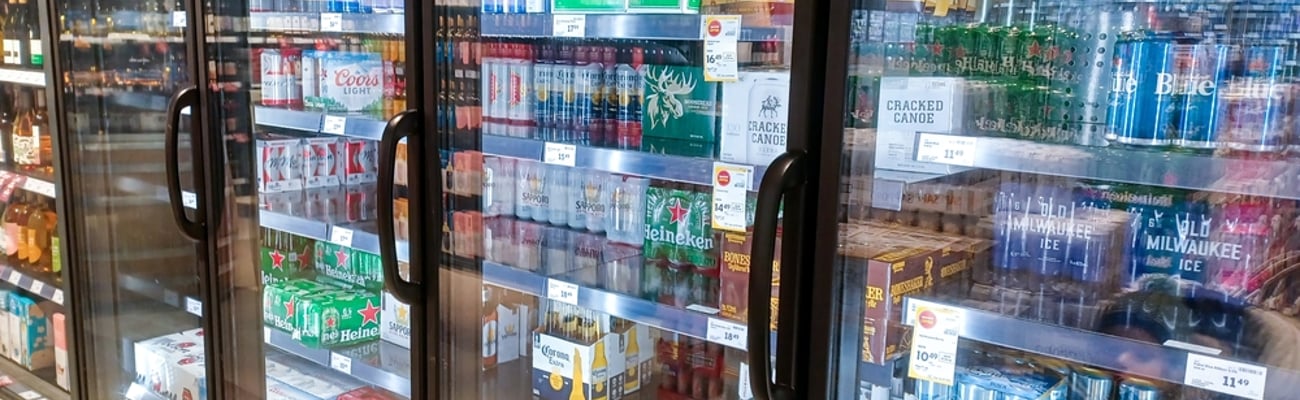
Pour decisions: Are your BevAlc customers hiding what they really want to drink?

French beer brand 1664 has unveiled global research revealing a growing culture of self-censorship. For a c-store operator looking to maximize margins on high-velocity alcoholic beverages like craft beer and ready-to-drink (RTD) cocktails, this "silent majority" poses both a challenge and a massive opportunity.
Convenience store operators pride themselves on knowing their customers. C-store operators know that a wide range of offerings can bring in diverse clients. Operators see clients every day, watch their routines, and stock cold vaults based on what flies off the shelves. But this new international social study suggests that your customers might be hiding their true desires from you—and from each other.
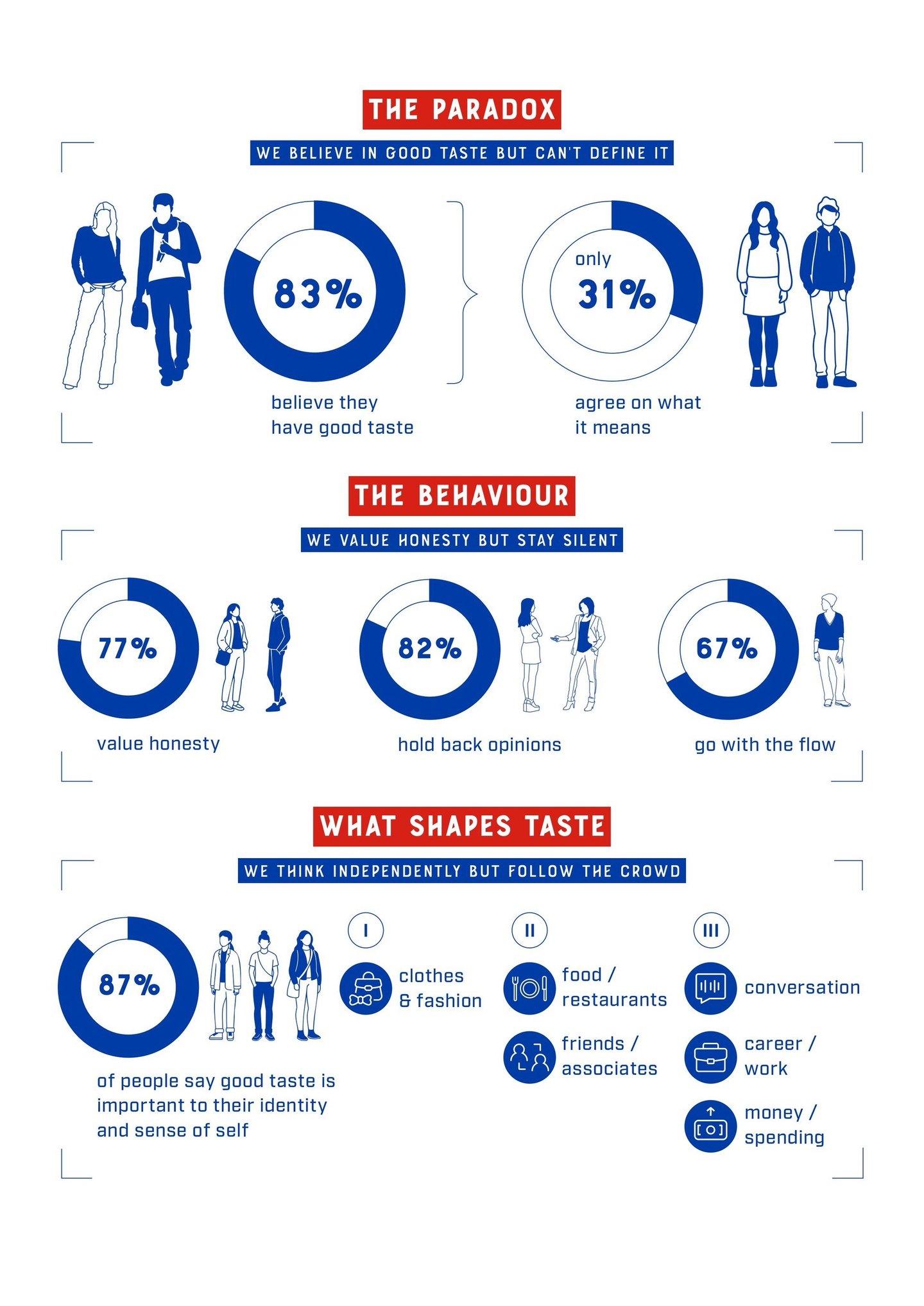
The study, titled “A Question of Good Taste,” revealed a massive psychological paradox in modern consumer behaviour: 83% of people believe they have good taste, yet they are absolutely terrified to talk about it. Only 31% of respondents could even agree on what "good taste" means.
The conclusion of the report is striking: Taste is not dead, but people are afraid to make their opinions known. Despite living in an era that fiercely values individuality, consumers are actively suppressing their own preferences:
- 82% say it is polite to hold back their true opinions around new people.
52% prefer to completely avoid debating issues or preferences.
67% admit it is simply easier to "go with the flow."
1664's global research also looked at how customers are influenced by what is considered to be good taste: Technology is accelerating the tension with more than 50% of respondents saying algorithms make it easier to develop their taste yet the more people rely on it, the less distinctive taste becomes.
- 47% admit AI already plays a role in curating their taste
- 77% say AI makes it harder to know what is honest
- Yet 81% insist that good taste remains fundamentally human
If two-thirds of your customers are just "going with the flow" to avoid judgment, how do you curate a diverse, high-taste beverage program without making them feel put on the spot?
Here’s how you can use these insights to build a judgment-free, high-revenue beverage destination that still makes your client feel like they are making the right choice.
Eliminate the "snob factor" with clear navigation
Because 52% of people want to avoid debate and 82% hold back their opinions, walking into a poorly organized craft beer section could induce anxiety. If a customer doesn't know the difference between a lager, a Milk Stout, or a Tequila-based RTD, they won't ask your clerk—they’ll just grab something to "go with the flow."
Do the talking for them. Use clear, unpretentious shelf-talkers that categorize drinks by flavour profile rather than industry jargon.
Using signage that describes flavours and potency work more effectively at drawing in customers. Saying a beer has “fruit-forward flavours” or it is a “bar-strength classic” will work better than using the brewery’s advertising lingo.
Leverage the power of the "mix-and-match" pack
Since 83% of people believe they have good taste but are too afraid to speak up, they may want to explore unique flavours privately. They don't want to commit to a full six-pack of a niche lemon-lime hard soda in case they don't like it—or worse, in case someone questions their choice.
Implementing a singles program or a "build your own 4-pack" program is an easy fix for to your customers’ indecision. It allows customers to indulge their hidden desire for "good taste" safely. If one experimental RTD cocktail misses the mark, they still have three safe bets in their basket.
Popularize "guilty pleasures" through merchandising
If 67% of people find it easier to just go with the flow, peer pressure dictates what they buy. If your store layout positions premium craft beer as "cool" and sweet RTD cocktails as a "fad," customers will buy what they think they should buy, not what they want to buy.
Ensure your display is “equal opportunity”: Give your RTD cocktails and premium imports equal prime real estate in the cold vault.
Cross-merchandise dynamically by pairing a local craft IPA with a fun RTD in a "weekend starter" endcap. By placing them on the same level, you validate both choices. You are telling the customer: Whatever you choose is a statement of good taste.
Be the silent partner in your customers' taste journey
Your customers want to feel sophisticated, individualistic, and trendy. But they don't want to argue about it, and they don't want to stand in your aisle feeling judged by a flashy label or a confusing category.
By creating a frictionless, highly categorized, and judgment-free shopping environment, your c-store can become the safe haven where customers finally indulge their true preferences. You don't need to force a conversation—your shelves will do all the talking.