Get ready for the back-to-school rush

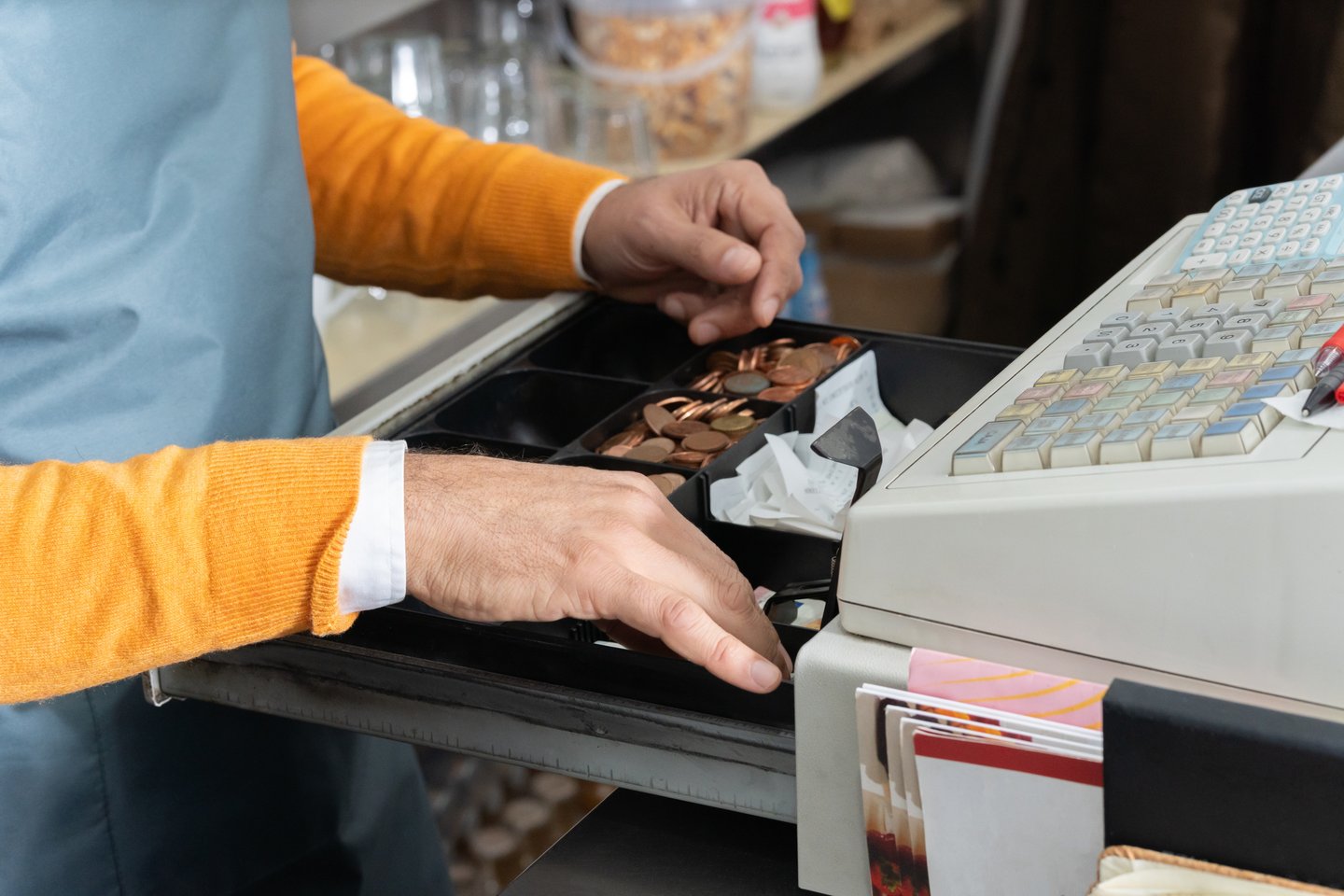
The return from vacation or a summer lull can change by the end of August. Morning commuters looking to pay for gas and a cup of coffee will be joined by students grabbing a breakfast bite and drinks. At the same time, some of the employees who helped carry the store through the summer may be returning to school themselves.
This is an important time to prepare your store and staff: The Retail Council of Canada estimates that Canada’s back-to-school market is worth more than $4.5 billion with about six million students between kindergarten and grade 12. For c-stores, the lesson is clear: be ready for customers who are accustomed to fast and frictionless transactions.
Treat the lineup as a sales problem
A long lineup is not just a customer-service issue, it can become an issue of lost sales.
According to the 2026 NACS State of the Industry research, convenience customers value efficiency: Their main peeve is a slow checkout.
The private retail technology company Mashgin’s senior vice-president Jack Hogan said that their data revealed that the average shoppers considers “three or four people to be a long line.” 64% of people said they would leave a convenience store without making a purchase due to a long line.
What’s your ‘line trigger?’
Have a predetermined number of people in a queue or “line trigger,” is key. For example, if your line reaches three people, have another employee come to help out at the till. Once the rush subsides, that employee can return to whatever task they were scheduled to complete.
The goal isn’t necessarily to have two or more staff members at the cash registers all day; it’s just enough to make sure the store reacts quickly to sudden spikes in foot traffic. Make sure you have not scheduled non-customer-facing tasks during known rush-hour periods.
READ: How c-stores can use QSR strategies to drive foodservice growth
Making shrink prevention a part of rush planning
Distractions in a busy store can create an opportunity for theft. With busy employees helping customers, they can’t also be expected to see other corners of the store.
In our article “5 steps to crack down on shoplifting” improving store layout and displays are key. Operators should walk around the store and look at it from an employee’s perspective and look for areas the staff might not see when they’re at the till or in the backroom.
Identify displays, coolers, shelving or promotional fixtures that create blind spots and move high-shrink merchandise where practical. Check to ensure security cameras cover doorways and high-risk merchandise. Communicate with your staff as to what the camera can and can not record.
Deterrence and visibility, not confrontation
Employees should never be expected to put themselves in danger to protect merchandise. Operators should have clear procedures covering suspected theft, customer confrontation, emergency situations and when police should be contacted.
Don’t wait until September to reschedule
Student employees may need fewer hours, different days or just a different start and end time; Find out what their schedules look like once they have registered. Managers should conduct a short availability check-in with every student employee and build the September schedule around actual school commitments.
Maintain a small pool of employees who can provide occasional coverage or want to pick up shifts.
The stores that handle the September rush the best won’t necessarily be the shops with the most employees or the latest technology. It will be the ones that have anticipated where pressure will build and have a response before the first rush arrives.
- READINESS CHECKLIST
- How many people in a line-up signals a need for another cashier?
- Can employees see the store and know how to respond to suspected theft?
- Which employees are returning to school and what availability will they have?
- Are there any commuting constraints for staff?
- Who can fill in any possible scheduling gaps?
- What did last year’s data reveal about the busiest periods?