
How to build, manage and strengthen customer loyalty

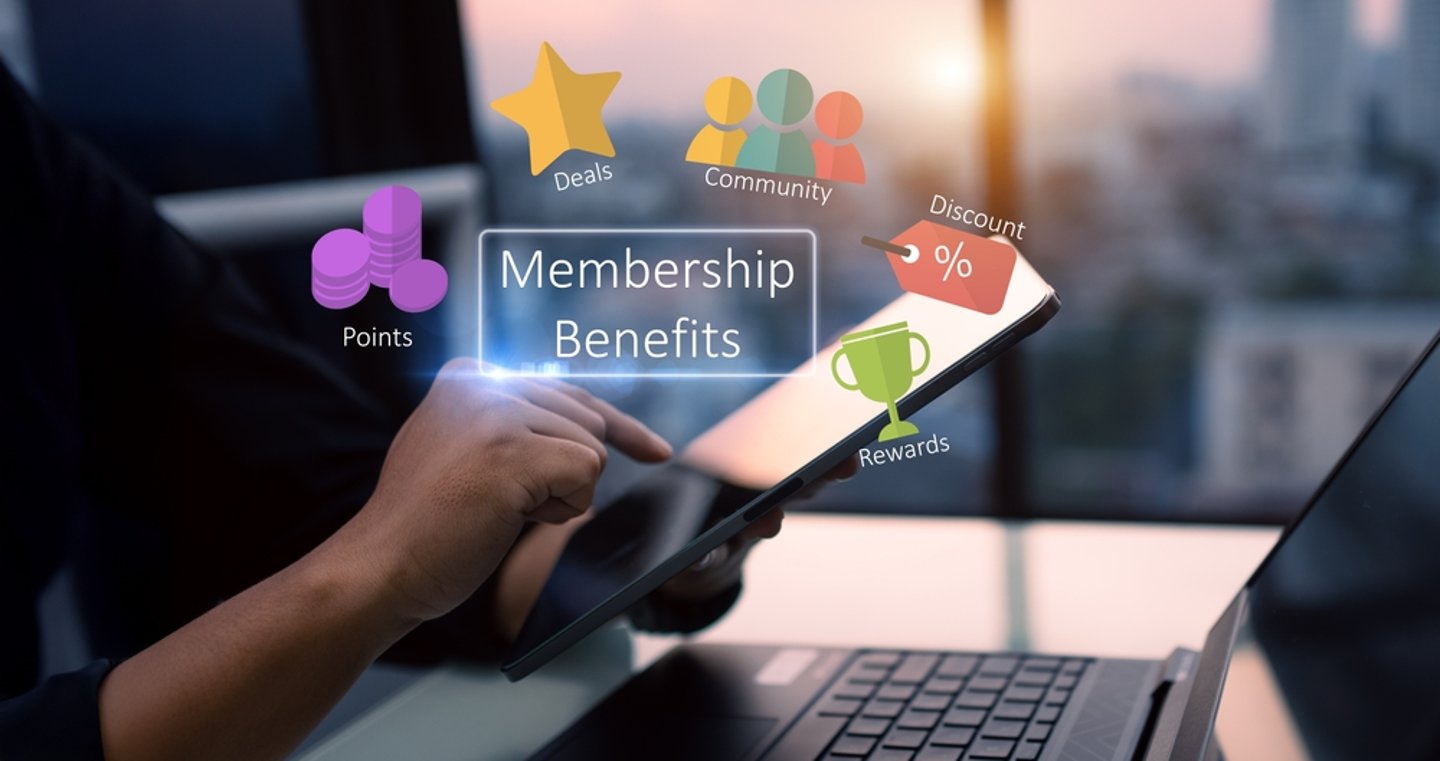
To earn customer loyalty, retailers must consistently meet a set of baseline expectations. Customers want a reliable experience every time they visit—one defined by courteous service, quality products, and a clean, well-organized environment. These fundamentals may seem simple, but they are critical. Without them, even the most creative loyalty strategies will fall short.
Since 2020 and the disruption caused by the COVID-19 pandemic, customer loyalty has become more fragile. Many shoppers have shown a greater willingness to switch brands, often due to inconsistent service levels during and after lockdown periods. As a result, retailers are working to re-establish strong service standards through better staff training and the thoughtful use of technology to enhance the customer experience.
This matters because losing a customer is expensive: often far more costly than it appears. Research from Bain & Company suggests that acquiring a new customer can cost five to seven times more than retaining an existing one. In a typical retail setting, a regular customer may represent hundreds or even thousands of dollars in annual revenue, and replacing them often requires spending on promotions, discounts, and marketing just to establish new buying habits.
The most cost-effective and profitable way to retain customers
By contrast, maintaining an existing customer through consistent service and simple loyalty incentives costs significantly less, making customer retention one of the most effective ways to protect and grow profitability. Yet despite this, some retailers still under-invest in customer retention, which is an oversight that can directly impact profitability.
One of the most effective tools for encouraging loyalty is a well-designed loyalty program. While modern programs feel high-tech, the concept dates back centuries, when retailers rewarded repeat customers with tokens or coins. Loyalty programs took a major leap forward in the early 1990s with the introduction of coalition programs like Air Miles, allowing customers to earn points across multiple retailers and redeem them for rewards such as travel. This marketing tool became more prevalent and accepted by consumers because of strong reward offers.
Today, loyalty programs are deeply embedded in consumer behaviour. In Canada, participation rates are among the highest in the world, with the vast majority of Canadian consumers enrolled in at least one program. For many shoppers, the ability to earn and redeem rewards plays a meaningful role in where and how often they choose to shop.
Using data to personalize shopping experiences
For retailers, loyalty programs offer more than just repeat visits. They provide valuable customer data, enabling more personalized marketing and targeted promotions. With insights into purchasing habits, retailers can create tailored offers, encourage higher spending and identify opportunities to upsell.
However, implementing a loyalty program can be challenging for smaller or independent retailers. Without the resources of large chains, it’s important to keep things simple and cost-effective. Many point-of-sale systems now include built-in loyalty features, like tracking purchases and rewarding customers with points, discounts or exclusive offers.
Another option is to participate in local or regional loyalty programs, which often provide a more affordable way to benefit from shared infrastructure and broader customer reach. Exploring what’s available in your community, such as from local BIAs, can uncover opportunities to join an existing network rather than building one from scratch.
Ultimately, loyalty programs should enhance, not replace, the core customer experience. The foundation of customer loyalty remains unchanged: consistent quality, dependable service, and a positive in-store experience. When these essentials are in place, a well-executed loyalty program can amplify results and drive sustainable growth.
The key is to choose a program that aligns with your customers’ values, fits your operational capabilities and delivers a clear return on investment. Done right, customer loyalty becomes not just a strategy, but a powerful competitive advantage.